
Overview: Aha! and Backlog as Project Management Category solutions.
Aha! and Backlog both cater to project management but differ in focus. Aha! excels in comprehensive management with a focus on product lifecycle, aiding enterprises in scaling and improving visibility. Backlog offers essential features for smaller teams, focusing on collaboration and knowledge management. Suitable for IT and software industries, Aha! fits large scales while Backlog attracts design-oriented segments and benefits from a flexible support model.
Aha!: Aha! is the world's #1 product development software. Over 1,000,000 product builders trust it to create lovable products and enjoy the process.
Backlog: Backlog is an all-in-one SaaS for project management. It offers Kanban boards, task tracking, version control, and Gantt charts.
Aha! and Backlog: Best Use cases based on the customer satisfaction data


Key Capabilities Supported
Aha! supports a wide range of activities like product management and workflow optimization, aligning with enterprise needs for structured processes. read more →
Backlog is geared towards collaboration and workflow management, which suits small teams focusing on project tracking and coordination. read more →
Business Goals
Aha! helps businesses launch new products and enhance visibility, aligning with large enterprises aiming for market presence. read more →
Backlog supports ROI improvements and stakeholder relations, aligned with smaller firms optimizing resources and communication. read more →
Core Features
Aha! comes with custom reporting, integrations, and extensive data handling, beneficial for comprehensive project datasets. read more →
Backlog features AI capabilities and supports integration and migration, catering to teams looking for streamlined data handling. read more →
Vendor Support
Aha! offers 24/7 support and multiple channels like email and phone, catering to enterprises needing robust support mechanisms. read more →
Backlog provides foundational 24/7 support, with limited real-time interaction, fitting low-complexity operations. read more →
Segments and Industries
Aha! is widely used by computer software industries, focusing on large enterprise and tech-driven markets. read more →
Backlog finds utility in design and IT services, attracting smaller and mid market segments. read more →
Operational Alignment
Aha! fits seamlessly into enterprise workflows, emphasizing a product-centric approach suitable for scalable operations. read more →
Backlog integrates well into smaller operational setups, focusing on flexibility and ease of use for dynamic environments. read more →

Applying your context and needs changes the comparison
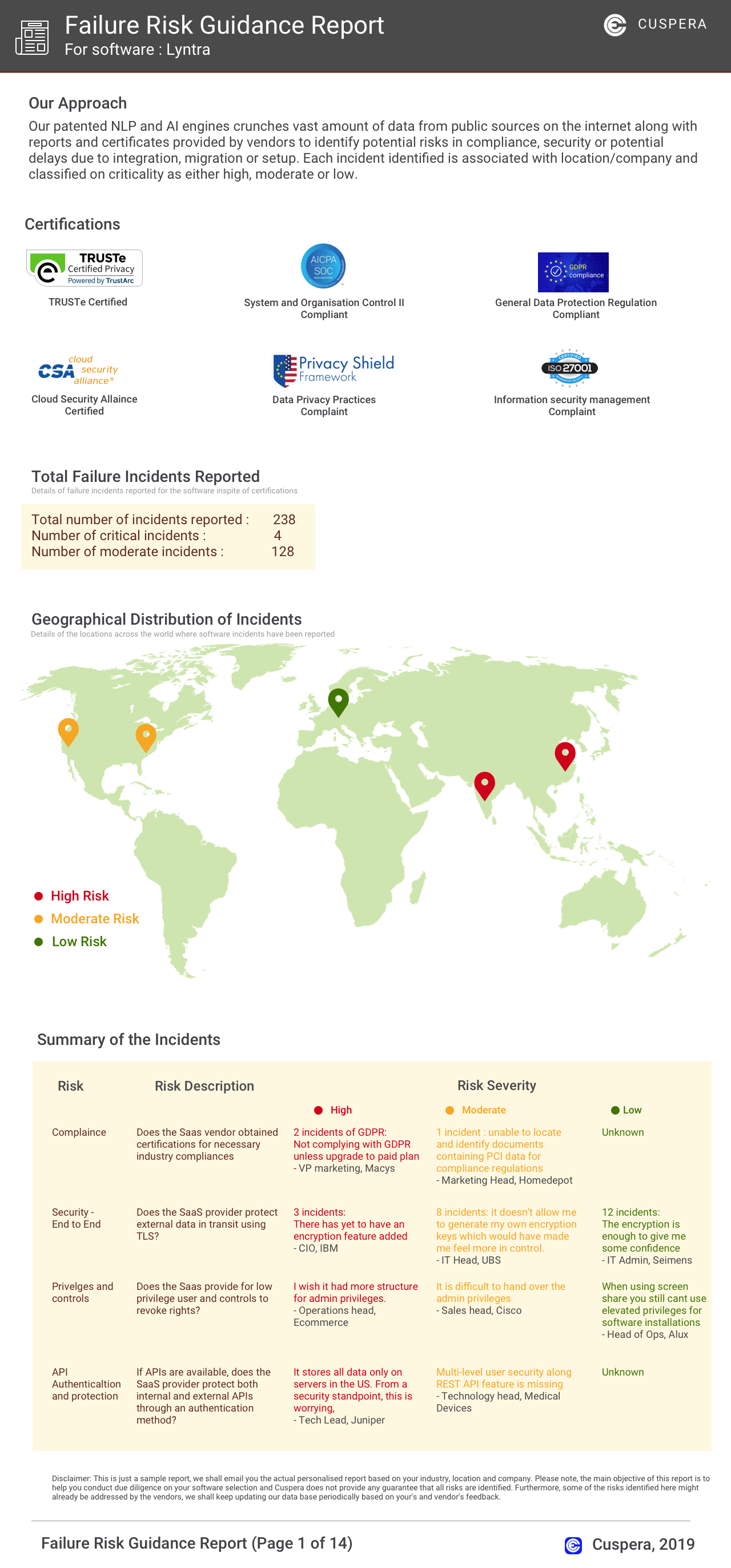
Failure Risk Guidance?
Compliance Risk
{{{rsh_C_1}}}
{{{rsh_C_1}}}
Security & Privacy Risk
{{{rsh_C_1}}}
{{{rsh_C_1}}}
Integration Risk
{{{rsh_C_1}}}
{{{rsh_C_1}}}
Migration Risk
{{{rsh_C_1}}}
{{{rsh_C_1}}}
IT and Other Capabilities
- Low
- Medium
- High
Data
Support
Others
Aha! in Action: Unique Use Cases
How does Aha! facilitate Products & Pricelist Management?
Why is Aha! the best choice for Engagement Management?
Backlog in Action: Unique Use Cases
How efficiently Does Backlog manage your Collaboration?
What Are the key features of Backlog for Workflow Management?
Why is Backlog the best choice for Training & Onboarding?
Alternatives


Integrations
Few Aha! Integrations





Few Backlog Integrations


News
Latest Aha! News
Turn Roadmap Plans Into AI-Coded Applications in Aha! Builder
Aha! has integrated Aha! Roadmaps with Aha! Builder, allowing product teams to turn roadmap features into AI-coded applications. This integration enables users to create applications directly from their strategic plans, enhancing the efficiency of product development workflows.
Latest Backlog News
Save time with Backlogs new replicate feature
Nulab has introduced a new Project Settings Export/Import feature in Backlog, enabling users to replicate project settings efficiently. This update allows teams to export settings such as general settings, issue types, statuses, categories, and milestones, and import them into new projects, streamlining project setup and reducing errors. Future updates will include support for custom attributes.