
Kantata Professional Services Cloud Overview
Kantata Professional Services Cloud is crafted specifically for professional services organizations leveraging Salesforce or other open infrastructures. This platform focuses on addressing unique challenges with tailored solutions that enhance business operations. It offers capabilities that allow people-driven enterprises to refine their core competencies. By integrating with existing systems, Kantata facilitates a seamless transition to improved project management practices. Notably, it supports rapid problem-solving, ensuring teams can focus on delivering their best work. This solution is ideal for organizations seeking to harness technology to elevate their performance and achieve strategic goals efficiently.
Use Cases
Customers recommend Collaboration, Social Media Analytics, Forecasting, as the business use cases that they have been most satisfied with while using Kantata Professional Services Cloud.
Business Priorities
Enhance Customer Relationships and Scale Best Practices are the most popular business priorities that customers and associates have achieved using Kantata Professional Services Cloud.
Kantata Professional Services Cloud Use-Cases and Business Priorities: Customer Satisfaction Data
Kantata Professional Services Cloud's features include Templates, Dashboard, Personalization, etc. and Kantata Professional Services Cloud support capabilities include Chat Support, Email Support, Phone Support, etc. also Kantata Professional Services Cloud analytics capabilities include Analytics, and Custom Reports.
Reviews
"...The ability to start threads regarding specific tasks, upload/share google docs, post messages that also go to email, etc. has been critical to successfully completing projects...." Peer review by Jacqueline F.
Peer review evidence (same sources as the product rating summary)
"...- The UI is fantastic and very intuitive - Collaborating at the project level has been helpful and productive - Having..." Peer review by Zaida W., Program Manager, Construction
"...This ties into the Analytics reporting feature that gives us the information critical to decision-making...." Peer review by Steve Miano, Information Technology and Services
"...As an agency, we were attracted to the long range forecasting functionality offered through Mavenlink and one resource to track our input documentation and forward progress in the day-to-day work...." Peer review by Agency
Kantata Professional Services Cloud, Prism PPM (formerly WorkOtter), TeamGantt, ClickUp, MeisterTask, etc., all belong to a category of solutions that help Project Management. Each of them excels in different abilities. Therefore, determining the best platform for your business will depend on your specific needs and requirements.
Kantata-professional-services-cloud redefines Mavenlink's project management software. Project management, time tracking, and resource planning are united in one place.
Popular Business Setting
for Kantata Professional Services Cloud
Top Industries
- Marketing and Advertising
- Information Technology and Services
- Internet
Popular in
- Small Business
- Mid Market
- Enterprise
Kantata Professional Services Cloud is popular in Marketing And Advertising, Information Technology And Services, and Internet and is widely used by Small Business, Mid Market, and Enterprise.
Kantata Professional Services Cloud Customer wins, Customer success stories, Case studies
What solutions does Kantata Professional Services Cloud provide for Collaboration?
What benefits does Kantata Professional Services Cloud offer for Forecasting?
How can Kantata Professional Services Cloud enhance your Workflow Management process?
How can Kantata Professional Services Cloud optimize your Sales Document Management Workflow?
Arthur D. Little Signs Five-Year Renewal with Kantata to Power Global Business Transformation - Accountancy Age
What Sets Professional Services Cloud Solutions Apart from PSA?

Frequently Asked Questions(FAQ)
for Kantata Professional Services Cloud
What CRM integrations are available for the software?
Kantata offers robust CRM integrations that enhance its Professional Services Automation (PSA) capabilities, allowing businesses to streamline their operations effectively. Specifically, Kantata integrates seamlessly with popular CRM platforms such as Salesforce and ServiceNow. These integrations enable organizations to unify customer, project, resource, and financial data in real time, which is crucial for improving forecasting and ensuring accurate insights for planning and reporting. By connecting with these CRM systems, Kantata helps eliminate data silos and manual reconciliation, facilitating smoother handoffs between teams and enhancing overall project delivery. This interconnected approach not only boosts efficiency but also supports data-driven decision-making across the organization.
How can I integrate my marketing automation platform with this tool?
Integrating your marketing automation platform with Kantata's Professional Services Automation (PSA) software can enhance your operational efficiency by creating a unified system for managing customer interactions and project delivery. Kantata seamlessly integrates with various marketing automation tools, allowing you to connect your CRM systems, such as Salesforce, and other platforms like HubSpot or Marketo. To initiate the integration, first, identify the specific marketing automation platform you are using and consult the integration documentation provided by Kantata. This documentation typically outlines the necessary API endpoints and configuration steps. Once set up, you can automate data flows, synchronize customer information, and streamline your marketing efforts, ensuring that your teams have access to real-time insights and can make data-driven decisions effectively.
What data providers can I connect to for enhanced insights?
You can connect to a variety of data providers to enhance your insights, including FTP services, Amazon S3, and other cloud storage solutions. These integrations allow for seamless data extraction and automation, enabling you to schedule hourly or daily exports of your reports. Additionally, you can utilize Business Intelligence (BI) tools to visualize and contextualize your data, ensuring that it meets the specific needs of your organization. By leveraging these connections, you can generate over 60 services-centric reports and customize dashboards for different roles, ultimately driving smarter decision-making and resource management. This comprehensive approach to data integration not only streamlines your operations but also provides your team with the actionable insights necessary for effective planning and forecasting.
How does the API work for exporting custom reports?
The API for exporting custom reports in Kantata allows users to automate the extraction of standard and tailored insights data seamlessly. By leveraging this API, businesses can schedule exports on an hourly or daily basis, ensuring that they always have the most up-to-date information at their fingertips. Users can also add descriptions to their exports for clarity, making it easier to understand the context of the data. Additionally, the API supports integration with various services such as FTP and Amazon S3, enabling efficient dataflows and storage solutions. This functionality not only streamlines reporting processes but also enhances decision-making by providing timely access to critical insights, ultimately driving better business outcomes.
What features are included in the project management module?
The project management module typically includes a comprehensive set of features designed to facilitate end-to-end project delivery. Key functionalities often encompass task planning, resource allocation, financial tracking, and reporting, allowing teams to manage projects efficiently. Users can create, clone, import, edit, and update project templates, as well as customize tasks and work items to fit specific needs. The module also supports change order management to ensure accurate billing and provides tools for visualizing project progress through Gantt charts and boards. Additionally, it integrates with business intelligence tools for ongoing improvement and offers real-time insights through executive dashboards, enabling data-driven decision-making. Overall, these features help improve accountability, streamline operations, and enhance project profitability.
How does the scheduling feature help with resource allocation?
The scheduling feature in resource management software, such as Kantata, significantly enhances resource allocation by providing real-time visibility into resource availability and project demands. This functionality allows project managers to efficiently assign the right resources to specific tasks based on their skills and current workloads, ensuring optimal productivity while preventing over- or under-utilization. By enabling users to view and adjust schedules dynamically, the scheduling feature helps identify potential bottlenecks and idle time, facilitating timely adjustments that keep projects on track. Additionally, it supports smarter staffing decisions by surfacing the best fit for each role or project, ultimately leading to improved project outcomes and employee engagement.
What are the steps to configure the software for my organization?
To configure Kantata OX for your organization, start by identifying your specific workflows and reporting needs. Begin with the initial setup by customizing the user interface to align with your team's preferences, ensuring that it enhances user adoption and morale. Next, utilize the flexible configuration tools to tailor data templates and filtering options according to different roles within your organization. Schedule a demo with a Kantata representative to explore the software's capabilities and gather insights on best practices. Afterward, implement the necessary integrations with your existing tools, such as BI platforms or data export services like FTP and Amazon S3, to streamline data flows. Finally, conduct training sessions for your team to ensure everyone is comfortable using the system, allowing for a smooth transition and effective resource management.
Can I automate data flows using FTP or Amazon S3?
Yes, you can automate data flows using FTP or Amazon S3 with Kantata's capabilities. The platform allows you to schedule hourly or daily exports of your data, ensuring that your insights are consistently updated and readily available. By utilizing these services, you can streamline the process of transferring data to your preferred business intelligence tools or data warehouses, enhancing your reporting and visualization efforts. Additionally, you can add descriptions to your scheduled exports for clarity, making it easier for your team to understand the context of the data being shared. This automation not only saves time but also reduces the risk of manual errors, allowing your organization to focus on data-driven decision-making.
What is the process for setting up integrations with Slack?
Setting up integrations with Slack involves a series of straightforward steps to enhance team collaboration and streamline communication. First, ensure you have administrative access to your Slack workspace. Next, navigate to the Slack App Directory and search for the specific integration you want to set up, such as Kantata's Professional Services Automation software. Click on the integration and follow the prompts to authorize the connection, which may involve granting permissions for data access. Once authorized, configure the integration settings to tailor notifications and workflows to your team's needs. Finally, test the integration to ensure it functions as expected, allowing your team to benefit from real-time updates and improved collaboration. This process not only enhances communication but also unifies project management efforts across your organization.
How does the software support real-time project execution insights?
The software supports real-time project execution insights by providing comprehensive tracking and visibility into all aspects of project management. With features that allow project managers to monitor resource allocation, task progress, and financial metrics in real time, teams can make informed decisions quickly and confidently. The platform, such as Kantata, enables users to adjust resources dynamically, avoiding bottlenecks and reducing idle time, which enhances overall efficiency. Additionally, it integrates seamlessly with existing tools like Slack and Google Workspace, ensuring that project information is consolidated and accessible from anywhere. This capability not only streamlines workflows but also supports accurate forecasting and improved project delivery, ultimately leading to better outcomes and higher profitability.
What are the capabilities of the intelligent agents in the platform?
Kantata's intelligent agents, including Project and Resourcing Agents, leverage advanced AI capabilities to enhance decision-making and operational efficiency for professional services teams. These agents utilize predictive analytics and generative AI to provide proactive insights and next best actions, enabling teams to respond to project needs before issues arise. They help identify resourcing skill gaps, reduce conflicts, and facilitate high-performing team dynamics through AI-driven planning. Additionally, the agents streamline project updates and resource management, allowing users to generate reports, proposals, and updates instantly while predicting risks and outcomes. This integration of AI not only optimizes workflows but also empowers teams to focus on delivering exceptional client outcomes, ultimately driving better business results.
How does the software help SDRs with lead management?
Professional Services Automation (PSA) software significantly aids Sales Development Representatives (SDRs) with lead management by centralizing and streamlining the entire lead tracking process. By integrating features such as project management, resource planning, and reporting, PSA software provides SDRs with real-time insights into lead status, engagement history, and follow-up tasks. This visibility allows SDRs to prioritize leads effectively, ensuring timely and personalized outreach. Additionally, the software's automation capabilities reduce manual data entry and minimize errors, enabling SDRs to focus more on building relationships rather than administrative tasks. Ultimately, PSA software enhances lead management efficiency, improves conversion rates, and supports data-driven decision-making, which is crucial for maximizing sales performance.
What tools can I integrate for financial management?
For effective financial management, integrating tools that enhance data connectivity and streamline processes is essential. Kantata, a leading financial management software for professional services organizations, can be integrated with platforms like Salesforce for customer relationship management, HubSpot for marketing automation, and Google Workspace for collaboration and document management. These integrations allow for seamless data flow, enabling real-time insights and improved decision-making. Additionally, tools like Slack can facilitate communication among team members, ensuring that financial updates and project statuses are shared promptly. By leveraging these integrations, organizations can enhance their financial management capabilities, improve forecasting accuracy, and maintain better control over project budgets and resources.
How do I access the mobile app for project management?
To access the mobile app for project management with Kantata Professional Services Cloud, first ensure you have an active subscription to the service. Download the app from your device's app store, available for both iOS and Android platforms. Once installed, open the app and log in using your existing Kantata credentials. If you encounter any issues, verify your internet connection and ensure that your subscription is current. The mobile app provides anytime, anywhere access to project management tools, allowing you to track project progress, manage tasks, and communicate with team members effectively. This flexibility enhances your ability to manage projects on the go, ensuring timely and accurate financial tracking and project execution insights.
What are the benefits of bundling tools with Workday products?
Bundling tools with Workday products offers several significant benefits for organizations already utilizing Workday HR, ERP, or Business Planning solutions. Firstly, it provides a discounted rate, making it more cost-effective for businesses to access a comprehensive suite of tools without incurring additional expenses. This integration enhances user experience by ensuring a seamless connection between various modules, which can lead to higher adoption rates among employees. Additionally, bundled tools often share a consistent look and feel, simplifying training and reducing the learning curve. However, it’s important to consider that security levels may impede agility, requiring administrative approval for changes, which could affect flexibility. Overall, bundling can streamline operations and improve efficiency, making it a valuable option for organizations looking to enhance their Workday ecosystem.
How can I visualize my exported data using the software?
To visualize your exported data using the software, start by accessing the reporting and dashboard features available within the platform. First, export your data through the API or schedule automated exports to your preferred BI tool, such as Amazon S3 or FTP. Once your data is in the system, utilize the customizable templates and comprehensive filtering options to tailor the data presentation to your specific needs. You can create interactive reports and executive dashboards that provide real-time insights, allowing you to modify visualizations according to your requirements. Additionally, leverage tools like Gantt charts and Boards to enhance project tracking and accountability. This approach not only helps in visualizing the data effectively but also supports informed decision-making across your organization.
What are the limitations of the Kanban board sharing feature?
The Kanban board sharing feature in Kantata's Professional Services Cloud has some limitations that users should be aware of. Primarily, sharing is restricted to Kanban boards, which may not provide the comprehensive collaboration needed for complex projects. Additionally, customer collaboration requires the use of an additional tool, ProjectPlace, which can complicate workflows and lead to inefficiencies. Users may also find that the functionality does not allow for the uploading of Excel task trackers, limiting the ability to integrate existing project plans seamlessly. Furthermore, the lack of features such as baseline storage in Gantt charts and the inability to plan for holidays can hinder effective project management. These limitations may affect teams looking for a more integrated and flexible project management solution.
How does the software handle capacity planning for projects?
Resource optimization software, such as Kantata, handles capacity planning for projects by providing real-time visibility into resource availability, skills, and utilization rates. This enables project managers to align team members' capabilities with project demands effectively, preventing over- or under-allocation of resources. The software facilitates proactive decision-making by allowing managers to forecast hiring needs and schedule work efficiently, ensuring that the right people are assigned to the right projects at the right time. Additionally, it helps maintain project margins by balancing workloads across teams, which not only enhances employee satisfaction but also reduces burnout. By leveraging these features, organizations can optimize their capacity planning processes, leading to improved project outcomes and overall efficiency.
What custom reporting options are available?
Kantata OX offers a range of custom reporting options designed to meet diverse business needs and enhance data visibility. Users can create tailored reports using flexible configuration tools that allow for comprehensive filtering and segmentation, ensuring that the data presented is relevant to specific roles and perspectives within the organization. Additionally, Kantata OX enables the visualization of exported data, making it easier to interpret insights and trends. Users can also schedule automated data extraction to their preferred Business Intelligence (BI) tools, facilitating seamless integration and real-time reporting. This level of customization not only aids in precise data assessment but also empowers teams to make informed, data-driven decisions that align with their strategic goals.
How can I track team availability and skills in real-time?
To track team availability and skills in real-time, utilize resource optimization software like Kantata, which provides comprehensive visibility into your team's current bandwidth, skill sets, and project allocations. Start by entering detailed skills criteria and weight them by importance to ensure the right fit for each project. The platform allows you to view all team members, their roles, and availability in one place, enabling you to make informed staffing decisions quickly. Additionally, you can leverage real-time dashboards to monitor resource utilization and identify skill gaps, ensuring that you can adjust allocations as needed. By integrating with your existing tech stack, including CRM and communication tools, you can streamline workflows and maintain an accurate overview of your team's capabilities and availability.
What are the security features related to API access?
Kantata employs robust security features to protect API access, ensuring that sensitive project and financial data remains secure. These features include secure APIs, encryption standards, and role-based access controls, which help to safeguard data from unauthorized access. Additionally, Kantata's multi-tenant Software as a Service (SaaS) architecture logically separates customer accounts at the data layer, enhancing privacy and security. The platform also incorporates strong governance controls to maintain compliance and reduce data exposure risks. By implementing these security measures, Kantata not only protects user data but also fosters trust among its clients, allowing them to utilize API functionalities with confidence. For more detailed information, you can visit Kantata's Trust Center.
How does the software facilitate collaboration among team members?
Kantata’s team collaboration software facilitates collaboration among team members by providing a centralized platform where communication, task management, and project updates occur in real time. It enables users to create, assign, and track tasks while allowing team members to communicate directly within those tasks, ensuring that discussions are contextually relevant. The software features real-time messaging, document sharing, and centralized feedback loops, which streamline the flow of information and keep everyone aligned on project goals. Additionally, Kantata integrates with various tools such as time tracking and project management systems, enhancing overall productivity and ensuring that all team members have access to the resources they need to collaborate effectively. This comprehensive approach not only improves team dynamics but also elevates project outcomes by keeping everyone informed and engaged throughout the project lifecycle.
What is the total cost of ownership for implementing the software?
The total cost of ownership (TCO) for implementing software, such as Kantata's professional services automation (PSA) solution, encompasses several factors beyond just the initial purchase price. TCO includes costs related to implementation, which may involve business process reengineering and user training, as well as ongoing subscription fees and potential expenses for additional modules. Organizations must also consider costs associated with integrating the software into their existing tech stack, including CRM and billing systems, which can vary based on the complexity of the integration. Additionally, there may be indirect costs, such as the impact on staff productivity during the transition period. By evaluating these components, businesses can gain a clearer understanding of the long-term financial commitment required for successful software implementation.
How can I schedule hourly or daily exports of my data?
To schedule hourly or daily exports of your data using Kantata, you can utilize the Scheduled Data Exporter feature. Start by accessing the data export settings within your Kantata dashboard. From there, you can select the specific data sets you wish to export and choose your preferred frequency—either hourly or daily. You can also add descriptions to your exports for clarity, ensuring that the data is easily identifiable. Once configured, the system will automate the data flow to your chosen destination, such as a business intelligence tool or data warehouse, allowing you to visualize and analyze your data seamlessly. This automation not only saves time but also enhances the accuracy and timeliness of your reporting processes.
What modern pricing models does the software support?
Modern pricing models supported by software solutions like Kantata Professional Services Cloud include subscription-based pricing, tiered pricing, and usage-based pricing. These models allow businesses to adapt their pricing strategies to meet the diverse needs of their clients while maximizing revenue potential. Subscription-based pricing provides predictable revenue streams, while tiered pricing offers flexibility for different service levels, catering to various customer segments. Usage-based pricing aligns costs with actual consumption, making it appealing for clients who prefer to pay for what they use. By leveraging these modern pricing models, organizations can enhance their financial management, improve forecasting accuracy, and reduce the risk of revenue leakage, ultimately leading to better financial performance and client satisfaction.
How does the software help in managing project health?
Kantata's project management software helps manage project health by providing comprehensive visibility into project progress, resource allocation, and financial performance. With features like interactive dashboards and Gantt charts, project managers can visualize tasks, deliverables, and milestones, allowing for real-time adjustments and proactive decision-making. The software enables users to color-code project statuses, making it easier to communicate overall health to stakeholders. Additionally, by integrating with business intelligence tools, Kantata enhances ongoing improvement efforts, ensuring that resources are utilized effectively and efficiently. This holistic approach not only helps in identifying potential bottlenecks but also supports accurate forecasting and improved profitability, ultimately leading to successful project outcomes.
What are the integration options for proofing and review platforms?
Integration options for proofing and review platforms can significantly enhance workflow efficiency and collaboration. Many modern proofing tools offer prebuilt connectors and secure APIs that allow seamless integration with various systems. For instance, platforms like Kantata can integrate with popular CRM systems such as Salesforce, as well as ERP solutions like QuickBooks, NetSuite, and Sage Intacct. These integrations enable real-time synchronization of project data, improving communication between teams and reducing manual data entry errors. Additionally, automated workflows can be established to streamline processes, ensuring that feedback and approvals are managed efficiently. By leveraging these integration options, businesses can enhance their project management capabilities and make data-driven decisions more effectively.
How can I reduce manual coordination with automated workflows?
To reduce manual coordination with automated workflows, consider implementing a solution like Kantata, which leverages AI capabilities to streamline operations across delivery, finance, and resource management. Start by identifying repetitive tasks that consume significant time and resources, such as project updates and billing processes. Utilize Kantata's automation features to schedule these tasks, allowing for real-time adjustments and reducing the need for manual input. Additionally, integrate with tools like FTP or Amazon S3 for seamless data exports and automate dataflows to enhance efficiency. By adopting these automated workflows, your teams can focus on delivering exceptional client outcomes while minimizing administrative burdens, ultimately improving project management efficiency and resource allocation.
What insights can AI-powered features provide for decision-making?
AI-powered features, such as those offered by Kantata, provide critical insights that enhance decision-making by leveraging predictive analytics and generative AI to analyze vast amounts of data. These insights can identify trends, forecast outcomes, and highlight potential risks before they escalate, allowing teams to make informed, proactive decisions. For instance, Kantata's AI capabilities can detect resourcing skill gaps, optimize resource allocation, and generate customized reports that reflect real-time project statuses. Additionally, the system can automate data flows and provide instant access to meaningful insights, ensuring that decision-makers have the necessary information at their fingertips. By transforming data into actionable intelligence, AI-driven features empower organizations to improve operational efficiency, enhance profitability, and ultimately deliver better client outcomes.
How does the software ensure data integrity during configuration changes?
Kantata ensures data integrity during configuration changes through its commitment to Agile practices, Test Driven Development (TDD), and Pair Programming, which collectively enhance the reliability of the software. The platform employs over 45,000 automated tests within its continuous integration pipeline, allowing for rigorous validation of changes before they are deployed. Additionally, Kantata utilizes industry-standard Transport Layer Security (TLS) and AES encryption to protect data both in transit and at rest, ensuring that any modifications do not compromise data security. This robust framework not only safeguards against data corruption but also provides users with a seamless experience, allowing them to confidently manage their configurations while maintaining the accuracy and integrity of their data throughout the process.
What measurable business value can I expect from implementing project management software?
Implementing project management software, such as Kantata, can deliver significant measurable business value by enhancing project visibility, improving resource allocation, and increasing overall efficiency. With features like executive dashboards and interactive reports, leaders gain real-time insights that facilitate data-driven decision-making, ultimately leading to projects being delivered on time and within budget. Effective project management software helps organizations track utilization rates, reduce rework, and improve client retention, which directly impacts profitability. Additionally, it supports better financial management by aligning project delivery with financial outcomes, thus reducing margin erosion. By streamlining operations and enabling strategic planning, businesses can expect to see improved employee satisfaction and reduced burnout, further contributing to a healthier bottom line.
How does improved financial visibility impact overall business performance?
Improved financial visibility significantly enhances overall business performance by providing organizations with accurate, real-time insights into their financial health. This transparency allows leaders to make informed decisions regarding resource allocation, project pricing, and cost control, ultimately reducing the risk of margin erosion and financial surprises. With tools like executive dashboards and interactive reports, businesses can monitor project budgets and forecast future needs more effectively, leading to timely interventions and strategic adjustments. Enhanced visibility fosters accountability and encourages proactive management, ensuring that teams can deliver value predictably and align operational activities with financial outcomes. As a result, organizations can achieve sustainable growth, optimize capacity, and improve overall profitability, making financial visibility a critical component of successful business management.
What are the cost savings associated with using professional services automation software?
Professional Services Automation (PSA) software can lead to significant cost savings for organizations that deliver billable, client-facing work. By centralizing project delivery data, PSA solutions enhance visibility into key performance metrics such as revenue, cost, utilization, and profit margins, allowing businesses to make informed decisions that optimize resource allocation and project management. This improved efficiency reduces the time spent on administrative tasks, minimizes errors in billing and time tracking, and enhances overall productivity. Additionally, as the financial benefits of PSA software scale with company size, larger organizations can realize even greater savings by effectively managing their workforce and project delivery. Ultimately, the investment in PSA software can yield a strong return by streamlining operations and maximizing profitability.
How can project management software enhance project success rates?
Project management software enhances project success rates by providing tools that improve visibility, streamline workflows, and facilitate better resource allocation. By utilizing features such as executive dashboards and interactive reports, project managers can gain real-time insights into project progress and profitability, allowing for data-driven decision-making. This software helps prevent common pitfalls like resource bottlenecks and scheduling conflicts, ensuring that the right people are assigned to the right tasks at the right time. Additionally, effective project management software, such as Kantata, connects project execution with forecasting and staffing, which enhances predictability and reduces rework. As a result, organizations can achieve higher success rates, with studies showing improvements from around 80% to 97% in projects delivered on time and within budget, ultimately leading to increased profitability and client satisfaction.
What is the expected ROI from using automation in project management?
The expected ROI from using automation in project management, particularly through solutions like Kantata's professional services automation software, can be significant. Businesses typically experience first-year ROI through increased billable utilization, improved forecast accuracy, reduced revenue leakage, and faster project delivery. Automation streamlines processes, enabling teams to allocate resources more effectively and manage project budgets with confidence. By leveraging AI-powered insights, organizations can make data-driven decisions quickly, enhancing overall efficiency and productivity. Additionally, automation reduces manual reporting efforts and bottlenecks, freeing up executive hours for strategic initiatives. Ultimately, the integration of automation in project management not only scales revenue without a proportional increase in headcount but also enhances project outcomes, leading to improved client satisfaction and retention.
How does self-service project data free up executive hours?
Self-service project data significantly frees up executive hours by empowering project managers and teams to access and analyze project information independently, without needing constant oversight from executives. With tools like Kantata Professional Services Automation, users can generate reports and dashboards tailored to their specific needs, allowing for real-time insights into project progress and resource allocation. This autonomy reduces the reliance on executives for routine data requests and reporting, enabling leaders to focus on strategic decision-making rather than getting bogged down in operational details. As a result, executives can allocate their time more effectively, driving higher-level initiatives and fostering a more agile organizational environment.
What are the benefits of accelerated forecasting through reusable models?
Accelerated forecasting through reusable models offers several significant benefits for businesses. Firstly, it enhances forecast accuracy, allowing organizations to reduce financial risks and surprises by providing a clearer view of project timelines and budgets. This improved visibility enables project managers to make data-driven decisions quickly, fostering greater autonomy and ownership over their projects. Additionally, reusable models streamline the forecasting process, reducing manual effort and reporting bottlenecks, which in turn frees up executive hours for more strategic tasks. By leveraging these models, companies can achieve better resource allocation, optimize capacity, and ultimately support sustainable growth and investment, ensuring that projects are delivered on time and within budget.
How does increased project manager autonomy affect project outcomes?
Increased project manager autonomy significantly enhances project outcomes by empowering managers to make timely decisions, adapt to changing circumstances, and take ownership of their projects. This autonomy allows project managers to respond quickly to challenges, allocate resources effectively, and implement solutions without waiting for approval from higher-ups. As a result, projects are more likely to stay on track and within budget, leading to improved success rates—evidenced by a rise from 80% to 97% in projects delivered on time and on budget. Furthermore, when project managers have the freedom to manage their teams and workflows, it fosters a sense of accountability and motivation, ultimately driving better performance and higher client satisfaction. This increased efficiency not only enhances project profitability but also contributes to overall agency success.
What impact does streamlined intercompany billing have on financial performance?
Streamlined intercompany billing significantly enhances financial performance by improving accuracy and efficiency in managing internal transactions. By utilizing software like Kantata, organizations can eliminate the need for duplicating invoices across disconnected accounting systems, which reduces errors and inefficiencies. This leads to faster processing times and improved cash flow, as invoices are generated and settled more promptly. Additionally, accurate intercompany billing ensures that all financial data is connected, providing better visibility into revenue and expenses across different business units. This transparency allows for more informed decision-making and proactive financial management, ultimately protecting margins and supporting sustainable growth. Overall, streamlined intercompany billing not only simplifies administrative tasks but also contributes to healthier financial outcomes for the organization.
How can live dashboards improve decision-making in project management?
Live dashboards significantly enhance decision-making in project management by providing real-time insights into project performance, resource allocation, and financial metrics. With tools like Kantata, project managers can visualize key data points such as costs, revenue, and margins at a glance, enabling them to identify trends and variances quickly. This immediate access to information allows for data-driven decisions, reducing reliance on outdated reports and minimizing delays in response to project changes. Additionally, customizable dashboards can be tailored to meet specific needs, ensuring that stakeholders have the relevant information they require to make informed choices. By uniting data, insights, and actionable metrics in one platform, live dashboards empower project managers to focus on outcomes rather than administrative tasks, ultimately leading to more efficient project execution and improved organizational performance.
What is the total cost of ownership for project management software?
The total cost of ownership (TCO) for project management software encompasses all expenses associated with acquiring, implementing, and maintaining the software over its lifecycle. This includes initial setup costs, ongoing subscription fees, training expenses, and potential costs for additional modules or integrations with other tools like Slack and Google Workspace. For example, while platforms like Kantata offer comprehensive features for project costing and financial management, they may have higher initial costs compared to some Professional Services Automation (PSA) solutions. It's essential to evaluate not only the upfront costs but also the long-term value derived from improved project execution, resource allocation, and financial tracking, which can lead to better decision-making and increased profitability. Understanding TCO helps organizations budget effectively and assess the return on investment for their project management software.
How do pricing tiers for project management software affect ROI?
Pricing tiers for project management software can significantly affect ROI by aligning features and capabilities with the specific needs of a business. Higher-tier plans often offer advanced functionalities such as enhanced reporting, resource management, and integration options that can lead to improved project efficiency and better decision-making. For instance, investing in a premium tier may provide access to AI-driven insights and automation tools, which can increase billable utilization and reduce revenue leakage, ultimately enhancing profitability. Conversely, lower-tier plans may suffice for smaller teams or projects with limited complexity but could result in missed opportunities for optimization and growth. Therefore, selecting the right pricing tier is crucial for maximizing ROI, as it ensures that the software supports the organization's goals and scales effectively with its needs.
What factors should I consider when evaluating the pricing plans of project management tools?
When evaluating the pricing plans of project management tools, consider several key factors to ensure you choose the right solution for your organization. First, assess the features included in each pricing tier, such as task planning, resource allocation, financial tracking, and reporting capabilities. Look for tools that offer end-to-end delivery and integrations with other platforms like Slack or Google Workspace, as these can enhance functionality. Additionally, evaluate the scalability of the pricing model; ensure it can accommodate your team's growth without incurring excessive costs. Pay attention to any hidden fees, such as for additional users or modules, and consider the total cost of ownership, including setup and ongoing subscription fees. Finally, read customer reviews on platforms like G2, GetApp, and Capterra to gauge user satisfaction and the overall value of the software.
How quickly can I expect to see value from implementing project management software?
The speed at which you can expect to see value from implementing project management software varies based on several factors, including the complexity of your projects, the size of your team, and the specific software chosen. Generally, organizations begin to notice improvements within a few weeks of deployment, particularly in areas such as task management, resource allocation, and financial tracking. For instance, platforms like Kantata can provide immediate visibility into project health and profitability, enabling data-driven decisions that enhance efficiency. Additionally, as teams adapt to the software, you may experience accelerated forecasting and reduced administrative tasks, leading to quicker project delivery and improved client satisfaction. Ultimately, the more effectively you integrate the software into your workflows, the faster you will realize its benefits.
What are the implementation costs associated with professional services automation?
The implementation costs associated with Professional Services Automation (PSA) software can vary significantly based on whether the solution is commercially off the shelf (COTS) or built in-house. Both options typically require investment in implementation, which includes business process reengineering and user training, leading to costs in staff time and budget. COTS solutions may also incur additional expenses due to limited customizability and potential integration challenges with existing systems. Organizations must carefully evaluate their specific needs and the features of the PSA software to ensure they select a solution that aligns with their operational requirements while managing these implementation costs effectively. Overall, a well-planned implementation can lead to improved efficiency and better financial performance, justifying the initial investment.
How does accurate project pricing contribute to financial performance?
Accurate project pricing is crucial for enhancing financial performance as it directly impacts project margins and reduces the risk of revenue leakage. By establishing realistic pricing structures, organizations can ensure that their revenue aligns with costs, thereby maintaining healthy profit margins. This accuracy also facilitates better forecasting and planning, providing leaders with a clear view of anticipated revenue, cost structures, and staffing needs before project initiation. With precise pricing, firms can make informed decisions that minimize financial surprises and delays, ultimately leading to improved cash flow and long-term stability. Additionally, accurate pricing supports proactive financial management, allowing organizations to adjust strategies based on real-time data and insights, which is essential for sustainable growth in a competitive landscape.
What are the benefits of reducing reporting bottlenecks in project management?
Reducing reporting bottlenecks in project management offers several significant benefits that enhance overall efficiency and effectiveness. By streamlining the reporting process, project managers can access real-time data and insights, which accelerates decision-making and allows for timely adjustments to project plans. This leads to improved project success rates, as teams can proactively address issues such as budget overruns or scheduling conflicts, ultimately increasing the likelihood of completing projects on time and within budget. Additionally, reducing manual reporting efforts frees up executive hours, enabling leadership to focus on strategic initiatives rather than administrative tasks. Overall, this optimization fosters greater project manager autonomy and ownership, resulting in enhanced project profitability and improved resource utilization across the organization.
How can automation in month-end closing processes save time and money?
Automation in month-end closing processes, as facilitated by solutions like Kantata, significantly saves time and money by streamlining financial operations and reducing manual tasks. By automating data entry, reconciliation, and reporting, businesses can eliminate the errors and delays associated with traditional methods, such as spreadsheets and email communications. For instance, companies using Kantata have reported reductions in their closing times from weeks to just days, allowing for quicker billing cycles and improved cash flow. This efficiency not only accelerates the financial close process but also enhances accuracy in financial reporting, leading to better decision-making and reduced revenue leakage. Ultimately, automation empowers finance teams to focus on strategic activities rather than administrative burdens, driving overall business profitability.
What role does project visibility play in reducing scheduling conflicts?
Project visibility plays a crucial role in reducing scheduling conflicts by providing project managers with real-time insights into resource availability and project timelines. With tools like Kantata, teams can gain a comprehensive view of all ongoing projects, allowing them to identify potential overlaps and allocate resources more effectively. This visibility enables proactive decision-making, where managers can adjust schedules and resource assignments before conflicts arise, thus minimizing idle time and maximizing productivity. By understanding the current workload and future demands, organizations can ensure that the right people are assigned to the right projects at the right time, ultimately leading to improved project success rates and enhanced overall agency profitability.
How can better insights help project managers manage project overages?
Better insights empower project managers to effectively manage project overages by providing real-time data and analytics that highlight potential issues before they escalate. With tools like Kantata, project managers can access interactive reports and dashboards that reveal critical information about project progress, resource allocation, and budget adherence. This visibility allows them to identify trends, such as recurring delays or budget overruns, and take proactive measures to address these challenges. By leveraging these insights, project managers can make informed decisions, adjust resource assignments, and optimize workflows, ultimately leading to improved project outcomes and profitability. Enhanced visibility not only helps in mitigating risks but also fosters accountability and transparency within the team, ensuring that projects stay on track and within budget.
What are the advantages of bundling tools for a discounted rate?
Bundling tools for a discounted rate offers several advantages for businesses looking to optimize their software investments. Firstly, it provides cost savings, allowing organizations to access multiple tools at a lower overall price compared to purchasing each tool separately. This can significantly reduce budget constraints, especially for small to medium-sized enterprises. Additionally, bundled tools often integrate seamlessly, enhancing workflow efficiency and minimizing the need for extensive training on disparate systems. This integration can lead to improved data sharing and collaboration across teams, ultimately driving better decision-making and productivity. Furthermore, vendors may offer enhanced support and service for bundled solutions, ensuring that businesses receive comprehensive assistance tailored to their needs. Overall, bundling tools can streamline operations while delivering significant financial benefits.
How does improved project profitability impact overall agency success?
Improved project profitability significantly enhances overall agency success by directly contributing to financial stability and growth. When agencies achieve higher profitability on projects, they can reinvest those earnings into resources, technology, and talent, fostering innovation and improving service delivery. This financial health allows for better cash flow management, enabling agencies to take on more projects without compromising quality. Additionally, enhanced profitability often leads to increased client satisfaction and retention, as agencies can deliver projects on time and within budget, which is crucial for maintaining strong client relationships. Ultimately, the ability to consistently deliver profitable projects not only boosts an agency's reputation but also positions it for long-term success in a competitive market, as evidenced by the improved metrics seen with professional services automation software like Kantata.
What metrics should I track to measure the ROI of project management software?
To measure the ROI of project management software, it's essential to track several key metrics that reflect both efficiency and effectiveness. Start with the utilization rate, which indicates the percentage of available time devoted to billable work; this helps identify under-utilization that can lead to lost revenue or over-utilization that risks employee burnout. Next, monitor allocation rates to assess how effectively resources are assigned to projects relative to their capacity, ensuring workloads align with business priorities. Additionally, track bench time, which reflects the percentage of employee time not assigned to active projects, as some bench time can be beneficial for flexibility. Finally, compare budgeted versus actual usage to evaluate financial performance and project profitability. By focusing on these metrics, organizations can gain insights into the impact of their project management software on overall business performance.
How does project management software help in reducing margin erosion?
Project management software, such as Kantata, plays a crucial role in reducing margin erosion by providing comprehensive visibility into project costs, resource allocation, and financial performance. By enabling accurate project pricing and real-time tracking of expenses, these tools help organizations identify potential financial issues before they escalate. Features like project templates and executive dashboards allow teams to standardize processes and make data-driven decisions quickly, ensuring that projects remain on budget. Additionally, effective resource planning within the software aligns skills and capacity with project demand, preventing over- or under-allocation of resources. This proactive approach not only enhances profitability but also supports long-term stability by minimizing the risk of revenue leakage and improving overall project outcomes.
What are the long-term financial benefits of using project management tools?
Using project management tools offers significant long-term financial benefits by enhancing visibility and control over project execution, which directly impacts profitability and resource allocation. These tools facilitate accurate financial management by enabling organizations to forecast revenue, control costs, and maintain cash flow, ultimately supporting informed business decisions. By aligning project delivery with financial outcomes, firms can reduce margin erosion and improve utilization rates, leading to increased client retention and satisfaction. Additionally, project management software streamlines intercompany billing and automates reporting processes, freeing up executive hours and reducing manual effort. This efficiency not only accelerates forecasting through reusable models but also empowers project managers with greater autonomy, fostering a culture of accountability and continuous improvement that contributes to long-term financial stability and growth.
How can project management software help in proactive forecasting?
Project management software enhances proactive forecasting by providing real-time insights into project pipelines, resource allocation, and financial metrics. With features like resource optimization and forecasting tools, such software enables project managers to predict future staffing needs and identify potential skills gaps, ensuring that the right resources are available when needed. This capability allows teams to make informed decisions, adjust plans dynamically, and avoid resource bottlenecks, ultimately leading to improved project efficiency and reduced idle time. Additionally, by integrating financial management features, project management software helps organizations align their project execution with financial outcomes, enhancing overall predictability and supporting sustainable growth. Tools like Kantata exemplify this by offering a centralized platform that connects project execution with forecasting and profitability, empowering leaders to make data-driven decisions confidently.
What is the relationship between project manager autonomy and project efficiency?
Project manager autonomy refers to the degree of independence and decision-making power that project managers have in managing their projects. This autonomy is closely linked to project efficiency, as it empowers project managers to make timely decisions, allocate resources effectively, and adapt to changing circumstances without waiting for approvals from higher-ups. When project managers have the authority to act, they can streamline workflows, reduce bottlenecks, and enhance team collaboration, leading to improved project outcomes. Additionally, increased autonomy fosters a sense of ownership among project managers, motivating them to optimize processes and drive project success. Ultimately, the relationship between project manager autonomy and project efficiency is crucial, as it enables teams to respond swiftly to challenges and maintain high-quality deliverables.
How does connected data improve decision-making in project management?
Connected data significantly enhances decision-making in project management by providing a unified view of all relevant information, enabling project managers to make informed choices quickly and confidently. With tools like Kantata Professional Services Automation, teams can access real-time insights into project performance, resource allocation, and financial metrics, allowing for timely adjustments and strategic planning. This integration of data eliminates silos, reduces reporting bottlenecks, and empowers project managers with the autonomy to focus on outcomes rather than administrative tasks. By leveraging advanced analytics and AI-driven insights, organizations can identify trends, optimize resource utilization, and improve forecasting accuracy, ultimately leading to better project outcomes and increased profitability.
What are the potential revenue impacts of using professional services automation?
Using professional services automation (PSA) software can significantly impact revenue by enhancing operational efficiency and optimizing resource utilization. PSA solutions, like Kantata, provide visibility into key performance metrics such as billable utilization, revenue forecasting, and project delivery timelines. By streamlining processes and reducing revenue leakage, organizations can increase their billable hours without necessarily expanding their workforce, leading to higher profit margins. Additionally, improved forecast accuracy allows for better financial planning and resource allocation, ensuring that projects are completed on time and within budget. As a result, companies can scale their revenue growth effectively while maintaining service quality, ultimately driving long-term financial success.
How can I calculate the ROI of my investment in project management software?
To calculate the ROI of your investment in project management software, start by identifying key performance indicators (KPIs) that reflect your business goals, such as increased billable utilization, improved forecast accuracy, and reduced revenue leakage. Next, gather data on your current project performance metrics before implementing the software, including project delivery times and costs. After deploying the software, track changes in these metrics over a defined period, ideally one year. Calculate the financial gains from improvements in efficiency and productivity, then subtract the total costs of the software, including subscription fees and training expenses. Finally, divide the net gains by the total costs and multiply by 100 to express the ROI as a percentage. This approach will provide a clear picture of how the software contributes to your bottom line, helping you make informed decisions about future investments.
What are the key differences between Kantata Professional Services Cloud and Workfront?
Kantata Professional Services Cloud and Workfront serve different purposes within project management, particularly for professional services organizations. Kantata is specifically designed for IT services and consulting firms, integrating project delivery, resource planning, financial management, and forecasting into a single platform, which enhances operational efficiency and collaboration. In contrast, Workfront focuses more broadly on work management across various industries, emphasizing task management, collaboration, and workflow automation. While both platforms offer project management capabilities, Kantata's strength lies in its professional services automation features that cater to the unique needs of service-based businesses, whereas Workfront provides a more generalized approach suitable for diverse organizational needs. This distinction makes Kantata particularly valuable for firms seeking comprehensive solutions tailored to professional services.
How does Kantata Professional Services Cloud compare to Clarizen?
Kantata Professional Services Cloud and Clarizen both serve project management needs but cater to different audiences and functionalities. Kantata is specifically designed for professional services organizations, integrating project delivery, resource planning, financial management, and forecasting into one cohesive platform, which is particularly beneficial for IT services and consulting firms. In contrast, Clarizen offers a more general project management solution that emphasizes collaboration and flexibility across various industries. While both platforms provide tools for task management and reporting, Kantata's focus on professional services automation allows for deeper insights into project profitability and resource utilization, making it a stronger choice for firms that require comprehensive financial oversight. Ultimately, the choice between the two will depend on the specific needs of the organization, particularly regarding industry focus and the complexity of project management requirements.
What are the advantages of using Kantata Professional Services Cloud over SAP S/4HANA?
Kantata Professional Services Cloud offers several advantages over SAP S/4HANA, particularly for professional services organizations. Firstly, Kantata is purpose-built for the unique needs of these firms, integrating project delivery, resource planning, financial management, and forecasting into a single platform, which enhances operational efficiency. In contrast, SAP S/4HANA is a broader enterprise resource planning (ERP) solution that may not cater specifically to the nuances of professional services. Additionally, Kantata's Salesforce-native architecture allows for seamless collaboration across sales, delivery, and finance teams, providing a single source of truth that improves visibility and decision-making. This focus on professional services, combined with its user-friendly interface and specialized features, makes Kantata a compelling choice for organizations looking to optimize their service delivery and resource management.
Which is better for project management: Kantata Professional Services Cloud or Clarizen?
When comparing Kantata Professional Services Cloud and Clarizen for project management, both platforms offer robust features tailored for professional services. Kantata excels in client communication, project planning, and resource management, providing a centralized hub for team collaboration and project visibility. Its strengths lie in its user-friendly interface and comprehensive reporting capabilities, making it ideal for consultants and service-oriented businesses. On the other hand, Clarizen is known for its strong customization options and advanced project tracking features, which can be beneficial for larger organizations with complex project needs. Ultimately, the choice between Kantata and Clarizen depends on your specific requirements, such as the level of customization needed and the importance of client communication in your project management processes.
What are the unique strengths of Kantata Professional Services Cloud compared to its competitors?
Kantata Professional Services Cloud stands out among its competitors due to its comprehensive approach tailored specifically for professional services organizations. Unlike traditional project management tools that primarily focus on tasks and timelines, Kantata integrates project delivery, resource planning, financial management, and forecasting into a single platform, providing a holistic view of operations. Its robust analytics capabilities, including live dashboards, enable organizations to gain real-time insights into project progress and resource utilization, facilitating timely decision-making. Additionally, Kantata's out-of-the-box functionality simplifies complex processes, such as invoicing and workflow automation, which are often cumbersome in other solutions like Mavenlink or Deltek. This unique combination of features empowers businesses to enhance productivity, improve client engagement, and ultimately drive better financial outcomes, making Kantata a preferred choice for professional services firms.
Why should I choose Kantata Professional Services Cloud over Workfront?
Choosing Kantata Professional Services Cloud over Workfront is advantageous for organizations focused on professional services, as Kantata is specifically designed to meet the unique needs of IT services and consulting firms. While Workfront excels in general project management and collaboration, Kantata integrates project delivery, resource planning, financial management, and forecasting into a single platform, providing a comprehensive solution tailored for professional services automation. This end-to-end functionality allows for improved visibility and efficiency in managing projects and resources, ultimately enhancing profitability and client satisfaction. Additionally, Kantata's robust reporting and analytics capabilities help organizations make data-driven decisions, which can be a significant differentiator for businesses looking to optimize their operations in a competitive landscape.
What are the best alternatives to Kantata Professional Services Cloud?
When considering alternatives to Kantata Professional Services Cloud, several notable options stand out. Workfront is a strong competitor, offering robust project management and collaboration features tailored for professional services. Clarizen is another viable alternative, known for its flexibility and comprehensive project tracking capabilities. Additionally, Mavenlink provides a cloud-based solution that integrates project management with financial management, making it suitable for service-oriented businesses. Deltek is also worth mentioning, particularly for organizations focused on government contracting and professional services. Each of these alternatives has unique strengths, so evaluating them based on your specific business needs, such as integration capabilities, user experience, and pricing, is essential to find the best fit for your organization.
How does the pricing of Kantata Professional Services Cloud stack up against Clarizen?
Kantata Professional Services Cloud and Clarizen both offer tailored pricing models designed to fit the unique needs of professional services organizations, but they differ in their approach. Kantata's pricing is customized based on company size, goals, and team workflows, ensuring that clients only pay for what they need. This flexibility can be particularly beneficial for businesses looking to scale or adapt their services. In contrast, Clarizen typically offers more standardized pricing tiers, which may appeal to organizations seeking straightforward options. Ultimately, the choice between Kantata and Clarizen will depend on your specific requirements for customization and budget management, making it essential to evaluate how each platform aligns with your business objectives.
What features differentiate Kantata Professional Services Cloud from SAP S/4HANA?
Kantata Professional Services Cloud and SAP S/4HANA serve different purposes within the realm of business management. Kantata is specifically designed for professional services organizations, offering features like project delivery, resource planning, financial management, and forecasting all in one platform, which is crucial for IT services and consulting firms. Its focus on professional services automation (PSA) allows for seamless integration of project management with financial insights, enhancing operational efficiency. In contrast, SAP S/4HANA is a comprehensive enterprise resource planning (ERP) solution that caters to a broader range of industries, emphasizing core business processes like finance, supply chain, and manufacturing. While SAP provides extensive ERP capabilities, Kantata's specialized features and focus on the unique needs of professional services organizations make it a more tailored solution for those specific sectors.
Is Kantata Professional Services Cloud a better choice than Asana for project management?
Kantata Professional Services Cloud and Asana serve different purposes in project management, making the choice dependent on your organization's specific needs. Kantata is purpose-built for professional services organizations, integrating project delivery, resource planning, financial management, and forecasting into one platform, which is particularly beneficial for IT services and consulting firms. In contrast, Asana is a more general project management tool that focuses on task management, timelines, and team collaboration, making it suitable for a broader range of industries. If your organization requires comprehensive professional services automation with a focus on resource management and financial oversight, Kantata may be the better choice. However, if you need a flexible, user-friendly tool for general project tracking and team collaboration, Asana could be more appropriate.
What are the top reasons to switch from Workfront to Kantata Professional Services Cloud?
Switching from Workfront to Kantata Professional Services Cloud can offer several compelling advantages for organizations focused on professional services. Kantata is specifically designed for professional services firms, integrating project delivery, resource planning, financial management, and forecasting into a single platform, which enhances operational efficiency. Unlike Workfront, which primarily focuses on general project management, Kantata provides tailored features such as time tracking, invoicing, and client communication, all in one place. Users have reported improved visibility into project status and health, enabling better decision-making and resource allocation. Additionally, Kantata's robust integrations, such as with Xero for invoicing, streamline financial processes, reducing administrative burdens. Overall, the transition to Kantata can lead to increased productivity, better client engagement, and a more cohesive project management experience tailored to the unique needs of professional services organizations.
How does the user experience of Kantata Professional Services Cloud compare to Clarizen?
The user experience of Kantata Professional Services Cloud and Clarizen differs significantly, catering to distinct needs within project management. Kantata is specifically designed for professional services organizations, integrating project delivery, resource planning, financial management, and forecasting into a single platform, which enhances collaboration and visibility across projects. Users often appreciate its intuitive interface and centralized communication features, making it easier to manage client interactions and project timelines. In contrast, Clarizen offers a more general project management solution with robust customization options and flexibility, appealing to a broader range of industries. While both platforms provide essential project management functionalities, Kantata's focus on professional services may lead to a more tailored experience for IT services and consulting firms, whereas Clarizen's versatility might benefit organizations seeking extensive customization and adaptability.
What makes Kantata Professional Services Cloud stand out in the APMR market?
Kantata Professional Services Cloud stands out in the Advanced Project Management and Resource (APMR) market due to its specialized focus on the unique needs of professional services organizations, such as IT services and consulting firms. Unlike traditional project management tools that primarily emphasize tasks and timelines, Kantata integrates project delivery, resource planning, financial management, and forecasting into a single platform. This end-to-end professional services automation (PSA) solution enhances operational efficiency by providing real-time insights and analytics, enabling organizations to optimize resource utilization and improve project outcomes. Additionally, Kantata's AI-powered features help businesses scale revenue without a proportional increase in headcount, making it a compelling choice for firms looking to enhance productivity and profitability in a competitive landscape.
What are the pros and cons of using Kantata Professional Services Cloud versus Workfront?
Kantata Professional Services Cloud and Workfront both serve project management needs but cater to different audiences and functionalities. The pros of using Kantata include its focus on professional services automation, which integrates project delivery, resource planning, and financial management into one platform, making it ideal for IT services and consulting firms. Users appreciate its centralized communication and invoicing capabilities, especially with integrations like Xero. However, some may find Kantata's learning curve steep compared to Workfront, which is known for its user-friendly interface and robust task management features. On the downside, Workfront may lack the specialized financial management tools that Kantata offers, potentially making it less suitable for organizations that require detailed resource and project financial tracking. Ultimately, the choice depends on the specific needs of the organization regarding project complexity and financial oversight.
How does Kantata Professional Services Cloud perform against other business analytics tools?
Kantata Professional Services Cloud stands out among business analytics tools by offering a comprehensive solution specifically designed for professional services organizations. Unlike traditional analytics tools that may focus solely on data visualization or reporting, Kantata integrates project delivery, resource planning, financial management, and forecasting into a single platform. This holistic approach allows users to access live dashboards that provide real-time insights into project progress, resource utilization, and financial performance, enabling timely and informed decision-making. In comparison to competitors like Tableau and Power BI, which excel in data visualization, Kantata's strength lies in its end-to-end functionality tailored for IT services and consulting firms, making it a more suitable choice for organizations seeking a unified solution that combines analytics with operational management.
What are the customer satisfaction ratings for Kantata Professional Services Cloud compared to its competitors?
Customer satisfaction ratings for Kantata Professional Services Cloud can be evaluated through various review platforms, where it often receives positive feedback for its project management, resource management, and invoicing capabilities. While specific ratings may vary, Kantata is frequently compared to competitors like Mavenlink, Deltek, and Clarizen. Users appreciate Kantata for its user-friendly interface and integration capabilities, such as with Xero for invoicing, which enhances operational efficiency. In contrast, some competitors may offer different strengths, such as advanced analytics or specific industry features, which could appeal to certain businesses. Overall, Kantata tends to rank favorably in customer satisfaction, particularly among professional services organizations looking for comprehensive automation solutions.
Which project management tool is more cost-effective: Kantata Professional Services Cloud or Clarizen?
When comparing the cost-effectiveness of Kantata Professional Services Cloud and Clarizen, it's essential to consider the specific needs of your organization. Kantata is designed specifically for professional services organizations, integrating project delivery, resource planning, and financial management, which can lead to reduced overhead and improved efficiency. This holistic approach may provide better value for firms focused on consulting and IT services. On the other hand, Clarizen offers robust project management features that may appeal to a broader range of industries, but its pricing structure can vary significantly based on the features selected. Ultimately, the more cost-effective option will depend on your organization's size, project complexity, and specific requirements, so evaluating both platforms in the context of your business needs is crucial.
What are the key functionalities of Kantata Professional Services Cloud that are missing in Workfront?
Kantata Professional Services Cloud offers several key functionalities that are specifically tailored for professional services organizations, which may be lacking in Workfront. Unlike Workfront, Kantata integrates project delivery, resource planning, financial management, and forecasting into a single platform, providing a comprehensive view of project health and resource utilization. Kantata also emphasizes client communication through centralized messaging and documentation, ensuring all project members are aligned and informed. Additionally, its professional services automation features streamline time tracking and invoicing processes, which can enhance operational efficiency. These capabilities make Kantata particularly advantageous for IT services and consulting firms that require a more integrated approach to managing projects and resources compared to the more general project management focus of Workfront.
How does Kantata Professional Services Cloud's implementation process compare to SAP S/4HANA?
Kantata Professional Services Cloud and SAP S/4HANA have distinct implementation processes tailored to their respective user bases. Kantata's implementation is designed specifically for professional services organizations, focusing on integrating project delivery, resource management, and financial tracking seamlessly. This process typically emphasizes quick deployment and user-friendly onboarding, allowing firms to leverage its capabilities rapidly. In contrast, SAP S/4HANA, while robust and comprehensive, often involves a more complex and lengthy implementation due to its extensive features and broader enterprise resource planning (ERP) scope. This complexity can lead to longer timelines and a steeper learning curve. Ultimately, the choice between Kantata and SAP S/4HANA will depend on the specific needs of the organization, with Kantata offering a more streamlined approach for professional services firms.
What are the best features of Kantata Professional Services Cloud that make it a preferred choice?
Kantata Professional Services Cloud is favored for its comprehensive suite of features tailored specifically for professional services organizations. Key functionalities include robust project management tools that facilitate client communication, project planning, and deliverables tracking, all centralized in one platform. The software also excels in resource management, providing visibility into project status and health, which aids in effective decision-making. Additionally, Kantata integrates seamlessly with platforms like Xero for invoicing and customer account management, enhancing financial operations. Its end-to-end automation capabilities streamline processes from project delivery to financial management, making it a preferred choice for IT services and consulting firms looking to improve productivity and collaboration. Overall, Kantata's focus on the unique needs of professional services sets it apart from traditional project management tools.
How does the scalability of Kantata Professional Services Cloud compare to Clarizen?
Kantata Professional Services Cloud and Clarizen both offer scalability tailored to the needs of professional services organizations, but they approach it differently. Kantata is specifically designed for IT services and consulting firms, providing a comprehensive platform that integrates project delivery, resource planning, and financial management, which can easily scale as businesses grow. Users have reported significant improvements in operational efficiency and revenue growth after adopting Kantata, indicating its robust scalability. In contrast, Clarizen also supports scalability but focuses more on general project management features, which may not be as finely tuned for the unique requirements of professional services. Ultimately, while both platforms can scale, Kantata's specialized features may offer a more seamless experience for organizations in the professional services sector.
What are the main reasons businesses choose Kantata Professional Services Cloud over Asana?
Businesses often choose Kantata Professional Services Cloud over Asana due to its specialized focus on the unique needs of professional services organizations. While Asana is a versatile project management tool that excels in task tracking and team collaboration, Kantata offers a comprehensive suite of features tailored for resource management, financial oversight, and project delivery, all integrated into one platform. This end-to-end professional services automation enables organizations to manage client communication, project timelines, and invoicing more effectively. Additionally, Kantata's robust reporting capabilities and real-time resource management help businesses optimize billable utilization and improve decision-making, making it particularly appealing for IT services and consulting firms that require a more specialized solution than what Asana provides.
How does Kantata Professional Services Cloud's customer support compare to Workfront?
Kantata Professional Services Cloud offers robust customer support tailored specifically for professional services organizations, which can be a significant advantage over Workfront. Kantata provides a centralized Customer Resource Center that includes a community knowledge base, 24/7 support, and product training, ensuring users have access to comprehensive resources whenever needed. This support structure is designed to help organizations optimize their use of the platform and address any challenges they encounter. In contrast, Workfront's customer support may not be as specialized for professional services, focusing more broadly on project management needs. While both platforms offer support, Kantata's dedicated resources for professional services can lead to more effective problem resolution and user satisfaction, particularly for IT services and consulting firms.
What are the unique selling points of Kantata Professional Services Cloud in the APMR space?
Kantata Professional Services Cloud stands out in the Application Portfolio Management and Resource (APMR) space due to its comprehensive, purpose-built design tailored specifically for professional services organizations. Unlike traditional project management tools that primarily focus on tasks and timelines, Kantata integrates project delivery, resource planning, financial management, and forecasting into a single platform. This end-to-end professional services automation (PSA) solution enhances operational efficiency by providing real-time visibility into project status and resource utilization, ultimately driving increased billable hours and reducing revenue leakage. Additionally, Kantata's AI-powered features improve forecast accuracy and enable firms to scale revenue without a proportional increase in headcount, making it an invaluable asset for IT services and consulting firms looking to optimize their service delivery lifecycle.
How does the integration capability of Kantata Professional Services Cloud compare to its competitors?
Kantata Professional Services Cloud stands out in its integration capabilities, particularly due to its native build on the Salesforce platform, which allows for seamless connectivity with Salesforce's extensive ecosystem. This integration enables organizations to unify their sales, delivery, and support teams, enhancing collaboration and data flow. In comparison, competitors like Clarizen and SAP S/4HANA offer integration options, but they may not provide the same level of native functionality or ease of use as Kantata. While Clarizen focuses on project management and SAP S/4HANA on enterprise resource planning, Kantata's holistic approach to professional services automation ensures that all aspects of project delivery, resource management, and financial tracking are interconnected, providing a more comprehensive solution for professional services organizations.
What are the most common use cases for Kantata Professional Services Cloud versus Clarizen?
Kantata Professional Services Cloud and Clarizen serve distinct use cases tailored to different organizational needs. Kantata is primarily designed for professional services organizations, focusing on project management, resource management, client communication, and financial management, making it ideal for IT services and consulting firms. Its features include centralized documentation, deliverables tracking, and project health visibility, which enhance collaboration and streamline operations. In contrast, Clarizen emphasizes task tracking and reporting, offering robust dashboard configurations and project health reports. While both platforms facilitate project management, Kantata's comprehensive approach integrates project delivery with financial forecasting, whereas Clarizen provides a more task-oriented framework. Organizations should choose based on their specific requirements for project complexity and resource management.
How does Kantata Professional Services Cloud handle project management differently than SAP S/4HANA?
Kantata Professional Services Cloud and SAP S/4HANA both serve distinct purposes in project management, but they cater to different organizational needs. Kantata is specifically designed for professional services organizations, integrating project delivery, resource planning, financial management, and forecasting into a single platform. This unified approach allows teams to see how projects impact margins and capacity, enhancing operational visibility. In contrast, SAP S/4HANA is a broader enterprise resource planning (ERP) solution that encompasses various business functions beyond project management, such as supply chain and finance. While SAP S/4HANA offers extensive capabilities for large enterprises, Kantata's focus on professional services automation provides tailored features that help firms optimize project execution and profitability, making it a more suitable choice for IT services and consulting firms.
What are the key differentiators between Kantata Professional Services Cloud and other APMR tools?
Kantata Professional Services Cloud stands out from other Agile Project Management and Resource (APMR) tools by being specifically designed for professional services organizations, such as IT services and consulting firms. Unlike traditional APMR tools that primarily focus on task management and collaboration, Kantata integrates project delivery, resource planning, financial management, and forecasting into a single platform. This end-to-end professional services automation enables organizations to gain comprehensive visibility into project health, streamline invoicing processes, and enhance client communication. Additionally, Kantata's ability to integrate with tools like Xero for invoicing further enhances its functionality, making it a more tailored solution for businesses that require robust resource management and financial oversight compared to generic APMR tools.
What feedback do users give about Kantata Professional Services Cloud compared to Workfront?
Users generally appreciate Kantata Professional Services Cloud for its comprehensive project management capabilities tailored specifically for professional services, often highlighting its seamless integration with tools like Xero for invoicing and time tracking. In contrast, Workfront is recognized for its robust features in enterprise project management but may lack the specialized focus that Kantata offers. Feedback indicates that Kantata excels in enhancing collaboration and productivity, particularly for teams managing client-facing projects, while Workfront is favored for its scalability in larger organizations. Ultimately, the choice between the two often depends on the specific needs of the business, with Kantata being preferred for its tailored solutions and Workfront for its broader enterprise functionalities.
How does the feature set of Kantata Professional Services Cloud compare to that of Asana?
Kantata Professional Services Cloud and Asana serve different purposes within project management. Kantata is specifically designed for professional services organizations, integrating project delivery, resource planning, financial management, and forecasting into one comprehensive platform. Its feature set includes client communication, project status visibility, resource management, and documentation repositories, which are essential for IT services and consulting firms. In contrast, Asana focuses on task management and team collaboration, offering features like task assignments, project timelines, and basic reporting. While Asana excels in general project tracking and team collaboration, Kantata provides a more specialized solution that addresses the unique needs of professional services, making it a better fit for organizations that require end-to-end operational management.
Kantata Professional Services Cloud Competitors
Kantata Professional Services Cloud Features
- Low
- Medium
- High
| FEATURE | RATINGS AND REVIEWS |
|---|---|
| AI Powered | Read Reviews (1) |
| Analytics | Read Reviews (265) |
| Custom Reports | Read Reviews (900) |
| CAPABILITIES | RATINGS AND REVIEWS |
|---|---|
| AI Powered | Read Reviews (1) |
| Analytics | Read Reviews (265) |
| Custom Reports | Read Reviews (900) |
Software Failure Risk Guidance
?for Kantata Professional Services Cloud
Overall Risk Meter
Top Failure Risks for Kantata Professional Services Cloud
Kantata, Inc News
Kantata Earns Spot on G2s 2026 Best Software Awards for Project Management Products
Kantata has been named to G2's 2026 Best Software Awards, ranking #32 in the Project Management Products category. This marks the seventh consecutive year Kantata has been recognized, highlighting its impact in a market dominated by general work management tools. The award is based on authentic user reviews, underscoring Kantata's commitment to innovation and excellence in professional services automation.
Kantata Recognized as a Leader in the IDC MarketScape for Worldwide AI ...
Kantata has been recognized as a Leader in the IDC MarketScape for Worldwide AI-Enabled Professional Services Automation Applications for 20252026. This recognition highlights Kantata's AI-driven PSA software, which is designed to enhance project outcomes and efficiency for professional services organizations. The IDC MarketScape noted Kantata's clear AI strategy and positive customer feedback, emphasizing the company's commitment to transforming professional services through AI integration.
Kantata partners with Provus to solve revenue leakage - - Enterprise Times
Kantata has partnered with Provus to address revenue leakage in professional services organizations. This strategic collaboration integrates Provus's AI-driven quoting solution with Kantata's professional services automation platform, enhancing margin control and project execution. The integration supports both Kantata OX and SX, aiming to improve pricing accuracy, resource utilization, and cash flow for high-growth PSOs and enterprise delivery teams.
Kantata Expands Agentic AI Capabilities with New Resourcing Agent, Supercharging Professional Services Delivery - Silicon Canals
Kantata has launched a new AI-driven Resourcing Agent designed to proactively manage and resolve resource risks in professional services. This addition enhances Kantata's suite of intelligent agents, aiming to transform resource managers into strategic orchestrators by offering real-time monitoring and adjustments. The Resourcing Agent is available to Kantata OX customers, marking a significant advancement in AI's role within professional services.
Kantata, Inc Profile
Company Name
Kantata, Inc
Company Website
https://www.kantata.com/HQ Location
23 Geary Street, #500, San Francisco, CA 94108, US
Employees
501-1000
Social
Financials
SERIES E
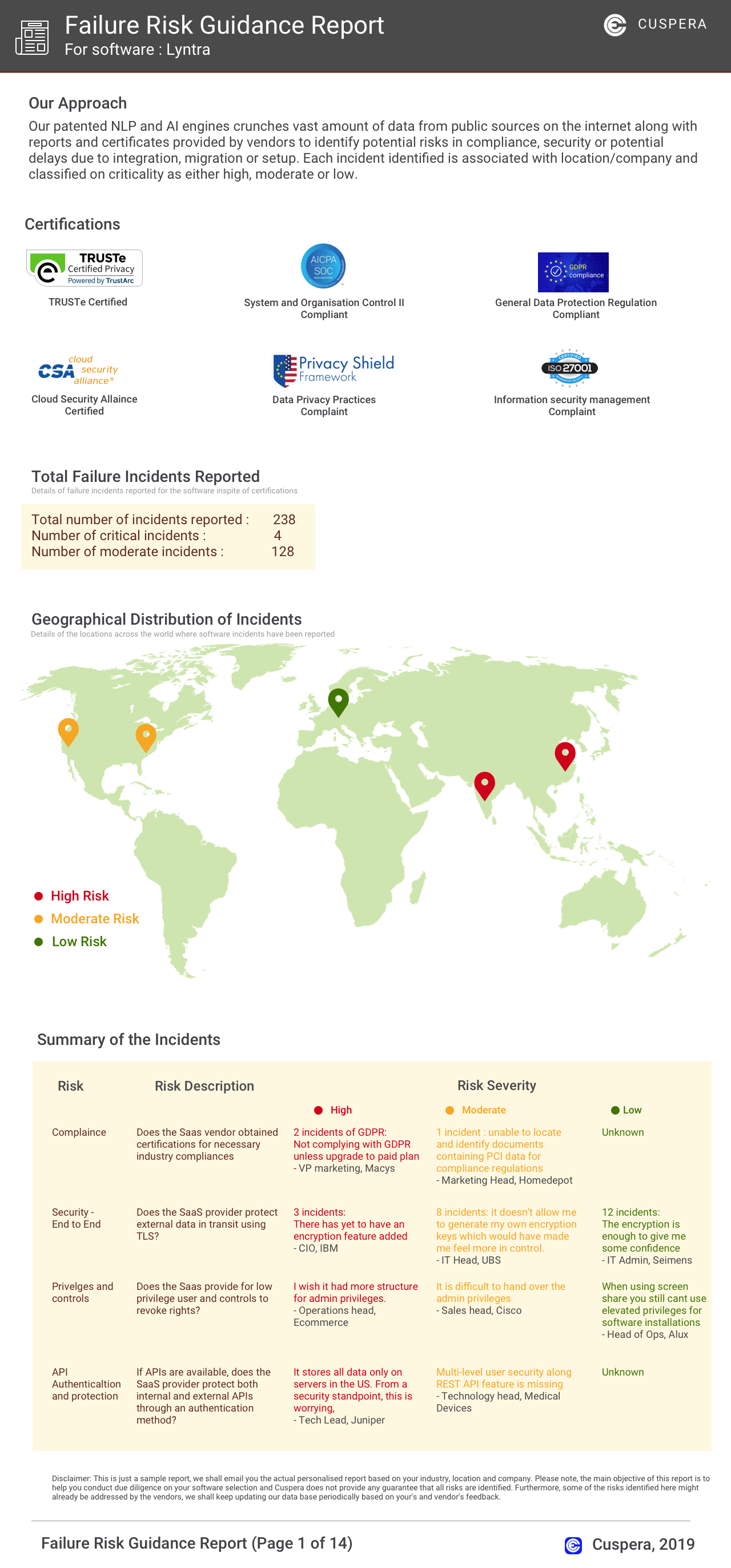
How can Kantata Professional Services Cloud optimize your Social Media Analytics Workflow?
