

Objective ECM Overview
Objective Corporation's digital government software facilitates a complete transition to digital operations for government entities. It ensures that users can work remotely while maintaining secure access to critical information. This software emphasizes governance and security, providing solutions like external file sharing, product disclosure management, and electronic plan review. It supports planning, consultation, and compliance, fostering trust and accountability within communities. By focusing on conservation and environment, it aligns governmental processes with sustainable practices. This suite of tools is designed to enhance transparency and efficiency in public sector operations, contributing to stronger community outcomes.
Use Cases
Customers recommend Collaboration, Content Management, Workflow Management, as the business use cases that they have been most satisfied with while using Objective ECM.
Business Priorities
Scale Best Practices and Improve Visibility are the most popular business priorities that customers and associates have achieved using Objective ECM.
Objective ECM Use-Cases and Business Priorities: Customer Satisfaction Data
Objective ECM's features include Recording, Live Monitoring, Dashboard, etc. and Objective ECM support capabilities include 24/7 Support, Chat Support, Email Support, etc. also Objective ECM analytics capabilities include Custom Reports, and Analytics.
Reviews
"...Objective's enterprise content management applications are engineered to provide customers with ease of use and ensure scalability, security, availability and flexibility to meet business requirements...." Peer review
Peer review evidence (same sources as the product rating summary)
"...The National Blood Authority needed a collaboration platform that was secure, auditable and would integrate into Content Manager...." Objective Corporation
"...Objective Corporation (ASX:OCL) today announced that West Lothian Council, Scotland has selected Objective ECM 10 as its next generation Enterprise Content Management...." News
"...Objective ECM and Workflow helps secure corporate information and streamline business processes at Barwon Water...." Customer Stories
Objective ECM, Strapi, DialogsCMS, AgilityCMS, Adobe Creative Cloud, etc., all belong to a category of solutions that help Content Management Systems. Each of them excels in different abilities. Therefore, determining the best platform for your business will depend on your specific needs and requirements.
Objective Nexus offers cloud-based records compliance and enterprise information management. Process automation is seamlessly integrated for enhanced efficiency.
Objective ECM Customer wins, Customer success stories, Case studies
How efficiently Does Objective ECM manage your Collaboration?
How does Objective ECM facilitate Content Management?
Why is Objective ECM the best choice for Workflow Management?
Why is Objective ECM the best choice for Communication Management?
What solutions does Objective ECM provide for Lead Tracking?
Dept. Primary Industries and Regions, South Australia - Government Administration - Large
Frequently Asked Questions (FAQ)
What buyers ask before choosing Objective ECM
Integrations What CRM integrations are available with Objective ECM?
Objective ECM primarily focuses on information governance and enterprise content management, and while it does not explicitly list CRM integrations, it is designed to work seamlessly within the Microsoft 365 ecosystem, which includes tools like Microsoft Teams, Outlook, SharePoint, and OneDrive. This integration allows for enhanced collaboration and governance across various business processes. For organizations looking to integrate CRM functionalities, Objective ECM can complement existing systems by maintaining a single source of truth and ensuring accurate metadata management. Additionally, users can explore integrations with platforms like Salesforce or HubSpot through custom solutions or third-party connectors, enabling a more comprehensive approach to managing customer relationships alongside document and information governance.
Integrations How does Objective ECM connect to Microsoft Teams and SharePoint?
Objective ECM connects to Microsoft Teams and SharePoint by providing seamless integration that enhances information governance and collaboration within the Microsoft 365 suite. Through Objective GOV365, organizations can ensure that all content created or shared in Teams is captured as a corporate record, maintaining compliance with regulatory requirements. This integration allows users to collaborate effortlessly while ensuring that documents and conversations are automatically filed in the correct locations within Objective ECM, preserving metadata accuracy. Additionally, features like two-way synchronization with existing file plans ensure that all stakeholders have access to up-to-date information, thereby supporting effective decision-making and governance across departments. This frictionless collaboration empowers users to focus on their tasks without worrying about information loss or governance issues.
Integrations What are the setup steps for integrating Objective ECM with Microsoft 365?
To integrate Objective ECM with Microsoft 365, begin by ensuring you have the necessary licenses for both Objective ECM and Microsoft 365. Next, configure your Objective ECM environment to connect with Microsoft Teams, SharePoint, and OneDrive, which may involve setting up API access and authentication protocols. Utilize the Objective Gov365 solution to establish governance policies that align with your organization's recordkeeping requirements. After that, enable two-way synchronization between Objective ECM and your existing file plan to maintain a single source of truth. Finally, conduct user training sessions to familiarize your team with the integrated system, ensuring they understand how to leverage the co-authoring capabilities and secure external file sharing features. Regularly monitor and audit the integration to ensure compliance and efficiency in information management.
Integrations Can Objective ECM sync data with Salesforce or HubSpot, and how does that work?
Objective ECM does not natively sync data with Salesforce or HubSpot; however, it can integrate with various platforms through custom connectors or middleware solutions. To facilitate data synchronization, organizations can utilize tools like Microsoft Power Automate, which allows for the creation of automated workflows between Objective ECM and these CRM systems. This integration enables seamless data transfer, ensuring that information such as customer records, documents, and metadata are consistently updated across platforms. By leveraging these integrations, businesses can maintain a single source of truth, enhance collaboration, and improve overall efficiency in managing customer relationships while adhering to governance standards.
Integrations What are the limitations of data flow between Objective ECM and external systems?
The data flow between Objective ECM and external systems can face several limitations, primarily related to integration capabilities and data synchronization. While Objective ECM offers robust integration with platforms like Microsoft 365, including Teams and SharePoint, the effectiveness of these integrations can depend on the specific configurations and compatibility of the external systems involved. Additionally, two-way synchronization may not always capture real-time updates, leading to potential discrepancies in data accuracy and governance. Furthermore, external systems may have varying compliance standards, which can complicate the seamless transfer of sensitive information. Organizations must ensure that their external systems align with Objective ECM's governance framework to maintain data integrity and security during the flow of information.
Integrations Is there API access for integrating Objective ECM with other data providers?
Yes, Objective ECM offers API access that facilitates integration with various data providers, enhancing its functionality within your existing information ecosystem. This API capability allows organizations to connect Objective ECM with other systems, ensuring seamless data exchange and interoperability. By leveraging the API, businesses can automate workflows, synchronize data, and maintain a single source of truth across platforms. This integration is particularly beneficial for organizations that utilize multiple software solutions, as it streamlines processes and improves efficiency. Additionally, Objective ECM's compatibility with Microsoft 365 applications, such as SharePoint and Teams, further enhances its integration potential, allowing for a cohesive approach to information governance and management.
Features What does Objective ECM's secure external file sharing feature do?
Objective ECM's secure external file sharing feature enables organizations to collaborate safely with external parties while maintaining strict governance over sensitive information. This feature allows users to share documents securely, ensuring that all shared content adheres to the organization's information security policies before leaving the premises. With two-way synchronization, files received from external sources are automatically filed in the correct location within the existing file plan, ensuring accurate metadata management. This capability is particularly beneficial for local governments and regulated industries that handle confidential records, as it reduces the risk of information breaches and enhances compliance. By providing a user-friendly interface accessible on various devices, Objective ECM facilitates efficient collaboration without compromising security, making it an essential tool for organizations looking to streamline their external communications.
Features How do I configure the two-way synchronization feature in Objective ECM?
To configure the two-way synchronization feature in Objective ECM, start by accessing the administration settings within the Objective ECM interface. Navigate to the synchronization settings and select the relevant file plan you wish to synchronize. Ensure that the metadata fields are correctly mapped to maintain accuracy during the synchronization process. Next, enable the two-way sync option, which allows updates made in either Objective ECM or the external file source to reflect in real-time. After configuring these settings, test the synchronization by making changes in both systems to confirm that files are automatically filed in the correct locations and that metadata remains consistent. Finally, monitor the synchronization logs for any errors or issues to ensure smooth operation. This feature enhances collaboration and maintains a single source of truth across your organization.
Features What functionalities does the audit and reporting feature in Objective ECM provide?
The audit and reporting feature in Objective ECM provides comprehensive functionalities designed to enhance compliance and decision-making. It includes powerful reporting capabilities that allow organizations to meet key performance indicators (KPIs) and statutory reporting requirements effectively. Users can access detailed dashboards that offer real-time insights into processing jobs, enabling better workload management. The system generates a digital audit trail, ensuring that all actions are accurately recorded and easily accessible for compliance purposes. Additionally, it automates policy enforcement and tracks file access, which is crucial for maintaining auditability. This robust functionality not only supports transparency and accountability but also helps organizations adhere to regulatory obligations, making it an essential tool for effective information governance.
Features How can I use the built-in workflows in Objective ECM to improve team collaboration?
You can enhance team collaboration using the built-in workflows in Objective ECM by streamlining processes and ensuring everyone is aligned on project tasks. Start by utilizing the unified workflows feature, which allows team members to collaborate on development application assessments, manage referrals, and compile compliance checklists seamlessly. By integrating Objective ECM with your existing systems, such as Microsoft Teams, you can facilitate real-time communication and document sharing, ensuring that all team members have access to the latest information. Additionally, the automatic filing of documents and accurate metadata management helps maintain a single source of truth, reducing the risk of miscommunication. This frictionless collaboration not only improves efficiency but also fosters transparency and accountability within your team, ultimately leading to better project outcomes.
Features What does the management dashboard in Objective ECM show about my processes?
The management dashboard in Objective ECM provides a comprehensive overview of your processes, enabling you to track progress and performance effectively. It displays key metrics related to your workflows, such as the current phase of each process, completion rates, and any bottlenecks that may be hindering efficiency. This visibility allows managers to identify areas for improvement and ensure that tasks are progressing as planned. Additionally, the dashboard records every edit, review, and approval, ensuring compliance and governance throughout the content lifecycle. By utilizing the management dashboard, organizations can enhance transparency, streamline operations, and ultimately drive better decision-making in their information management practices.
Features How do I automate processes using Objective ECM to enhance efficiency?
To automate processes using Objective ECM and enhance efficiency, start by identifying the specific workflows that can benefit from automation, such as document approvals or information routing. Utilize the built-in automation features within Objective ECM to create streamlined workflows that capture and route documents automatically, ensuring that all actions are recorded for compliance and transparency. Leverage integration capabilities with Microsoft 365 tools like Teams and SharePoint to facilitate collaboration and co-authoring, which can further speed up processes. Additionally, set up management dashboards to monitor the status of automated tasks and identify any bottlenecks in real-time. By implementing these steps, you can significantly reduce manual effort, improve accuracy, and accelerate your overall operational efficiency.
ROI & pricing What measurable business outcomes can I expect from implementing Objective ECM?
Implementing Objective ECM can lead to several measurable business outcomes that enhance operational efficiency and information governance. Organizations can expect improved document management, resulting in reduced time spent searching for files and increased productivity among employees. The robust record management capabilities ensure compliance with regulatory requirements, minimizing the risk of legal issues and associated costs. Additionally, the integration with Microsoft 365 tools like Teams and SharePoint facilitates seamless collaboration, allowing teams to work more effectively across locations. With features like two-way synchronization and secure external file sharing, businesses can maintain a single source of truth, ensuring that all stakeholders have access to accurate and up-to-date information. Overall, these improvements can lead to lower operational costs, enhanced decision-making, and a stronger competitive position in the market.
ROI & pricing How does Objective ECM contribute to cost savings and improved revenue for organizations?
Objective ECM contributes to cost savings and improved revenue for organizations by streamlining information management and enhancing operational efficiency. By automating processes and ensuring robust record management, businesses can reduce manual labor and minimize errors, leading to lower operational costs. The platform's ability to maintain a single source of truth through two-way synchronization ensures that all team members have access to accurate and up-to-date information, which enhances decision-making and productivity. Additionally, Objective ECM's integration with Microsoft 365 tools like Teams and SharePoint facilitates seamless collaboration, allowing teams to work more effectively across locations and time zones. This improved collaboration can lead to faster project completion and better service delivery, ultimately driving revenue growth. By leveraging these capabilities, organizations can achieve significant financial benefits while maintaining compliance and governance standards.
ROI & pricing What are the different pricing plans available for Objective ECM, and what do they include?
Objective ECM offers flexible pricing plans tailored to meet the diverse needs of organizations. The basic plan is designed for individuals and small teams, priced at AUD $1,050 per single user license annually. This plan includes essential features for effective enterprise content management, such as robust record management, process automation, and secure external file sharing capabilities. For larger organizations or those requiring more advanced functionalities, additional user licenses can be purchased, allowing for scalability as your team grows. Each plan ensures that users can maintain a single source of truth with two-way synchronization, keeping all stakeholders updated and ensuring accurate metadata management. For specific pricing details or to explore customized options, potential users are encouraged to contact Objective Corporation directly.
ROI & pricing What is the total cost of ownership for using Objective ECM over time?
The total cost of ownership (TCO) for using Objective ECM over time encompasses several factors, including initial licensing fees, ongoing maintenance costs, and potential expenses related to training and support. Objective ECM offers pricing plans tailored to various organizational needs, starting at AUD $1,050 per single user license annually. Additionally, organizations should consider costs associated with integrating Objective ECM into their existing systems, such as Microsoft 365 applications like Teams and SharePoint, which can enhance functionality but may incur further expenses. Over time, the TCO can be offset by the efficiencies gained through improved information governance, streamlined processes, and reduced risks associated with information management, ultimately leading to significant cost savings and better decision-making capabilities.
ROI & pricing How quickly can I expect to see value from implementing Objective ECM in my organization?
The timeline for realizing value from implementing Objective ECM in your organization can vary based on several factors, including the complexity of your existing systems and the specific use cases you aim to address. Generally, organizations can start seeing benefits within a few weeks to a few months after deployment, particularly in areas such as improved information governance, streamlined workflows, and enhanced collaboration. Objective ECM integrates seamlessly with platforms like Microsoft 365, including Teams and SharePoint, which can accelerate user adoption and facilitate immediate improvements in document management and sharing. Additionally, Objective offers a complimentary Value Discovery Session to help you articulate the solution's benefits to stakeholders, ensuring that you build a strong business case for your initiative and maximize the value derived from the software.
ROI & pricing What are the implementation costs associated with deploying Objective ECM?
The implementation costs associated with deploying Objective ECM can vary based on several factors, including the size of your organization, the number of user licenses required, and any specific customization or integration needs. Typically, organizations can expect to pay around AUD $1,050 per single user license annually, which can add up depending on the total number of users. Additional costs may arise from necessary integrations with existing systems, such as Microsoft 365 applications like Teams, SharePoint, or Outlook, as well as any training or support services needed during the transition. It's advisable to conduct a thorough assessment of your organization's requirements and consult with Objective's sales team to obtain a tailored quote that reflects your specific implementation needs and goals.
Capabilities What can Objective ECM do for enterprise content management?
Objective ECM is a comprehensive solution for enterprise content management that streamlines information management through robust record management and powerful process automation. It enables organizations to maintain a single source of truth by ensuring two-way synchronization with existing file plans, automatically filing documents in the correct locations and keeping metadata accurate. With features like secure external file sharing, users can collaborate seamlessly while extending governance across their information ecosystem, including integration with Microsoft 365 tools such as Teams, Outlook, and SharePoint. Objective ECM enhances process transparency, improves decision-making efficiency, and provides a user-friendly experience across devices, making it an essential tool for organizations looking to maximize the value of their corporate knowledge and ensure compliance with governance standards.
Capabilities Can Objective ECM ensure compliance across all information sources?
Yes, Objective ECM can ensure compliance across all information sources, both digital and physical, by implementing robust information governance practices throughout your organization. With its capabilities, Objective ECM integrates seamlessly with platforms like Microsoft 365, including Microsoft Teams, Outlook, SharePoint, and OneDrive, allowing for frictionless collaboration while maintaining strict governance policies. This ensures that all records are managed according to compliance standards without burdening end-users, enabling them to focus on their tasks efficiently. Additionally, Objective ECM provides a comprehensive view of all information, ensuring that governance policies are consistently applied across various applications and data sources, thereby creating a sustainable transformation in your information management practices.
Capabilities Does Objective ECM support secure external file sharing?
Yes, Objective ECM supports secure external file sharing through its integration with Objective Connect. This solution is specifically designed for government and regulated industries, ensuring that sensitive information is shared securely while maintaining compliance with internal policies and regulatory requirements. With Objective Connect, users can collaborate with external parties without compromising data security, as it employs a zero-trust network access model and captures every action in a tamper-proof audit trail. Additionally, files shared externally are automatically filed in the correct location within the existing file plan, ensuring that metadata remains accurate and up-to-date. This seamless integration allows organizations to extend their governance framework while facilitating efficient collaboration across departments and with external stakeholders.
Capabilities Can Objective ECM automate data workflows for ESG reporting?
Yes, Objective ECM can automate data workflows for ESG reporting by integrating seamlessly with various data sources and systems, including Microsoft 365 applications like Teams, Outlook, and SharePoint. This automation helps organizations streamline the collection and management of ESG data, reducing manual entry errors and ensuring compliance with evolving regulations. By leveraging Objective ECM's capabilities, businesses can efficiently snapshot and time-stamp data at the point of disclosure, which is crucial for accurate reporting. Additionally, the platform supports collaboration among stakeholders, allowing for real-time input and tracking throughout the document lifecycle. This results in a more efficient ESG reporting process, ultimately saving time and reducing costs associated with compliance and disclosure management.
Capabilities What features does Objective ECM offer for record management?
Objective ECM offers a comprehensive suite of features for effective record management, ensuring that organizations can capture, store, and manage records securely and efficiently. Key functionalities include robust process automation, which streamlines workflows and enhances operational efficiency, and two-way synchronization with existing file plans to maintain a single source of truth. This ensures that all records are accurately filed and that metadata remains up-to-date. Additionally, Objective ECM supports secure external file sharing, allowing organizations to collaborate with external parties while maintaining governance. The platform also integrates seamlessly with Microsoft 365 applications like Teams, Outlook, SharePoint, and OneDrive, enabling frictionless collaboration and governance across the information ecosystem. Overall, these features empower businesses to manage the complete records lifecycle, from creation to disposal, while ensuring compliance and enhancing decision-making capabilities.
Capabilities Does Objective ECM provide integration with Microsoft Teams for governance?
Yes, Objective ECM provides robust integration with Microsoft Teams to enhance governance and ensure compliance with regulatory requirements. Through the Objective GOV365 solution, organizations can confidently use Microsoft Teams while knowing that all information and context are captured as corporate records. This integration allows for frictionless collaboration, enabling users to work seamlessly within Teams while maintaining strict information governance. Additionally, Objective ECM supports features such as controlled collaborative authoring and automated record management, ensuring that all files, conversations, and actions within Teams are accurately documented and easily retrievable. This integration not only streamlines workflows but also reinforces the organization's commitment to effective information governance across the Microsoft 365 suite.
Use cases How can SDRs use Objective ECM to enhance their information management during client outreach?
Sales Development Representatives (SDRs) can leverage Objective ECM to enhance their information management during client outreach by utilizing its robust record management and process automation features. By integrating Objective ECM with tools like Microsoft Teams and Outlook, SDRs can ensure that all client interactions and documents are securely stored and easily accessible, maintaining a single source of truth. This integration allows for two-way synchronization with existing file plans, ensuring that all relevant metadata is accurate and up-to-date. Additionally, SDRs can utilize the platform's capabilities for external file sharing, enabling them to securely send documents to clients while adhering to governance standards. This streamlined approach not only improves efficiency but also enhances compliance and collaboration, ultimately leading to more effective client engagement.
Use cases What are the best practices for marketers to implement Objective ECM in their content governance workflows?
To effectively implement Objective ECM in content governance workflows, marketers should start by establishing clear governance policies that define roles, responsibilities, and processes for content creation and management. Utilizing Objective ECM's robust record management features, marketers can automate review and approval processes, ensuring compliance and reducing manual errors. It's essential to maintain a single source of truth by synchronizing content with existing file plans, which helps keep metadata accurate and accessible. Additionally, leveraging built-in templates for print and HTML documents can streamline branding efforts while ensuring compliance with regulatory standards. Regular training sessions for team members on using Objective ECM effectively will enhance user adoption and ensure that everyone is aligned with governance practices, ultimately leading to more efficient and compliant content workflows.
Use cases In what scenarios should RevOps teams leverage Objective ECM for effective data governance across Microsoft 365?
RevOps teams should leverage Objective ECM for effective data governance across Microsoft 365 in scenarios where maintaining compliance and ensuring data integrity are critical. This includes environments where sensitive information is shared and collaborated on within Microsoft Teams, Outlook, SharePoint, or OneDrive. Objective ECM provides robust record management and governance capabilities that automatically capture and organize data, ensuring that all information is retained as a corporate record. Additionally, when organizations require seamless integration with existing workflows and need to automate processes for efficiency, Objective ECM can enhance collaboration while safeguarding data. By implementing Objective ECM, RevOps teams can confidently manage their information ecosystem, ensuring that all data is accurate, accessible, and compliant with regulatory requirements.
Use cases How can sales leaders utilize Objective ECM to ensure compliance and security while sharing documents with external partners?
Sales leaders can utilize Objective ECM to ensure compliance and security while sharing documents with external partners by leveraging its robust record management and secure external file sharing capabilities. With Objective ECM, documents shared with external parties inherit the organization's records management policies, ensuring that compliance is maintained through automatic policy enforcement and comprehensive audit trails. This zero trust architecture allows for secure collaboration while keeping sensitive information protected. Additionally, the two-way synchronization feature ensures that all files are accurately filed and up to date, maintaining a single source of truth. By integrating with tools like Microsoft Teams and SharePoint, sales leaders can streamline their document sharing processes while adhering to governance standards, ultimately enhancing collaboration without compromising security.
Use cases What role does Objective ECM play in streamlining collaboration for teams using Microsoft Teams and SharePoint?
Objective ECM plays a crucial role in streamlining collaboration for teams using Microsoft Teams and SharePoint by providing robust information governance and management capabilities. It ensures that all documents and communications within these platforms are captured as corporate records, thereby maintaining compliance with regulatory requirements and internal policies. With features like two-way synchronization, Objective ECM keeps files organized and metadata accurate, allowing users to focus on their collaborative tasks without worrying about information loss. Additionally, it integrates seamlessly with Microsoft 365 applications, enhancing the user experience by automating processes and facilitating secure external file sharing. This frictionless collaboration not only boosts productivity but also retains long-term corporate knowledge, making Objective ECM an essential tool for organizations looking to optimize their teamwork within Microsoft Teams and SharePoint.
Use cases How can organizations adopt Objective ECM to maintain a single source of truth for their information management needs?
Organizations can adopt Objective ECM to maintain a single source of truth for their information management needs by implementing its robust record management and process automation capabilities. To start, businesses should integrate Objective ECM with their existing file plans, ensuring that all documents are automatically filed in the correct locations, which keeps metadata accurate and up-to-date. Utilizing pre-built connectors, organizations can discover and manage content from various information sources, creating a comprehensive view of their data. Additionally, by leveraging features like two-way synchronization, users can ensure that any updates are reflected across all platforms, including Microsoft 365 applications such as Teams and SharePoint. This seamless integration not only enhances collaboration but also ensures compliance with governance policies, allowing users to work efficiently without the burden of manual oversight.
Alternatives What are the best alternatives to Objective ECM for enterprise content management?
When considering alternatives to Objective ECM for enterprise content management, two notable options are Micro Focus Content Manager and M-Files. Micro Focus Content Manager offers robust record management and process automation capabilities, ensuring compliance and governance across various information ecosystems. M-Files, on the other hand, emphasizes metadata-driven document management, allowing users to find and manage content based on what it is rather than where it’s stored, which can enhance productivity and collaboration. Both solutions provide features that support secure file sharing, integration with popular platforms like Microsoft 365, and advanced search functionalities, making them strong contenders for organizations seeking effective content management solutions. Ultimately, the choice will depend on specific business needs, existing infrastructure, and user preferences.
Alternatives How does Objective ECM compare to Micro Focus Content Manager in terms of information governance?
Objective ECM and Micro Focus Content Manager both provide robust solutions for information governance, but they cater to different organizational needs. Objective ECM emphasizes seamless integration with Microsoft 365 applications, enabling frictionless collaboration while ensuring governance is applied automatically in the background. This allows users to work efficiently without worrying about compliance issues. In contrast, Micro Focus Content Manager focuses on comprehensive record management and process automation, offering a strong framework for managing both digital and physical records. While both solutions ensure compliance and governance, Objective ECM may be more suitable for organizations heavily invested in the Microsoft ecosystem, whereas Micro Focus Content Manager might appeal to those seeking a more traditional, standalone record management approach. Ultimately, the choice depends on the specific governance requirements and existing infrastructure of the organization.
Alternatives What are the key differentiators between Objective ECM and SharePoint for document management?
Objective ECM and SharePoint both serve as document management solutions, but they have distinct differentiators. Objective ECM focuses on robust information governance and record management, ensuring compliance and security across an organization’s information ecosystem, particularly in regulated environments. It offers seamless integration with Microsoft 365 applications like Teams and Outlook, enhancing collaboration while maintaining governance. In contrast, SharePoint is more versatile for general collaboration and content sharing, allowing users to create sites and manage documents in a more flexible manner. However, SharePoint may require additional configurations for compliance and governance, which Objective ECM inherently provides. Ultimately, the choice between the two depends on an organization’s specific needs for governance versus collaborative flexibility.
Alternatives Why should I choose Objective ECM over OpenText eDOCS for my organization?
Choosing Objective ECM over OpenText eDOCS can provide your organization with distinct advantages, particularly in the realm of information governance and process automation. Objective ECM offers seamless integration with Microsoft 365 applications like Teams, Outlook, and SharePoint, ensuring that your team can collaborate efficiently while maintaining robust governance. With features such as two-way synchronization with existing file plans, Objective ECM ensures that all documents are accurately filed and metadata remains consistent, which enhances decision-making and process transparency. Additionally, Objective ECM is designed with user experience in mind, making it accessible across various devices, which can lead to higher adoption rates among employees. While OpenText eDOCS is a strong contender in document management, Objective ECM's focus on governance and integration with modern collaboration tools may better suit organizations looking for a comprehensive solution in today's hybrid work environment.
Alternatives What are the strengths of Objective ECM compared to iManage Work for record management?
Objective ECM and iManage Work both offer robust record management capabilities, but they excel in different areas. Objective ECM is particularly strong in integrating with Microsoft 365 applications, providing seamless governance across platforms like Teams, Outlook, and SharePoint, which enhances collaboration while ensuring compliance. Its two-way synchronization with existing file plans ensures that records are accurately filed and metadata remains reliable, making it easier for users to access trustworthy information. In contrast, iManage Work is known for its advanced document management features and strong focus on legal and professional services, offering tools tailored for complex document workflows. Ultimately, the choice between Objective ECM and iManage Work will depend on your organization's specific needs, such as the importance of Microsoft integration versus specialized document management functionalities.
Alternatives Objective ECM vs Objective Trapeze: which is better for planning and building teams?
When comparing Objective ECM and Objective Trapeze for planning and building teams, it's essential to consider their specific functionalities. Objective Trapeze is purpose-built for plan examiners and building officials, offering tools designed for reviewing and approving digital applications efficiently, including compliance verification and document annotation. In contrast, Objective ECM focuses on broader content and process management, making it suitable for various organizational needs beyond just planning applications. If your primary goal is to streamline the plan review process with specialized features, Objective Trapeze may be the better choice. However, if your organization requires a more comprehensive content management solution that can handle diverse workflows, Objective ECM could be more advantageous. Ultimately, the decision should align with your team's specific requirements and objectives.
Objective ECM Competitors


Objective ECM Features
- Low
- Medium
- High
| FEATURE | RATINGS AND REVIEWS |
|---|---|
| Custom Reports | Read Reviews (221) |
| Analytics | Read Reviews (70) |
| CAPABILITIES | RATINGS AND REVIEWS |
|---|---|
| Custom Reports | Read Reviews (221) |
| Analytics | Read Reviews (70) |
Objective ECM Integrations
Objective ECM integrates with a wide range of software applications through its robust data import and export capabilities.
Few API Integrations for Objective ECM


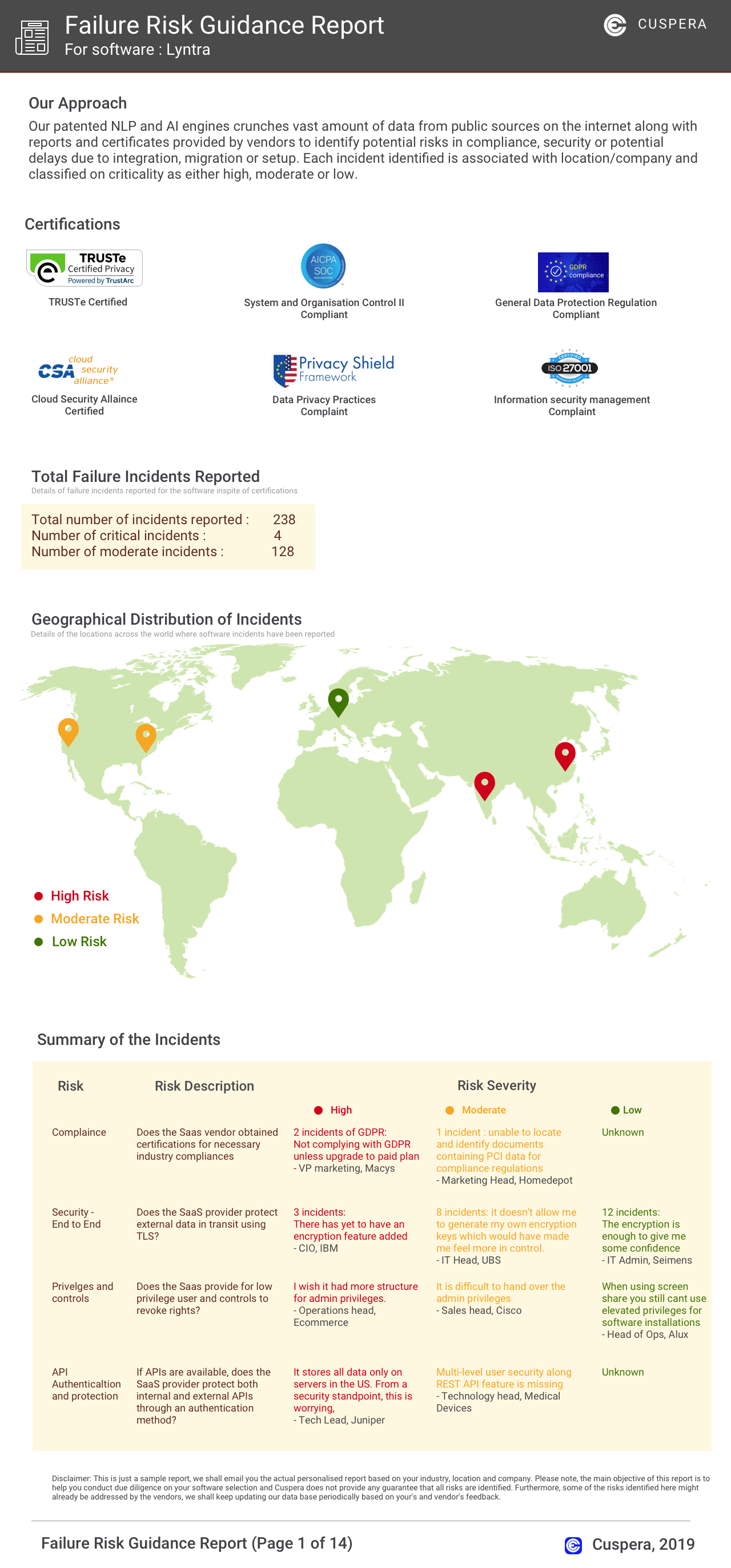
Software Failure Risk Guidance
?for Objective ECM
Overall Risk Meter
Top Failure Risks for Objective ECM
Objective Corporation Limited. News
Objective Corporation to acquire NZ-based govtech rival Isovist
Objective Corporation will acquire New Zealand-based govtech competitor Isovist for NZ$5 million, with NZ$4.25 million paid upfront and NZ$750,000 deferred. The deal aims to integrate Isovists e-planning software, used by over 50 councils in Australia and New Zealand, into Objectives public sector solutions. All Isovist staff will join Objective after the acquisition.
Objective Corporation (ASX:OCL) to Acquire Isovist
Objective Corporation has signed a definitive agreement to acquire Isovist, a provider of GIS-based e-planning solutions for local governments in Australia and New Zealand, for NZ$5 million. This acquisition aims to enhance Objective's capabilities in the Planning and Building sector, integrating AI to improve the e-planning process. Isovist will continue operating with a focus on staff and customer support.
Objective Corporation Limited. Profile
Company Name
Objective Corporation Limited.
Company Website
https://www.objective.com/HQ Location
North Sydney, NSW
Employees
1-10
Social


Financials
SEED