
Overview: Trello and Aha! as Project Management Category solutions.
Trello excels in collaboration and workflow management, making it ideal for large enterprises in software and marketing, while Aha! focuses on product management and customer feedback, appealing to IT and service industries. Trello offers extensive support and integration options, fitting diverse operational needs, whereas Aha! emphasizes best practice scaling with robust privacy features for focused market segments.
Trello: Trello allows teams to manage projects from anywhere by starting boards quickly and automating tasks. Collaboration is seamless, even on mobile devices.
Aha!: Aha! is the world's #1 product development software. Over 1,000,000 product builders trust it to create lovable products and enjoy the process.
Trello and Aha!: Best Use cases based on the customer satisfaction data


Key Capabilities Supported
Trello supports collaboration, workflow management, and communication management, catering to enterprises seeking comprehensive project oversight. read more →
Aha! facilitates products and pricelist management, with engagement and customer feedback management suited for product-driven operations. read more →
Business Goals
Trello aims to enhance internal communications and customer acquisition, aligning well with businesses focused on improving visibility and efficiency. read more →
Aha! helps scale best practices and improve visibility, fitting organizations prioritizing product launches and refined operations. read more →
Core Features
Trello offers custom reports and extensive integrations, supporting diverse business needs with strong analytics capabilities. read more →
Aha! features robust security and privacy alongside custom reporting tools, appealing to those seeking structured data management. read more →
Vendor Support
Trello provides 24/7 support, accommodating enterprises with comprehensive assistance needs. read more →
Aha! offers round-the-clock support to businesses focused on consistency in user assistance. read more →
Segments and Industries
Large enterprises in software and marketing sectors primarily use Trello, reflecting its adaptability to complex organizational structures. read more →
Aha! is favored by enterprises in IT and consumer services, indicating a focus on structured, product-centric companies. read more →
Operational Alignment
Trello smoothly integrates into large-scale operations with its extensive collaboration tools, suiting businesses with comprehensive communication needs. read more →
Aha! aligns with organizations focusing on precise product management and feedback, fitting structured, data-intensive environments. read more →

Applying your context and needs changes the comparison
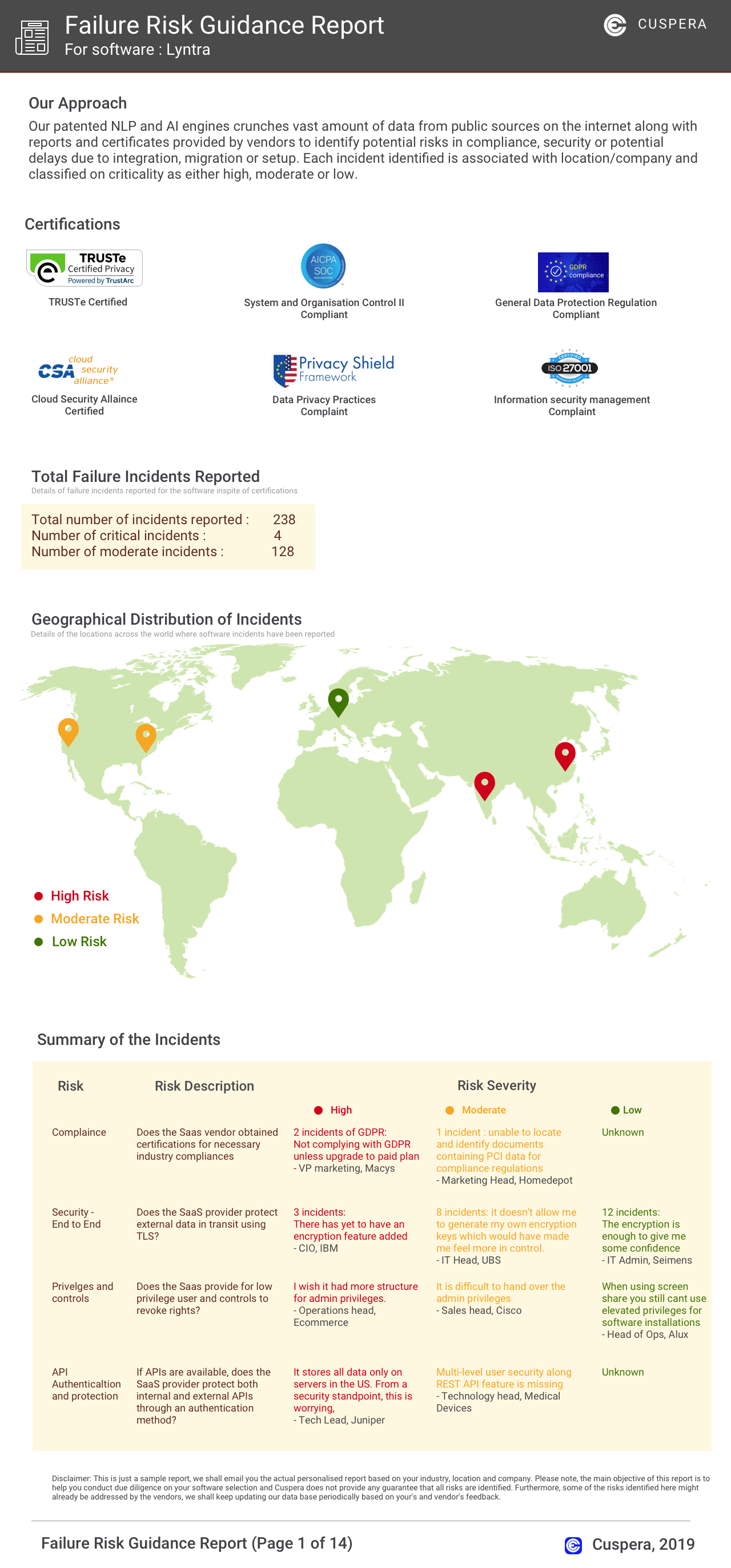
Failure Risk Guidance?
Compliance Risk
{{{rsh_C_1}}}
{{{rsh_C_1}}}
Security & Privacy Risk
{{{rsh_C_1}}}
{{{rsh_C_1}}}
Integration Risk
{{{rsh_C_1}}}
{{{rsh_C_1}}}
Migration Risk
{{{rsh_C_1}}}
{{{rsh_C_1}}}
IT and Other Capabilities
- Low
- Medium
- High
Data
Support
Others
Trello in Action: Unique Use Cases
How can Trello enhance your Collaboration process?
How can Trello enhance your Workflow Management process?
How efficiently Does Trello manage your Engagement Management?
What makes Trello ideal for Communication Management?
Why is Trello the best choice for Training & Onboarding?
Aha! in Action: Unique Use Cases
Why is Aha! the best choice for Products & Pricelist Management?


Integrations
Few Trello Integrations


Few Aha! Integrations


News
Latest Trello News
Bamboo, Confluence & Co.: Atlassian closes 100 security vulnerabilities
Atlassian has addressed 100 security vulnerabilities across its products, including Bitbucket, Confluence, and Jira Service Management. The updates, which include fixes for critical vulnerabilities with CVSS scores of 10, are available immediately. Administrators are advised to install these updates to prevent potential attacks.
Latest Aha! News
Turn Roadmap Plans Into AI-Coded Applications in Aha! Builder
Aha! has integrated Aha! Roadmaps with Aha! Builder, allowing product teams to turn roadmap features into AI-coded applications. This integration enables users to create applications directly from their strategic plans, enhancing the efficiency of product development workflows.