

Qminder Overview
Qminder transforms in-person service experiences by centralizing walk-ins, appointments, and queue management into a single platform. Businesses benefit from reduced wait times, enhancing customer satisfaction and operational efficiency. With an average customer lifetime of 5.3 years, Qminder demonstrates lasting value and reliability. This offline CRM tool is pivotal for service environments aiming to streamline customer flow and reduce costs. A surprising insight is that Qminder helps save over 1,000 hours of waiting time daily for customers, highlighting its significant impact on service delivery.
Use Cases
Customers recommend Engagement Management, Contact List Management, Customer Feedback Management, as the business use cases that they have been most satisfied with while using Qminder.
Business Priorities
Acquire Customers and Enhance Customer Relationships are the most popular business priorities that customers and associates have achieved using Qminder.
Qminder Use-Cases and Business Priorities: Customer Satisfaction Data
Qminder works with different mediums / channels such as Offline. and On Premises.
Qminder's features include Personalization, Alerts: Popups & Notifications, Ticketing, etc. and Qminder support capabilities include 24/7 Support, Phone Support, Email Support, etc. also Qminder analytics capabilities include Analytics, and Custom Reports.
Reviews
"...About Qminder Qminder is a cloud-based queue management system designed to help businesses of all sizes manage waiting rooms, customer engagement, workflows and follow-ups across multiple locations...." Peer review
Peer review evidence (same sources as the product rating summary)
"...Qminder does this by answering the questions of people waiting in line, offering them opportunities to shop and even engage with customer service people to make sure they re prepared when it s their turn...." The products behind 7 of Estonia's international founders
"...A smart queue management system for a contact-free customer experience. ..." Customer service analytics
"...Get instant feedback from you customers as soon as their visit is concluded...." SMS Text Messaging
Qminder, Cayzu Help Desk, Re:amaze, xMatters, Kustomer, etc., all belong to a category of solutions that help Contact Center Software. Each of them excels in different abilities. Therefore, determining the best platform for your business will depend on your specific needs and requirements.
Qminder is a cloud-based queue management system set up in minutes. It provides real-time reports on customer service and employee performance with free support.
Popular Business Setting
for Qminder
Top Industries
- Transportation/Trucking/Railroad
- Manufacturing
- Retail
Popular in
- Enterprise
- Large Enterprise
- Mid Market
Qminder is popular in Transportation/Trucking/Railroad, Manufacturing, and Retail and is widely used by Enterprise, Large Enterprise, and Mid Market.
Qminder Customer wins, Customer success stories, Case studies
What Are the key features of Qminder for Engagement Management?
How can Qminder enhance your Contact List Management process?
How does Qminder address your Customer Feedback Management Challenges?
What benefits does Qminder offer for Workflow Management?
What benefits does Qminder offer for Helpdesk Management?
Qminder Walkthrough - Data Retention Guide

Frequently Asked Questions (FAQ)
What buyers ask before choosing Qminder
Integrations What CRM integrations are available with Qminder?
Qminder offers seamless integrations with various Customer Relationship Management (CRM) systems to enhance visitor context and streamline operations. Specifically, it connects with popular CRMs such as Salesforce and HubSpot, allowing businesses to enrich their customer data and improve service delivery. These integrations facilitate multi-channel customer service across both digital and physical touchpoints, ensuring that your team has access to accurate, real-time information. Additionally, Qminder's open API allows for further customization and integration with other business tools, enabling organizations to automate data flow and eliminate manual updates. This capability not only enhances operational efficiency but also helps maintain alignment across departments, ultimately leading to improved visitor experiences and satisfaction.
Integrations How does Qminder connect to Salesforce and HubSpot?
Qminder connects to Salesforce and HubSpot through its open API and ready-to-use integrations, allowing seamless data flow between your visitor management system and these popular CRM platforms. By integrating with Salesforce, Qminder enables teams to synchronize visitor data, manage appointments, and track interactions directly within their CRM, enhancing customer relationship management. Similarly, the HubSpot integration allows for streamlined marketing efforts by automating follow-ups and capturing visitor insights, which can be used for targeted campaigns. This connectivity not only eliminates manual data entry but also ensures that all departments have access to accurate, real-time information, ultimately improving service delivery and operational efficiency.
Integrations What are the setup steps for integrating Qminder with EMR/EHR systems?
To integrate Qminder with EMR/EHR systems, start by selecting the specific EMR/EHR platform you wish to connect with, such as Epic, Oracle Cerner, Meditech, or Allscripts. Next, access your Qminder account and navigate to the integration settings. Here, you will find options to input your EMR/EHR credentials and configure the necessary API connections. Follow the prompts to authorize Qminder to access your patient data securely. Once connected, you can customize the integration settings to automate patient check-ins, streamline data synchronization, and ensure that relevant patient information is pulled during appointments. Finally, test the integration to verify that data flows correctly between Qminder and your EMR/EHR system, ensuring a seamless experience for both staff and patients.
Integrations How does data flow between Qminder and other scheduling tools?
Data flows seamlessly between Qminder and other scheduling tools through its open API and ready-to-use integrations, allowing businesses to connect their existing tech stack effortlessly. This integration enables the automatic transfer of visitor information, appointment details, and service updates, ensuring that all departments have access to accurate, real-time data. By linking Qminder with Customer Relationship Management (CRM) systems and analytics platforms, organizations can enrich visitor context and enhance multi-channel customer service across both digital and physical touchpoints. This streamlined data flow eliminates manual updates, reduces the risk of errors, and helps maintain alignment across teams, ultimately improving service delivery and operational efficiency.
Integrations Are there any limitations to the API access for Qminder integrations?
Qminder offers an open and well-documented API that allows for extensive integrations with various systems, including CRMs, ERPs, and reporting platforms. While there are no inherent limitations to the API itself, the extent of integration capabilities may depend on the specific third-party tools you are connecting with. Qminder's API facilitates seamless data flow, enabling you to automate updates and maintain alignment across departments. However, users should be aware that certain advanced features or customizations may require additional development resources. Overall, Qminder's API is designed to provide flexibility and ease of use, ensuring that your existing systems can work together effectively without vendor lock-in.
Integrations What is the sync behavior when connecting Qminder with healthcare appointment management systems?
When connecting Qminder with healthcare appointment management systems, the sync behavior is designed to streamline patient check-in and enhance data accuracy. Qminder integrates seamlessly with leading EMR/EHR systems such as Epic, Oracle Cerner, Meditech, and Allscripts, allowing for real-time synchronization of patient data. This means that when a patient arrives for their appointment, Qminder automatically validates their visit, pulls relevant information for the healthcare provider, and updates their status in the scheduling platform without the need for manual entry. This integration reduces the risk of errors, minimizes double data entry, and ensures that healthcare teams have immediate access to the right information, ultimately improving patient flow and service outcomes.
Features What does the customizable workflows feature in Qminder do?
The customizable workflows feature in Qminder allows businesses to tailor their queue management processes without needing developer assistance, making it a user-friendly solution for managing visitor flow. Users can easily control queue logic, naming conventions, and service types through a self-serve interface, which is fully included in the service without any hidden fees or enterprise-only restrictions. This flexibility enables organizations to adapt their workflows to meet specific operational needs, enhancing efficiency and improving the visitor experience. By streamlining appointment scheduling and service delivery, Qminder empowers teams to respond dynamically to changing demands, ultimately leading to better service outcomes and increased satisfaction for both staff and visitors.
Features How do I configure the live dashboards in Qminder to track wait times?
To configure the live dashboards in Qminder for tracking wait times, start by accessing the Qminder dashboard where you can customize the display settings. Adjust the colors to align with your brand and set the number of visitors visible at once, ensuring that up to 21 customer names can be shown. You can also choose which visitor data is displayed for privacy purposes and add custom instructions or rotating messages to guide visitors. Once configured, the dashboard will automatically reflect real-time updates on wait times and visitor statuses, allowing your team to manage queues effectively. This setup not only enhances the customer experience by keeping them informed but also helps your staff monitor service efficiency and make necessary adjustments on the fly.
Features What does the robust analytics feature in Qminder track in real time?
The robust analytics feature in Qminder tracks a variety of real-time metrics that are essential for optimizing visitor management and enhancing customer service. It monitors visitor flow, average wait times, service times, and volumes, as well as no-show rates and daily or hourly visitor counts. This data allows managers and regional managers to make informed decisions by identifying trends and patterns, such as peak traffic hours, which can help in staff allocation and improving service efficiency. Additionally, Qminder provides granular views to pinpoint underperforming locations or service lines, enabling organizations to adapt their strategies proactively. By leveraging these insights, businesses can enhance the overall visitor experience and streamline operations effectively.
Features How do I use the flexible service flow configuration in Qminder?
To use the flexible service flow configuration in Qminder, start by accessing the Location Settings in your Qminder dashboard. Here, you can define various service types, routes, and priorities based on your specific visitor needs. Customize the service paths for walk-ins, appointments, and priority visitors to match your operational workflow. You can easily set up rules for routing customers based on their service type or reason for visit, ensuring that the right team member is assigned based on availability. Additionally, Qminder allows you to adapt these workflows for different environments, such as healthcare or government services, without needing developer assistance. This flexibility not only enhances visitor experience but also improves operational efficiency, allowing your team to manage busy periods effectively.
Features What security measures does Qminder implement to protect data?
Qminder implements a comprehensive security framework to protect data, ensuring a security-by-design approach that includes multiple layers of protection. Their infrastructure utilizes encryption for data in transit and at rest, along with access controls that limit data visibility to authorized personnel only. Qminder is fully compliant with industry standards such as HIPAA, TX-RAMP, SOC 2 Type II, and GDPR, which underscores their commitment to data privacy and security. Regular security audits are conducted to identify and mitigate potential threats, and they also maintain a public bug bounty program to encourage external security assessments. Additionally, Qminder offers Single Sign-On (SSO) for enterprise clients, enhancing user authentication and access management. These measures collectively ensure that users can rely on Qminder to safeguard their sensitive information effectively.
Features How can I export raw data from Qminder to create custom reports?
To export raw data from Qminder for creating custom reports, you can utilize the built-in export functionality available within the platform. Simply navigate to the reporting section of your Qminder dashboard, where you can select the specific data you wish to export, such as visitor statistics, performance metrics, or queue management details. Once you've made your selections, you can export the data in a format compatible with Excel, allowing you to manipulate and analyze it further. Additionally, Qminder supports integration with business intelligence tools like Tableau, Power BI, and Looker, enabling you to create automated dashboards that combine queue metrics with other organizational data for deeper insights. This flexibility ensures you can tailor reports to meet your specific business needs effectively.
ROI & pricing What measurable business outcomes can Qminder provide for my organization?
Qminder provides measurable business outcomes by enhancing service efficiency, reducing wait times, and improving visitor satisfaction. With its robust analytics, organizations can track key performance indicators such as average wait times, service duration, and team load in real time, allowing for data-driven decision-making. By digitizing and automating appointment scheduling, Qminder helps streamline operations, making appointments more predictable and accessible, which can lead to increased customer retention and loyalty. Additionally, the platform's ability to identify bottlenecks and optimize workflows enables teams to deliver better service, ultimately exceeding KPIs. Organizations can also generate detailed performance reports across teams and locations, providing insights that drive continuous improvement and operational excellence.
ROI & pricing How does Qminder help in reducing operational costs and increasing revenue?
Qminder helps reduce operational costs and increase revenue by streamlining visitor management and appointment scheduling, which minimizes wait times and enhances customer satisfaction. By automating processes such as check-ins and appointment bookings, Qminder alleviates the workload on staff, allowing them to focus on providing better service rather than managing queues. The platform's robust analytics provide insights into visitor patterns and team performance, enabling organizations to identify inefficiencies and optimize resource allocation. Additionally, features like customer messaging keep visitors informed, reducing no-shows and improving service predictability. This combination of efficiency and enhanced customer experience not only lowers operational costs but also drives higher revenue through improved service delivery and customer retention.
ROI & pricing What are the different pricing plans available for Qminder, and what do they include?
Qminder offers three main pricing plans: Business, Premium, and Enterprise, each designed to cater to different organizational needs. The Business Plan includes core queue management features, visitor notifications, and basic analytics, making it suitable for growing teams that require efficient day-to-day operations. The Premium Plan builds on this with advanced customization options, enhanced reporting, and additional support features for teams needing more robust functionality. For larger organizations, the Enterprise Plan provides comprehensive solutions tailored to specific use cases, including dedicated support and integration with internal systems and APIs for custom workflows. Each plan is priced based on the number of users and functionalities required, allowing organizations to select the best fit for their operational needs.
ROI & pricing What is the total cost of ownership for implementing Qminder in my business?
The total cost of ownership for implementing Qminder in your business includes the subscription fees for the software, which are tiered based on the number of users and features required, starting from $789 per month for the Business plan to $1,049 for the Premium plan. Additionally, you may incur one-time costs for any necessary hardware, such as iPads for self-check-in kiosks or Apple TVs for displaying waiting lists, which must be purchased separately. While the software itself is designed to be scalable and flexible, the overall investment will depend on your specific setup needs and the scale of your project. For a comprehensive evaluation, our team can assist you in determining the most suitable plan and hardware options for your business.
ROI & pricing How quickly can I expect to see a return on investment after implementing Qminder?
The return on investment (ROI) after implementing Qminder can vary based on several factors, including the scale of your operations and the specific use cases you address. Many organizations report noticeable improvements in customer experience and operational efficiency within weeks of deployment. By digitizing and automating appointment scheduling, reducing wait times, and enhancing visitor management, Qminder helps streamline processes that can lead to increased customer satisfaction and retention. Additionally, the analytics features allow you to evaluate team performance and identify areas for improvement, further optimizing service delivery. With a tiered subscription model and a 14-day free trial, you can assess the impact of Qminder on your business without a significant upfront investment, making it easier to gauge ROI in a relatively short timeframe.
ROI & pricing What cost savings can I anticipate by using Qminder for queue management?
By implementing Qminder for queue management, businesses can anticipate significant cost savings through enhanced operational efficiency and reduced wait times. Qminder streamlines visitor flow and appointment scheduling, allowing teams to manage walk-ins and appointments seamlessly, which minimizes the need for additional staff during peak times. This efficiency leads to shorter wait times, improving customer satisfaction and retention, ultimately driving revenue. Additionally, the analytics provided by Qminder help identify bottlenecks and optimize resource allocation, further reducing operational costs. Clients have reported reductions in wait times by over 50%, translating to more effective use of resources and lower overhead costs. Overall, Qminder not only enhances the visitor experience but also contributes to substantial cost savings for organizations across various industries.
Capabilities What can Qminder do for managing appointments and queues in brick-and-mortar environments?
Qminder is an advanced in-person service platform designed to streamline the management of appointments and queues in brick-and-mortar environments. It allows organizations to digitize and automate appointment scheduling, enabling visitors to book appointments online through a dedicated Visitor website, which enhances accessibility and reduces the workload on service teams. Qminder provides real-time visibility into visitor flow, allowing businesses to prioritize appointments or walk-ins as needed, and offers features like contactless check-in via kiosks or mobile sign-in. Additionally, it integrates seamlessly with other applications, such as CRMs and EMR/EHR systems, to ensure efficient data management and improve service outcomes. By leveraging analytics, Qminder helps organizations identify bottlenecks, optimize staff performance, and ultimately enhance the visitor experience, making it a valuable tool for various industries, including healthcare, government, and retail.
Capabilities Can Qminder support compliance with HIPAA and GDPR for sensitive data management?
Yes, Qminder fully supports compliance with HIPAA and GDPR for sensitive data management. It is designed to meet the highest data privacy and security standards, ensuring that any protected health information (PHI) is handled with the utmost care. Qminder implements strict access controls, allowing only authorized personnel to view and manage sensitive data, and all data is encrypted both in transit and at rest. Additionally, Qminder conducts regular security audits to identify and mitigate potential threats, further enhancing its compliance posture. By signing a Business Associate Agreement with Amazon Web Services (AWS), Qminder ensures that its hosting environment adheres to the necessary regulations, making it a reliable choice for organizations that need to manage sensitive data securely while remaining compliant with HIPAA and GDPR.
Capabilities Does Qminder provide real-time performance data access for managers and staff?
Yes, Qminder provides real-time performance data access for both managers and staff, allowing them to stay informed without needing a laptop. Users can check live performance metrics directly from their phones, which is particularly beneficial during busy periods. The platform offers dashboards that display current wait times, visitor flow, and team performance, enabling staff to make informed decisions on the spot. Additionally, Qminder allows for the export of raw data to Excel, facilitating the creation of custom reports tailored to specific needs. This capability ensures that managers can monitor key performance indicators (KPIs) and adapt strategies to enhance service delivery effectively. Overall, Qminder's real-time data access empowers teams to improve operational efficiency and visitor experiences.
Capabilities Can Qminder help organizations measure service efficiency across multiple teams and locations?
Yes, Qminder can significantly help organizations measure service efficiency across multiple teams and locations. The platform provides data-driven insights that allow businesses to analyze performance metrics such as wait times, service duration, and team load in real time. With aggregated reporting, organizations can identify trends at an organizational level while also drilling down into granular views to spot underperforming locations or service lines. This capability enables regional managers to compare branches from a master view, ensuring that teams can adapt their strategies based on performance data. By leveraging Qminder's robust analytics, organizations can continuously improve service delivery and exceed key performance indicators (KPIs), ultimately enhancing the overall visitor experience.
Capabilities Does Qminder offer enterprise-grade security features to protect visitor data?
Yes, Qminder offers enterprise-grade security features designed to protect visitor data comprehensively. The platform adopts a security-by-design approach, ensuring that all data is encrypted both in transit and at rest. Qminder is fully compliant with stringent regulations such as HIPAA, TX-RAMP, SOC 2 Type II, and GDPR, which underscores its commitment to data privacy and security. Access controls are implemented to restrict data visibility to authorized personnel only, and regular security audits are conducted to identify and mitigate potential threats. Additionally, Qminder provides Single Sign-On (SSO) for enterprise clients, enhancing user authentication and security management. These robust features enable organizations to rely on Qminder with confidence, knowing that their visitor data is well-protected.
Capabilities Can Qminder integrate with existing tech stacks to automate data flow and reporting?
Yes, Qminder can seamlessly integrate with your existing tech stack to automate data flow and enhance reporting capabilities. It features an open API and supports a variety of ready-to-use integrations with popular tools such as CRMs, ERPs, and reporting platforms like Tableau, Power BI, and Looker. This allows organizations to connect their data across systems, eliminating manual updates and ensuring that all departments have access to accurate, real-time information. Additionally, Qminder integrates with calendar systems like Google and Office 365 to prevent overbooking, and with healthcare EMRs/EHRs such as Epic and Cerner for automatic patient data synchronization. By automating these processes, Qminder helps businesses improve efficiency and make data-driven decisions.
Use cases How can SDRs use Qminder to improve visitor flow and reduce wait times during peak hours?
Sales Development Representatives (SDRs) can leverage Qminder to enhance visitor flow and minimize wait times during peak hours by utilizing its real-time service flow tools and self-service check-in options. By configuring service flows tailored to visitor needs, SDRs can prioritize appointments and manage walk-ins effectively, ensuring that visitors are routed to the appropriate services without unnecessary delays. The remote sign-in feature allows customers to check in before arriving, which helps reduce congestion at the front desk. Additionally, Qminder's live dashboards provide SDRs with visibility into current wait times and staff performance, enabling them to identify bottlenecks and make informed decisions to optimize the visitor experience. This streamlined approach not only improves efficiency but also enhances customer satisfaction during busy periods.
Use cases What are the best practices for marketers to leverage Qminder's data insights for enhancing customer experience?
To enhance customer experience using Qminder's data insights, marketers should focus on analyzing visitor traffic patterns, wait times, and service efficiency metrics. Start by reviewing peak traffic hours and average handling times to identify bottlenecks and optimize staffing accordingly. Utilize the aggregate data from visitor check-ins to tailor marketing strategies and improve service delivery, ensuring that customer needs are met effectively. Implement targeted messaging based on visitor profiles to keep customers informed and engaged, such as sending alerts when it's time to return. Additionally, leverage performance reports to assess team effectiveness and make data-driven decisions that align with customer expectations. By continuously monitoring and adapting strategies based on Qminder's insights, marketers can create a more personalized and efficient customer experience.
Use cases In what scenarios should RevOps teams implement Qminder to streamline service delivery across multiple locations?
RevOps teams should implement Qminder in scenarios where they need to enhance service delivery across multiple locations, particularly in environments with high visitor traffic, such as healthcare facilities, government offices, or retail spaces. Qminder's queue management system allows teams to digitize and automate appointment scheduling, enabling visitors to book appointments online and reducing wait times. Additionally, its analytics capabilities provide real-time data and reports, helping teams identify bottlenecks and optimize staffing based on peak hours. The platform's open API facilitates seamless integration with existing CRMs, ERPs, and calendar systems, ensuring that all locations operate cohesively. By leveraging Qminder, RevOps teams can improve visitor experiences, streamline operations, and maintain high service standards across diverse service lines and locations.
Use cases How can sales leaders utilize Qminder to monitor staff performance and optimize customer interactions?
Sales leaders can utilize Qminder to effectively monitor staff performance and optimize customer interactions through its comprehensive analytics and reporting features. By accessing live performance data via the service dashboard, leaders can track key metrics such as waiting and serving times, visitor counts, and staff efficiency in real-time. Qminder allows for the generation of daily, weekly, and monthly performance reports, enabling sales leaders to identify trends and pinpoint underperforming locations or service lines. Additionally, the system's customer messaging feature facilitates direct communication with visitors, allowing staff to address concerns promptly and enhance the overall customer experience. By leveraging these insights, sales leaders can make informed decisions to improve service delivery and ultimately drive better business outcomes.
Use cases What specific workflows in regulated industries like healthcare can benefit from using Qminder's queue management system?
Qminder's queue management system is particularly beneficial for various workflows in regulated industries like healthcare by enhancing patient flow and improving overall service delivery. For instance, it streamlines the patient check-in process, allowing for smoother transitions from waiting rooms to examinations, which reduces anxiety and enhances patient satisfaction. Additionally, Qminder enables healthcare teams to manage appointments and walk-ins efficiently, ensuring that patients receive timely updates via SMS about their status in the queue. This system also supports compliance with regulations such as HIPAA by safeguarding sensitive patient information while providing data-driven insights to optimize service efficiency. By integrating with existing healthcare systems, Qminder helps organizations maintain a high standard of care while minimizing wait times and improving the overall patient experience.
Use cases How can teams effectively adopt Qminder to manage visitor check-ins and appointments in a high-traffic environment?
To effectively adopt Qminder for managing visitor check-ins and appointments in a high-traffic environment, teams should start by integrating the platform with their existing systems, ensuring seamless data flow and real-time updates. Begin by setting up a dedicated Visitor website where visitors can easily schedule appointments and join virtual waitlists. Utilize Qminder's self-service check-in kiosks to streamline the check-in process, reducing bottlenecks. Implement customer messaging features to keep visitors informed about their status and expected wait times, enhancing their experience. Regularly analyze performance metrics through Qminder’s analytics tools to identify peak traffic hours and optimize staffing accordingly. Training staff on the platform's features will also ensure they can efficiently manage both scheduled appointments and walk-ins, ultimately creating a smoother, more organized visitor experience.
Alternatives What are the key differences between Qminder and QLess for queue management?
Qminder and QLess both serve as queue management systems, but they cater to different user needs and operational scales. Qminder is designed for teams, emphasizing ease of use, quick deployment, and minimal onboarding, making it ideal for organizations that want a straightforward solution without hidden fees. In contrast, QLess is tailored more for administrative users and can become complex as operations grow, which may lead to challenges in usability. Qminder offers robust analytics, customizable workflows, and a staff-friendly interface, allowing teams to manage visitor flow and service outcomes effectively. Additionally, Qminder integrates seamlessly with existing tech stacks, enhancing overall operational efficiency. Ultimately, while QLess may suffice for basic queue management, Qminder provides a more comprehensive solution for organizations looking to scale and improve their visitor experience.
Alternatives Why should I choose Qminder over Qmatic for my queue management needs?
Choosing Qminder over Qmatic for your queue management needs offers several advantages tailored to enhance team efficiency and visitor experience. Qminder is designed with a focus on real-world usability, making it fast to deploy and easy to learn, which minimizes onboarding time and complexity. Unlike Qmatic, which may cater more to administrative functions, Qminder prioritizes the needs of service teams, allowing for seamless visitor flow management, appointment scheduling, and real-time analytics. Additionally, Qminder integrates smoothly with existing systems, including CRM platforms, ensuring a cohesive tech stack that supports multi-channel customer service. This flexibility and user-centric approach empower teams to exceed KPIs and deliver exceptional service, making Qminder a compelling choice for businesses looking to optimize their queue management processes.
Alternatives What makes Qminder a better alternative to QLess for managing visitor experiences?
Qminder is often considered a better alternative to QLess for managing visitor experiences due to its user-centric design and comprehensive feature set that goes beyond basic queue management. While QLess focuses primarily on waitlists, Qminder offers a robust in-person service platform that empowers teams with total control over visitor flow, team performance, and service outcomes. Qminder is designed for quick deployment and ease of use, eliminating the lengthy onboarding processes associated with QLess. Additionally, Qminder provides actionable insights and smarter tools that help organizations identify bottlenecks and enhance the overall visitor experience. This makes it particularly appealing for teams looking to scale their operations while maintaining high service standards, as evidenced by its adoption in various sectors like healthcare, government, and retail.
Alternatives How does Qminder compare to Qmatic in terms of user experience and setup speed?
When comparing Qminder to Qmatic in terms of user experience and setup speed, Qminder stands out for its intuitive design and rapid deployment capabilities. Qminder is built with teams in mind, offering a user-friendly interface that simplifies the management of visitor flow and service outcomes, making it easier for staff to adapt without extensive training. In contrast, Qmatic may involve a more complex setup process, which can lead to longer onboarding times. Qminder's self-serve customization options allow users to control queue logic and service types without needing developer assistance, further enhancing the user experience. Overall, Qminder provides a more streamlined and efficient solution for organizations looking to improve their visitor management processes quickly and effectively.
Alternatives What are the advantages of switching from QLess to Qminder for my team?
Switching from QLess to Qminder offers several advantages for your team, primarily centered around ease of use and enhanced functionality. Qminder is designed with teams in mind, providing a user-friendly interface that simplifies deployment and minimizes onboarding time, allowing your staff to focus on service rather than navigating complex systems. Unlike QLess, Qminder offers customizable workflows that are self-serve and included without hidden fees, enabling teams to tailor the system to their specific needs. Additionally, Qminder provides robust analytics and real-time reporting, empowering teams to track key metrics like wait times and service durations effortlessly. This comprehensive approach not only improves visitor experiences but also enhances team performance, making Qminder a superior choice for organizations looking to streamline operations and exceed service expectations.
Alternatives What features set Qminder apart from other queue management systems like Qmatic and QLess?
Qminder distinguishes itself from other queue management systems like Qmatic and QLess through its user-centric design and comprehensive feature set tailored for team efficiency and visitor satisfaction. Unlike QLess, which is primarily admin-focused, Qminder is built for teams, offering fast deployment, ease of use, and minimal onboarding time. It provides a seamless visitor experience with features such as online appointment scheduling, remote sign-in, and real-time queue management, all integrated into a single interface. Additionally, Qminder's robust analytics capabilities allow teams to gain actionable insights into visitor flow and service outcomes, enabling them to optimize performance and exceed KPIs. This focus on enhancing both team workflows and visitor experiences sets Qminder apart in the competitive landscape of queue management solutions.
Qminder Competitors


Qminder Features
- Low
- Medium
- High
| FEATURE | RATINGS AND REVIEWS |
|---|---|
| Analytics | Read Reviews (41) |
| Custom Reports | Read Reviews (94) |
| CAPABILITIES | RATINGS AND REVIEWS |
|---|---|
| Analytics | Read Reviews (41) |
| Custom Reports | Read Reviews (94) |
Qminder Integrations
Qminder integrates with a wide range of software applications through its robust data import and export capabilities.


Few API Integrations for Qminder


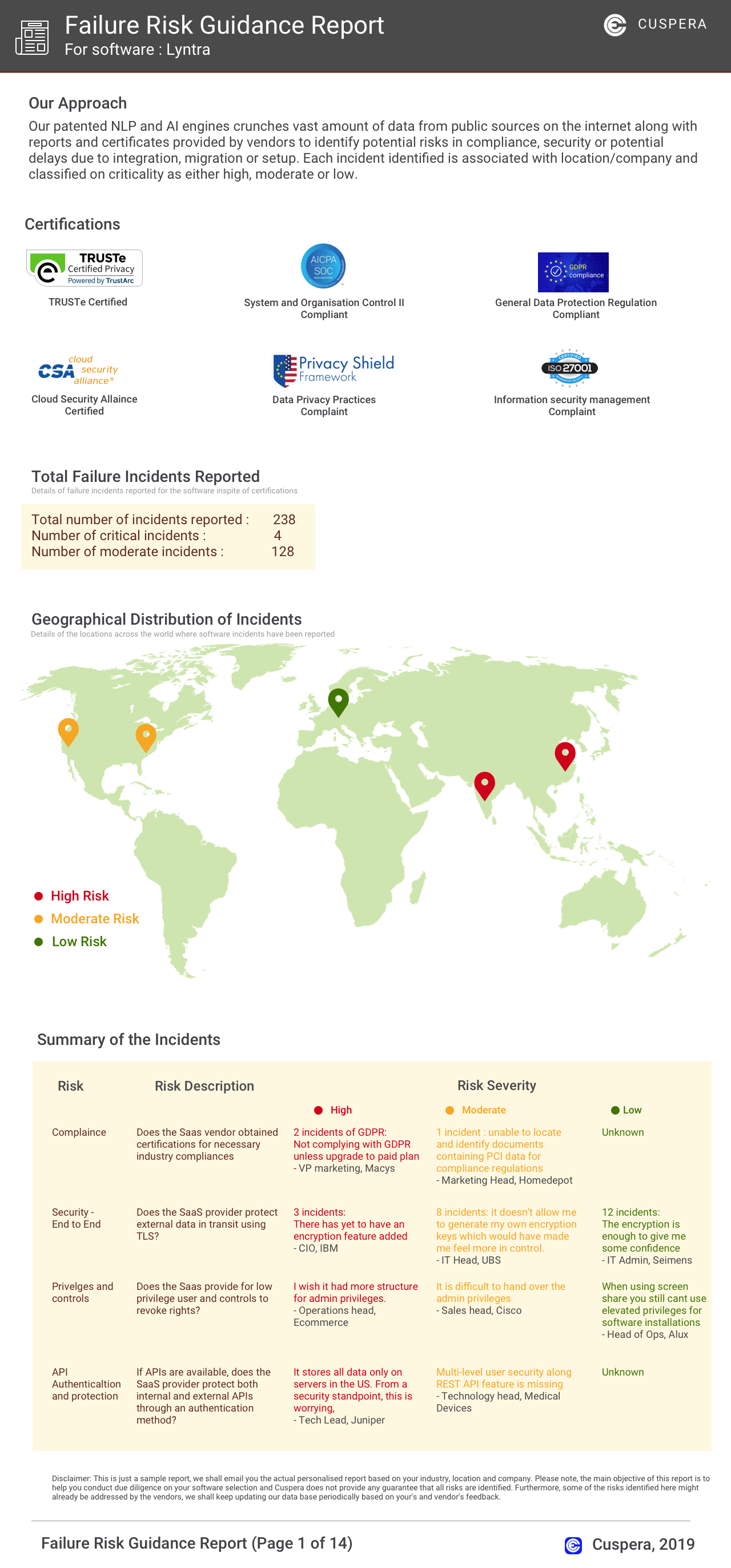
Software Failure Risk Guidance
?for Qminder
Overall Risk Meter
Top Failure Risks for Qminder
Qminder Limited Profile
Company Name
Qminder Limited
Company Website
https://www.qminder.com/HQ Location
20-22 Wenlock Road, London N1 7GU, United Kingdom
Employees
11-50
Social


Financials
SEED