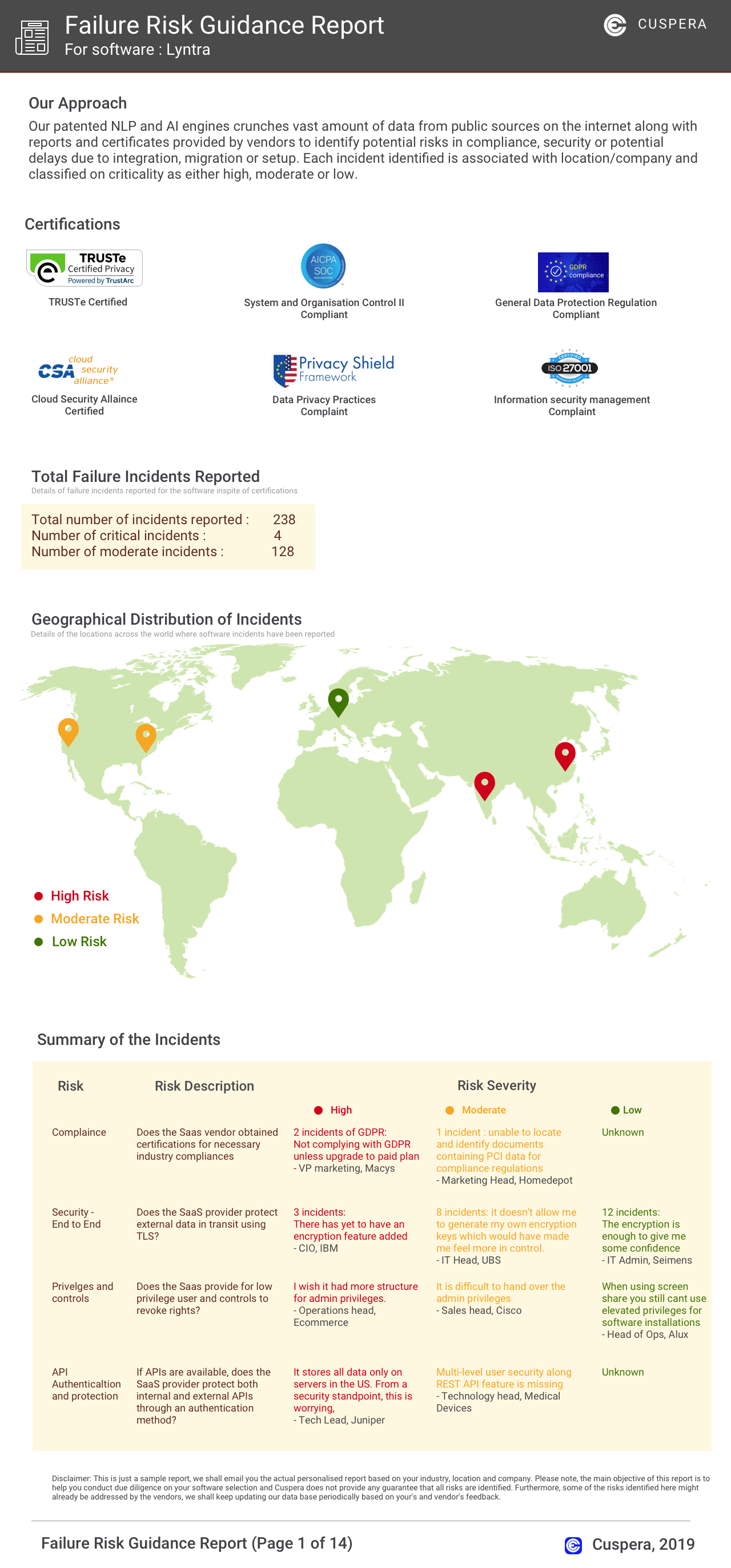


Summary: Demandbase and Demandbase One™ account-based marketing platform overview
Demandbase is a leading account-based marketing (ABM) and account-based go-to-market platform that unifies marketing, sales, and advertising around revenue outcomes. Its product suite, Demandbase One™, brings together a native B2B data graph (firmographics, contact data, technographics, and owned intent signals), a B2B DSP for advertising, sales intelligence, and ABX orchestration under the company’s Smarter GTM™ framework. The result is a single system to identify in-market accounts, prioritize buying groups, and activate cross-channel engagement with measurable pipeline impact.
Top features
Top use-cases
Value proposition to different roles
Customer experience emphasis: Demandbase pairs platform capability with hands-on customer success and professional services—accelerating onboarding, adoption, and value realization under Smarter GTM™.
Challenges or limitations
Enterprise deployments may encounter complex permissions, occasional contact refresh lag, and integration nuances across large multi-region stacks. Teams should plan for governance and ongoing data hygiene to sustain ABM scale.
Capability evolution
Demandbase evolved from programmatic ABM advertising to a unified, AI-driven account-based marketing platform. Investments in native data, buying-group intelligence, and predictive orchestration underpin Smarter GTM™—a connected operating model for revenue teams.
Market footprint of Demandbase and Demandbase One™
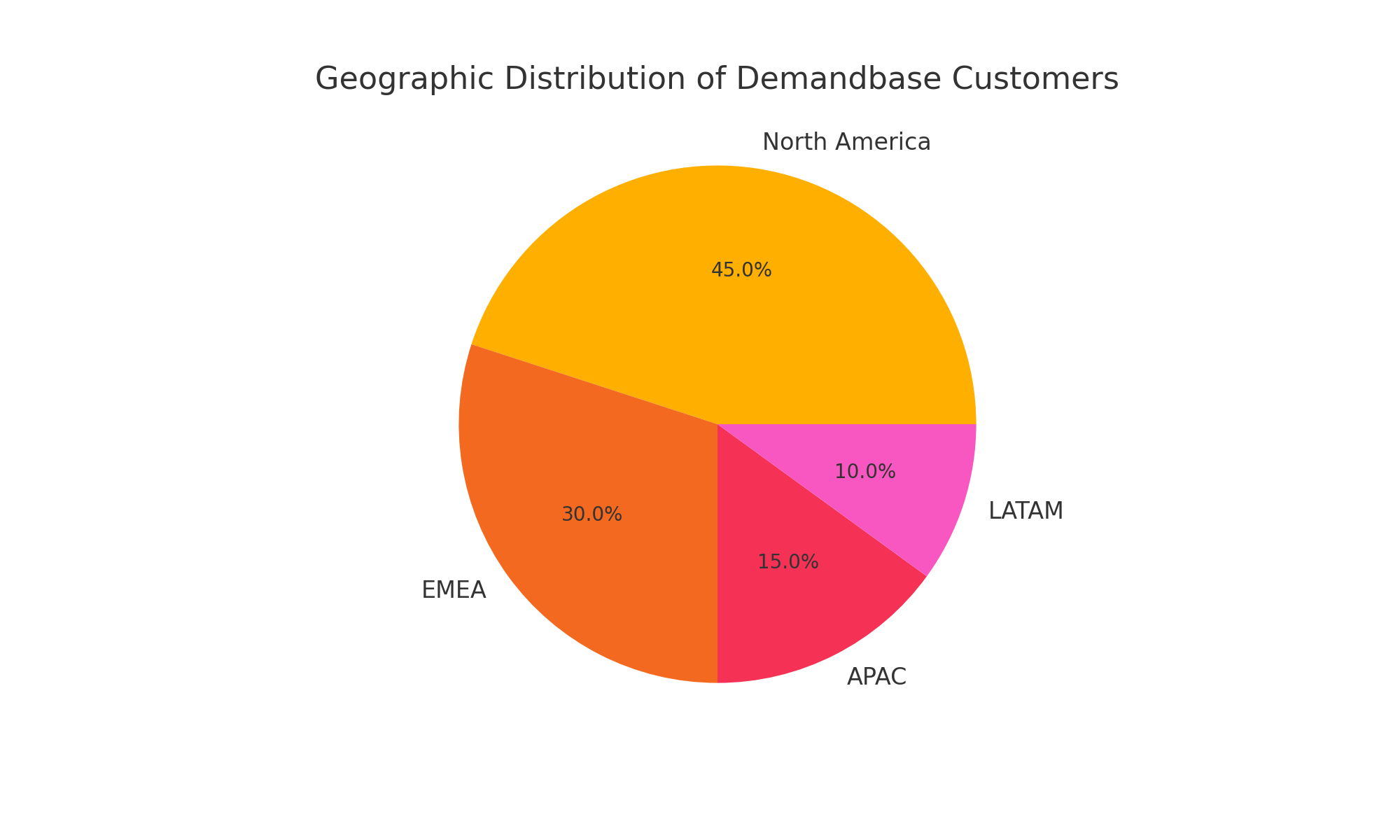
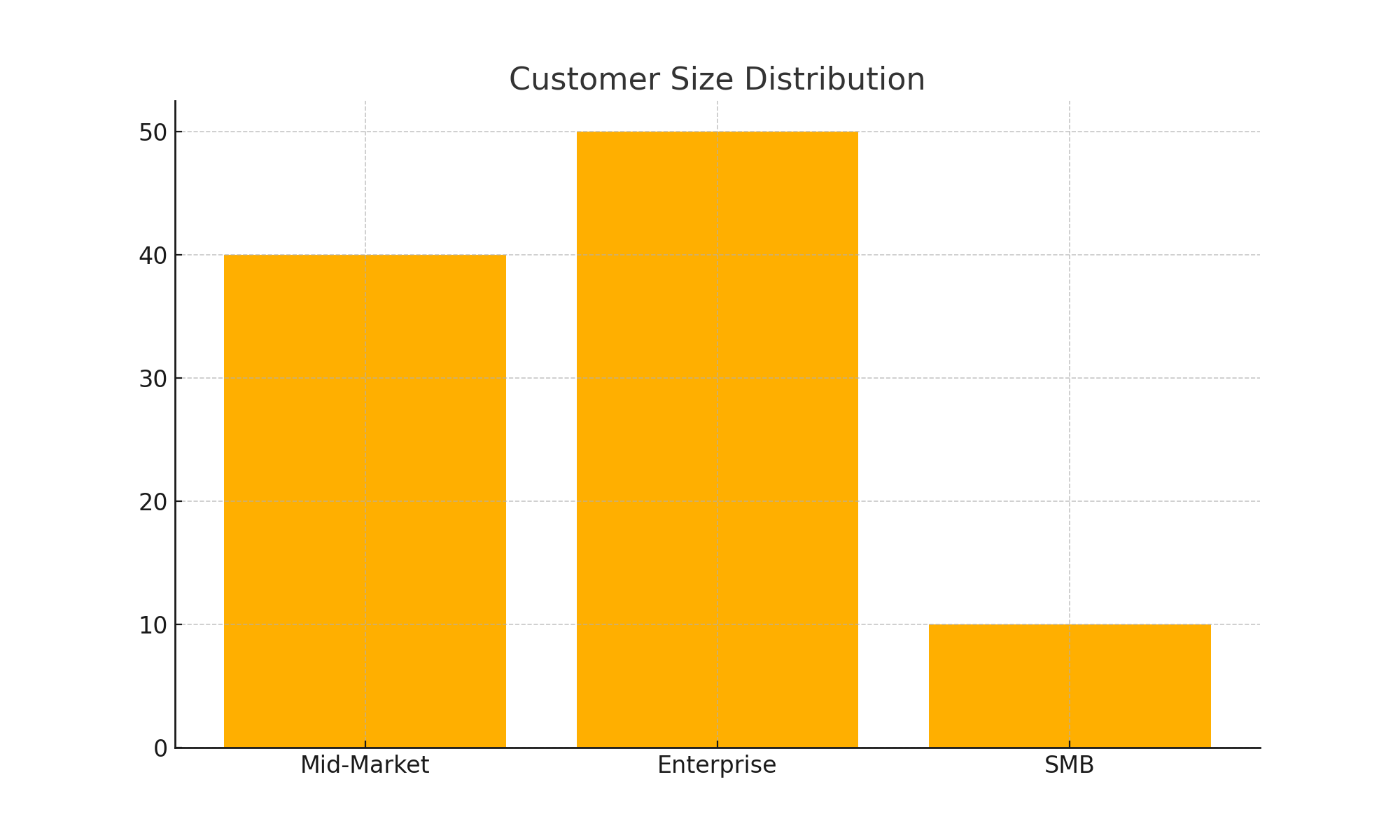
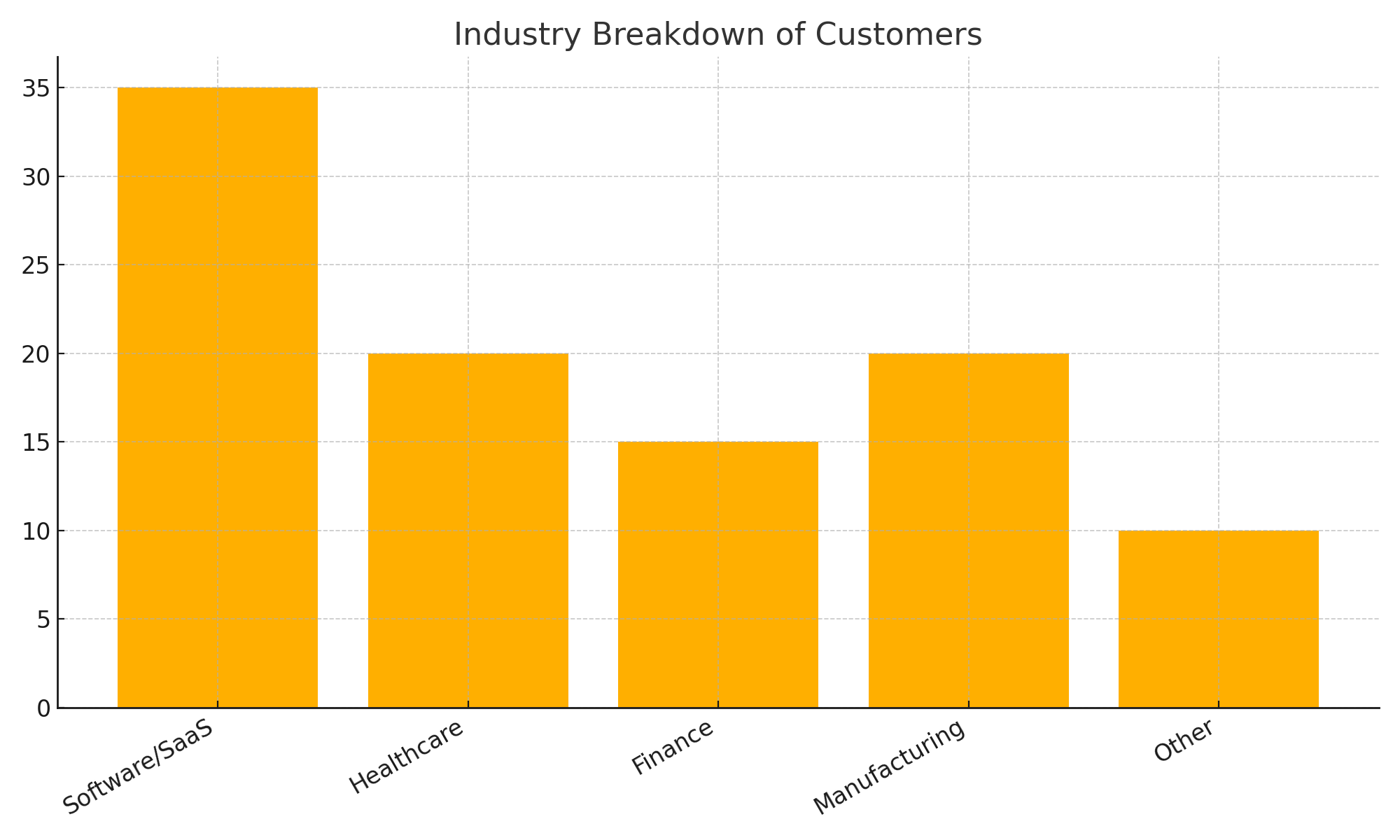
Demandbase serves a global customer base across software/SaaS, healthcare, financial services, and manufacturing. The platform supports cross-region governance, localization, and multi-BU orchestration for complex enterprise ABM. Native sales intelligence, buyer intent data provider capabilities, and a B2B DSP make it a consolidated choice for modern account-based go-to-market programs.
Demandbase One Customer wins, Customer success stories, Case studies
CyberArk - Identity Security - Large
From Account Signals to Pipeline: How Demandbase Puts ABX Into Action
Demandbase One Tutorial for Beginners | How to Use Demandbase 2024

Frequently Asked Questions (FAQ)
What buyers ask before choosing Demandbase One
Integrations What integrations does Demandbase offer with CRM systems like Salesforce?
Demandbase offers robust integrations with several CRM systems, including Salesforce, to enhance account-based marketing and sales efforts. Through its integration with Salesforce, Demandbase allows users to automate multi-channel actions, trigger sales plays, and manage advertising audiences seamlessly. This integration ensures that marketing and sales teams can align their strategies effectively by unifying data and insights within a single platform. Additionally, Demandbase's REST-based APIs facilitate easy customization and integration, enabling businesses to maintain up-to-date account, lead, and contact data automatically. By leveraging these integrations, organizations can improve their go-to-market strategies and drive better engagement with their target accounts.
Integrations How does Demandbase's personalization feature enhance account-based marketing campaigns?
Demandbase's personalization feature significantly enhances account-based marketing (ABM) campaigns by enabling businesses to create tailored website experiences that resonate with specific target accounts. By utilizing Demandbase's B2B website personalization tools, marketers can deliver custom messaging, calls-to-action (CTAs), and content based on the unique behaviors and preferences of their prospects. This hyper-targeted approach not only increases engagement but also boosts conversion rates by providing relevant and timely information that aligns with the needs of potential customers. Additionally, the integration of Site Analytics allows marketers to track account interactions, prioritize outreach based on key website actions, and optimize campaign performance, ensuring that marketing efforts are closely aligned with sales initiatives. Overall, Demandbase's personalization capabilities empower businesses to orchestrate seamless buyer experiences, driving more effective ABM strategies.
Integrations What are the technical setup requirements for integrating Demandbase with Marketo?
Integrating Demandbase with Marketo requires a few technical setup steps to ensure seamless data flow and functionality. First, you need to have administrative access to both Demandbase and Marketo accounts. In Marketo, you will set up a new API user with the necessary permissions to allow Demandbase to access your data. Next, you will need to configure the Demandbase integration settings within Marketo, which involves entering your Demandbase API key and other relevant credentials. Additionally, ensure that your Marketo instance is set up to handle the custom fields that Demandbase will use for account-based marketing. Finally, testing the integration is crucial to confirm that data is syncing correctly between the two platforms. For detailed guidance, refer to the integration documentation provided by Demandbase.
Integrations How can Demandbase's orchestration capabilities improve my ABM strategy?
Demandbase's orchestration capabilities significantly enhance your account-based marketing (ABM) strategy by enabling seamless coordination of multi-channel marketing efforts. With Demandbase Orchestration, you can manage audiences across platforms like LinkedIn, Twitter, Facebook, and Google, ensuring that your messaging is consistent and targeted. This tool allows you to automate updates to people and account data, reducing data fragmentation and improving efficiency. By unifying marketing and sales data, Demandbase helps align your teams, creating a more cohesive buyer experience. Additionally, the platform's ability to trigger actions in CRM and sales engagement systems like SalesLoft and Outreach ensures that your marketing efforts are directly linked to sales initiatives, ultimately driving better engagement and conversion rates. This comprehensive orchestration empowers you to execute your ABM strategy at scale, making it more effective and impactful.
Integrations What are some examples of successful ABM campaigns using Demandbase?
Successful ABM campaigns using Demandbase showcase the platform's ability to drive significant results through targeted strategies. For instance, Workday utilized Demandbase to orchestrate a multichannel campaign that effectively engaged key accounts, resulting in enhanced buyer experiences and increased revenue. Similarly, AVEVA scaled its ABM efforts by leveraging Demandbase's data-driven insights, which allowed for precise targeting and personalized messaging that resonated with their ideal customer profiles (ICPs). Companies like BioCatch and JAGGAER have also achieved breakthrough results by employing Demandbase's AI-powered tools to create intent-driven campaigns that align marketing and sales efforts seamlessly. These examples illustrate how Demandbase can empower organizations to execute high-impact ABM strategies that yield measurable success.
Integrations How does Demandbase One help in measuring the success of account-based marketing efforts?
Demandbase One™ enhances the measurement of account-based marketing (ABM) efforts by providing comprehensive account-based analytics that focus on engagement rather than traditional lead metrics. It allows businesses to track key performance indicators such as account engagement, journey stage movement, and campaign impact, enabling marketers to identify which campaigns are driving the most pipeline and revenue. With features like Site Analytics, users can see which accounts are visiting their campaign landing pages, helping to personalize outreach and optimize marketing strategies. Additionally, Demandbase One™ unifies marketing and sales data, creating a single source of truth that fosters collaboration and alignment between teams, ultimately proving the effectiveness of ABM strategies and demonstrating ROI to stakeholders.
ROI & pricing What measurable outcomes can I expect from using Demandbase ABM?
When using Demandbase's Account-Based Marketing (ABM) platform, you can expect measurable outcomes that significantly enhance your marketing and sales efforts. Demandbase enables you to track account engagement metrics, providing insights into how often target accounts interact with your campaigns. This allows you to measure campaign quality rather than just quantity, identifying which initiatives drive the most pipeline and revenue. Additionally, the platform offers predictive analytics to score accounts based on fit, intent, and engagement signals, helping you prioritize high-value opportunities. By unifying your marketing and sales data, Demandbase creates a single source of truth, allowing for better alignment and more informed decision-making. Ultimately, these measurable outcomes contribute to increased efficiency, improved revenue growth, and a more effective go-to-market strategy.
ROI & pricing How does Demandbase improve ROI for B2B marketing strategies?
Demandbase improves ROI for B2B marketing strategies by leveraging its AI-driven account-based marketing (ABM) platform, Demandbase One™, which enables real-time identification of business visitors and personalized engagement. By integrating web analytics with account insights, marketers can track which pages their target accounts visit, allowing for tailored messaging that resonates with specific prospects. This targeted approach not only enhances the relevance of marketing efforts but also optimizes campaign performance through data-driven insights, such as engagement metrics and qualification scoring. Additionally, Demandbase facilitates seamless collaboration between marketing and sales teams, ensuring that outreach is aligned with the right ideal customer profiles (ICPs). By automating processes like direct mail programs and SDR outreach, Demandbase helps businesses maximize their marketing investments, ultimately leading to improved conversion rates and higher ROI.
ROI & pricing What are the pricing plans for Demandbase and what do they include?
Demandbase offers flexible pricing plans tailored to meet the needs of your Sales and Marketing teams through its flagship platform, Demandbase One. The pricing structure includes a clear platform fee that encompasses essential software and services, along with a flat fee per user, allowing for straightforward scaling as your team grows. Additionally, Demandbase provides standalone solutions for Marketing and Sales, enabling businesses to choose specific offerings based on their requirements. For those looking to start with a more focused approach, Demandbase also offers an Advertising solution and Data solutions that can be integrated into existing systems. To get a customized pricing plan that aligns perfectly with your business needs, you can fill out a form on their website.
ROI & pricing How quickly can I see results after implementing Demandbase ABM?
After implementing Demandbase ABM, many users report seeing results relatively quickly, often within a few months. The platform is designed to enhance alignment between marketing and sales teams, allowing for more efficient targeting of ideal customer profiles (ICPs) and key accounts. Users can leverage Demandbase's predictive analytics and AI-driven insights to identify in-market accounts and tailor their marketing strategies accordingly. As a result, businesses frequently experience increases in average deal size, total deals won, and retention rates, alongside a decrease in time to close. The speed of these results can vary based on factors such as the existing sales processes and the level of integration with current systems, but Demandbase's focus on actionable insights helps accelerate the path to measurable outcomes.
ROI & pricing What cost savings can Demandbase provide compared to traditional marketing methods?
Demandbase can provide significant cost savings compared to traditional marketing methods by enabling B2B companies to focus their resources on high-value accounts through its account-based marketing (ABM) approach. Traditional marketing often casts a wide net, resulting in wasted spend on unqualified leads, with an average of 97 percent of website visits leading to no action. In contrast, Demandbase's platform allows for real-time identification of business visitors, enabling marketers to deliver personalized experiences that drive engagement and conversion. By unifying marketing and sales data, Demandbase helps organizations prioritize outreach and optimize campaigns, ultimately reducing costs associated with ineffective marketing efforts. This targeted strategy not only enhances efficiency but also accelerates sales cycles, leading to a better return on investment.
ROI & pricing How does Demandbase help in defining and targeting ideal customer profiles?
Demandbase helps businesses define and target their ideal customer profiles (ICPs) by leveraging its powerful account-based marketing (ABM) platform, which utilizes data and AI-driven insights. Users can customize their marketing strategies by analyzing firmographics, intent signals, and historical data to identify the characteristics of high-value accounts. Demandbase allows companies to create tailored prospect lists and personalize messaging based on the specific needs of their ICPs, ensuring that marketing efforts are aligned with sales objectives. Additionally, the platform integrates seamlessly with existing tools, enabling a unified view of marketing and sales data, which enhances the ability to track and engage with potential customers effectively. By using Demandbase, businesses can optimize their outreach and improve conversion rates by focusing on the accounts most likely to drive growth.
Alternatives What are the key differences between Demandbase and 6sense for ABM?
Demandbase and 6sense are both prominent players in the account-based marketing (ABM) space, but they have distinct features that cater to different business needs. Demandbase is recognized for its comprehensive demand-side platform (DSP) specifically designed for B2B advertising, which allows for AI-optimized campaigns and seamless integration of marketing and sales data. This capability helps align teams and create targeted buyer experiences. In contrast, 6sense excels in providing insights into prospect activities through its innovative 6QA system, making it particularly valuable for technology-focused companies. While Demandbase generally receives higher ratings for its user experience and effectiveness across various industries, 6sense may be more suitable for organizations heavily invested in the tech sector. Ultimately, the choice between the two will depend on your specific ABM goals and industry focus.
Alternatives How does Demandbase compare to ZoomInfo in terms of account-based marketing features?
Demandbase and ZoomInfo both offer robust account-based marketing (ABM) features, but they cater to different aspects of the ABM strategy. Demandbase excels in unifying marketing and sales data, allowing teams to orchestrate seamless buyer experiences and create targeted outreach based on qualification scoring and account insights. Its platform, Demandbase One™, provides tools for personalized messaging and campaign optimization, enhancing collaboration between sales and marketing. In contrast, ZoomInfo is known for its extensive database of contact information and company insights, which can be beneficial for lead generation and prospecting. While Demandbase focuses on integrating data for a holistic view of account engagement, ZoomInfo emphasizes providing detailed contact data to drive outreach efforts. Ultimately, the choice between the two depends on whether a business prioritizes data integration and buyer experience (Demandbase) or comprehensive contact information (ZoomInfo).
Alternatives Is Demandbase a better choice than Terminus for B2B advertising?
When comparing Demandbase and Terminus for B2B advertising, both platforms offer unique strengths tailored to account-based marketing (ABM). Demandbase One™ is renowned for its advanced Account Intelligence, which aggregates data from various sources, including CRM and marketing automation platforms, to provide a comprehensive view of target accounts. This results in highly accurate targeting and smarter go-to-market strategies. In contrast, Terminus focuses on delivering a robust advertising solution with strong integration capabilities and user-friendly interfaces. Ultimately, the choice between Demandbase and Terminus depends on specific business needs; Demandbase may be preferable for companies seeking deep account insights and data-driven strategies, while Terminus might appeal to those prioritizing ease of use and integration flexibility. Evaluating your organization's goals and resources will help determine the best fit.
Alternatives What are the advantages of using Demandbase over RollWorks for ABM?
Demandbase offers several advantages over RollWorks for account-based marketing (ABM). One of the key benefits is Demandbase's comprehensive platform, which integrates marketing and sales data into a unified view, enabling teams to orchestrate seamless buyer experiences. Demandbase excels in providing customizable intent keywords, advanced reporting, and sales insights, which are crucial for aligning marketing efforts with sales strategies. Additionally, Demandbase's ability to run targeted ads on marketing-qualified accounts and its robust analytics capabilities, including Google Analytics integration, enhance campaign effectiveness and ROI. While RollWorks also provides ABM solutions, users have noted that Demandbase's features are more aligned with ABM best practices, making it a preferred choice for organizations looking to maximize their ABM efforts.
Alternatives How does Demandbase stack up against Engagio in account-based marketing capabilities?
Demandbase and Engagio both offer robust account-based marketing (ABM) capabilities, but they cater to slightly different needs. Demandbase excels in identifying anonymous website visitors and provides a comprehensive account-based advertising demand-side platform (DSP), making it a strong choice for businesses focused on targeted advertising and data integration. Its acquisition of Engagio has enhanced its account scoring and engagement tracking features, allowing for deeper insights into customer journeys. On the other hand, Engagio is known for its emphasis on engagement analytics and multi-channel orchestration, which can be particularly beneficial for teams looking to optimize their outreach strategies. Ultimately, the choice between Demandbase and Engagio will depend on whether a business prioritizes advertising capabilities or engagement tracking in their ABM strategy.
Alternatives What makes Demandbase a superior option compared to Bombora for intent data?
Demandbase is often considered a superior option compared to Bombora for intent data due to its high accuracy and keyword granularity, sourcing over 1 trillion intent signals monthly through its proprietary B2B Demand-Side Platform (DSP). This extensive data collection is enhanced by machine learning and natural language processing, ensuring that the intent signals are not only accurate but also contextually relevant. Additionally, Demandbase emphasizes customer satisfaction, providing robust support without hidden fees, which contrasts with Bombora's feedback indicating that direct customers receive more innovative features than those accessing data through partnerships. While Bombora is recognized for its account-level intent data, Demandbase's combination of scale, precision, and customer-centric approach positions it as a compelling choice for businesses looking to enhance their go-to-market strategies.
Why is Demandbase One the best choice for Engagement Management?
How efficiently Does Demandbase One manage your Account Management?
What benefits does Demandbase One offer for Advertisement?
Why is Demandbase One the best choice for Lead Qualification?
How can Demandbase One enhance your Lead Engagement process?
Competitive landscape: Demandbase vs. alternatives
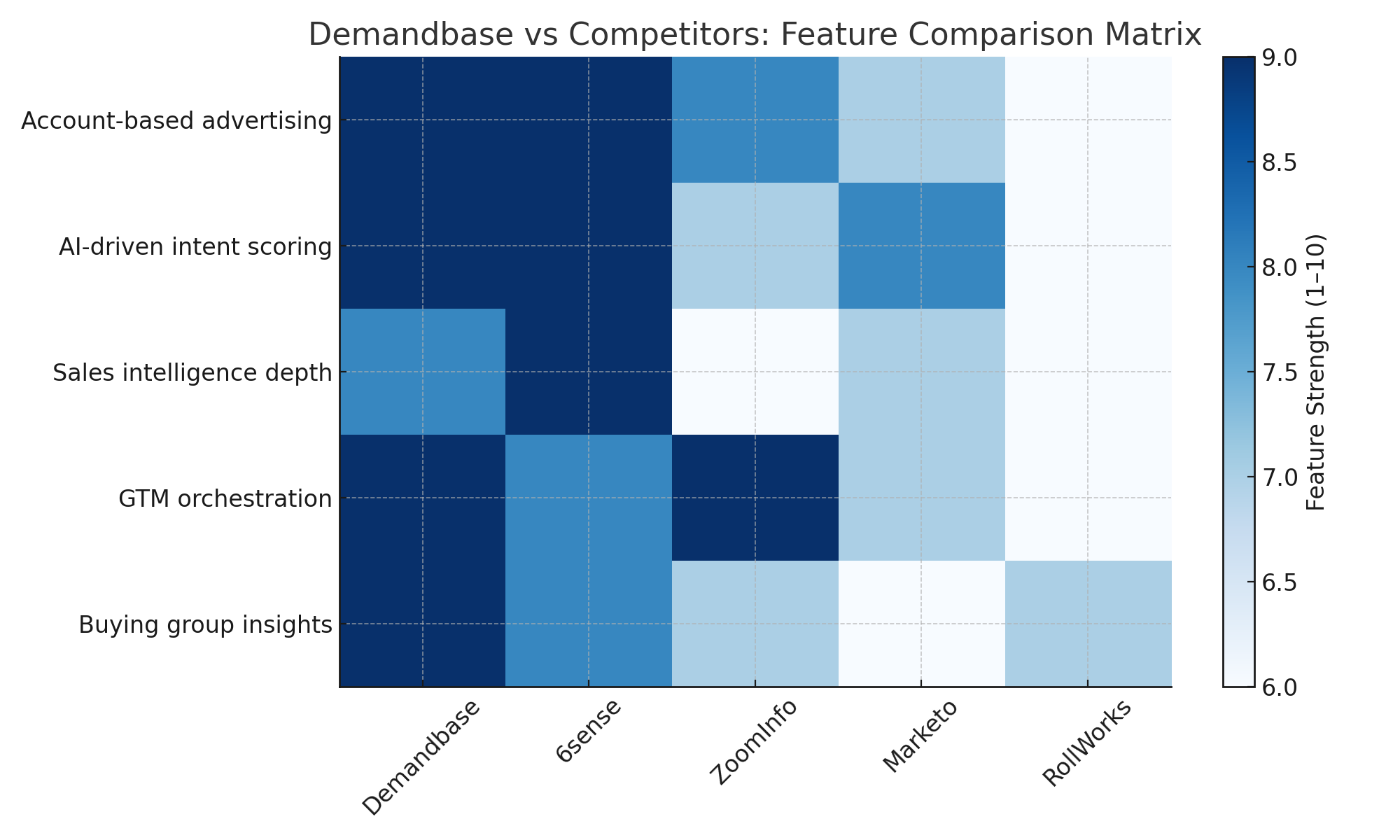
Demandbase One™ competes with major ABM platforms like 6sense, ZoomInfo, and Adobe Marketo Engage. Emerging players include Intentsify, TechTarget, and Leadspace. Key differentiators for Demandbase include its Smarter GTM™ framework, owned B2B data, native DSP, and emphasis on predictive orchestration and buying group insights.


Demandbase One Integrations
Demandbase One integrates with a wide range of software applications through its robust data import and export capabilities.


Software Failure Risk Guidance
?for Demandbase One
Overall Risk Meter
Top Failure Risks for Demandbase One
Pricing and licensing insights for Demandbase One™
| Tier | Buying Segment | Pricing Model |
|---|---|---|
| Core | Mid-market GTM teams adopting ABM/ABX | Tiered access based on feature bundles |
| Premier | Large enterprises with regional teams | Module add-ons and usage thresholds |
| Enterprise | Global orgs with complex CRM/MarTech stacks | Custom quote; multi-module licensing |
Demandbase pricing insights: Demandbase One™ follows a tiered, modular approach. Licensing aligns to feature depth, usage thresholds, and integration scope; global deployments typically require custom configurations.
What’s new in Demandbase One™
Recent updates enhance AI-based qualification, deeper journey rules for ABX, and expanded integrations for data unification and activation. Improvements to multilingual targeting and governance support global ABM for enterprises operating across regions.
Demandbase Launches Mojo, the B2B Marketing Agent that Learns from Every Campaign
Demandbase has launched Mojo, an AI-driven marketing agent designed to automate and optimize B2B marketing campaigns. Mojo integrates with tools like Google Ads, LinkedIn Ads, and Salesforce to streamline campaign management, allowing marketers to focus on strategy and creativity. The platform learns from each campaign to improve future performance, flagging issues and requiring human approval at critical points.
Liferay and Demandbase Partner to Deliver Account-Intelligent Digital Experiences
Liferay and Demandbase have formed a technology partnership to integrate Demandbase's ABM Intelligence with Liferay Data Platform. This integration enables B2B enterprises to deliver personalized digital experiences at the account level, enhancing customer engagement from the first interaction. The collaboration addresses the challenge of account-blind websites by providing firmographic data and a unified account view, improving marketing and sales efforts.
DemandWorks and Demandbase Launch Strategic Integration to Turn Account ...
Demandbase and DemandWorks have launched a strategic integration that connects Demandbase's account intelligence with DemandWorks' multi-channel activation engine. This integration allows B2B marketing and sales teams to engage buying groups more effectively and accelerate pipeline by automating the activation of high-intent accounts. The collaboration aims to improve pipeline quality and reduce operational overhead by eliminating manual processes and optimizing campaigns dynamically.
The Audyence-Demandbase Integration Signals a Structural Shift in B2B ...
Demandbase and Audyence have launched a native integration that connects Demandbase's account-based intent segments with Audyence's programmatic cost-per-lead marketplace. This integration automates the lead generation process, significantly reducing the time from intent signal to lead acquisition. It represents a structural shift in B2B demand generation, merging intent intelligence with lead fulfillment and transforming marketing operations from execution to governance.
Recent awards for Demandbase One™
- 2024 ABM Innovation Leader – Martech Impact Awards
- Top 25 AI-powered MarTech Solutions – B2B Marketing Tech 100
- Best Data-Driven Campaign Execution Platform – ABM Excellence Awards
Demandbase, Inc Profile
HQ Location
680 Folsom, Suite 400, San Francisco, CA 94107
Employees
251-500
Social


Financials
SERIES H