
Overview: SPDocKit and Templafy as Content Management Systems Category solutions.
SPDocKit is tailored for businesses needing a robust set of analytics and compliance tools, making it ideal for small tech companies. It supports content and workflow management with high-level 24/7 vendor support. Templafy focuses on large enterprises with a diverse range of document management features and supports sales and contract management. It offers comprehensive support options including chat and phone, reflecting its adaptability to varied operational scales.
SPDocKit: SPDockit by Syskit simplifies SharePoint farm documentation, analytics, and auditing. Farm resources usage is tracked, changes monitored, and configurations validated efficiently.
Templafy: Templafy connects and manages entire document ecosystems. Enterprises can browse modules to design tailored solutions.
SPDocKit and Templafy: Best Use cases based on the customer satisfaction data


Key Capabilities Supported
SPDocKit supports social media analytics and management, emphasizing workflow and collaboration tools. read more →
Templafy excels in sales document and content management, with additional strengths in contract and digital signature management. read more →
Business Goals
SPDocKit helps scale best practices and enhance customer relationships, crucial for IT services. read more →
Templafy assists in scaling best practices, acquiring customers, and increasing sales revenue, catering to marketing needs. read more →
Core Features
SPDocKit features strong analytics, compliance, and data management capabilities that aid in compliance and security. read more →
Templafy provides custom reporting and integration capabilities, alongside AI-powered features for dynamic document management. read more →
Vendor Support
SPDocKit offers around-the-clock support primarily via website and email, tailored for smaller enterprises. read more →
Templafy provides extensive support options including chat, phone, and email, designed for complex enterprise environments. read more →
Segments and Industries
SPDocKit is predominantly used by small businesses in the IT sector. read more →
Templafy caters to large enterprises across IT, software, HR, and consulting industries. read more →
Operational Alignment
SPDocKit is structured for small-scale operations, with key strengths in easy migration and integration. read more →
Templafy supports diverse operational scales, perfect for enterprises needing detailed content and workflow solutions. read more →

Applying your context and needs changes the comparison
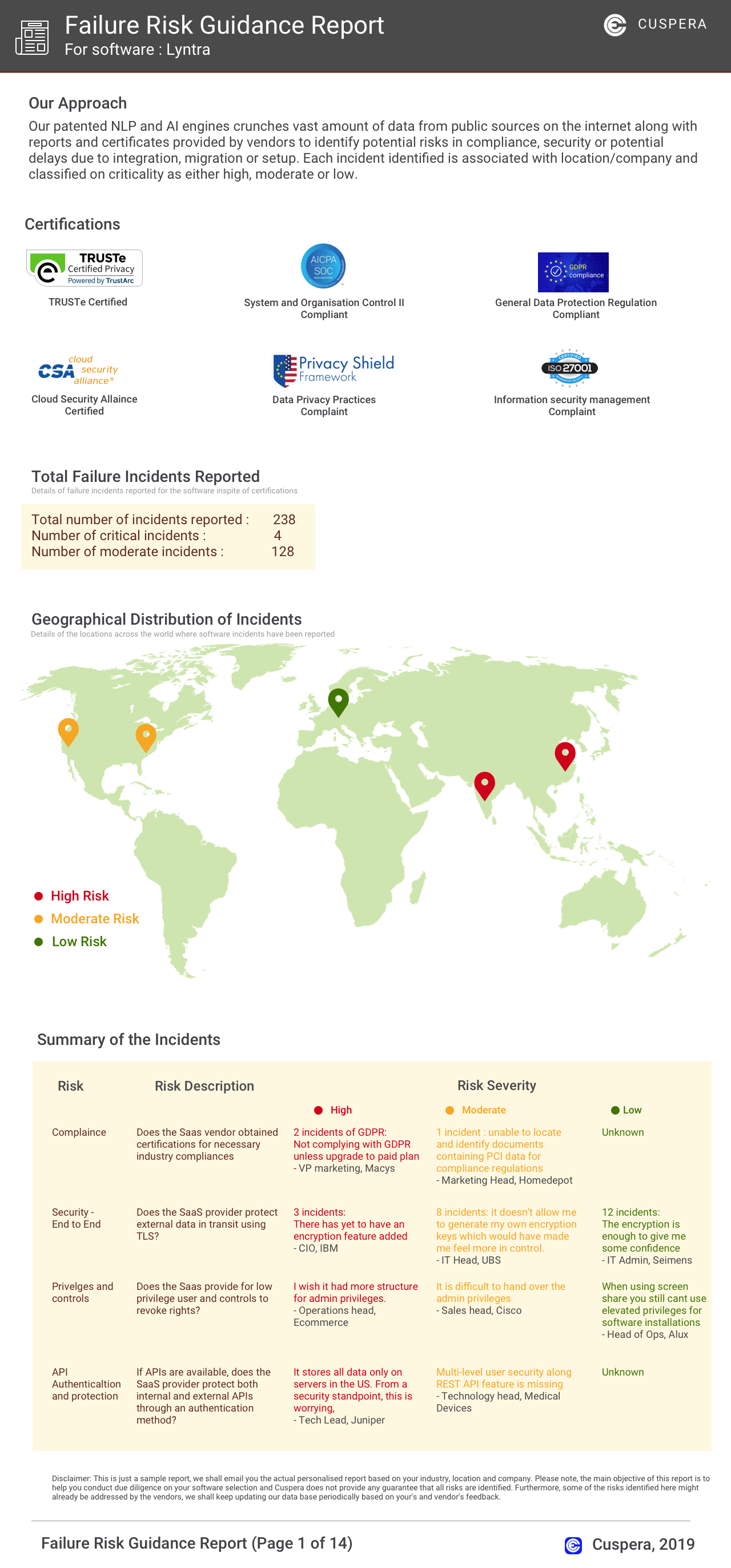
Failure Risk Guidance?
Compliance Risk
{{{rsh_C_1}}}
{{{rsh_C_1}}}
Security & Privacy Risk
{{{rsh_C_1}}}
{{{rsh_C_1}}}
Integration Risk
{{{rsh_C_1}}}
{{{rsh_C_1}}}
Migration Risk
{{{rsh_C_1}}}
{{{rsh_C_1}}}
IT and Other Capabilities
- Low
- Medium
- High
Data
Support
Others
Most deployed common Use Cases for SPDocKit and Templafy
How efficiently Does SPDocKit and Templafy manage your Collaboration?
Templafy in Action: Unique Use Cases
What makes Templafy ideal for Sales Document Management?
How can Templafy optimize your Content Management Workflow?
How does Templafy address your Workflow Management Challenges?


Integrations
Few Templafy Integrations


News
Latest SPDocKit News
What's New | Microsoft 365 Governance | Syskit Point
Syskit Point's latest update, version 2025.3.97, introduces several new features for Microsoft 365 governance. These include a consolidated inventory for Custom SharePoint and Copilot Agents, a new Power Platform admin role, and extended ownership policies for SharePoint Sites. These enhancements aim to improve data security, streamline administration, and prevent governance issues in Microsoft 365 environments.
Latest Templafy News
Cristina Grancea Highlights Templafy's Free AI Presentation Tool on ...
Templafy has launched a free AI-powered presentation tool, highlighted by Cristina Grancea on LinkedIn. The tool generates structured, editable PowerPoint slides without traditional template constraints, aiming to streamline professional workflows. With over 4 million users, Templafy's strategic move to offer this tool for free could significantly impact content creation practices in major corporations.