

M-files Overview
M-Files offers a metadata-driven document management platform. Businesses gain a leading edge with M-Files' innovative solutions.
Use Cases
Customers recommend Workflow Management, Sales Document Management, Content Management, as the business use cases that they have been most satisfied with while using M-files.
Business Priorities
Enhance Customer Relationships and Enter New Markets Internationally Or Locally are the most popular business priorities that customers and associates have achieved using M-files.
M-files Use-Cases and Business Priorities: Customer Satisfaction Data
M-files's features include Templates, Recording, Personalization, etc. and M-files support capabilities include AI Powered, Email Support, Chat Support, etc. also M-files analytics capabilities include Analytics, and Custom Reports.
Reviews
"The team can put in a few keywords and find whatever documents are on file, easily sort through them, and quickly find out everything they need about the piece of advice." - Alexia Reedy
Peer review evidence (same sources as the product rating summary)
"...Key features include version control, mobile access, e-signature capabilities, automated workflows, document templates, permission management and offline access...." Peer review
"...Make sure no contract or report is left to die in an inbox. ..." Data Security and Control
"...each user can create his own views with the ability for filtration and grouping to see content in a way he want...." Peer review by Administrator
M-files, Intelligencebank DAM, Responsive (formerly RFPIO), Hyland Governance, IntelligenceBank, etc., all belong to a category of solutions that help Content Management Systems. Each of them excels in different abilities. Therefore, determining the best platform for your business will depend on your specific needs and requirements.
Popular Business Setting
for M-files
Top Industries
- Information Technology and Services
- Computer Software
- Automotive
Popular in
- Small Business
- Mid Market
- Large Enterprise
M-files is popular in Information Technology And Services, Computer Software, and Automotive and is widely used by Small Business, Mid Market, and Large Enterprise.
M-files Customer wins, Customer success stories, Case studies
How can M-files enhance your Workflow Management process?
How can M-files optimize your Sales Document Management Workflow?
How does M-files address your Content Management Challenges?
How efficiently Does M-files manage your Collaboration?
What makes M-files ideal for Communication Management?
| CUSTOMERS | TESTIMONIALS |
|---|---|

|
The team can put in a few keywords and find whatever documents are on file, easily sort through them, and quickly find out everything they need about the piece of advice. Testimonial By Alexia Reedy |

|
Our customer manages more than 1,000 commercial properties. They were managing documents in a network file folder and reviewing/approval of documents was becoming ineffective. “Now this process is much more precise and efficient. We have set up automatic notifications to alert both internal staff a...nd tenants when certain actions must be taken, such as for lease renewals. |

|
With M-Files we see less printing and scanning of the same document to get it approved, as you can now route it through a workflow. We have estimated that just with the 4 most popular workflows we save over $180,000 annually. Testimonial By Stearns Bank N.A. |
| CUSTOMERS | TESTIMONIALS |
|---|---|
|
Alexia Reedy Legal Projects Administrator REA |
The team can put in a few keywords and find whatever documents are on file, easily sort through them, and quickly find out everything they need about the piece of advice. Testimonial By Alexia Reedy |
|
NewSec |
Our customer manages more than 1,000 commercial properties. They were managing documents in a network file folder and reviewing/approval of documents was becoming ineffective. “Now this process is much more precise and efficient. We have set up automatic notifications to alert both internal staff a...nd tenants when certain actions must be taken, such as for lease renewals. |
|
IT Manager Stearns Bank N.A. |
With M-Files we see less printing and scanning of the same document to get it approved, as you can now route it through a workflow. We have estimated that just with the 4 most popular workflows we save over $180,000 annually. Testimonial By Stearns Bank N.A. |
How To Share Information From M-Files

Frequently Asked Questions (FAQ)
What buyers ask before choosing M-files
Integrations What CRM integrations are available for M-Files?
M-Files offers several CRM integrations that enhance document management and workflow automation for businesses. Notably, it integrates seamlessly with custom CRM systems, as demonstrated by Kvika Bank in Iceland, which improved efficiency by connecting M-Files with their tailored CRM solution. Additionally, M-Files can be integrated with popular platforms like Microsoft 365, allowing users to leverage CRM capabilities alongside advanced document management features. This integration enables businesses to manage documents and automate workflows effectively, ensuring better control over information and improved collaboration. By utilizing M-Files with these CRM systems, organizations can streamline operations, reduce manual tasks, and enhance overall productivity.
Integrations How does M-Files connect to Salesforce and HubSpot?
M-Files connects to Salesforce and HubSpot through its integration capabilities, allowing businesses to streamline their customer relationship management processes. With the M-Files integration for Salesforce, users can manage documents directly within the Salesforce environment, ensuring that all relevant information is easily accessible alongside customer data. This integration enhances collaboration and improves workflow efficiency by linking documents to specific Salesforce records. Similarly, the HubSpot integration allows users to access M-Files' document management features within the HubSpot platform, facilitating better communication and information sharing with clients. By leveraging these integrations, organizations can enhance their operational efficiency, improve client service, and maintain compliance with data management standards, ultimately driving better business outcomes.
Integrations How does M-Files connect with Salesforce and HubSpot?
M-Files integrates seamlessly with Salesforce and HubSpot to enhance customer relationship management and streamline workflows. With the M-Files integration for Salesforce, users can access and manage documents directly within the Salesforce interface, ensuring that all relevant information is readily available when engaging with clients. This connection helps improve sales processes and customer service by providing instant access to critical documents. Similarly, the integration with HubSpot allows users to link M-Files' document management capabilities with HubSpot's marketing and sales tools, facilitating better collaboration and information sharing across teams. By leveraging these integrations, businesses can enhance their operational efficiency, improve data accuracy, and ultimately deliver superior service to their clients.
Integrations What are the setup steps for integrating M-Files with Microsoft 365?
To integrate M-Files with Microsoft 365, start by ensuring you have an active M-Files account and access to Microsoft 365. First, log into your M-Files admin interface and navigate to the integration settings. Here, you will find options to connect with Microsoft 365 services, including SharePoint Embedded. Follow the prompts to authenticate your Microsoft 365 account, allowing M-Files to access your SharePoint environment. Once authenticated, configure the storage settings to enable native storage of M-Files content within Microsoft 365. You can also set up metadata and compliance features to align with your organizational needs. Finally, test the integration by uploading documents to ensure they sync correctly between M-Files and Microsoft 365. This setup enhances collaboration and leverages AI-driven document management capabilities.
Integrations How does data flow between M-Files and external systems like Power BI?
Data flows between M-Files and external systems like Power BI through seamless integration that leverages M-Files' robust API capabilities. This integration allows users to extract and visualize data stored in M-Files, enabling insights that enhance decision-making processes. For instance, organizations can utilize Power BI to analyze metadata and document content from M-Files, which aids in improving maintenance planning and fault resolution. The integration ensures that the data remains up-to-date and compliant, as M-Files manages version control and security. By centralizing information and providing real-time analytics, businesses can streamline workflows and enhance collaboration, ultimately driving efficiency and productivity across teams.
Integrations What are the limitations of M-Files integrations with other software tools?
M-Files offers robust integration capabilities with various software tools, but there are some limitations to consider. One notable challenge is the complexity involved in using the REST API, which may require additional effort to combine IDs and values from different API calls, making data extraction cumbersome for users. Additionally, while M-Files can integrate with numerous platforms, the effectiveness of these integrations often depends on the quality of metadata setup and user input, which can lead to inconsistencies if not managed properly. Users have also reported that the process of editing process maps within M-Files is not as smooth as desired, potentially hindering workflow automation. Overall, while M-Files provides valuable integration options, users should be prepared for some technical hurdles and the need for thorough training to maximize the platform's capabilities.
Integrations What are the API access options for M-Files integrations?
M-Files offers robust API access options that facilitate seamless integrations with various applications and systems. The platform provides a REST API, which allows developers to interact with M-Files data programmatically, enabling the retrieval and manipulation of documents and metadata. This API is designed to support various operations, such as creating, updating, and deleting documents, as well as accessing metadata associated with those documents. While the current REST API may require some manual handling, such as combining IDs and values from different API calls for data export, it remains a powerful tool for integrating M-Files with other solutions. Additionally, M-Files can serve as an interface for accessing information stored in other applications, enhancing overall workflow efficiency and data management capabilities.
Integrations Is there API access for M-Files, and how does it affect sync behavior?
Yes, M-Files provides API access, specifically through its REST API, which allows users to interact with the platform programmatically. This API facilitates the retrieval and management of documents and metadata, enabling seamless integration with other applications and systems. However, users have noted that while the API is powerful, it can be complex, particularly when combining IDs and values from different API calls, which may affect synchronization behavior. Properly setting up metadata is crucial for effective document management and search functionality within M-Files. By leveraging the API, businesses can automate workflows and enhance data synchronization across platforms, ultimately improving productivity and ensuring that all relevant information is accessible when needed.
Integrations Are there any limitations to M-Files integrations with other data providers?
M-Files offers robust integration capabilities with various data providers, allowing businesses to connect seamlessly with tools like Microsoft 365, Salesforce, and other applications through its REST API. However, some limitations may arise, particularly regarding the complexity of data retrieval and manipulation. Users have noted challenges when combining IDs and values from different API calls, which can complicate data extraction processes, especially when exporting to formats like .csv. Additionally, while M-Files supports a wide range of integrations, the effectiveness of these connections often depends on the quality of metadata setup and user training. Therefore, while M-Files provides significant integration flexibility, organizations should be prepared to invest in proper configuration and user education to maximize the benefits of these integrations.
Features What does the automated digital workflows feature in M-Files do?
The automated digital workflows feature in M-Files streamlines and enhances business processes by automating repetitive tasks and document handling. This functionality allows organizations to create customized workflows that integrate seamlessly with their existing operations, ensuring that documents are processed efficiently and consistently. By leveraging automation, M-Files reduces manual intervention, minimizes errors, and accelerates task completion, which ultimately leads to improved productivity and compliance. Additionally, the feature supports better collaboration among teams by providing real-time access to documents and workflow statuses. Overall, automated digital workflows in M-Files empower businesses to optimize their document management processes, enabling them to focus on more strategic initiatives while maintaining control over their information.
Features How do I configure the automated document systems in M-Files?
To configure automated document systems in M-Files, start by accessing the M-Files Admin interface. From there, create a new workflow by selecting "Workflows" and then "New Workflow." Define the workflow stages and actions, such as document approval or notifications, by dragging and dropping elements into the workflow designer. Next, set up automation rules by navigating to "Document Types" and selecting the relevant document type to apply automation settings. You can incorporate AI features by enabling the AI capabilities in the settings, which will enhance document classification and retrieval. Finally, test the workflow to ensure it operates as intended, making adjustments as necessary. This configuration will streamline your document management processes, improving efficiency and accuracy in handling documents.
Features What is the purpose of the document management application in M-Files?
The purpose of the document management application in M-Files is to streamline the organization, storage, and retrieval of documents within an organization. M-Files enhances efficiency by allowing users to save documents with relevant metadata, making it easier to find and manage information. This application supports version control, ensuring that users access the most current documents while maintaining a history of changes. Additionally, M-Files facilitates secure collaboration by controlling access to sensitive information, allowing only authorized personnel to view specific documents. The application also integrates with other platforms, such as Esri and Power BI, to provide a comprehensive solution that improves oversight, compliance, and workflow automation, ultimately enabling businesses to focus more on their core activities rather than document management challenges.
Features How do I use the workflow management software in M-Files for small businesses?
To use the workflow management software in M-Files for small businesses, start by defining your specific workflow processes, such as document approvals or task assignments. Next, create a structured folder system within M-Files to organize your documents and workflows efficiently. Utilize the software's automation features to set up triggers and notifications that streamline tasks, ensuring team members are alerted when actions are required. You can also customize workflows by adding specific steps, approvals, and deadlines tailored to your business needs. Finally, leverage M-Files' reporting tools to monitor workflow performance and identify areas for improvement. By following these steps, you can enhance productivity and ensure smoother operations within your small business.
Features How can I use the document capture system feature in M-Files?
To use the document capture system feature in M-Files, start by accessing the M-Files interface where you can upload documents directly. You can either drag and drop files into the system or use the "Add Document" option to browse your files. Once uploaded, M-Files automatically extracts relevant metadata from the documents, which helps in organizing and categorizing them efficiently. You can customize the metadata fields to suit your business needs, ensuring that all important information is captured. Additionally, leverage M-Files' integration capabilities with other applications through APIs to streamline the document capture process further. This feature enhances productivity by making it easier to find and manage documents, ultimately improving your organization's workflow and compliance.
Features What features does the document capture system in M-Files offer?
The document capture system in M-Files offers a range of features designed to streamline the process of saving and managing documents efficiently. It allows users to easily save documents with relevant metadata, ensuring that all pertinent information is captured and organized. The system supports various document views, enabling users to display information in a way that is most relevant to their needs. Additionally, M-Files integrates with other applications through APIs, allowing for seamless access to information stored across different platforms. This capability enhances the user experience by providing a centralized interface for all relevant documents, improving searchability and retrieval. Overall, these features contribute to better document management, increased productivity, and enhanced collaboration within organizations.
Features What does the compliance database feature in M-Files do?
The compliance database feature in M-Files is designed to help organizations manage and track compliance-related information efficiently. It serves as a centralized repository for storing documents, records, and data pertinent to regulatory requirements, ensuring that businesses can easily access and maintain compliance with industry standards. This feature enhances visibility into compliance processes, allowing users to monitor compliance status, manage audits, and generate reports. By automating compliance tracking and documentation, M-Files reduces the risk of non-compliance and streamlines workflows, ultimately saving time and resources. This capability is particularly valuable for industries with stringent regulatory demands, as it helps organizations maintain adherence to laws and regulations while improving overall operational efficiency.
Features How can I set up the automated legal workflow in M-Files?
To set up an automated legal workflow in M-Files, start by accessing the M-Files platform and navigating to the workflow management section. Here, you can create a new workflow by selecting the "Create Workflow" option. Define the workflow stages, such as document review, approval, and client communication, and specify the tasks associated with each stage. Utilize M-Files' automation features to assign tasks to team members automatically and set deadlines to ensure timely completion. You can also integrate relevant documents and templates into the workflow for easy access. Once configured, test the workflow to ensure it operates smoothly, making adjustments as necessary. Finally, train your team on how to use the new automated legal workflow effectively to enhance collaboration and efficiency in managing legal documents.
Features How do I set up the automated legal workflow in M-Files?
To set up the automated legal workflow in M-Files, start by logging into your M-Files account and navigating to the "Workflows" section. Here, you can create a new workflow by selecting "Add Workflow" and defining the specific steps involved in your legal processes, such as document review, approval, and archiving. Utilize M-Files' automation features to assign tasks to team members, set deadlines, and establish notifications for each stage of the workflow. You can also integrate relevant documents and metadata to streamline access and improve search capabilities. Once your workflow is configured, test it with a sample case to ensure it operates as intended, making adjustments as necessary to optimize efficiency. Finally, train your team on the new workflow to ensure smooth adoption and usage.
ROI & pricing What measurable business value can M-Files provide for my organization?
M-Files offers significant measurable business value by enhancing document management efficiency, improving compliance, and facilitating secure collaboration. Organizations using M-Files have reported substantial time savings; for instance, Hood Sweeney Securities saved two hours weekly on document sorting and 20-25 hours annually on file room resources. The platform's automated audit trails and real-time monitoring bolster data security and compliance, ensuring that only authorized personnel access sensitive documents. Additionally, M-Files supports workflow automation and mobile access, allowing teams to work seamlessly from anywhere, as demonstrated by Valeo Financial Advisors, who experienced no productivity loss during their transition to remote work. By streamlining document retrieval and management, M-Files enables employees to focus more on core tasks, ultimately driving productivity and enhancing overall operational effectiveness.
ROI & pricing How does M-Files impact ROI and what savings can I expect?
M-Files significantly impacts ROI by streamlining document management processes, leading to substantial time and cost savings. According to a Forrester Consulting study, M-Files delivers a remarkable 301% ROI and generates $8 million in net present value over three years. Businesses using M-Files have reported specific savings, such as Hood Sweeney Securities saving two hours per week on document sorting and the National Golf Club reducing manual document handling by up to 50%. Additionally, organizations experience improved compliance and data security, which further enhances operational efficiency. By automating workflows and making documents easier to find, M-Files allows staff to focus more on core tasks, ultimately driving productivity and profitability.
ROI & pricing How does M-Files impact ROI and what are the expected cost savings?
M-Files significantly impacts ROI by streamlining document management processes, leading to substantial cost savings for businesses. According to a Forrester Consulting study, M-Files delivers a remarkable 301% ROI and generates $8 million in net present value over three years. Companies using M-Files report reduced manual document handling, improved retrieval times, and enhanced compliance, which collectively lower operational costs. For instance, organizations like Hood Sweeney Securities saved up to 20-25 hours annually on file room resources and improved efficiency in document processing. By automating workflows and providing secure, easy access to information, M-Files not only minimizes administrative burdens but also allows staff to focus on higher-value tasks, ultimately driving profitability and operational efficiency.
ROI & pricing What are the different pricing plans available for M-Files and what do they include?
M-Files offers a variety of pricing plans tailored to different business needs, though specific pricing details are typically provided upon request or during a consultation. Generally, their plans may include features such as document management, workflow automation, and compliance tools, with options for cloud-based or on-premises deployment. The pricing structure often varies based on the number of users, storage requirements, and additional functionalities like advanced analytics or integration capabilities with platforms such as Salesforce or Microsoft 365. To get the most accurate and detailed information regarding the available plans and their inclusions, it is recommended to contact M-Files directly or visit their official website for a customized quote.
ROI & pricing What is the total cost of ownership for implementing M-Files in my business?
The total cost of ownership (TCO) for implementing M-Files in your business encompasses several factors, including initial licensing fees, ongoing subscription costs, implementation expenses, and potential training and support services. While specific pricing details can vary based on the size of your organization and the features you choose, M-Files typically offers flexible pricing models tailored to different business needs. Additionally, consider the long-term savings from improved efficiency, such as reduced time spent on document management and enhanced compliance, which can significantly offset initial costs. According to a Forrester Consulting study, M-Files delivers a 301% ROI over three years, highlighting its potential value in streamlining operations and reducing administrative burdens. For a precise estimate, it's advisable to consult with M-Files directly to assess your specific requirements and get a tailored quote.
ROI & pricing What is the total cost of ownership for implementing M-Files in a business?
The total cost of ownership (TCO) for implementing M-Files in a business encompasses several factors, including initial licensing fees, ongoing subscription costs, implementation expenses, and potential training and support costs. While specific pricing details can vary based on the size of the organization and the features selected, M-Files typically offers a subscription model that can be tailored to meet different business needs. Additionally, businesses should consider the long-term savings associated with improved efficiency, such as reduced time spent on document management and enhanced compliance capabilities. According to a Forrester Consulting study, M-Files can deliver a 301% ROI over three years, highlighting the potential for significant cost savings and productivity gains that can offset the initial investment. For precise pricing tailored to your organization, it is advisable to contact M-Files directly for a customized quote.
ROI & pricing How quickly can I expect to see value from M-Files after implementation?
After implementing M-Files, businesses can expect to see value relatively quickly, often within a few weeks. For instance, organizations like Hood Sweeney Securities reported saving significant time on document sorting and file management shortly after transitioning to M-Files, with improvements in efficiency for processing statements. Similarly, the National Golf Club experienced a 50% reduction in manual document handling and a 60% faster document retrieval rate soon after implementation. The platform's ability to digitize and automate document management processes leads to immediate benefits, such as enhanced compliance, reduced document loss, and improved staff productivity. Overall, the speed at which value is realized can vary based on the organization's size and complexity, but many users report noticeable improvements in operational efficiency within the first month.
ROI & pricing How quickly can I expect to see value from using M-Files after implementation?
After implementing M-Files, many organizations report seeing value almost immediately, often within a few weeks. For instance, Hood Sweeney Securities experienced significant time savings, cutting down two hours per week on document sorting and improving efficiency for processing statements. Similarly, the National Golf Club noted a 50% reduction in manual document handling and a 60% increase in document retrieval speed shortly after adoption. The platform's ability to digitize documents, enhance compliance, and streamline workflows contributes to these rapid benefits. Additionally, M-Files' customizable features allow businesses to tailor the system to their specific needs, further accelerating the realization of value. Overall, users can expect to enhance productivity and reduce administrative burdens quickly, making M-Files a valuable investment for document management.
ROI & pricing What cost savings have other companies experienced by using M-Files?
Companies using M-Files have reported significant cost savings through improved document management and operational efficiency. For instance, Toll Brothers saved over 30% on licensing costs and expects to save 28% annually by retiring legacy systems, while also saving 2-3 hours per week for over 2,000 users. Similarly, Hood Sweeney Securities saved 20-25 hours annually on file room resource use and improved efficiency by saving 15-20 minutes per statement of advice, resulting in better client service. The National Golf Club experienced a 50% reduction in manual document handling, which not only cut costs but also enhanced staff productivity. These examples illustrate how M-Files can lead to substantial financial benefits by streamlining processes and reducing administrative burdens across various industries.
ROI & pricing What are the financial benefits of using M-Files for document management?
The financial benefits of using M-Files for document management are significant and multifaceted. By automating workflows and digitizing documents, organizations can reduce time spent on administrative tasks, leading to substantial labor cost savings. For instance, Hood Sweeney Securities reported saving two hours per week on document sorting, translating to 20-25 hours annually, while Grant Thornton Cyprus achieved improved efficiency and reduced paper use, cutting costs associated with printing and storage. Additionally, M-Files enhances compliance and security, minimizing the risk of costly data breaches and compliance fines. Companies like Bridges Trust have experienced faster document handling and improved workflow, allowing staff to focus on higher-value tasks, ultimately driving productivity and profitability. Overall, M-Files not only streamlines document management but also contributes to a healthier bottom line.
Capabilities What capabilities does M-Files offer for compliance management?
M-Files offers a comprehensive suite of capabilities for compliance management, designed to help organizations meet regulatory requirements efficiently. Its features include automated compliance tracking, document management, and workflow automation, which streamline the processes of maintaining compliance with various standards such as GDPR and HIPAA. M-Files enables users to create, manage, and store compliance-related documents in a centralized repository, ensuring easy access and version control. Additionally, the software supports audit trails and reporting functionalities, allowing businesses to demonstrate compliance during audits. By integrating with existing systems like Salesforce and other enterprise applications, M-Files enhances visibility and control over compliance processes, ultimately reducing risks and improving operational efficiency in compliance-heavy industries.
Capabilities Can M-Files automate custom workflows for document management?
Yes, M-Files can automate custom workflows for document management, providing businesses with a flexible solution tailored to their specific needs. The platform allows users to design and implement workflows that streamline document processes, ensuring that tasks are completed efficiently and consistently. By leveraging M-Files' automation capabilities, organizations can enhance productivity, reduce manual errors, and improve compliance with regulatory requirements. Additionally, M-Files integrates seamlessly with existing systems, enabling users to connect their document management processes with other business applications. This integration fosters better collaboration and data accessibility, ultimately leading to improved decision-making and operational efficiency.
Capabilities Does M-Files support security information management for sensitive data?
Yes, M-Files does support security information management for sensitive data, making it an effective solution for organizations that prioritize data security and compliance. The platform offers features such as automated audit trails and real-time monitoring, which enhance oversight and ensure that sensitive information is handled appropriately. M-Files allows for the integration of security protocols and compliance measures, enabling businesses to manage their sensitive data securely while maintaining accessibility for authorized users. Additionally, its metadata-driven approach facilitates the organization and retrieval of documents, ensuring that sensitive information is easily identifiable and protected. This capability is particularly beneficial for industries that require stringent compliance, such as financial services and healthcare.
Capabilities Can M-Files handle policy and procedure management effectively?
Yes, M-Files can effectively handle policy and procedure management by providing a centralized platform for document storage and management. With its intelligent metadata-driven architecture, M-Files allows organizations to categorize and retrieve policies and procedures quickly, ensuring that employees have access to the most current versions. The platform also supports workflow automation, which streamlines the review and approval processes for policy updates, enhancing compliance and reducing the risk of outdated information being used. Additionally, M-Files' security features ensure that sensitive documents are only accessible to authorized personnel, further safeguarding compliance. Organizations like the Stroke Association have successfully utilized M-Files to improve document management and collaboration, demonstrating its capability in managing policies and procedures efficiently.
Capabilities What features does M-Files provide for knowledge management?
M-Files offers a robust set of features designed to enhance knowledge management within organizations. Its platform allows for easy saving and retrieval of documents enriched with relevant metadata, ensuring that users can quickly find the information they need. M-Files supports customizable views, enabling users to display documents in ways that are most relevant to their specific tasks. The system also integrates with various applications through APIs, allowing it to serve as a central interface for accessing information stored across different platforms. Additionally, M-Files facilitates workflow automation, which streamlines processes and improves collaboration among team members. This combination of features not only enhances efficiency but also supports compliance and secure document handling, making it a valuable tool for organizations looking to optimize their knowledge management practices.
Capabilities Can M-Files handle electronic record keeping and document control workflows?
Yes, M-Files can effectively handle electronic record keeping and document control workflows. The platform is designed to automate and streamline document management processes, ensuring that records are securely stored, easily accessible, and compliant with regulatory requirements. M-Files offers features such as version control, automated workflows, and tailored access permissions, which enhance the efficiency of document handling and reduce the risk of errors. For instance, organizations like Grant Thornton Cyprus have successfully transitioned to paper-free environments, improving their document processes and compliance through M-Files. By implementing M-Files, businesses can significantly enhance their record-keeping capabilities while ensuring that document control workflows are efficient and secure.
Capabilities Is M-Files suitable for enterprise-level document management and security compliance?
Yes, M-Files is highly suitable for enterprise-level document management and security compliance. It offers a robust platform designed to streamline document workflows, enhance collaboration, and ensure compliance with regulatory requirements. M-Files provides features such as intelligent document management, automated records management, and policy document management, which are essential for large organizations needing to maintain strict compliance standards. Additionally, its ability to integrate with various systems and tools enhances its functionality, making it a versatile choice for enterprises. Companies like AQ Group have successfully utilized M-Files to improve compliance and teamwork, demonstrating its effectiveness in managing complex document processes at scale. Overall, M-Files is a strong contender for organizations seeking comprehensive document management and security compliance solutions.
Capabilities Does M-Files offer solutions for quality and compliance management?
Yes, M-Files offers comprehensive solutions for quality and compliance management through its platform, specifically designed to address the challenges associated with fragmented quality management systems. M-Files for Quality integrates essential quality processes such as document management, corrective and preventive actions (CAPAs), audits, and training records into a unified system. This integration enhances audit readiness and reduces operational friction, making it easier for organizations to maintain compliance with regulatory standards. Additionally, M-Files provides features like automated workflows and compliance support, which streamline processes and improve overall efficiency. By utilizing M-Files, businesses can effectively manage their quality and compliance needs, ensuring they meet industry regulations while optimizing their operational workflows.
Use cases How can SDRs use M-Files to improve document management and client interactions?
Sales Development Representatives (SDRs) can leverage M-Files to enhance document management and client interactions by utilizing its intelligent document management capabilities. M-Files allows SDRs to store and organize client-related documents with relevant metadata, making it easy to retrieve information quickly during client interactions. By automating document workflows, SDRs can reduce time spent on administrative tasks, enabling them to focus more on engaging with clients. The platform's version control ensures that SDRs always access the most current documents, improving the accuracy of information shared with clients. Additionally, M-Files integrates with other tools, allowing SDRs to streamline their processes and maintain compliance while enhancing collaboration within their teams. This results in more efficient client interactions and a better overall experience for both SDRs and their clients.
Use cases What are the best practices for marketers to implement M-Files in their content management workflows?
To effectively implement M-Files in content management workflows, marketers should start by defining clear objectives and identifying key content types that need management. Training team members on M-Files' intuitive interface is crucial to ensure they can navigate the system efficiently, particularly when dealing with multiple vaults. Establishing a consistent metadata structure will enhance searchability and organization of documents. Additionally, integrating M-Files with existing tools like Salesforce or HubSpot can streamline workflows and improve collaboration. Regularly reviewing and updating content to maintain compliance and relevance is also essential. Finally, leveraging M-Files' audit trails and document logs can help marketers track performance and ensure quality assurance, ultimately leading to more effective content strategies.
Use cases What are the best practices for marketers to implement M-Files in their campaign workflows?
To effectively implement M-Files in marketing campaign workflows, marketers should start by defining clear objectives and identifying the specific documents and processes that need automation. Establish a structured metadata framework to categorize and tag content, ensuring easy retrieval and management. Utilize M-Files' workflow automation features to streamline approval processes and enhance collaboration among team members, which can significantly reduce time spent on manual tasks. Regularly train staff on using M-Files to maximize its capabilities and ensure compliance with brand guidelines. Additionally, integrate M-Files with other tools like Power BI for data insights, which can help in analyzing campaign performance and making informed decisions. By following these best practices, marketers can enhance efficiency, improve document management, and ultimately drive better campaign outcomes.
Use cases In what scenarios should RevOps teams consider using M-Files for compliance and data security?
RevOps teams should consider using M-Files for compliance and data security in scenarios where document management is critical to meeting regulatory requirements and ensuring data integrity. M-Files offers intelligent document management that enhances compliance through automated audit trails and real-time monitoring, making it easier to track document access and modifications. This is particularly beneficial for industries like financial services, healthcare, and manufacturing, where strict compliance is essential. Additionally, M-Files improves data security by allowing only authorized personnel to access sensitive documents, thus minimizing the risk of data breaches. Companies like Grant Thornton Cyprus and Hood Sweeney Securities have successfully leveraged M-Files to streamline their document processes, reduce paper usage, and enhance overall efficiency while maintaining compliance and security standards.
Use cases How can sales leaders leverage M-Files to streamline their document workflows and enhance team collaboration?
Sales leaders can leverage M-Files to streamline document workflows and enhance team collaboration by utilizing its intelligent document management features. By implementing M-Files, sales teams can automate workflows, ensuring that documents are easily accessible and organized, which reduces time spent searching for information. The platform's metadata-driven search capabilities allow team members to quickly find relevant documents, while custom views can be tailored to meet specific sales needs. Additionally, M-Files supports secure collaboration, enabling team members to share documents seamlessly and maintain version control. This not only improves compliance but also fosters better communication within the team, ultimately leading to more efficient sales processes and improved outcomes. By centralizing document management, sales leaders can ensure their teams are focused on closing deals rather than getting bogged down by administrative tasks.
Use cases How can sales leaders leverage M-Files to streamline their document processing and improve team efficiency?
Sales leaders can leverage M-Files to streamline document processing and enhance team efficiency by utilizing its intelligent document management capabilities. By integrating M-Files with existing systems like ERP and Microsoft 365, sales teams can automate workflows, reducing manual handling and speeding up document retrieval. M-Files allows for customized views and metadata-driven searches, enabling team members to find relevant documents quickly, which can cut down on time spent searching for information. Additionally, the platform supports secure collaboration, ensuring that only authorized personnel have access to sensitive documents, thereby improving compliance and reducing risks. With features like version control and audit trails, sales leaders can maintain oversight and ensure that their teams are working with the most current information, ultimately leading to better decision-making and increased productivity.
Use cases What specific challenges in the financial services industry can M-Files help address for document management?
M-Files addresses several specific challenges in the financial services industry related to document management, including the need for improved oversight, compliance, and security. Financial institutions often struggle with outdated legacy systems that hinder efficiency and increase the risk of errors. M-Files replaces these systems with a unified, secure repository that enhances document accessibility and workflow automation. For example, it helps firms like Washington University Investment Management Company and Hood Sweeney Securities streamline document processing, reduce time spent on administrative tasks, and ensure compliance through automated audit trails. Additionally, M-Files supports mobile access for field workers, enabling secure collaboration across devices, which is crucial for maintaining productivity in a remote work environment. Overall, M-Files enhances document management efficiency, security, and compliance, making it a valuable solution for financial services organizations.
Use cases What specific workflows in financial services benefit most from adopting M-Files for document management?
M-Files significantly enhances various workflows in financial services by streamlining document management processes. Key areas that benefit include client data management, compliance tracking, and document processing. For instance, firms like Washington University Investment Management Company and Hood Sweeney Securities have experienced improved oversight and efficiency through automated workflows, reducing time spent on document sorting and enhancing compliance with secure audit trails. M-Files also facilitates faster access to critical documents, allowing teams to focus more on client interactions rather than administrative tasks. Additionally, integration with platforms like Microsoft Dynamics and Microsoft 365 further optimizes collaboration and data transfer, ensuring that financial institutions can manage large volumes of documents securely and efficiently. Overall, M-Files transforms traditional workflows into agile, compliant, and user-friendly processes.
Use cases How does M-Files support project-based access for design teams managing multiple projects simultaneously?
M-Files supports project-based access for design teams managing multiple projects simultaneously by allowing each business unit to tailor the platform to its specific needs, ensuring that only authorized personnel can access relevant documents. This targeted access is facilitated through robust document version control and customizable metadata, which help teams efficiently organize and retrieve files associated with different projects. By centralizing all project documents, M-Files enhances collaboration among team members and external partners, enabling them to work with up-to-date information. This streamlined approach not only saves time but also improves security and compliance, making it easier for design teams to focus on their core tasks while effectively managing the complexities of multiple projects.
Use cases How does M-Files support collaboration and document access for teams in the non-profit sector?
M-Files supports collaboration and document access for teams in the non-profit sector by centralizing knowledge and automating workflows, which significantly enhances efficiency. For instance, organizations like the Stroke Association have leveraged M-Files to create regional hubs that allow staff to quickly access documents, reducing the time spent on administrative tasks. The platform's automated workflows replace manual processes, enabling teams to focus more on their mission, such as supporting stroke survivors. Additionally, M-Files ensures secure data management and compliance, allowing only authorized users to access sensitive information. This combination of improved document retrieval, streamlined communication, and robust security features fosters better collaboration among teams, ultimately leading to more effective service delivery in the non-profit sector.
Alternatives What are the best alternatives to M-files?
When considering alternatives to M-Files, several robust document management systems can meet various business needs. Notable competitors include Everteam, which offers strong compliance and governance features, and Xerox DocuShare, known for its user-friendly interface and integration capabilities. Hyland is another alternative, particularly favored for its enterprise-level solutions and extensive customization options. Additionally, Box provides a cloud-based platform that excels in collaboration and file sharing, making it suitable for teams that prioritize remote access. Each of these alternatives has unique strengths, so the best choice will depend on your specific requirements, such as compliance needs, user experience, and integration with existing tools.
Alternatives How does M-files compare to Fabasoft in terms of features and usability?
M-Files and Fabasoft are both robust document management solutions, but they differ in features and usability. M-Files excels in its metadata-driven approach, allowing users to organize and retrieve documents based on their content rather than their location, which enhances usability and efficiency. It also offers strong version control and workflow automation capabilities. In contrast, Fabasoft provides a more traditional folder-based structure, which some users may find easier to navigate if they are accustomed to conventional file systems. While both platforms support collaboration and compliance, M-Files is often praised for its intuitive interface and flexibility, making it suitable for organizations looking for a modern solution. Ultimately, the choice between M-Files and Fabasoft will depend on specific business needs and user preferences regarding document organization and retrieval.
Alternatives How does M-files compare to Fabasoft?
M-Files and Fabasoft are both robust document management solutions, but they cater to slightly different business needs. M-Files is known for its metadata-driven approach, which enhances document retrieval and organization, making it ideal for businesses that prioritize efficient information governance and compliance. It offers features like version control and workflow automation, which streamline document processes. On the other hand, Fabasoft emphasizes collaboration and project management, providing tools for team communication and document sharing, which can be beneficial for organizations focused on teamwork and project-based work. Ultimately, the choice between M-Files and Fabasoft will depend on whether a business values metadata management and compliance (M-Files) or collaborative project management (Fabasoft) more in their operations.
Alternatives What are the key differences between M-files and Everteam?
M-Files and Everteam are both robust document management solutions, but they differ in several key areas. M-Files is known for its metadata-driven approach, allowing users to organize and retrieve documents based on their content rather than folder structures, which enhances searchability and efficiency. It also offers strong version control and project-based access, making it suitable for dynamic project environments. In contrast, Everteam focuses on enterprise content management with a strong emphasis on compliance and governance, providing tools for information lifecycle management and records management. While M-Files excels in user-friendly interfaces and customization, Everteam is often preferred by organizations needing stringent compliance features. Ultimately, the choice between M-Files and Everteam will depend on specific business needs, such as the importance of metadata management versus compliance requirements.
Alternatives Is Xerox DocuShare a better option than M-files for enterprise document management?
When comparing Xerox DocuShare and M-Files for enterprise document management, both platforms offer distinct advantages. Xerox DocuShare is known for its robust document capture and workflow automation capabilities, making it suitable for organizations that prioritize these features. It also integrates well with existing Xerox hardware, which can be beneficial for companies already using Xerox printers and copiers. On the other hand, M-Files excels in metadata-driven document management, allowing users to organize and retrieve documents based on their content rather than their location. This can significantly enhance searchability and compliance. Ultimately, the choice between the two depends on specific business needs, such as existing infrastructure, desired features, and user experience preferences.
Alternatives Is Xerox DocuShare a better option than M-files?
When comparing Xerox DocuShare and M-Files, both document management solutions offer unique advantages tailored to different business needs. Xerox DocuShare is known for its robust document capture and workflow automation capabilities, making it ideal for organizations focused on streamlining document processes and enhancing collaboration. On the other hand, M-Files excels in metadata-driven document management, allowing users to organize and retrieve documents based on their content rather than their location, which can significantly improve efficiency and compliance. Ultimately, the choice between Xerox DocuShare and M-Files depends on your organization's specific requirements, such as the need for advanced workflow features versus a strong emphasis on metadata management. Evaluating these factors will help determine which solution aligns best with your business objectives.
Alternatives What unique strengths does M-files have over OpenText?
M-Files offers several unique strengths over OpenText that can significantly benefit businesses. One of its standout features is its metadata-driven approach, which allows users to organize and retrieve documents based on their content rather than just folder structures, enhancing search efficiency and usability. Additionally, M-Files provides a user-friendly interface that simplifies document management processes, making it easier for teams to adopt and utilize the system effectively. Its strong focus on automation and workflow capabilities enables organizations to streamline operations and improve compliance. Furthermore, M-Files integrates seamlessly with various platforms, including Microsoft 365 and Salesforce, which can enhance productivity by connecting existing tools. In contrast, OpenText may offer more extensive enterprise-level features but can be more complex and costly, making M-Files a compelling choice for businesses seeking a balance of functionality and ease of use.
Alternatives M-files vs OpenText: Which document management system is superior?
When comparing M-Files and OpenText, both document management systems offer robust features, but they cater to different business needs. M-Files is known for its user-friendly interface and strong metadata-driven approach, which enhances document retrieval and streamlines information governance. It excels in version control and managing metadata effectively, making it ideal for organizations focused on efficiency and compliance. On the other hand, OpenText is a more comprehensive enterprise content management solution, offering extensive integration capabilities and advanced analytics, which may be better suited for larger organizations with complex document management needs. Ultimately, the choice between M-Files and OpenText depends on your specific requirements, such as ease of use versus advanced features and scalability.
Alternatives How does M-files stack up against Hyland in document management solutions?
When comparing M-Files and Hyland in document management solutions, both platforms offer robust features but cater to different business needs. M-Files excels in metadata-driven document management, allowing users to organize and retrieve documents efficiently based on metadata rather than traditional folder structures, which can significantly reduce document retrieval time. It also emphasizes integration capabilities with various systems, enhancing workflow automation. On the other hand, Hyland is known for its comprehensive enterprise content management solutions, offering strong capabilities in compliance and governance, making it a preferred choice for industries with stringent regulatory requirements. Ultimately, the choice between M-Files and Hyland depends on specific organizational needs, such as the importance of metadata management versus compliance features.
Alternatives Why should I consider switching from M-files to Hyland?
When considering a switch from M-Files to Hyland, it's essential to evaluate the specific needs of your organization. Hyland offers robust enterprise content management solutions that excel in scalability and integration with various business applications, which may be beneficial for larger organizations or those with complex workflows. Additionally, Hyland provides advanced features for document capture and process automation, potentially enhancing efficiency in document-heavy environments. On the other hand, M-Files is known for its user-friendly interface and strong metadata management capabilities, making it easier for teams to find and manage documents. Ultimately, the decision should be based on your organization's size, specific document management needs, and the importance of features like compliance, security, and integration with existing systems.
M-files Competitors


M-files Features
- Low
- Medium
- High
| FEATURE | RATINGS AND REVIEWS |
|---|---|
| AI Powered | Read Reviews (81) |
| Analytics | Read Reviews (208) |
| Custom Reports | Read Reviews (253) |
| CAPABILITIES | RATINGS AND REVIEWS |
|---|---|
| AI Powered | Read Reviews (81) |
| Analytics | Read Reviews (208) |
| Custom Reports | Read Reviews (253) |
M-files Integrations
M-files integrates with a wide range of software applications through its robust data import and export capabilities.


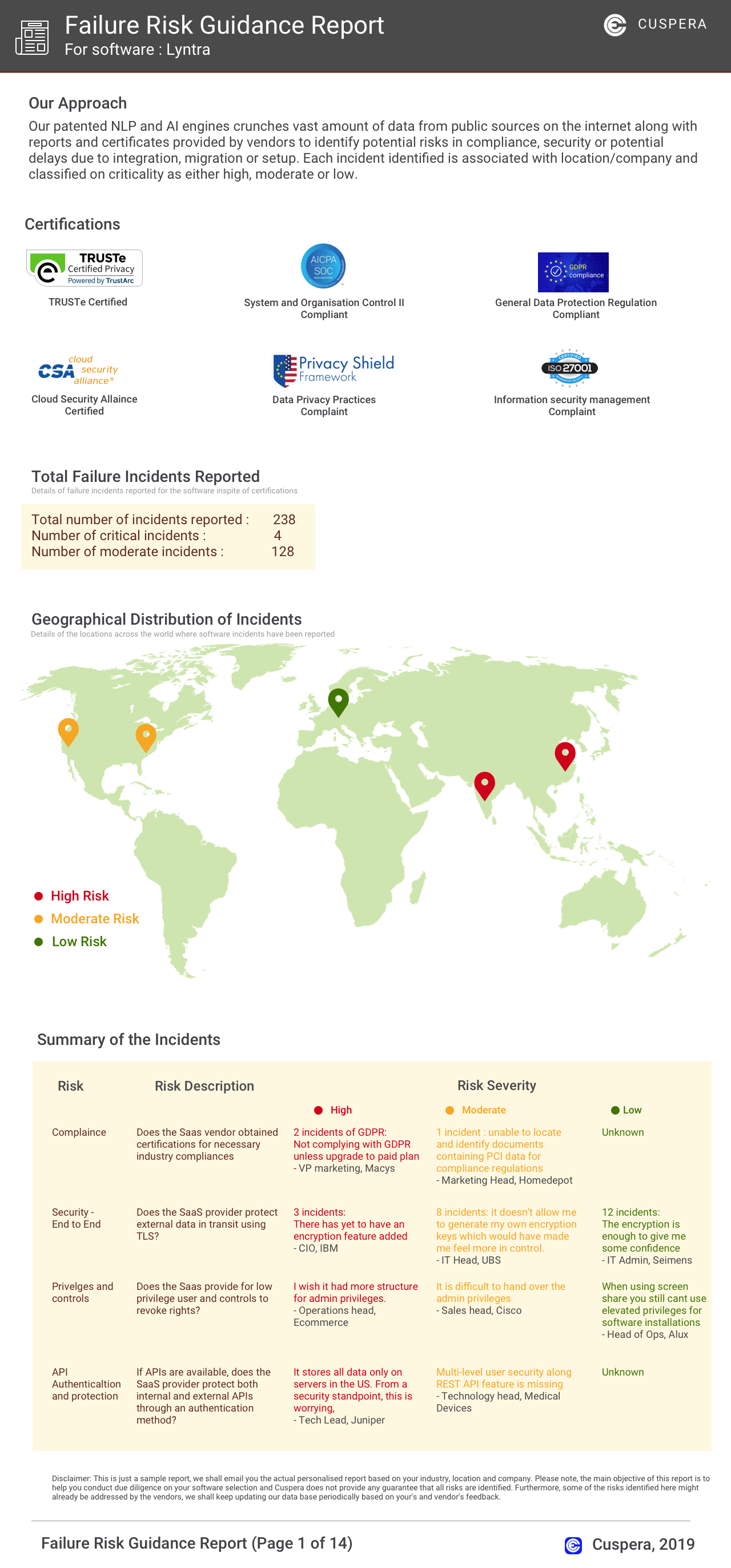
Software Failure Risk Guidance
?for M-files
Overall Risk Meter
Top Failure Risks for M-files
M-Files Corporation News
M-Files rolls out M-Files for Consulting, streamlining document-centric work
M-Files has launched "M-Files for Consulting," a new application tailored for consulting firms. This solution organizes the proposal-to-delivery lifecycle using M-Files' AI-native platform, providing a structured workspace with role-based user experiences. It aims to enhance document-centric work by ensuring accurate and governed content, addressing the challenges consulting firms face in leveraging AI effectively.
M-Files AI Agents for Tax, Manufacturing & Contracts
M-Files has launched new AI agents designed for tax advisory, manufacturing, and contracts management. These agents enhance document management by understanding business context, ensuring compliance, and maintaining audit trails. They operate on the M-Files Enterprise Knowledge Graph, offering improved accuracy and governance across cloud deployments.
M-Files Native Microsoft 365 Document Management
M-Files offers a native document management solution within Microsoft 365, enhancing governance, AI capabilities, and productivity. Unlike traditional integrations, M-Files operates directly within Microsoft 365, providing seamless access to content and ensuring consistent governance and security. This native approach eliminates operational friction and supports AI with context-rich, well-governed information.
M-Files Brings AI Agents Into Everyday Knowledge Work
M-Files has launched AI agents to automate document-centric tasks such as metadata management, search, workflow automation, and contract reviews. These agents leverage the Enterprise Knowledge Graph to understand documents and processes within governance controls, marking a shift toward AI systems participating in operational workflows.
M-Files Corporation Profile
HQ Location
6400 International Parkway, Suite 2500 Plano, TX 75093
Employees
251-500
Social


Financials
SERIES B