


Centrical overview: capabilities, features, use cases, and value by role
Centrical is a software platform that combines AI coaching, performance management, and learning to boost employee engagement and business performance.
Top capabilities of Centrical
Gamification
Read detailsCentrical's Gamification capability uses behavioral-science-driven game mechanics — team competitions, personal challenges, progressing game narratives, points, badges, leaderboards, peer and manager kudos, and a virtual store — to motivate frontline employees and lift measurable performance outcomes. The approach keeps employees genuinely active: associates at one organization sent over 6,400 kudos and earned over 29,000 badges, while employees highly active on Centrical exhibited 53% more new handset sales. Blake Collections reports that "We have achieved a great return on investment from Centrical and Verint Gamification." The engagement extends to onboarding as well: a leading global hospitality company notes that "The gamification of the onboarding process gave new hires a preview of what to expect of our learning environment: engaging, valuable and team member focused."
Microlearning
Read detailsCentrical's Microlearning capability uses AI to assess individual knowledge and performance gaps, then delivers targeted content — video, interactive simulations, and quizzes — reinforced through recurring knowledge refresher quizzes and gamified learning incentives. SYKES Enterprises (Latin America unit) says, "We felt that Centrical's gamified microlearning could work well when combined with its Learner-Centric approach" — and their onboarding results bore that out, with the onboarding process shortened from 5 to 3 days and completion of learning activities reaching 100%. Schools Credit Union reports a similar lift in day-to-day impact: "Our internal feedback surveys show that people are very pleased with the project. They state feeling it is helping them be more effective at work." Broader deployments show learning completion rates increased by 30% for both new hires and ongoing training, while time to proficiency decreased by 66%.
Coaching
Read detailsCentrical's Coaching capability delivers continuous, personalized coaching through AI-powered outlier insights, AI-generated team sentiment analysis, coaching templates, quality evaluation forms, virtual coaching conversations, and Manager Action KPIs. As a leading global hospitality brand puts it, "We found that by letting agents know what their goals and results are, supporting them with on-the-job training and coaching, and recognizing their efforts, they help us drive improvement."
Performance Management
Read detailsCentrical's Performance Management capability keeps frontline employees focused on the right goals through real-time KPI visibility, smart segmentation for dynamic target adjustment, performance-driven microlearning and coaching, gamification challenges, and detailed analytics — and the results resonate with customers: as Cellular Sales puts it, "Centrical is so far ahead of the sales performance management competition. There's no reason to work with anybody else."
MegAI
Read detailsCentrical's MegAI engine handles both task automation and personalized development in one system. It surfaces performance insights and coaching recommendations, then generates microlearning content through generative AI. The engine analyzes assessments and employee feedback, and targets AI-driven quizzes at each individual's specific knowledge and performance gaps.
Quality Assurance
Read detailsCentrical's Quality Assurance capability runs holistic quality monitoring programs through customizable evaluation forms and smart segmentation for targeted evaluations. AI-guided coaching feedback recommendations support ongoing performance improvement for agents. Real-time quality KPI visibility keeps agents informed of their standing, while gamified experiences engage both quality analysts and agents in the process.
Voice of Employee
Read detailsCentrical gives managers a window into frontline employee sentiment through two complementary inputs: regular pulse checks and targeted micro-surveys. The feedback from those surveys feeds directly into manager insights, so leaders can spot early signs of burnout before they escalate. Social knowledge-sharing contributions round out the picture, helping managers respond to individual employee needs.
AI Role-Play
Read detailsCentrical's AI Role-Play capability supports always-on, AI-driven skill development for frontline teams, letting employees practice and build competencies continuously within the Centrical platform.
Top features of Centrical
Social Knowledge Sharing
Read detailsCentrical's Engage Tools suite runs on peer-to-peer knowledge sharing: employees post expertise and tips, colleagues can view and upvote those contributions, and contributors earn points for each share.
Analytics
Read detailsCentrical's Analytics feature, within its Coaching module, gives managers a view of team trends across performance, engagement, learning, and wellbeing dimensions so they can better support each individual on their team.
Performance-Driven Microlearning
Read detailsCentrical delivers microlearning content triggered by individual performance data, surfacing the right knowledge and skills at the moment each employee needs them, as part of the Perform Tools suite.
Personalized Goals and KPI Tracking
Read detailsCentrical's Align Tool keeps employees connected to their individual goals with progress always visible, so expectations stay clear.
peer and manager kudos
Read detailsCentrical turns recognition into a two-way activity: employees and managers can send kudos to one another and earn points for doing so. Every achievement gets visibility, with badges and kudos shared directly in team conversations.
Guided Feedback and Continuous Feedback
Read detailsCentrical surfaces guided, continuous feedback to employees through its Align Tools suite, keeping performance alignment on track with timely, structured input on progress.
Interactive Simulations
Read detailsCentrical embeds interactive simulations within its performance-driven microlearning, tying learning directly to individual KPIs and addressing performance gaps in the flow of work through its performance management platform.
Pulse Checks / micro-surveys
Read detailsCentrical captures employee feedback at scale through two complementary survey tools. Pulse Checks deploys question sets globally, by team, or by persona, running on a schedule or in real time to measure happiness, well-being, and performance. Micro-surveys target unique user segments to collect feedback on specific experiences or training confidence levels.
Real-time Performance Visibility
Read detailsCentrical's Align Tools suite keeps employees and managers in sync through real-time visibility into performance progress, ensuring everyone stays focused on the right goals.
AI-Powered Digital Coach
Read detailsCentrical's AI-powered coaching tool, part of its Perform Tools suite, puts personalized guidance, knowledge, and support in front of frontline employees exactly when they need it — with the goal of helping them reach peak performance.
Upskilling & Reskilling
Read detailsCentrical's Optimize Tools suite centers on structured upskilling and reskilling, giving employees a path to grow within the organization and move into new roles while helping organizations reduce attrition.
personalized learning paths
Read detailsCentrical personalizes learning for frontline employees by adapting content to each person's individual needs and knowledge gaps, while weaving in gamification and continuous skill development.
Integrated Communications
Read detailsCentrical builds communication directly into its platform, letting managers reach remote teams through shared goals, conversations, and kudos to create alignment and maintain connections.
Career Pathing
Read detailsCentrical's Engage Tools suite maps out career pathways so employees can see where growth opportunities exist within their organization, while also supporting retention through effective role transitions.
Real-time Coaching Conversations
Read detailsCentrical's Engage Tools suite lets managers open real-time coaching conversations with employees, keeping performance dialogue continuous and guidance timely.
Manager Insights and Coaching Recommendations
Read detailsCentrical's Perform Tools suite puts performance insights and guided coaching recommendations in the hands of team leaders, drawing on operational data so managers can direct the right support to each individual.
AI-Generated Survey and Quiz Summaries
Read detailsCentrical takes the manual work out of reading survey and quiz results by automatically generating AI-powered summaries — so managers can see team sentiment and knowledge trends without digging through raw data themselves.
Survey Question Sets and Targeting
Read detailsCentrical allows administrators to deploy global, team-based, or persona-based question sets on a scheduled or real-time basis, giving precise control over which employee segments receive which pulse check or micro-survey content and when.
Burnout Early-Warning Detection
Read detailsCentrical identifies early signs of burnout by analyzing employee sentiment gathered through pulse checks and micro-surveys, so managers can respond to each employee's individual needs before burnout escalates.
Sentiment-Triggered Coaching and Learning
Read detailsCentrical uses employee sentiment data collected through surveys and check-ins to automatically trigger coaching sessions, learning assignments, and performance challenges tailored to each employee's unique needs.
Dynamic User Segment Grouping for Challenges
Read detailsCentrical dynamically groups user segments to assign the right competition or personal challenge to each individual, targeting performance improvement through its gamification platform.
Explainable AI with Bias Mitigation
Read detailsCentrical embeds explainable AI directly into its applications, with built-in processes to identify and mitigate potential bias. This keeps AI usage transparent and safe across customer deployments.
PII-Free AI Processing with Notice and Consent Controls
Read detailsCentrical keeps Personally Identifiable Information out of its AI services and applies notice and consent mechanisms whenever AI is used, safeguarding customer data privacy.
Multi-Model AI Selection
Read detailsCentrical operates as an open platform that builds proprietary models while also testing and training models from industry leaders including AWS and Azure, selecting the best-fit model for each use case to keep AI applied safely and effectively.
Automatic Fail Parameters
Read detailsAutomatic fail parameters live inside the evaluation form itself, so scoring stays consistent without relying on evaluators to apply the rules manually. Quality assurance administrators configure these parameters directly, keeping guidelines clear and uniform across every evaluation.
Root Cause Identification
Read detailsCentrical connects evaluation results to targeted follow-up — quality managers can trace performance issues to specific skills, behaviors, or knowledge gaps, then trigger coaching and learning directly within the same platform.
Multi-Channel Evaluation Support
Read detailsCentrical's quality management platform lets administrators configure customizable quality assurance and coaching plans that cover any channel — voice and digital alike — so evaluations stay relevant across all interaction types.
Question Banks for Individual Strength and Opportunity Identification
Read detailsCentrical maps individual strengths and gaps by drawing on question banks that span different processes, technical areas, and services. Results flow in real time to each person as guidance. They also signal where the organization as a whole needs to focus.
Top use cases for Centrical
Onboard new frontline agents effectively
Read detailsCentrical compresses the time it takes a new frontline agent to become productive, while working to reduce early attrition from the start. Contact center managers and L&D teams use it to run a structured, gamified onboarding journey. That journey pulls together several reinforcing elements: personalized learning missions, AI-driven knowledge refreshers, peer and manager recognition, and a preboarding checklist.
Drive frontline agent productivity and performance
Read detailsCentrical helps frontline managers and workforce leaders keep agents aligned with dynamic goals, motivated through gamification and real-time feedback, and continuously upskilled via personalized AI-driven learning — producing improvements in quality, service excellence, and sales performance.
Reduce employee attrition and improve retention
Read detailsCentrical supports contact center and HR leaders in building tenure and career growth through personalized onboarding, ongoing knowledge refreshers, targeted coaching, and gamified recognition — delivering outcomes that include reduced early attrition, improved sales performance, and higher customer satisfaction.
Scale personalized learning content creation with AI
Read detailsCentrical AI puts generative AI to work for L&D teams and supervisors, letting them automatically generate microlearning activities and quizzes. It surfaces personalized performance and coaching insights while continuously closing individual knowledge and performance gaps. The outcome is reduced learning and development costs and frontline teams that stay proficient and customer-focused.
Reskill and upskill the workforce
Read detailsCentrical gives L&D and HR leaders analytics to identify individual skills gaps. From there, personalized reskilling and upskilling programs build clear career pathways, and gamified recognition moves employees toward new capabilities. When priorities shift, teams can be rapidly certified to match. The result is higher retention, workforce agility, and improved employee loyalty.
Deliver continuous AI-powered coaching at scale
Read detailsCentrical's AI-powered coaching platform turns daily performance data into structured action for frontline managers. It surfaces outlier insights each day, then guides managers through coaching conversations using templates and quality evaluation forms. From there, the platform triggers personalized learning missions and challenges for each team member. The outcome is continuous, empathetic coaching at scale — one that drives team performance and reduces attrition.
Run actionable quality assurance programs
Read detailsCentrical brings together customizable evaluation forms, smart segmentation, and AI-guided feedback recommendations for quality analysts and supervisors. Those recommendations trigger immediate coaching and learning actions, closing the loop between assessment and improvement. A gamified quality monitoring experience keeps agents engaged while helping mitigate compliance risk.
Capture and act on employee feedback
Read detailsCentrical's Voice of the Employee tools cover pulse checks, micro-surveys, and AI-surfaced manager insights. Team leaders and frontline managers use these tools to identify early signs of burnout and trigger personalized coaching and learning responses. The tools also foster social recognition and knowledge sharing, keeping distributed teams emotionally connected and productive.
Motivate and engage distributed teams through gamification
Read detailsCentrical ties frontline engagement directly to business targets through gamification, recognition, and rewards — all in one platform. Dynamic game narratives, team competitions, and personal challenges give dispersed teams a reason to stay focused. Peer and manager recognition tools reinforce that motivation, and a virtual rewards store gives employees something tangible to work toward.
Value delivered by role with Centrical
Sales
Read detailsCentrical helps sales teams align with company objectives, develop skills, and drive revenue growth through personalized microlearning, real-time performance visibility, and gamified challenges tied to real selling behaviors. A top-tier consumer financial services company says, "Using Centrical, we aligned salespeople with company objectives without any change to their compensation plan", with mid-performers selling from wider product portfolios and top performers increasing sales by 30% under competitive pressure. Channel sales teams benefit as well: HP says, "With Centrical, we're able to get our channel partners to engage more, learn more, and perform better." Highly active Centrical users at one retailer showed 53% more new handset sales, along with 2X promotional combo sales, 45% more phone accessory sales, and 75% more new activations.
Learning and Development
Read detailsCentrical is a unified platform that ties personalized microlearning, gamified missions, and adaptive content directly to measurable business performance outcomes. As British Telecom (BT) puts it, "A complete reimagining of BT's approach to employee learning and development – especially in the midst of a pandemic – was necessary and Centrical made the difference." As adidas puts it, "Centrical has transformed how our rookies consume training content and how trainers train."
Contact Center
Read detailsCentrical brings together real-time performance visibility, personalized microlearning, gamification, and AI-powered coaching to drive measurable gains in agent performance, engagement, and customer satisfaction — with outcomes including 60% fewer call-flow errors, doubled sales rates, and 29% higher conversion rates. Agents receive immediate KPI feedback and complete targeted learning missions between calls, while supervisors get quality-linked coaching tools that cut administrative burden. As a leading regional bank puts it, "With Centrical our customer service colleagues learned more and performed better…in a fun way." — a result that also coincided with attrition reduced by 8% in their contact center.
What customers say about Centrical: ratings, outcomes and feedback
Centrical's customer experience picture covers two angles: what customers value in day-to-day use, and where they see room for improvement. Both dimensions reflect firsthand accounts from people who work with the platform regularly.
What works well
British Telecom says, "The aim is to improve the learning experience of our 150,000 employees and contractors across the organization globally". Unilever reports that "The initiative was recognized with the 2026 Gartner Power of the ProfessionTM "People Breakthrough of the Year" award for its impact on workforce transformation." Employees using Centrical describe wanting feedback that is as immediate as possible. One customer describes shifting skills development from a routine chore into an exciting and competitive experience.
Where customers see room for improvement
Centrical customers point to a handful of recurring gaps around documentation, ease of setup, and integration reach. Sykes Enterprises, Inc. puts it directly, asking for More in-depth support articles at their database for narrative config/design - More plug and play narrative options for beginners. That same feedback signals that first-time users find the configuration experience steeper than they would like. Customers also raise the need for integration with more platforms through API.
Centrical Customer wins, Case studies
Frequently Asked Questions (FAQ)
What buyers ask before choosing Centrical
Integrations What CRM integrations are available with Centrical?
Centrical offers several CRM integrations to enhance employee engagement and performance management. Specifically, it integrates seamlessly with popular platforms such as Salesforce, HubSpot, and Microsoft Dynamics 365. These integrations allow organizations to leverage their existing customer relationship management systems while utilizing Centrical's gamification, performance tracking, and coaching tools. By connecting Centrical with these CRMs, businesses can streamline their processes, improve data visibility, and foster a more engaging employee experience. This integration not only helps in motivating frontline employees but also drives productivity and customer satisfaction, making it a valuable addition to any organization's tech stack.
Integrations How does Centrical connect to Salesforce and HubSpot?
Centrical seamlessly integrates with Salesforce and HubSpot to enhance employee engagement and performance management. By connecting with Salesforce, Centrical allows organizations to leverage customer relationship management data to create personalized performance metrics and coaching opportunities for sales teams. This integration helps in tracking key performance indicators directly related to sales activities, fostering a competitive yet supportive environment. Similarly, the HubSpot integration enables Centrical to utilize marketing automation data, providing insights that can drive employee motivation and learning initiatives. Together, these integrations ensure that organizations can align their frontline employees' goals with broader business objectives, ultimately enhancing productivity and customer satisfaction. For more information on how to set up these integrations, you can reach out to Centrical's support team.
Integrations How does Centrical connect to Salesforce and what are the setup steps?
Centrical integrates seamlessly with Salesforce to enhance employee performance management by leveraging Salesforce data for personalized engagement and motivation. To set up this integration, first, ensure you have administrative access to both Centrical and Salesforce. Begin by navigating to the Centrical dashboard and selecting the integration settings. From there, you will need to authenticate your Salesforce account by entering your Salesforce credentials. Once authenticated, configure the data fields you wish to sync, such as performance metrics and employee profiles. Finally, test the integration to ensure data flows correctly between the two platforms. This connection allows you to utilize Salesforce insights within Centrical, driving better employee engagement and performance outcomes. For further assistance, you can reach out to Centrical's support team.
Integrations What are the setup steps for integrating Centrical with Marketo?
To integrate Centrical with Marketo, start by ensuring you have administrative access to both platforms. First, log into your Centrical account and navigate to the integration settings. Here, you will find the option to connect with Marketo. You will need to enter your Marketo API credentials, which include the Client ID and Client Secret, obtainable from your Marketo account under the Admin section. Once the credentials are entered, authorize the connection. Next, configure the data mapping between Centrical and Marketo to ensure that performance metrics and employee engagement data flow seamlessly. Finally, test the integration to confirm that data is syncing correctly. This setup allows you to leverage Centrical's performance management tools alongside Marketo's marketing automation capabilities, enhancing your overall employee engagement and performance strategies.
Integrations Is there a HubSpot integration for Centrical, and how does it work?
Yes, Centrical offers a HubSpot integration that enhances employee engagement and performance management by seamlessly connecting with your existing HubSpot CRM. This integration allows organizations to leverage HubSpot's customer data to create personalized performance metrics and gamification elements within Centrical. By utilizing this integration, businesses can align their sales and support teams' goals with customer interactions, fostering a more engaged workforce. Employees can track their performance in real-time, participate in gamified activities, and receive coaching based on insights derived from HubSpot data. This synergy not only boosts motivation but also drives productivity, ensuring that employees are equipped to deliver exceptional customer experiences. For more details on how to implement this integration, you can reach out to Centrical's support team.
Integrations Is there API access for Centrical integrations, and how does it work?
Yes, Centrical offers API access for integrations, allowing businesses to connect its platform with existing systems seamlessly. The API facilitates data exchange between Centrical and various tools within your tech stack, such as CRM, CCaaS, WFM, QA, LMS, HRIS, and VoC systems. This integration capability enables organizations to leverage Centrical's gamification, performance management, and microlearning features alongside their current applications, enhancing employee engagement and productivity. To utilize the API, developers can access comprehensive documentation provided by Centrical, which outlines the endpoints, authentication methods, and data formats required for integration. This flexibility ensures that businesses can tailor Centrical's solutions to fit their unique workflows and operational needs, maximizing the value derived from the platform.
Integrations What are the configuration requirements for integrating Centrical with Marketo?
To integrate Centrical with Marketo, you need to ensure that you have an active Marketo account and the necessary permissions to create and manage integrations. The integration typically requires API access, so you should generate an API key from your Marketo account settings. Additionally, you will need to configure the connection settings within Centrical, which involves entering your Marketo API credentials and specifying the data fields you wish to sync, such as lead scores and engagement metrics. It’s also advisable to review the documentation provided by Centrical for any specific configuration steps or requirements unique to your setup. This integration allows you to leverage Marketo's marketing automation capabilities alongside Centrical's employee engagement tools, enhancing overall performance management.
Integrations What is the data flow between Centrical and other systems like CCaaS and WFM?
The data flow between Centrical and other systems such as CCaaS (Contact Center as a Service) and WFM (Workforce Management) is designed to create a seamless integration that enhances employee performance and engagement. Centrical connects with existing CX tech stacks, allowing for real-time data exchange that informs performance metrics, coaching opportunities, and employee development. For instance, performance data from WFM can be utilized within Centrical to tailor personalized learning experiences, while CCaaS data can drive gamification elements that motivate employees. This interconnectedness ensures that managers and employees have access to accurate, actionable insights, fostering a more engaged workforce and improving overall customer outcomes. By leveraging these integrations, organizations can optimize their employee experience and drive productivity effectively.
Integrations How does data flow between Centrical and Dynamics 365, and are there any limitations?
Centrical integrates with Dynamics 365 to facilitate seamless data flow, allowing organizations to leverage performance metrics and employee engagement insights effectively. This integration enables real-time synchronization of data, ensuring that performance data from Dynamics 365 is accurately reflected in Centrical's platform, which can enhance employee motivation and productivity. However, there may be limitations regarding the types of data that can be transferred and the frequency of updates, which can depend on the specific configurations and permissions set within both systems. Organizations should assess their unique requirements and consult with Centrical's support team to understand any potential constraints and optimize the integration for their needs.
Integrations Are there any limitations to the integrations offered by Centrical?
Centrical offers a robust integration framework designed to work seamlessly with existing customer experience (CX) technology stacks, including popular platforms such as CRM, CCaaS, WFM, QA, LMS, HRIS, and VoC systems. However, while Centrical aims to provide comprehensive integration capabilities, limitations may arise based on specific use cases or the complexity of the existing systems. For instance, certain legacy systems may not support full integration features, or there may be constraints related to data synchronization and real-time updates. It's essential for organizations to assess their current technology landscape and discuss their specific integration needs with Centrical's team to ensure compatibility and optimal performance. By doing so, businesses can maximize the benefits of Centrical's performance management solutions while addressing any potential integration challenges.
Integrations What API access does Centrical provide for third-party integrations?
Centrical provides robust API access that facilitates seamless third-party integrations, allowing businesses to connect their existing customer experience (CX) technology stack, including CRM, CCaaS, WFM, QA, LMS, HRIS, and VoC systems. This integration capability enables organizations to enhance employee engagement and performance management by leveraging data from various platforms. With Centrical's API, companies can automate workflows, synchronize performance metrics, and create a unified employee experience that drives productivity and retention. By integrating with other tools, businesses can ensure that their frontline employees have access to the necessary resources and insights, ultimately transforming their operational efficiency and effectiveness.
Features What does Centrical's gamification feature do?
Centrical's gamification feature is designed to enhance employee engagement and performance by integrating game-like elements into the workplace. This feature allows employees to participate in challenges, compete against peers, and progress through various game narratives, such as dynamic car races or treasure hunts, by achieving specific goals. As employees complete tasks and reach milestones, they earn points and redeemable coins, which fosters motivation and a sense of accomplishment. By leveraging behavioral science, Centrical's gamification not only makes learning and development more enjoyable but also aligns employee activities with company objectives, ultimately driving productivity and retention. This approach creates a vibrant and competitive environment that encourages continuous improvement and teamwork among employees.
Features What does the Centrical user dashboard do?
The Centrical user dashboard is a powerful tool designed to enhance employee engagement and performance tracking within organizations. It provides real-time visibility into key performance indicators (KPIs), allowing employees to monitor their progress and achievements proactively. The dashboard features dynamic leaderboards that foster healthy competition among team members, while also offering immediate feedback to help employees improve their performance. Additionally, it centralizes performance data, reducing administrative workload for managers and enabling them to focus on coaching and development. By integrating gamification elements, the Centrical dashboard keeps the experience enjoyable and motivating, ultimately driving better results for both employees and the organization as a whole.
Features How do I configure KPI visibility in Centrical?
To configure KPI visibility in Centrical, start by accessing the platform's dashboard where you can manage user settings. Navigate to the KPI management section, where you can define the specific KPIs you want to track, such as sales performance or customer service metrics. Utilize the smart segmentation feature to automatically group users based on criteria like team, tenure, or performance status, ensuring that each employee sees relevant KPIs tailored to their role. You can also set up real-time operational data integrations from tools like CRM, Telephony, or POS systems to keep everyone aligned with organizational goals. Finally, ensure that the visibility settings are adjusted to allow employees and managers to view their performance data, fostering motivation and accountability.
Features How do I configure custom workflows in Centrical?
To configure custom workflows in Centrical, start by accessing the Centrical platform and navigating to the "Workflows" section within the dashboard. Here, you can create a new workflow by selecting the "Add Workflow" option, where you can define the specific steps and actions that align with your organizational goals. Utilize the intuitive drag-and-drop interface to arrange tasks, set triggers, and assign responsibilities to team members. Additionally, you can incorporate elements such as microlearning modules and performance metrics to enhance engagement and effectiveness. Once your workflow is designed, save and test it to ensure it functions as intended. For further assistance, Centrical offers resources and templates in the Change Hub to guide you through the configuration process, ensuring a smooth implementation tailored to your needs.
Features What is the purpose of Centrical AI and how does it work?
Centrical AI is an innovative platform designed to enhance employee performance and engagement through personalized learning and coaching. Its primary purpose is to automate routine tasks and tailor development paths for frontline teams, enabling them to focus on delivering exceptional customer service. Centrical AI utilizes generative AI to create engaging microlearning activities and quizzes that address individual knowledge gaps, thereby improving competencies and knowledge retention. By providing real-time feedback and recognizing achievements, Centrical empowers employees to take ownership of their performance. This approach not only fosters a culture of continuous improvement but also drives business results by increasing productivity and reducing attrition rates. Overall, Centrical AI transforms traditional performance management into a dynamic, engaging experience that benefits both employees and organizations.
Features What features are included in the Centrical insights module?
The Centrical insights module offers a comprehensive suite of features designed to enhance performance management and employee engagement. Key functionalities include real-time performance tracking, which allows organizations to monitor employee metrics and progress against goals, and advanced analytics that provide actionable insights into team performance trends. Additionally, the module incorporates AI-driven coaching capabilities, enabling personalized feedback and development plans tailored to individual employee needs. It also features gamification elements that foster healthy competition and motivation among employees. By leveraging these insights, businesses can make informed decisions to improve productivity, reduce attrition, and enhance overall employee satisfaction, ultimately driving better organizational outcomes.
Features How can I use the performance management tools in Centrical?
To effectively use the performance management tools in Centrical, start by setting clear performance goals aligned with your organization's objectives. Utilize the platform's AI-driven insights to monitor employee performance in real-time, allowing you to identify strengths and areas for improvement. Engage employees through gamification features, such as dynamic leaderboards and surprise activities, which foster healthy competition and motivation. Regularly review performance data and feedback provided by Centrical to facilitate constructive conversations during one-on-one meetings. Additionally, leverage the platform's reporting capabilities to track progress and adjust strategies as needed, ensuring that your team remains focused and engaged in their performance journey. By integrating these tools, you can enhance overall productivity and drive business success.
Features How does Centrical's compliance management feature work?
Centrical's compliance management feature streamlines the process of ensuring that employees meet regulatory and training requirements through engaging and effective methods. It incorporates gamification elements to motivate employees, making compliance training not only mandatory but also enjoyable. The platform allows organizations to create tailored training modules that employees can complete at their own pace, while real-time performance tracking ensures that managers can monitor progress and compliance levels. This approach has proven successful, as evidenced by a 90% success rate in completing daily learning among users like Payoneer. By integrating compliance training into the daily workflow, Centrical helps organizations maintain regulatory standards while fostering a culture of continuous learning and engagement.
Features What features are included in Centrical's quality assurance module?
Centrical's quality assurance module includes a range of features designed to enhance the evaluation and monitoring of employee performance. Key functionalities encompass AI-driven insights that simplify the evaluation process, ensuring it is both fair and actionable. The module allows for the creation of customizable question banks that cover various processes and services, enabling organizations to identify individual strengths and areas for improvement. Additionally, it integrates gamification elements to foster engagement and motivation among employees, making the quality monitoring experience more interactive. By leveraging these features, businesses can elevate their operational standards, boost overall performance, and drive continuous improvement within their teams.
Features What security measures does Centrical implement?
Centrical implements a comprehensive suite of security measures to ensure the protection of employee data and compliance with industry standards. As a SOC 2 compliant organization, Centrical has undergone rigorous audits by Ernst & Young, demonstrating its commitment to maintaining high security, availability, and confidentiality standards. The platform employs state-of-the-art security controls in accordance with the AICPA Trust Services Principles, safeguarding sensitive information against unauthorized access and breaches. Additionally, Centrical adheres to GDPR regulations, ensuring that personal data of EU individuals is collected, processed, and shared in a secure manner. By prioritizing data security and privacy, Centrical provides organizations with a reliable environment to enhance employee motivation and performance through its gamification and engagement solutions.
Features How do I set up smart segmentation for my team in Centrical?
To set up smart segmentation for your team in Centrical, start by accessing the platform's user management section. Here, you can create segments based on various criteria such as performance metrics, roles, or specific skills. Utilize the data-driven insights provided by Centrical to identify key attributes that define each segment, ensuring that you tailor experiences and goals to meet the unique needs of different groups. Once segments are defined, leverage Centrical's gamification features to create targeted challenges and rewards that resonate with each segment, fostering engagement and motivation. Regularly review and adjust your segments based on performance data to ensure they remain relevant and effective in driving results. This approach not only enhances employee engagement but also aligns team efforts with organizational goals, maximizing overall productivity.
Features How do I use the microlearning feature in Centrical?
To use the microlearning feature in Centrical, start by accessing the platform and navigating to the microlearning section. Here, you can create personalized, bite-sized learning content tailored to your employees' needs. Utilize the AI capabilities to generate content summaries and knowledge check quizzes that align with your training objectives, whether for onboarding new hires or addressing regulatory changes. You can also implement gamification elements to enhance engagement and motivation among employees. Monitor progress through performance metrics provided by Centrical, allowing you to adjust learning paths as necessary to ensure effective skill development and knowledge retention. By integrating microlearning into your training strategy, you can foster a more engaging and efficient learning environment that drives employee performance.
ROI & pricing What measurable business value can Centrical provide for my organization?
Centrical offers measurable business value by enhancing employee engagement and performance through its integrated platform. Organizations using Centrical have reported significant improvements, including a 12% increase in productivity, a 15% boost in customer satisfaction (CSAT) and first contact resolution (FCR) scores, and a 50% reduction in onboarding time. Additionally, companies experience a 30% decrease in early attrition rates and a remarkable 3.5 times increase in employee engagement levels. By leveraging AI-driven insights, Centrical empowers managers to track performance in real-time, fostering a culture of healthy competition and continuous improvement. This holistic approach not only drives operational excellence but also contributes to a more motivated workforce, ultimately leading to enhanced business outcomes and a stronger bottom line.
ROI & pricing What measurable business outcomes can Centrical provide for my organization?
Centricial can deliver several measurable business outcomes for your organization by enhancing employee engagement, productivity, and performance tracking. By centralizing performance data and providing real-time visibility into key performance indicators (KPIs), Centrical empowers employees to proactively manage their performance, leading to improved results. The platform's dynamic leaderboards foster healthy competition, motivating employees to excel while reducing administrative workload for team leaders through clear and consistent reporting. Additionally, Centrical's quality management features leverage AI-driven insights to enhance operational standards and drive excellence. Clients have reported increased motivation and a more enjoyable work environment, ultimately contributing to better customer experiences and organizational success. By implementing Centrical, organizations can expect to see tangible improvements in employee performance and overall business outcomes.
ROI & pricing How does Centrical improve ROI through employee engagement and performance management?
Centrical improves ROI through employee engagement and performance management by leveraging its AI-driven platform to enhance productivity, motivation, and overall employee experience. By integrating gamification, real-time feedback, and personalized coaching, Centrical fosters a culture of engagement that leads to measurable outcomes, such as a reported 12% increase in productivity and a 15% rise in customer satisfaction scores. The platform aligns employees with organizational goals, ensuring that their efforts contribute directly to business objectives. Additionally, Centrical's tools help reduce early attrition by 30%, which lowers recruitment costs and retains valuable talent. By transforming the employee journey from onboarding to ongoing development, Centrical not only boosts performance but also drives significant financial returns, making it a strategic investment for organizations aiming to enhance their workforce effectiveness.
ROI & pricing How does Centrical improve employee engagement and what is the expected ROI?
Centrical improves employee engagement through its AI-driven solutions that focus on enhancing performance, motivation, and workplace satisfaction. By incorporating gamification elements, personalized feedback, and real-time performance tracking, Centrical fosters a culture of healthy competition and recognition among employees. This approach not only boosts productivity—evidenced by a reported 12% increase—but also enhances customer satisfaction (CSAT) and first contact resolution (FCR) scores by 15%. The expected ROI from implementing Centrical can be significant, with organizations experiencing 50% faster onboarding, a 30% reduction in early attrition, and overall improved employee morale, leading to a more engaged workforce. By investing in Centrical, businesses can expect tangible improvements in both employee performance and retention, ultimately driving business success.
ROI & pricing What are the different pricing plans available for Centrical, and what do they include?
Centrical offers a variety of pricing plans tailored to meet the needs of different organizations, with all licenses priced per user. The specific details of each plan depend on the type of license you choose for your team, which can include features such as performance tracking, gamification elements, coaching tools, and personalized learning experiences. While the exact pricing is not publicly listed, potential customers are encouraged to connect with Centrical directly to explore the available solutions and receive a customized quote based on their unique requirements. This approach ensures that businesses can select a plan that aligns with their goals for enhancing frontline team performance and engagement.
ROI & pricing What are the different pricing plans available for Centrical and what do they include?
Centrical offers various pricing plans tailored to meet the needs of different teams, with all licenses priced per user. The specific details of each plan depend on the type of license you choose, which can include options that focus on performance management, coaching, and employee engagement. While the exact pricing is not publicly listed, potential customers are encouraged to connect with Centrical directly to explore the available solutions and receive customized pricing information. This approach allows businesses to select a plan that aligns with their unique requirements and objectives, ensuring they maximize the value of Centrical's offerings for their frontline teams.
ROI & pricing What is the total cost of ownership for implementing Centrical in a business?
The total cost of ownership (TCO) for implementing Centrical in a business includes several components that go beyond just the licensing fees, which are priced per user based on the type of license chosen. TCO encompasses initial setup costs, ongoing subscription fees, training expenses for employees, and potential costs associated with integrating Centrical with existing systems. Additionally, businesses should consider the investment in change management resources and the time required for employees to adapt to the new platform. By evaluating these factors, organizations can better understand the long-term financial commitment involved in leveraging Centrical to enhance employee performance and engagement, ultimately driving business success. For a detailed breakdown tailored to your specific needs, it's advisable to schedule a call with Centrical to explore pricing and implementation strategies.
ROI & pricing What is the total cost of ownership for implementing Centrical in my business?
The total cost of ownership (TCO) for implementing Centrical in your business primarily depends on the type of licenses you choose, as all licenses are priced per user. Additional costs may include implementation, training, and ongoing support, which can vary based on the size of your team and the specific features you opt for. To get a comprehensive understanding of the TCO, it's advisable to connect with Centrical directly to explore your organization's unique needs and receive tailored pricing information. This approach ensures you account for all potential expenses, allowing you to budget effectively while maximizing the benefits of Centrical's performance management solutions for your frontline teams.
ROI & pricing How quickly can I expect to see value from Centrical after implementation?
After implementing Centrical, organizations can expect to see value relatively quickly, often within a few weeks. The platform is designed to centralize performance tracking and provide real-time visibility into key performance indicators (KPIs), which empowers employees to manage their performance proactively. Clients have reported improvements in productivity and engagement shortly after launch, thanks to features like dynamic leaderboards and immediate feedback mechanisms that foster healthy competition among team members. Additionally, the Change Hub offers ready-to-use resources and templates that facilitate a smooth transition from planning to execution, ensuring that teams can start benefiting from Centrical's capabilities without delay. Overall, the combination of quick implementation and effective tools leads to noticeable enhancements in employee performance and organizational outcomes in a short timeframe.
ROI & pricing What cost savings can Centrical deliver compared to traditional performance management systems?
Centrical can deliver significant cost savings compared to traditional performance management systems by streamlining processes and enhancing employee engagement. Traditional systems often rely on manual data analysis and disconnected tools, leading to inefficiencies and higher operational costs. In contrast, Centrical integrates performance management with gamification and real-time feedback, which not only motivates employees but also fosters a culture of continuous improvement. This holistic approach reduces the need for extensive training and manual oversight, ultimately lowering administrative costs. Additionally, by improving employee performance and retention, Centrical helps organizations minimize turnover-related expenses, further contributing to overall cost savings. By adopting Centrical, businesses can achieve better results while optimizing their performance management investments.
ROI & pricing What cost savings can Centrical deliver compared to traditional performance management solutions?
Centrical can deliver significant cost savings compared to traditional performance management solutions by streamlining processes and enhancing employee engagement through gamification and real-time performance tracking. Traditional systems often rely on manual data analysis and disconnected tools, leading to inefficiencies and higher operational costs. In contrast, Centrical integrates performance management with training and quality processes, providing a unified platform that reduces the time and resources spent on performance evaluations. By fostering a culture of healthy competition and motivation among employees, Centrical not only boosts productivity but also minimizes turnover rates, which can be a substantial cost for organizations. Overall, the combination of improved visibility, engagement, and efficiency translates into tangible cost savings for businesses adopting Centrical over legacy systems.
Capabilities What performance management features does Centrical offer?
Centrical offers a comprehensive suite of performance management features designed to enhance employee engagement and productivity. Key functionalities include AI-driven insights that provide real-time performance data, enabling managers and employees to track progress effectively. The platform incorporates gamification elements, such as surprise games and activities, to motivate employees and foster a sense of healthy competition. Additionally, Centrical facilitates personalized goal setting and feedback mechanisms, allowing employees to align their objectives with organizational goals. This holistic approach not only helps in monitoring performance but also actively drives improvement, making it easier for organizations to achieve their business objectives while keeping employees engaged and motivated.
Capabilities Can Centrical support enterprise-level security and compliance standards?
Yes, Centrical is designed to support enterprise-level security and compliance standards, ensuring that your organization’s data is safeguarded with robust security measures. The platform is SOC 2 compliant, having undergone rigorous audits by Ernst & Young, which verifies that Centrical adheres to the highest standards of security, availability, and confidentiality. This commitment to security not only protects sensitive employee data but also helps organizations meet various compliance requirements, including GDPR and CCPA. By implementing state-of-the-art security solutions, Centrical provides a reliable environment that businesses can trust, allowing them to focus on enhancing employee performance and engagement without compromising on data security.
Capabilities Does Centrical provide AI-driven insights for performance optimization?
Yes, Centrical provides AI-driven insights specifically designed for performance optimization. The platform leverages generative AI to analyze employee performance data, identifying individual knowledge and performance gaps. This allows managers to receive real-time feedback and insights that can guide coaching and development efforts effectively. By automating routine tasks and personalizing employee development, Centrical empowers frontline teams to focus on delivering exceptional customer service while continuously improving their skills. The AI-driven insights not only enhance engagement but also drive business results by motivating employees to take ownership of their performance and achieve clear goals. Overall, Centrical's approach to performance management ensures that organizations can optimize results at scale through data-driven strategies.
Capabilities Does Centrical provide AI-driven insights for optimizing employee performance?
Yes, Centrical provides AI-driven insights specifically designed to optimize employee performance. The platform leverages generative AI to automatically generate personalized learning paths and quizzes that address individual knowledge and performance gaps, enhancing competencies and knowledge retention. By transforming traditional scorecard processes into real-time tracking mechanisms, Centrical enables managers and trainers to gain actionable insights into employee performance. This data-driven approach not only helps identify areas for improvement but also fosters a culture of continuous development and engagement among employees. Ultimately, Centrical's AI capabilities empower organizations to enhance productivity and drive better business outcomes through informed decision-making and tailored employee development strategies.
Capabilities Can Centrical facilitate gamification to enhance employee engagement?
Yes, Centrical can effectively facilitate gamification to enhance employee engagement by leveraging behavioral science principles to create a dynamic and motivating environment. The platform offers various game narratives and features, such as team competitions, personal challenges, and dynamic leaderboards, which encourage employees to actively participate in their training and performance development. By aligning individual goals with company objectives, Centrical fosters a sense of healthy competition and collaboration among employees. Additionally, it provides instant feedback and recognition, which are crucial for maintaining motivation and engagement. Organizations that implement Centrical have reported significant improvements in employee performance and satisfaction, making it a valuable tool for enhancing overall workplace engagement.
Capabilities Can Centrical facilitate gamification in employee training and development?
Yes, Centrical can effectively facilitate gamification in employee training and development by leveraging behavioral science to enhance engagement and productivity. The platform offers a variety of exciting game narratives, such as dynamic car races and exploration challenges, which motivate employees to achieve their training goals. By incorporating elements like team competitions, personal challenges, and rewards for accomplishments, Centrical creates a stimulating environment that encourages continuous learning and improvement. This gamified approach not only boosts motivation but also fosters a culture of collaboration and healthy competition among employees, ultimately leading to higher completion rates and better alignment with company objectives. With Centrical, organizations can transform traditional training methods into engaging experiences that drive performance and development.
Capabilities Does Centrical support multiple workflows across different teams?
Yes, Centrical supports multiple workflows across different teams, making it a versatile solution for organizations looking to enhance employee engagement and performance. The platform is designed to integrate seamlessly with existing customer experience technology stacks, including CRM, CCaaS, WFM, QA, LMS, HRIS, and VoC systems. This integration allows Centrical to cater to various departmental needs, enabling tailored performance management, coaching, and learning experiences for different teams. By leveraging gamification and microlearning, Centrical fosters a culture of healthy competition and motivation, which can be customized to align with the specific goals and workflows of each team. This adaptability ensures that all employees, regardless of their role, can benefit from a cohesive and effective performance management strategy.
Capabilities Can Centrical handle large-scale data analysis for performance management?
Yes, Centrical is designed to handle large-scale data analysis for performance management effectively. The platform leverages AI-driven insights to optimize employee performance and engagement, making it suitable for organizations of various sizes. By utilizing advanced analytics, Centrical can process and analyze vast amounts of performance data, providing actionable insights that help managers and employees identify strengths and areas for improvement. This capability not only enhances individual performance but also drives overall business success by fostering a culture of continuous improvement. With Centrical, organizations can go beyond mere monitoring to implement strategies that elevate performance at scale, ensuring that data-driven decisions lead to tangible results.
Capabilities Can Centrical handle large-scale data management for enterprise needs?
Yes, Centrical is equipped to handle large-scale data management for enterprise needs effectively. The platform is designed to support comprehensive performance reporting and business intelligence, allowing organizations to track and analyze vast amounts of employee performance data seamlessly. Centrical's capabilities include business performance monitoring and management, which are essential for enterprises that require real-time insights into their workforce's productivity and engagement levels. By leveraging gamification and interactive elements, Centrical not only makes data management more engaging but also enhances employee motivation and performance. This combination of robust data handling and employee-centric features positions Centrical as a valuable tool for enterprises looking to optimize their operations and drive results through informed decision-making.
Use cases How can SDRs use Centrical to improve their new product sales?
Sales Development Representatives (SDRs) can leverage Centrical to enhance their new product sales by utilizing its gamification and AI-driven microlearning features. By engaging in interactive activities and competitions, SDRs can stay motivated while tracking their performance metrics in real-time. Centrical's platform allows SDRs to align their sales strategies with company objectives, ensuring they understand the benefits of the new products they are selling. Additionally, the platform provides tailored training resources that help SDRs quickly grasp product details and selling points, leading to improved confidence and effectiveness in their pitches. As evidenced by case studies, organizations that implemented Centrical saw significant increases in new product sales, demonstrating its effectiveness in driving performance and results for SDRs.
Use cases What role does Centrical play in cross-training initiatives for sales organizations?
Centrical plays a pivotal role in cross-training initiatives for sales organizations by providing a comprehensive platform that enhances employee engagement and skill development. Through its gamification features and AI-powered microlearning, Centrical motivates sales teams to participate actively in training programs, ensuring they acquire the necessary knowledge and skills efficiently. For instance, organizations have successfully leveraged Centrical to achieve 100% completion rates in cross-training initiatives, aligning salespeople with company objectives and demonstrating the benefits of new product sales. By fostering a culture of healthy competition and continuous learning, Centrical not only boosts individual performance but also drives overall organizational success, making it an invaluable tool for any sales team looking to enhance their capabilities and adapt to changing market demands.
Use cases What role does Centrical play in cross-training initiatives for sales teams?
Centricial plays a crucial role in cross-training initiatives for sales teams by providing a comprehensive platform that enhances engagement and skill development through gamification and AI-powered microlearning. By aligning salespeople with company objectives, Centrical facilitates the acquisition of new product knowledge and essential skills, ensuring that team members are well-prepared to meet diverse client needs. The platform's interactive elements, such as surprise games and activities, foster a sense of healthy competition, motivating agents to achieve their training goals. As evidenced by case studies, organizations leveraging Centrical have reported significant improvements in training completion rates and overall sales performance, making it an invaluable tool for any company looking to enhance its sales team's capabilities through effective cross-training initiatives.
Use cases In what situations is Centrical most effective for enhancing employee engagement in the hospitality industry?
Centrical is most effective for enhancing employee engagement in the hospitality industry during situations that require improved performance, motivation, and retention among frontline staff, such as reservations and customer care teams. For instance, when a hospitality brand faces challenges like high attrition rates or low sales conversion, Centrical's gamified training and real-time performance insights can significantly boost agent engagement and productivity. The platform's ability to unify performance data, deliver instant feedback, and create a fun learning environment helps employees feel more connected and motivated. Additionally, during periods of high customer demand or service expectations, Centrical can enhance team leaders' visibility into agent performance, enabling timely coaching and support, ultimately leading to improved customer satisfaction and loyalty.
Use cases In what situations should RevOps teams implement Centrical for performance management?
RevOps teams should consider implementing Centrical for performance management in situations where they aim to enhance employee engagement, optimize performance metrics, and drive consistent results across their organization. Centrical's platform is particularly beneficial when teams face challenges related to inconsistent performance data, lack of visibility into employee progress, or the need for real-time feedback mechanisms. Additionally, if the organization is looking to foster a culture of motivation through gamification and personalized insights, Centrical can effectively address these needs. It is also suitable for companies that require integration with existing tools and platforms to streamline performance management processes, ensuring that all employees are aligned with organizational goals and can actively contribute to achieving them.
Use cases How can RevOps teams leverage Centrical to reduce early attrition rates?
RevOps teams can leverage Centrical to significantly reduce early attrition rates by implementing its AI-driven solutions that focus on personalized onboarding and continuous employee engagement. Centrical provides tailored training and coaching, ensuring new hires feel connected to the company’s values and equipped with the skills they need to succeed. By utilizing gamification and real-time performance feedback, RevOps teams can create a motivating environment that fosters healthy competition and encourages employees to stay engaged. Additionally, Centrical's focus on career growth and recognition helps build loyalty and reduces the likelihood of turnover. With reported outcomes such as a 30% reduction in early attrition, RevOps teams can effectively enhance employee retention and productivity, ultimately driving better business results.
Use cases How can sales leaders leverage Centrical to align their teams with company objectives?
Sales leaders can leverage Centrical to align their teams with company objectives by utilizing its comprehensive performance management features, which include real-time visibility into key performance indicators (KPIs) and dynamic leaderboards that foster healthy competition. By integrating Centrical into their sales strategy, leaders can set clear goals and provide immediate feedback, ensuring that team members understand how their individual contributions impact overall business objectives. The platform also supports gamification and microlearning, making it easier for salespeople to engage with training materials and develop necessary skills. Additionally, Centrical's AI-powered insights guide managers in coaching their teams effectively, ultimately driving motivation and enhancing productivity. This alignment not only boosts sales performance but also cultivates a culture of accountability and achievement within the organization.
Use cases What are the best practices for implementing Centrical in a financial services team to boost performance?
To effectively implement Centrical in a financial services team and boost performance, start by clearly defining your key performance indicators (KPIs) that align with business objectives. Engage employees by introducing gamification elements, such as competitions and milestone badges, to foster motivation and healthy competition. Provide comprehensive training on how to use the platform, ensuring that all team members understand its features and benefits. Utilize real-time performance tracking to offer immediate feedback, allowing employees to proactively manage their performance. Regularly recognize achievements through data-driven recognition and rewards, which can enhance engagement and reduce turnover. Lastly, gather feedback from employees to continuously refine the implementation process, ensuring that Centrical meets the evolving needs of your team.
Use cases What are the best practices for onboarding new salespeople using Centrical?
To effectively onboard new salespeople using Centrical, start by creating a gamified and personalized onboarding experience that engages new hires from day one. Utilize Centrical's platform to streamline the onboarding process, ensuring that all necessary training materials and resources are easily accessible. Set clear performance goals and milestones, allowing new salespeople to track their progress in real-time. Incorporate regular check-ins and feedback sessions to address any challenges they may face, leveraging Centrical's insights to identify gaps in understanding. Additionally, foster a supportive environment by encouraging collaboration and healthy competition among peers, which can enhance motivation and retention. By following these best practices, organizations can significantly reduce early attrition and accelerate the time to proficiency for new sales team members.
Use cases How can sales leaders utilize Centrical's gamification features to drive team motivation and productivity?
Sales leaders can utilize Centrical's gamification features to significantly enhance team motivation and productivity by implementing engaging game narratives and competitive elements that align with company objectives. By creating a culture of healthy competition, sales leaders can encourage their teams to set higher performance standards and achieve their sales targets. Centrical offers various game formats, such as dynamic car races and exploration challenges, where team members earn points and rewards for completing tasks and reaching milestones. This not only makes the work environment more enjoyable but also fosters collaboration and accountability among team members. Additionally, the platform's ability to provide real-time feedback and recognition helps maintain motivation, ensuring that sales teams remain focused and driven to meet their goals.
Use cases How does Centrical support marketers in enhancing engagement with training content?
Centrical supports marketers in enhancing engagement with training content through its innovative gamification and microlearning features. By integrating these elements into training programs, Centrical creates an interactive learning environment that motivates employees to participate actively. Marketers can leverage gamification techniques such as competitions, dynamic leaderboards, and milestone badges to foster a sense of achievement and healthy competition among team members. Additionally, Centrical's AI-driven microlearning capabilities allow for personalized learning paths, addressing individual knowledge gaps and improving retention. This approach not only keeps training content engaging but also ensures that employees are equipped with the necessary skills to meet marketing objectives effectively. By utilizing Centrical, marketers can transform their training initiatives into compelling experiences that drive higher engagement and performance.
Alternatives What are the key differences between Centrical and Trakstar?
Centrical and Trakstar are both performance management software solutions, but they cater to different aspects of employee engagement and development. Centrical focuses heavily on gamification, providing a platform that motivates employees through interactive elements like games and competitions, which can enhance engagement and productivity. It also emphasizes personalized coaching and learning experiences tailored to individual employee needs. In contrast, Trakstar is more centered on performance appraisal and tracking, offering robust tools for setting goals, conducting reviews, and gathering feedback. While both platforms aim to improve employee performance, Centrical's gamified approach may appeal more to organizations looking to foster a dynamic and engaging work environment, whereas Trakstar may be preferred by those prioritizing structured performance evaluations and analytics.
Alternatives How does Trakstar compare to Centrical in employee engagement features?
Trakstar and Centrical both offer robust employee engagement features, but they cater to different aspects of engagement. Trakstar focuses on performance management, providing tools for goal setting, performance reviews, and feedback, which help organizations track employee progress and align individual objectives with company goals. In contrast, Centrical emphasizes gamification and real-time engagement, using AI-driven solutions to motivate employees through interactive elements like games and instant recognition. While Trakstar excels in structured performance evaluations, Centrical aims to create a more dynamic and enjoyable work environment, enhancing motivation and productivity. Ultimately, the choice between the two depends on whether an organization prioritizes structured performance management or seeks to foster a more engaging and gamified employee experience.
Alternatives How does Centrical compare to Kazoo in terms of employee engagement features?
Centrical and Kazoo both offer robust employee engagement features, but they cater to different aspects of the engagement spectrum. Centrical focuses on gamification, performance management, and real-time feedback, allowing organizations to motivate employees through engaging activities and instant recognition. Its integration capabilities with existing tech stacks, such as CRM and HRIS, enhance its effectiveness in driving productivity. On the other hand, Kazoo emphasizes a holistic approach to employee experience, combining performance management with continuous feedback and recognition, fostering a culture of transparency and collaboration. While both platforms aim to improve employee engagement, Centrical leans more towards gamified performance enhancement, whereas Kazoo provides a broader suite of tools for overall employee experience management. Organizations should evaluate their specific needs to determine which platform aligns best with their engagement strategy.
Alternatives What are the key differences between Kazoo and Centrical?
Kazoo and Centrical are both performance management platforms designed to enhance employee engagement and productivity, but they differ in their core features and approach. Kazoo focuses on integrating performance management with employee recognition and feedback, offering tools for continuous performance conversations and goal tracking. In contrast, Centrical emphasizes gamification and personalized coaching, creating a more interactive experience that motivates employees through game-like elements and tailored development plans. While both platforms aim to improve employee performance, Kazoo may appeal more to organizations seeking a straightforward recognition system, whereas Centrical is ideal for those looking to foster a dynamic and engaging work environment through gamified learning and performance tracking. Ultimately, the choice between them depends on an organization's specific needs and culture.
Alternatives What makes Betterworks a better choice than Centrical for performance management?
Betterworks may be considered a better choice than Centrical for performance management due to its focus on goal-setting and alignment across teams, which can enhance organizational transparency and accountability. Betterworks emphasizes continuous performance conversations and feedback, allowing for a more agile approach to employee development. Its integration capabilities with platforms like Salesforce and Slack facilitate seamless communication and data sharing, which can streamline workflows. Additionally, Betterworks offers robust analytics and reporting features that help organizations track progress against objectives effectively. In contrast, Centrical focuses on gamification and employee engagement, which may appeal to organizations looking to motivate their workforce through interactive elements. Ultimately, the choice between Betterworks and Centrical depends on whether a company prioritizes structured goal management or an engaging, gamified performance experience.
Alternatives Is there a better option than Centrical for remote workforce management?
While Centrical offers a robust solution for remote workforce management through its gamification, personalized performance tracking, and real-time feedback features, there are alternative options worth considering. For instance, platforms like Trello and Asana excel in project management and task tracking, providing visual workflows that can enhance team collaboration. Additionally, tools like Monday.com offer customizable workflows and automation capabilities that can streamline remote team operations. On the other hand, platforms like Slack and Microsoft Teams focus on communication and collaboration, which are crucial for remote teams. Ultimately, the best choice depends on your organization's specific needs, such as whether you prioritize engagement and motivation (Centrical) or project management and communication (Trello, Asana, Monday.com, Slack, Microsoft Teams).
Alternatives Centrical vs 15Five: Which platform offers better goal-setting capabilities?
When comparing Centrical and 15Five for goal-setting capabilities, both platforms offer unique strengths tailored to different organizational needs. Centrical emphasizes gamification and employee engagement, allowing users to set personalized goals while integrating game-like elements to motivate performance. This approach fosters a competitive yet fun environment, which can enhance employee motivation and productivity. On the other hand, 15Five focuses on continuous feedback and performance management, enabling teams to set, track, and align goals effectively through regular check-ins and performance reviews. While Centrical's gamified experience may appeal to organizations looking to boost engagement, 15Five's structured feedback system is ideal for those prioritizing ongoing communication and alignment. Ultimately, the choice depends on whether your organization values gamification or a more traditional performance management approach.
Alternatives Centrical vs Kazoo: Which platform offers better gamification features?
When comparing Centrical and Kazoo for gamification features, both platforms offer unique strengths tailored to enhance employee engagement and performance. Centrical excels with its dynamic game narratives, such as car races and exploration themes, which motivate employees through personalized challenges and rewards, fostering a competitive yet collaborative environment. It integrates behavioral science to drive engagement effectively. On the other hand, Kazoo focuses on a holistic approach to employee experience, combining recognition, feedback, and performance management with gamification elements. While Centrical may appeal more to organizations seeking immersive game-like experiences, Kazoo provides a broader suite of tools for overall employee engagement. Ultimately, the choice depends on whether a company prioritizes gamified experiences or a comprehensive employee engagement strategy.
Alternatives What are the best alternatives to Centrical for performance management software?
When considering alternatives to Centrical for performance management software, several notable options stand out. One popular choice is Lattice, which offers robust features for employee engagement, performance reviews, and goal tracking, making it suitable for organizations focused on continuous feedback. Another strong contender is 15Five, known for its emphasis on employee development and engagement through weekly check-ins and performance reviews. Additionally, BambooHR provides a comprehensive HR solution that includes performance management tools, making it ideal for small to medium-sized businesses. Lastly, Workday is a powerful enterprise-level option that integrates performance management with broader HR functions, catering to larger organizations. Each of these alternatives offers unique features that can meet various business needs, so it's essential to evaluate them based on your specific requirements.
Alternatives How does Centrical stack up against other performance management tools like Trakstar?
Centrical and Trakstar are both performance management tools designed to enhance employee engagement and productivity, but they differ in their approach and features. Centrical focuses heavily on gamification, providing a dynamic platform that incorporates real-time feedback, personalized coaching, and competitive elements like leaderboards to motivate employees. This can lead to increased engagement and a more enjoyable work environment. In contrast, Trakstar offers a more traditional performance management framework, emphasizing goal setting, performance reviews, and 360-degree feedback without the gamified elements. While Trakstar may appeal to organizations seeking a straightforward evaluation process, Centrical's innovative approach can drive higher engagement and performance through its interactive features. Ultimately, the choice between the two will depend on an organization's specific needs and culture.
Alternatives How does Lattice stack up against Centrical in terms of user experience?
When comparing Lattice and Centrical in terms of user experience, both platforms offer unique strengths tailored to enhance employee engagement and performance management. Lattice focuses on performance reviews, feedback, and goal tracking, providing a structured approach to employee development that emphasizes continuous feedback and alignment with company objectives. In contrast, Centrical integrates gamification into its user experience, creating a more interactive and motivating environment for employees through personalized performance tracking and coaching. While Lattice may appeal to organizations seeking a straightforward performance management system, Centrical's gamified approach can foster a more engaging atmosphere, particularly for frontline teams. Ultimately, the choice between Lattice and Centrical will depend on your organization's specific needs for employee engagement and performance management.
Who uses Centrical: customer base, geography, and industries
Among the 35 customers we looked at, adoption is concentrated almost entirely among Enterprise customers, who account for 27 of the 30 where segment is known. Regionally, EMEA leads, followed by Global and North America. Industries skew toward Diversified Financial Services, Hotels, Resorts & Cruise Lines, and Data Processing & Outsourced Services. Representative customers include adidas, Bread Financial, British Telecom (BT), Capita, and Cellular Sales. Centrical itself markets to BPO, Technology, Finance, Energy, Insurance, Hospitality, Automotive, Centrical Solutions for FinServ & Insurance Sectors | Centrical.
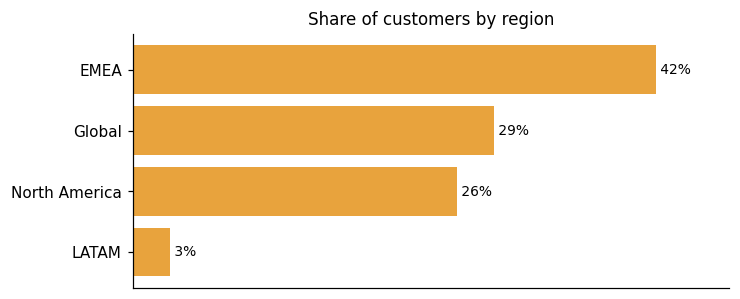
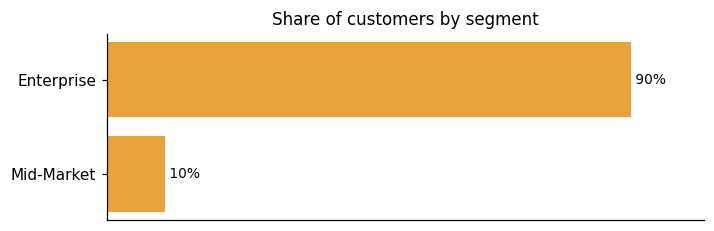
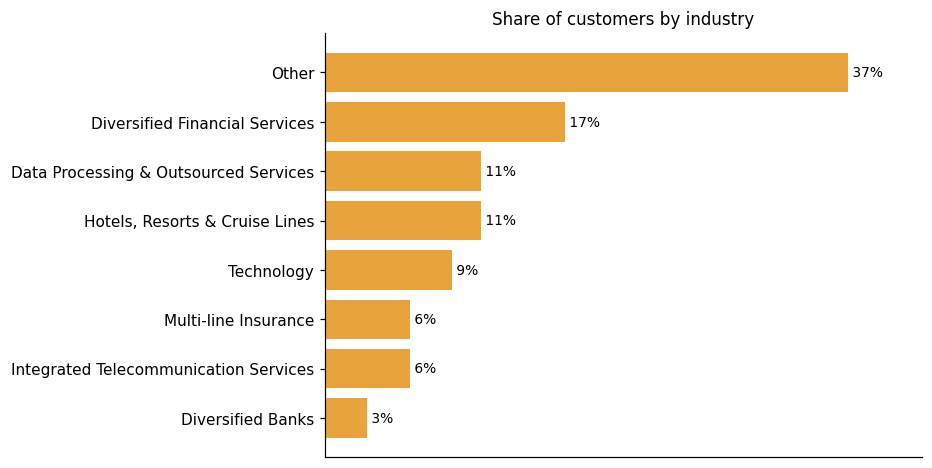
Representative customers: adidas, Barona (formerly Ageris), Blake Collections, Bread Financial, British Telecom (BT), Capita, Cellular Sales
How Centrical uses AI in practice
Centrical embeds AI across coaching, microlearning, quality assurance, and performance management. The AI layer handles personalization, content generation, and insights, while gamification, goal tracking, and structured workflows continue to deliver value independent of AI. On the coaching side, Centrical provides AI-powered outlier insights and coaching recommendations alongside AI-generated team sentiment analysis and connected quality evaluations. More broadly, routine task automation and personalized employee development are core to what the AI does across the platform.
Generative AI
Read detailsCentrical uses generative AI to automatically create microlearning activities, quizzes, and content summaries. L&D teams can use this to rapidly produce and refresh frontline training content at scale.
Recommendation / Matching
Read detailsCentrical connects what each employee actually knows and how they're performing to the learning or coaching they specifically need — rather than pushing the same content to everyone. It maps individual knowledge gaps and performance data together, then surfaces personalized coaching recommendations for each person. Feedback guidance and targeted microlearning content follow from the same analysis.
Anomaly / Pattern Detection
Read detailsCentrical's AI identifies performance outliers and analyzes team sentiment patterns, surfacing anomalies in employee performance data. Managers can use these signals to prioritize coaching interventions.
Predictive ML
Read detailsCentrical detects individual knowledge and performance gaps and responds with personalized learning and coaching — all in real time. It builds and trains both proprietary and third-party ML models to do this, with third-party integrations covering AWS and Azure. When a gap is detected, Centrical triggers the appropriate learning and coaching actions automatically.
Centrical pricing and value: quote-based costs, ROI and fit
Centrical prices all licenses on a per-user basis, with no public rate sheet — buyers need to contact sales for actual figures. The ROI evidence customers report spans six results across four customers. One customer says, "We have achieved a great return on investment from Centrical and Verint Gamification." Another reports that onboarding time was cut in half to 1.5 to 2 months, and that with about 60 employees onboarding yearly, the time savings means more than 21,000 additional man hours every year — the equivalent of 10 additional headcount without hiring anyone. An 88% outcome metric also appears in the customer evidence. Implementation fit signals, including the onboarding efficiency gains described above, suggest Centrical can deliver measurable operational savings relatively quickly after go-live.
ROI evidence from 4 customers
- "We have achieved a great return on investment from Centrical and Verint Gamification."
- the time was cut in half to 1.5 to 2 months.About 60 employees onboard yearly, The time savings means more than 21,000 additional man hours every year, the equivalent of 10 additional headcount without hiring anyone.
- Success rate on focused learning campaigns with 1-2 hours of time saved creating new content
- 10 hrs per week
Time-to-value: what implementations take
- the time was cut in half to 1.5 to 2 months.About 60 employees onboard yearly, The time savings means more than 21,000 additional man hours every year, the equivalent of 10 additional headcount without hiring anyone.
- Ness cut onboarding cycles from 4 months to 1.5 months. Retention of new hires rose 90% while learning programs spurred proficiency 22% across all KPIs.
- the onboarding process was shortened from 5 to 3 days. Further, completion of learning activities was 100%. And the once-dismal satisfaction level rise to 92% along with a shorter time to competency.
- A Centrical solution cut the time to onboard new hires by 2 days. Employees gave the program a 92% satisfaction score while demonstrating a higher level of competency.
Who it fits: value by company size
Centrical delivered a concrete workforce efficiency gain at one enterprise: onboarding time was cut in half to 1.5 to 2 months, with roughly 60 employees onboarded each year. That compression added up to more than 21,000 additional man hours every year, the equivalent of 10 additional headcount without hiring anyone. Centrical is trusted by leading enterprises.
The pricing page states that all licenses are priced per user but publishes no specific price points, routing visitors to contact sales to explore solutions and get pricing.
Centrical enterprise readiness: security, compliance, migration, and support
Centrical covers four practical areas when enterprises evaluate it for deployment: security, compliance, migration, and customer support.
Security controls and assurance
Centrical holds ISO/IEC 27001 certification for Information Security Management and has completed a SOC 2 Type II audit, which verifies that its security controls align with the AICPA Trust Services Principles and Criteria across security, availability, and confidentiality. Centrical is also listed on the Cloud Security Alliance's STAR registry, a cloud-specific assurance program. Its security model draws on these and other international protocols and standards. For its MegAI capability specifically, the platform avoids using Personally Identifiable Information in AI services and applies notice-and-consent practices when AI is in use.
Compliance and data protection
Centrical's compliance posture is anchored in two major privacy frameworks. It is GDPR compliant, with concrete steps that include listing all personal-data repositories, establishing legal grounds for processing, verifying that user data is stored and processed on EU-hosted servers, publishing updated privacy and cookie policies, creating a Data Subject request process, and running annual mandatory privacy training. On the U.S. side, This Privacy Notice applies to Consumers residing in California who are entitled to certain rights and protections under the California Consumer Privacy Act as amended and superseded by the California Privacy Rights Act of 2020 ("CCPA"), Cal. Civ. Code 1798.100, et seq. Data is stored and processed across the United States, EU, India, and Israel depending on the subscriber, using secured cloud storage through third-party service providers. For its MegAI capability, Centrical builds in explainable AI to minimize risk, with processes to identify and mitigate potential bias.
Migration from competing platforms
Centrical's migration and onboarding picture is shaped by a few consistent themes across documented deployments. Time to proficiency dropped by 66% in one financial services deployment. Tracking participation is notably easier: as one customer puts it, leveraging Centrical was so much easier to track completion and see who was actively participating during the onboarding process as well as the training. The gamified onboarding approach shapes new-hire expectations from the start — in one customer's words: the gamification of the onboarding process gave new hires a preview of what to expect of our learning environment: engaging, valuable and team member focused. On the implementation support side, one customer notes that beyond just getting a platform, we got best practices and the evident experience gained by the Centrical team from implementations similar to our own. No documented limitations appear in the available observations.
Support and success
Centrical structures its customer support around a multi-stage Customer Journey that combines dedicated team access, self-serve enablement resources, and around-the-clock platform support. The Change Hub gives teams ready-to-use launch resources. The Power Up program delivers admin certification directly through the platform itself. A 24/7 in-platform support agent is backed by a global human support team. Capita says, "Centrical is a great tool for managing performance and supporting our teams on a day-to-day basis." Capita also recorded a +3pt | improvement in NPS.
Centrical Alternatives


Connect Centrical with your stack: integrations and partner ecosystem
Centrical supports 11 integration partnerships across 6 partner categories, including CRM Platform, Business Process Outsourcing, and Cloud Platform / AI Services.
Centrical connects with the CRM, CCaaS, WFM, QA, LMS, HRIS, and VoC systems that CX teams already run. For its Performance Management capability, Centrical pulls real-time operational data from CRM, Telephony, POS, and similar sources to keep teams focused on daily targets. For its Microlearning capability, Centrical offers LMS integration to drive better engagement across all learning content. The Adidas team describes the onboarding effect this way: "We're enabling new hires to connect immediately with their team leads, sit with their teams, and feel at home, rather than isolating them during those critical first weeks of training." For its MegAI capability, Centrical operates as an open platform that builds proprietary models and tests and trains models built by industry leaders like AWS and Azure, selecting the model best suited to each use case.
| Partner category | Integration partners | Flow direction |
|---|---|---|
| CRM Platform | Salesforce | Unknown |
| Business Process Outsourcing | Teleperformance (my-tp.nl), Teleperformance (teleperformance.com), Webhelp | Unknown |
| Cloud Platform / AI Services | Amazon Web Services, Microsoft Azure | Upstream |
| Customer Engagement Platform | Jacada | Unknown |
| Enterprise Software | Oracle, SAP | Unknown |
| Integration Platform | ApiX-Drive | Unknown |
| Other | DigitalWell, Quality Assurance and Training Connection | Unknown |
What's new in Centrical
Centrical has released 2 product updates in the last 9 months and announced 1 partnership or integration in the same period. The company has also earned 7 awards over the last 24 months.
Centrical Releases AI Microlearning powered by ChatGPT, Redefining the Frontline Agent Experience
Centrical has cut the time it takes agents to reach proficiency by 30% by automating the creation of learning content — removing the need to build it manually. The mechanism is MegAI, the platform's built-in digital coach, which now includes AI Microlearning powered by ChatGPT. That addition lets organizations automatically generate scalable learning content for frontline employees.
Read more →Centrical Launches AI Role-Play Simulations and Coaching to Close the Frontline Readiness Gap
Centrical has added AI Role-Play simulations and coaching to its Performance Intelligence Platform, giving frontline teams a way to practice realistic on-the-job scenarios outside of scheduled training sessions. The gap between completing a training course and being ready to handle real customer situations is what this feature is designed to close. Practice and coaching become ongoing parts of work rather than one-time events.
Read more →pso and Centrical Announce Partnership to Elevate Employee Performance
Centrical and PSO have partnered to help organizations improve employee engagement, lift performance metrics, and hit business goals with greater speed and flexibility.
Read more →Recent awards for Centrical
Centrical has received 7 awards in the last 24 months, spanning employee experience innovation, AI and technology product recognition, and analyst recognition.
- 2026 AI Excellence Award for Banking and Financial Services (2026-12-31) →
- Best Employee Experience Innovation by the CX Awards 2025 (2025-12-31) →
- Double Gold in Brandon Hall Group's Excellence in Technology Awards (2026-12-31) →
- Leader in 2025 SPARK Matrix for Workforce Engagement Management by QKS Group (2025-12-31) →
- Silver Stevie Award in 2026 Stevie Awards for AI-Powered Sales & Service Solution (2026-12-31) →
- Technology of the Year at the 2025 Excellence in Customer Service Awards (2025-12-31) →
- Workforce Innovation of the Year at the 2025 CCW Excellence Awards (2025-12-31) →
Centrical Extends Its Performance Intelligence OS with New Coaching Capabilities to Close the Gap Between Data and Action
Centrical has introduced new coaching capabilities within its Performance Intelligence OS, including AI Role-Play Simulations and Guided Coaching, aimed at improving frontline employee performance. These features, now generally available, integrate with existing systems to provide real-time signals and personalized feedback, enhancing coaching effectiveness and business outcomes.
Centrical Extends Its Performance Intelligence OS with New Coaching ...
Centrical has expanded its Performance Intelligence OS with new AI-driven coaching capabilities, including AI Role-Play Simulations, Guided Coaching, and Real-Time Signals. These features integrate with AI assistants like Claude and ChatGPT, enhancing performance data integration and coaching effectiveness. The enhancements aim to close the gap between data and action, improving frontline employee and AI agent performance.
Centrical Adds New Coaching Capabilities to Close the Gap Between Data ...
Centrical has enhanced its Performance Intelligence platform with new coaching capabilities, including AI role-play simulations and real-time signals. These features integrate with AI assistants like ChatGPT, enabling organizations to improve frontline performance by turning data into actionable insights and guiding both human and AI-driven workflows.
Centrical Profile
Company Name
Centrical
Company Website
https://centrical.com/HQ Location
33 W 60th St, New York, 10023, US
Employees
51-100
Social


Financials
SERIES C