
Overview: Adobe Workfront and Kaseya BMS as Project Management Category solutions.
Adobe Workfront excels in collaboration and workflow management, making it ideal for marketing and advertising. It offers robust analytics and integration options, catering to mid-market and enterprise users. Kaseya BMS, focused on event and contract management, is preferred by IT and computer security sectors. It's tailored for large enterprises and emphasizes efficiency with core support features like analytics and compliance.
Adobe Workfront: Adobe Workfront is a cloud-based work management tool that integrates people and data across the enterprise, managing projects from start to finish. Key features include strategic planning, resource management, and real-time executive insights.
Kaseya BMS: Kaseya BMS is an advanced IT business management solution designed for IT professionals. It effectively manages projects, time, expenses, billing, finance, inventory, CRM, and service desk tasks.
Adobe Workfront and Kaseya BMS: Best Use cases based on the customer satisfaction data


Key Capabilities Supported
Adobe Workfront facilitates collaboration and workflow management, improving communication and task tracking. read more →
Kaseya BMS supports event and workflow management, aiding contract and document handling. read more →
Business Goals
Adobe Workfront helps improve internal communications and visibility, supporting marketing strategies. read more →
Kaseya BMS aims to enhance customer relationships, acquiring customers and increasing sales. read more →
Core Features
Adobe Workfront offers features like custom reports and data integration, supporting detailed analysis. read more →
Kaseya BMS provides analytics and compliance tools, focusing on efficient document and billing management. read more →
Vendor Support
Adobe Workfront provides 24/7 support with email, phone, and chat options. read more →
Kaseya BMS offers vendor support through 24/7 service with email and phone support. read more →
Segments and Industries
Adobe Workfront serves mid-market and large enterprises, excelling in marketing and IT sectors. read more →
Kaseya BMS is targeted at large enterprises, popular in IT and security fields. read more →
Operational Alignment
Adobe Workfront fits the operational workflows of mid to large enterprises, suited for marketing and IT roles. read more →
Kaseya BMS integrates well with enterprise environments, focusing on IT operations and document handling. read more →

Applying your context and needs changes the comparison
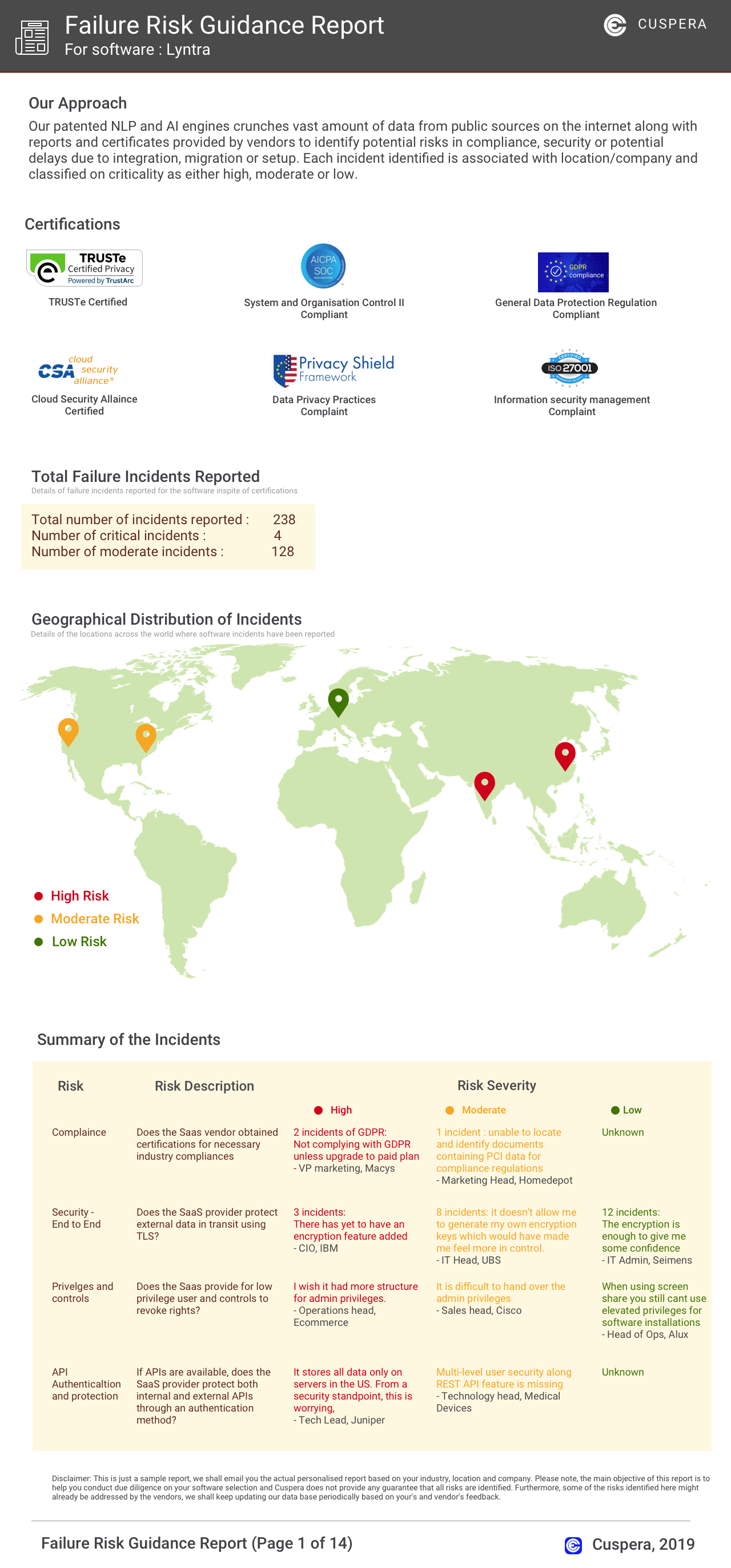
Failure Risk Guidance?
Compliance Risk
{{{rsh_C_1}}}
{{{rsh_C_1}}}
Security & Privacy Risk
{{{rsh_C_1}}}
{{{rsh_C_1}}}
Integration Risk
{{{rsh_C_1}}}
{{{rsh_C_1}}}
Migration Risk
{{{rsh_C_1}}}
{{{rsh_C_1}}}
IT and Other Capabilities
- Low
- Medium
- High
Data
Support
Others
Adobe Workfront in Action: Unique Use Cases
How efficiently Does Adobe Workfront manage your Collaboration?
Why is Adobe Workfront the best choice for Workflow Management?
How can Adobe Workfront enhance your Helpdesk Management process?
What solutions does Adobe Workfront provide for Engagement Management?
What solutions does Adobe Workfront provide for Training & Onboarding?
Kaseya BMS in Action: Unique Use Cases
How does Kaseya BMS address your Event Management Challenges?
How efficiently Does Kaseya BMS manage your Customer Feedback Management?
Alternatives


Integrations
Few Adobe Workfront Integrations


Few Kaseya BMS Integrations


News
Latest Adobe Workfront News
Adobe Introduces Firefly Foundry to Support Custom AI Models for Enterprise Brand Consistency
Adobe has launched Firefly Foundry, a platform that enables enterprises to create and manage custom AI models for brand-consistent content. This tool supports generative AI workflows, helping organizations maintain visual identity across various channels. It expands Adobe's AI ecosystem by providing infrastructure for developing models tailored to enterprise-specific brand and content production needs.
Latest Kaseya BMS News
Kaseya unveils open AI platform as it shifts focus from ...
Kaseya announced a strategic shift to unify its product portfolio with a common data layer, open APIs, and AI-driven automation. This move aims to support larger MSPs in building custom solutions and enhance platform integration. The first capabilities on this new platform are expected later this year, focusing on autonomous IT operations.