

Saleschoice BI Overview
SalesChoice enhances B2B sales outcomes by leveraging AI-driven analytics and data science. This platform provides businesses with actionable insights, ensuring revenue certainty and optimizing sales operations. SalesChoice stands out with its unique Sales 360 feature, offering a holistic view of sales processes. The Rep Coaching Simulator aids in skill development, while Accountable AI ensures ethical and transparent AI usage. By facilitating Salesforce adoption, SalesChoice helps teams maximize their CRM investments. The platform's ease of use and comprehensive capabilities make it a valuable tool for driving sales effectiveness and achieving measurable business gains.
Use Cases
Customers recommend Account Management, Forecasting, Lead Scoring, as the business use cases that they have been most satisfied with while using Saleschoice BI.
Business Priorities
Increase Sales & Revenue and Enhance Customer Relationships are the most popular business priorities that customers and associates have achieved using Saleschoice BI.
Saleschoice BI Use-Cases and Business Priorities: Customer Satisfaction Data
Saleschoice BI's features include Predictive Analytics, Dashboard, and Personalization. and Saleschoice BI support capabilities include AI Powered, 24/7 Support, Email Support, etc. also Saleschoice BI analytics capabilities include Analytics, and Custom Reports.
Reviews
"...It has helped with my forecast accuracy and deal prioritization..." Peer review by Shawn W., Information Technology and Services
Peer review evidence (same sources as the product rating summary)
"...SalesChoice is a B2B sales enablement solution, powered by award-winning Machine Learning technology, that covers your entire sales and AI journey end-to-end...." Peer review from SalesChoice
"...95% Forecast Accuracy. ..." Predictive Sales Analytics Software
"...Prioritize Opportunities with the Best Odds & Track Opportunity History Over Time. ..." Predictive Sales Analytics Software
Saleschoice BI, Clari, Mediafly Intelligence360 (formerly InsightSquared), iSEEit Opportunity Management, MoData, etc., all belong to a category of solutions that help Sales Analytics. Each of them excels in different abilities. Therefore, determining the best platform for your business will depend on your specific needs and requirements.
SalesChoice offers B2B sales teams AI-powered analytics and data science services to eliminate revenue uncertainty and inefficiency. The software is comprehensive and user-friendly.
Popular Business Setting
for Saleschoice BI
Top Industries
- Computer Software
- Computer & Network Security
- Information Technology and Services
Popular in
- Mid Market
- Enterprise
- Small Business
Saleschoice BI is popular in Computer Software, Computer & Network Security, and Information Technology And Services and is widely used by Mid Market, Enterprise, and Small Business.
Saleschoice BI Customer wins, Customer success stories, Case studies
How does Saleschoice BI facilitate Account Management?
What benefits does Saleschoice BI offer for Forecasting?
What solutions does Saleschoice BI provide for Lead Scoring?
How can Saleschoice BI enhance your Coaching process?
How efficiently Does Saleschoice BI manage your Engaging And Following Up?
Purolator - Transportation/Trucking/Railroad - Very Large
SaskTel BS&S - Information Technology And Services - Very Large
RelationEdge - Information Technology And Services - Medium
Frequently Asked Questions (FAQ)
What buyers ask before choosing Saleschoice BI
Integrations What CRM integrations are available for Saleschoice BI?
Saleschoice BI offers several CRM integrations to enhance its business intelligence capabilities. Notably, it integrates seamlessly with Microsoft Dynamics 365, allowing users to leverage real-time analytics and insights directly within their CRM environment. Additionally, Saleschoice BI connects with marketing automation platforms such as Marketo and Pardot, enabling users to analyze marketing data alongside sales performance. For sales engagement, it also integrates with SalesLoft, providing a comprehensive view of customer interactions and sales activities. These integrations empower businesses to make data-driven decisions by consolidating information from various sources, ultimately improving sales strategies and operational efficiency.
Integrations How does Saleschoice BI connect to Salesforce and what are the setup steps?
Saleschoice BI connects to Salesforce by leveraging its robust API to integrate data seamlessly, allowing users to access real-time analytics and insights directly within their Salesforce environment. To set up this integration, first, ensure you have administrative access to both your Saleschoice BI and Salesforce accounts. Next, navigate to the Saleschoice BI dashboard and select the integration option for Salesforce. You will be prompted to authenticate your Salesforce account by entering your credentials and granting necessary permissions. Once authenticated, configure the data synchronization settings to specify which Salesforce objects and fields you want to analyze. Finally, save your settings and run a test to ensure the data flows correctly between Saleschoice BI and Salesforce, enabling you to harness powerful business intelligence capabilities for informed decision-making.
Integrations How does Saleschoice BI connect to Salesforce?
Saleschoice BI connects to Salesforce by integrating seamlessly with the Salesforce platform, allowing users to leverage their existing data for enhanced business intelligence and analytics. This integration enables real-time data synchronization, ensuring that insights derived from Saleschoice BI reflect the most current information available in Salesforce. Users can create customized dashboards and reports that visualize key performance indicators, sales forecasts, and pipeline health directly from their Salesforce data. Additionally, the integration supports advanced analytics capabilities, such as predictive modeling and trend analysis, which help organizations make informed decisions based on accurate and timely data. This connection ultimately enhances sales productivity and forecasting accuracy, driving better business outcomes.
Integrations Can Saleschoice BI integrate with Marketo and what is the sync behavior?
Yes, Saleschoice BI can integrate with Marketo, allowing businesses to leverage the powerful analytics capabilities of Saleschoice alongside their marketing automation efforts. The integration facilitates seamless data synchronization between the two platforms, ensuring that marketing and sales teams have access to real-time insights. The sync behavior typically involves automatic updates of lead and campaign data, enabling users to track engagement metrics and performance analytics effectively. This integration enhances the ability to make data-driven decisions, optimize marketing strategies, and improve overall sales performance by providing a comprehensive view of customer interactions across both platforms. By utilizing Saleschoice BI with Marketo, organizations can enhance their marketing effectiveness and drive better sales outcomes.
Integrations What are the setup steps for integrating Saleschoice BI with Marketo?
To integrate Saleschoice BI with Marketo, follow these setup steps: First, ensure you have administrative access to both Saleschoice BI and Marketo. Next, log into your Saleschoice BI account and navigate to the integration settings. Select Marketo from the list of available integrations. You will need to provide your Marketo API credentials, which can be found in your Marketo account under Admin > Integration > API. After entering the credentials, configure the data synchronization settings to determine which data points you want to share between the two platforms. Finally, test the integration to ensure data flows correctly from Marketo to Saleschoice BI. Once confirmed, you can start leveraging the combined insights for enhanced marketing analytics and decision-making.
Integrations What data-provider integrations does Saleschoice BI support?
Saleschoice BI supports several key data-provider integrations that enhance its functionality and streamline data management for users. Notably, it integrates seamlessly with Microsoft Dynamics 365, allowing businesses to leverage their existing CRM data for more insightful analytics. Additionally, Saleschoice BI offers integration with marketing automation platforms like Marketo and Pardot, enabling users to combine sales and marketing data for comprehensive insights. Furthermore, it supports integration with SalesLoft, which helps sales teams optimize their outreach efforts. These integrations facilitate real-time data access and analysis, empowering organizations to make informed decisions based on a unified view of their data across various platforms.
Integrations Can Saleschoice BI sync data with Pardot, and if so, how does the data flow work?
Yes, SalesChoice BI can sync data with Pardot, facilitating a seamless flow of information between the two platforms. The integration allows SalesChoice BI to pull data from Pardot, such as lead and campaign performance metrics, and combine it with predictive analytics to enhance sales forecasting and decision-making. This data flow works by automatically updating lead scores and insights in SalesChoice BI based on Pardot's engagement metrics, ensuring that sales teams have real-time visibility into lead behavior and potential opportunities. As a result, organizations can leverage this integrated data to improve lead nurturing strategies, optimize marketing efforts, and ultimately drive higher conversion rates. This integration empowers businesses to make informed, data-driven decisions that enhance overall sales effectiveness.
Integrations How do I configure Saleschoice BI to work with Pardot?
To configure Saleschoice BI to work with Pardot, start by ensuring you have the necessary access and permissions for both platforms. First, log into your Saleschoice BI account and navigate to the integration settings. Select Pardot from the list of available integrations. You will need to provide your Pardot API credentials, which can be found in your Pardot account settings under API and Authentication. Once entered, test the connection to ensure it is successful. After the integration is established, you can customize data syncing preferences, such as which metrics and reports you want to pull from Pardot into Saleschoice BI. Finally, save your settings and monitor the integration to ensure data flows smoothly between the two platforms, enabling enhanced analytics and insights for your marketing efforts.
Integrations What API access options does Saleschoice BI provide for integration with other tools?
Saleschoice BI offers robust API access options that facilitate seamless integration with various tools and platforms, enhancing data management and analytics capabilities for B2B SaaS companies. The API allows users to connect Saleschoice BI with popular CRM systems like Salesforce and marketing automation platforms such as HubSpot, enabling real-time data synchronization and reporting. This integration capability empowers businesses to leverage their existing data ecosystems, ensuring that insights derived from Saleschoice BI can be easily shared and utilized across different departments. Additionally, the API supports custom integrations, allowing organizations to tailor the functionality to meet specific operational needs, thereby maximizing the value of their business intelligence efforts.
Integrations What are the limitations of data flow between Saleschoice BI and other systems?
The limitations of data flow between Saleschoice BI and other systems can include issues such as data compatibility, integration complexity, and real-time data synchronization. For instance, if the external systems do not support the same data formats or standards as Saleschoice BI, it can lead to challenges in data import and export. Additionally, the integration process may require significant technical resources and expertise, which can slow down implementation. Furthermore, if the external systems do not provide real-time data updates, users may face delays in accessing the most current insights, impacting decision-making. Organizations should assess these limitations when planning to integrate Saleschoice BI with other platforms to ensure seamless data flow and maximize the value of their business intelligence efforts.
Integrations Are there any limitations to the data synchronization between Saleschoice BI and Dynamics 365?
Yes, there are some limitations to the data synchronization between Saleschoice BI and Dynamics 365. While the integration allows for seamless data flow, users may encounter challenges such as latency in real-time data updates, which can affect decision-making if immediate insights are required. Additionally, the synchronization may not support all data fields or custom entities within Dynamics 365, potentially leading to incomplete data representation in Saleschoice BI. Furthermore, users should be aware of the need for proper configuration and ongoing maintenance to ensure that the integration functions optimally. Understanding these limitations is crucial for businesses to effectively leverage the capabilities of both platforms and ensure accurate data-driven insights.
Features What does the Saleschoice BI dashboard do?
The Saleschoice BI dashboard is a powerful tool designed to provide businesses with real-time analytics and insights into their data. It enables users to create interactive and visually appealing dashboards that aggregate and display key performance indicators (KPIs) and other critical metrics. By leveraging advanced data visualization techniques, the Saleschoice BI dashboard helps organizations make informed decisions based on accurate and timely information. This tool is particularly valuable for sales teams, as it allows them to track performance, identify trends, and optimize strategies effectively. Ultimately, the Saleschoice BI dashboard enhances data-driven decision-making, leading to improved business outcomes and increased operational efficiency.
Features How do I configure data visualization components in Saleschoice BI?
To configure data visualization components in Saleschoice BI, start by logging into your Saleschoice account and navigating to the dashboard section. From there, select the "Add Component" option, which allows you to choose from various visualization types such as charts, graphs, and tables. Once you select a component, you can customize it by linking it to specific datasets relevant to your business needs. Adjust the settings to define parameters like data ranges, filters, and display options to ensure clarity and relevance. After configuring the component, save your changes and preview the dashboard to ensure that the visualizations effectively communicate the intended insights. This process enhances your data analysis capabilities, enabling better decision-making based on visualized data trends.
Features What features are included in the collaborative analytics of Saleschoice BI?
Saleschoice BI's collaborative analytics feature includes a suite of tools designed to enhance teamwork and data-driven decision-making within organizations. Key features encompass real-time data sharing, allowing team members to access and analyze data simultaneously, fostering a collaborative environment. The platform also offers customizable dashboards that can be tailored to specific team needs, enabling users to visualize data effectively. Additionally, Saleschoice BI supports interactive reporting, where users can generate insights and share findings seamlessly with colleagues. Integration with other platforms, such as Salesforce, enhances its collaborative capabilities by allowing users to pull in data from various sources, ensuring that all team members are aligned and informed. This combination of features empowers teams to make informed decisions based on shared insights, ultimately driving better business outcomes.
Features How do I use the predictive analytics feature in Saleschoice BI?
To use the predictive analytics feature in Saleschoice BI, start by integrating your existing data sources, such as CRM systems, to ensure that the platform has access to relevant historical data. Once your data is connected, navigate to the predictive analytics dashboard where you can select specific metrics and variables you want to analyze. Utilize the built-in tools to create predictive models that forecast sales trends and customer behavior based on historical patterns. You can customize these models by adjusting parameters to fit your business needs. Finally, regularly review the insights generated by the predictive analytics feature to make informed decisions and refine your sales strategies. This process not only enhances forecasting accuracy but also empowers your team to leverage data-driven insights for better sales outcomes.
Features What is the purpose of the reporting tools in Saleschoice BI?
The purpose of reporting tools in Saleschoice BI is to provide organizations with actionable insights derived from their data, enabling informed decision-making. These tools facilitate the collection, analysis, and visualization of data, allowing users to create comprehensive reports that highlight key performance indicators and trends. By leveraging real-time analytics, Saleschoice BI helps sales teams identify opportunities, track performance, and optimize strategies. The reporting capabilities also support data-driven storytelling, making it easier for stakeholders to understand complex information at a glance. Ultimately, these tools enhance operational efficiency and drive business growth by ensuring that critical data is accessible and understandable for all users within the organization.
Features How do I create visual data analytics reports using Saleschoice BI?
To create visual data analytics reports using Saleschoice BI, start by logging into your Saleschoice account and navigating to the analytics dashboard. From there, you can select the data sets you want to analyze, utilizing the platform's intuitive interface to filter and manipulate the data as needed. Next, choose the type of visualizations that best represent your data, such as charts, graphs, or tables, and drag them onto your report canvas. Customize each visualization by adjusting parameters like colors, labels, and legends to enhance clarity and impact. Once your report is complete, you can save it for future reference or share it with your team for collaborative insights. This process not only streamlines reporting but also helps in making data-driven decisions effectively.
Features How do I create visual data analytics reports in Saleschoice BI?
To create visual data analytics reports in Saleschoice BI, start by logging into your Saleschoice account and navigating to the dashboard section. From there, select the "Create Report" option, which allows you to choose the type of data you want to analyze. You can import data from various sources or use existing datasets within the platform. Once your data is loaded, utilize the drag-and-drop interface to select the metrics and dimensions you wish to visualize. Choose from various visualization options such as charts, graphs, and tables to represent your data effectively. After customizing your report with filters and design elements, save and share it with your team for collaborative insights. This process enables you to leverage Saleschoice BI's capabilities to enhance decision-making through clear and impactful visual data analytics.
ROI & pricing What measurable business value can Saleschoice BI provide?
Saleschoice BI delivers measurable business value by providing real-time analytics and predictive insights that enhance decision-making processes for sales teams. By leveraging advanced data visualization and reporting capabilities, Saleschoice BI enables organizations to identify trends, optimize sales strategies, and improve customer engagement. The platform's ability to integrate with existing tools like Salesforce enhances its utility, allowing users to streamline workflows and access critical data seamlessly. Additionally, Saleschoice BI supports collaborative analytics, fostering a data-driven culture within organizations. This leads to increased efficiency, reduced operational costs, and ultimately, higher revenue generation as teams can make informed decisions based on accurate, timely data. Overall, the measurable impact of Saleschoice BI is reflected in improved sales performance and strategic alignment across business functions.
ROI & pricing What are the measurable business benefits of using Saleschoice BI?
Saleschoice BI offers several measurable business benefits that enhance decision-making and operational efficiency. By leveraging advanced analytics and predictive modeling, organizations can gain real-time insights into sales performance, customer behavior, and market trends, leading to more informed strategic decisions. The platform's data visualization capabilities allow users to easily interpret complex data sets, facilitating quicker responses to emerging opportunities or challenges. Additionally, Saleschoice BI helps improve sales forecasting accuracy, which can lead to better inventory management and resource allocation. Overall, the integration of Saleschoice BI into business processes can result in increased revenue, reduced costs, and enhanced customer satisfaction, making it a valuable tool for organizations aiming to optimize their performance.
ROI & pricing How does Saleschoice BI impact ROI for businesses?
Saleschoice BI significantly impacts ROI for businesses by providing real-time analytics and predictive insights that enhance decision-making and operational efficiency. By leveraging advanced data visualization and collaborative analytics, Saleschoice BI enables organizations to identify trends, optimize sales strategies, and improve customer engagement. This leads to more informed decisions that can reduce costs and increase revenue. Additionally, the software's ability to integrate with existing platforms like Salesforce enhances its utility, allowing businesses to streamline processes and maximize their investments in technology. Ultimately, the actionable insights derived from Saleschoice BI empower companies to achieve better financial outcomes, making it a valuable tool for driving ROI.
ROI & pricing How can Saleschoice BI improve ROI for my business?
Saleschoice BI can significantly improve ROI for your business by providing real-time analytics and predictive insights that enhance decision-making and operational efficiency. By leveraging advanced data visualization tools, Saleschoice BI allows teams to identify trends and opportunities quickly, leading to more informed strategies and reduced errors in forecasting. For instance, businesses like SaskTel BS&S have reported a remarkable 317% ROI after implementing Saleschoice BI, which streamlined their sales processes and improved customer engagement. Additionally, the software's ability to unify teams and enhance collaboration can lead to increased sales productivity and higher revenue from both new and renewal deals. Overall, Saleschoice BI empowers organizations to make data-driven decisions that directly contribute to financial growth.
ROI & pricing What are the pricing plans available for Saleschoice BI?
Saleschoice BI offers a straightforward pricing structure designed to accommodate various business needs. The pricing plans are categorized under commercial offerings, with a base price of $50 for each plan. This includes access to advanced analytics, business intelligence software services, and a range of business intelligence tools. While specific details on tiered pricing or additional features are not provided, the low-cost entry point makes Saleschoice BI an attractive option for businesses looking to enhance their data visualization and analytics capabilities. For companies seeking more tailored solutions or additional functionalities, it may be beneficial to contact Saleschoice directly for a customized quote or to inquire about any potential discounts for larger teams or extended commitments.
ROI & pricing What pricing plans does Saleschoice BI offer and what do they include?
Saleschoice BI offers a straightforward pricing plan, typically categorized as low-cost options, which are designed to be accessible for various business needs. While specific pricing details are not disclosed in the provided context, Saleschoice BI's offerings generally include features such as advanced analytics, business intelligence tools, and data visualization capabilities. These features enable organizations to gain real-time insights and make data-driven decisions. The pricing plans are likely structured to accommodate different levels of usage and functionality, ensuring that businesses of all sizes can leverage the benefits of Saleschoice BI. For precise pricing and detailed inclusions, it is advisable to contact Saleschoice directly or visit their official website for the most accurate and up-to-date information.
ROI & pricing What is the total cost of ownership for implementing Saleschoice BI?
The total cost of ownership (TCO) for implementing Saleschoice BI encompasses several factors, including initial software licensing fees, ongoing subscription costs, implementation expenses, and maintenance fees. Additionally, organizations should consider costs related to training staff, integrating Saleschoice BI with existing systems, and potential upgrades or additional features. While the exact TCO can vary based on the size of the organization and specific use cases, it is essential to conduct a thorough analysis of both direct and indirect costs to understand the financial commitment fully. By evaluating these components, businesses can make informed decisions about their investment in Saleschoice BI and its long-term value in enhancing data-driven decision-making and operational efficiency.
ROI & pricing How quickly can businesses expect to see value from Saleschoice BI after implementation?
Businesses can expect to see value from Saleschoice BI relatively quickly after implementation, often within a timeframe of under 12 months. For instance, SaskTel BS&S, a client of Saleschoice, achieved up to 80% prediction accuracy in sales forecasting shortly after adopting the solution, which significantly boosted their forecast confidence and improved pipeline health. The real-time analytics provided by Saleschoice BI enables teams to prioritize deals effectively, leading to enhanced decision-making and operational efficiency. This swift realization of benefits is crucial for organizations looking to modernize their sales processes and drive growth, especially after periods of revenue decline. Overall, the quick ROI and tangible improvements in sales forecasting and analytics make Saleschoice BI a valuable investment for businesses.
ROI & pricing How quickly can I expect to see value from Saleschoice BI after implementation?
After implementing Saleschoice BI, you can expect to see value relatively quickly, often within a timeframe of under 12 months. Many users report significant improvements in their business processes, such as enhanced sales forecasting accuracy and better pipeline management. For instance, SaskTel BS&S achieved up to 80% prediction accuracy shortly after adopting Saleschoice SalesInsights™, which boosted their forecast confidence and contributed to a positive return on investment. The real-time analytics capabilities of Saleschoice BI facilitate immediate insights into sales performance, allowing teams to prioritize deals effectively and improve overall pipeline health. This swift realization of benefits underscores the effectiveness of Saleschoice BI in transforming data into actionable insights for businesses.
ROI & pricing What cost savings can be achieved by using Saleschoice BI?
Using Saleschoice BI can lead to significant cost savings for businesses by streamlining data analysis and enhancing decision-making processes. By providing real-time insights and predictive analytics, Saleschoice BI enables organizations to identify inefficiencies and optimize resource allocation, which can reduce operational costs. Additionally, the automation of reporting and data visualization minimizes the time and labor required for manual data handling, allowing teams to focus on strategic initiatives rather than administrative tasks. Furthermore, improved forecasting capabilities can lead to better inventory management and reduced waste, ultimately contributing to a healthier bottom line. Overall, the investment in Saleschoice BI can yield substantial financial benefits by enhancing productivity and driving informed business decisions.
ROI & pricing What cost savings can Saleschoice BI provide for my organization?
Saleschoice BI can provide significant cost savings for your organization by streamlining data analysis and enhancing decision-making processes. By leveraging real-time analytics, Saleschoice BI enables sales teams to identify trends and opportunities quickly, reducing the time spent on manual data gathering and reporting. This efficiency minimizes labor costs and allows your team to focus on strategic initiatives rather than administrative tasks. Additionally, the predictive analytics capabilities help in forecasting sales and optimizing inventory management, which can lead to reduced overhead costs and improved cash flow. Overall, the insights gained from Saleschoice BI can drive better resource allocation and increase revenue, ultimately contributing to substantial cost savings for your organization.
Capabilities What data visualization components does Saleschoice BI offer?
Saleschoice BI offers a range of data visualization components designed to enhance the clarity and effectiveness of data presentation. These components include interactive dashboards that allow users to visualize key metrics and trends in real-time, enabling better decision-making. Additionally, Saleschoice BI provides various visualization tools that support different types of data displays, such as graphs, charts, and maps, which can be customized to meet specific business needs. The platform also emphasizes collaborative analytics, allowing teams to work together on data insights seamlessly. By integrating these components, Saleschoice BI helps organizations transform complex data into actionable insights, ultimately driving improved business outcomes and efficiency in reporting automation.
Capabilities Can Saleschoice BI support collaborative analytics across teams?
Yes, Saleschoice BI can support collaborative analytics across teams by providing a platform that facilitates data sharing and collective insights. With its interactive analytics dashboards, teams can easily visualize data and collaborate in real-time, ensuring that all members have access to the same information and can contribute to data-driven decision-making. The software allows for the integration of various data sources, enabling teams to work together on comprehensive analyses without the barriers of siloed information. Additionally, Saleschoice BI's features promote transparency and communication, making it easier for teams to discuss findings and strategies based on shared analytics. This collaborative approach enhances overall productivity and fosters a culture of data-driven collaboration within organizations.
Capabilities Does Saleschoice BI provide predictive analytics capabilities?
Yes, Saleschoice BI provides robust predictive analytics capabilities designed to enhance sales forecasting and decision-making processes. By leveraging advanced algorithms and AI-driven insights, Saleschoice BI enables businesses to analyze historical data and identify trends, which helps in predicting future sales outcomes with greater accuracy. This predictive analytics functionality not only aids in optimizing sales strategies but also empowers teams to make data-driven decisions that can lead to improved performance and revenue growth. Additionally, Saleschoice BI integrates seamlessly with various CRM systems, allowing users to harness their existing data for more effective predictive modeling. Overall, the predictive analytics features of Saleschoice BI are essential for organizations looking to gain a competitive edge in their sales operations.
Capabilities What types of reporting tools are available in Saleschoice BI?
Saleschoice BI offers a variety of reporting tools designed to enhance business intelligence capabilities. These tools include customizable dashboards that allow users to visualize key performance indicators and metrics in real-time, facilitating quick decision-making. Additionally, Saleschoice BI provides automated reporting features that streamline the generation of reports, ensuring that stakeholders receive timely insights without manual intervention. Users can also leverage advanced analytics tools that incorporate predictive modeling and data visualization techniques, enabling deeper analysis of trends and patterns. Furthermore, integration with platforms like Salesforce enhances the reporting capabilities by allowing seamless data flow and comprehensive reporting across different business functions. This combination of tools empowers organizations to make data-driven decisions effectively.
Capabilities Can Saleschoice BI handle large-scale data for enterprise needs?
Yes, Saleschoice BI is designed to handle large-scale data for enterprise needs effectively. It leverages advanced business intelligence capabilities, including big data analytics, to provide real-time insights and support complex data management tasks. This software is particularly beneficial for B2B SaaS companies that require robust data visualization and reporting tools to analyze extensive datasets. By utilizing cloud analytics and integrating with platforms like Google Cloud, Saleschoice BI ensures scalability and flexibility, allowing enterprises to manage and visualize their data efficiently. Additionally, its features cater to the specific demands of large organizations, making it a suitable choice for enterprises looking to enhance their data-driven decision-making processes.
Capabilities Does Saleschoice BI comply with industry security standards?
Saleschoice BI is designed with a strong emphasis on security and compliance with industry standards. It adheres to recognized security protocols and frameworks to ensure that data is protected throughout its lifecycle. This includes implementing encryption for data at rest and in transit, regular security audits, and compliance with regulations such as GDPR and CCPA. By following these industry security standards, Saleschoice BI not only safeguards sensitive business intelligence data but also instills confidence in users regarding the integrity and confidentiality of their information. Organizations can leverage Saleschoice BI's robust security measures to enhance their data governance and risk management strategies, ensuring that they meet both internal and external compliance requirements effectively.
Use cases How can SDRs leverage Saleschoice BI to improve lead qualification processes?
Saleschoice BI can significantly enhance lead qualification processes for Sales Development Representatives (SDRs) by providing real-time analytics and insights that streamline decision-making. SDRs can leverage Saleschoice BI to analyze historical data and identify patterns in successful leads, allowing them to prioritize high-potential opportunities. The platform's predictive analytics capabilities enable SDRs to assess lead quality based on various criteria, such as engagement levels and demographic information. By integrating Saleschoice BI with existing CRM systems like Salesforce, SDRs can access a unified view of lead data, improving collaboration and communication within teams. This data-driven approach not only boosts the accuracy of lead qualification but also enhances overall sales productivity, ultimately leading to increased conversion rates and revenue growth.
Use cases What are the best use cases for Saleschoice BI in marketing team workflows?
Saleschoice BI is particularly beneficial for marketing teams by providing real-time analytics and predictive insights that enhance decision-making and campaign effectiveness. One of the best use cases is leveraging its data visualization capabilities to track and analyze customer engagement metrics, allowing marketers to identify trends and optimize their strategies accordingly. Additionally, Saleschoice BI can streamline lead scoring processes, enabling teams to prioritize high-potential leads based on predictive analytics. This software also facilitates collaboration by integrating with platforms like Salesforce, ensuring that marketing efforts align with sales objectives. By utilizing Saleschoice BI, marketing teams can improve their targeting, enhance customer experiences, and ultimately drive better ROI on their campaigns.
Use cases In what scenarios should sales leaders implement Saleschoice BI for better forecasting?
Sales leaders should implement Saleschoice BI for better forecasting in scenarios where accurate sales predictions are critical for strategic decision-making and resource allocation. This tool is particularly beneficial when teams face challenges with manual forecasting processes, as it leverages AI to enhance prediction accuracy, as demonstrated by clients like SaskTel and Rogers Communications, who achieved up to 90% accuracy in their forecasts. Additionally, Saleschoice BI is ideal for organizations looking to improve pipeline visibility and prioritize high-potential opportunities, especially when integrated with platforms like Salesforce and Tableau. If a sales team is experiencing revenue decline or inefficiencies in their forecasting methods, adopting Saleschoice BI can lead to significant improvements in sales productivity and overall business performance.
Use cases How can RevOps teams utilize Saleschoice BI to enhance data visualization and reporting?
RevOps teams can utilize Saleschoice BI to enhance data visualization and reporting by leveraging its robust analytics capabilities to create interactive dashboards that provide real-time insights into sales performance and operational efficiency. By building customized analytics dashboards, teams can visualize key metrics and trends, making it easier to identify areas for improvement and drive data-driven decision-making. Saleschoice BI also automates reporting processes, reducing inefficiencies and allowing teams to focus on strategic initiatives rather than manual data compilation. Additionally, the platform's predictive analytics features enable RevOps teams to forecast future sales trends and optimize resource allocation, ultimately leading to improved performance and alignment across departments. This comprehensive approach to data visualization and reporting empowers RevOps teams to make informed decisions that enhance overall business outcomes.
Use cases What specific problems does Saleschoice BI solve for sales teams in the telecommunications industry?
SalesChoice BI addresses several critical challenges faced by sales teams in the telecommunications industry, particularly in enhancing sales forecasting and pipeline management. By leveraging AI-driven analytics, SalesChoice BI improves prediction accuracy, enabling teams to make data-driven decisions rather than relying on gut feelings. This results in up to 80% accuracy in forecasting, which boosts confidence in revenue projections and deal prioritization. Additionally, the platform enhances pipeline health through real-time analytics, allowing teams to identify high-potential opportunities and reduce manual effort in forecasting. Overall, SalesChoice BI streamlines workflows, improves data quality, and ultimately drives sales productivity, helping telecommunications companies like SaskTel achieve significant ROI and return to growth after periods of decline.
Use cases When should a company consider adopting Saleschoice BI for real-time business insights?
A company should consider adopting Saleschoice BI for real-time business insights when it seeks to enhance its sales forecasting accuracy and improve decision-making processes. If your organization is struggling with outdated forecasting methods or lacks visibility into pipeline health, Saleschoice BI can provide the necessary real-time analytics to prioritize deals effectively. Additionally, companies experiencing revenue stagnation or decline may benefit from the predictive capabilities of Saleschoice BI, which has been shown to achieve up to 80% prediction accuracy, as evidenced by case studies like SaskTel BS&S and Rogers Communications. By integrating with platforms like Salesforce and Tableau, Saleschoice BI streamlines workflows and reporting, making it an ideal solution for businesses aiming to leverage data-driven insights for growth and operational efficiency.
Use cases When should businesses consider adopting Saleschoice BI for predictive analytics in their operations?
Businesses should consider adopting Saleschoice BI for predictive analytics when they seek to enhance their sales forecasting accuracy and improve decision-making processes. If a company is experiencing challenges with pipeline management, deal prioritization, or overall sales performance, implementing Saleschoice BI can provide real-time insights and predictive capabilities that drive better outcomes. Additionally, organizations looking to leverage data-driven strategies to regain growth after periods of decline, as demonstrated by SaskTel BS&S, can benefit significantly from Saleschoice's AI-powered analytics. The solution is particularly valuable for sales teams aiming to boost forecast confidence and achieve a positive return on investment within a year. Ultimately, if a business is ready to transform its sales operations through advanced analytics, Saleschoice BI is a strategic choice.
Alternatives What are the best alternatives to Saleschoice BI?
When considering alternatives to Saleschoice BI, several notable business intelligence solutions stand out. Microsoft Power BI is a popular choice, known for its robust data visualization capabilities and integration with other Microsoft products. Tableau is another strong contender, offering powerful analytics and user-friendly dashboards, making it ideal for organizations focused on data storytelling. Additionally, Oracle Analytics Cloud provides comprehensive analytics features, including advanced data modeling and predictive analytics, suitable for larger enterprises. For those seeking a more specialized tool, Alteryx focuses on data preparation and advanced analytics, catering to users who require in-depth data manipulation. Each of these alternatives has unique strengths, so the best choice will depend on your specific business needs and existing tech stack.
Alternatives How does Oracle Analytics Cloud compare to Saleschoice BI?
Oracle Analytics Cloud and Saleschoice BI are both powerful business intelligence tools, but they cater to different needs. Oracle Analytics Cloud offers a comprehensive suite of analytics capabilities, including advanced data visualization, machine learning, and integration with various Oracle applications, making it suitable for large enterprises with complex data environments. In contrast, Saleschoice BI focuses on predictive analytics specifically tailored for sales and marketing teams, providing actionable insights to drive data-driven decisions. While Oracle may excel in broader analytics functionalities, Saleschoice BI stands out for its user-friendly interface and specialized features that enhance sales performance. Ultimately, the choice between the two depends on your organization's specific analytics requirements and the level of complexity you need in your data analysis.
Alternatives What are the key differentiators between Saleschoice BI and Birst?
Saleschoice BI and Birst are both prominent business intelligence solutions, but they have key differentiators that cater to different business needs. Saleschoice BI focuses on predictive analytics and sales intelligence, leveraging machine learning to enhance decision-making and optimize sales processes. It is particularly beneficial for sales teams looking for actionable insights. In contrast, Birst emphasizes data visualization and integration capabilities, offering a robust platform for data warehousing and reporting across various business functions. Birst's strength lies in its ability to handle large datasets and provide comprehensive analytics, making it suitable for organizations with complex data environments. Ultimately, the choice between Saleschoice BI and Birst depends on whether a business prioritizes sales-focused analytics or broader data integration and visualization capabilities.
Alternatives Is there a better option than Saleschoice BI for predictive analytics?
When considering alternatives to Saleschoice BI for predictive analytics, two prominent options are Tableau and Microsoft Power BI. Tableau is renowned for its robust data visualization capabilities and user-friendly interface, making it a strong choice for organizations that prioritize visual storytelling in their analytics. On the other hand, Microsoft Power BI offers seamless integration with other Microsoft products and is often favored for its affordability and extensive data modeling features. Both platforms provide powerful predictive analytics tools, but the best choice ultimately depends on your specific business needs, existing software ecosystem, and budget. Evaluating these factors will help you determine if Saleschoice BI or one of its competitors better aligns with your predictive analytics goals.
Alternatives Saleschoice BI vs SAP Business Intelligence: which is more effective?
When comparing Saleschoice BI and SAP Business Intelligence, effectiveness largely depends on specific business needs and use cases. Saleschoice BI is designed with a focus on real-time analytics and predictive insights tailored for sales teams, making it particularly effective for organizations looking to enhance sales performance through data-driven decision-making. In contrast, SAP Business Intelligence offers a comprehensive suite of tools that cater to a broader range of business intelligence needs, including extensive data integration capabilities and advanced reporting features, which may be more suitable for larger enterprises with complex data environments. Ultimately, the choice between the two should consider factors such as the size of the organization, specific analytical requirements, and the desired level of integration with existing systems.
Alternatives What are the top competitors to Saleschoice BI in the business intelligence market?
In the business intelligence market, Saleschoice BI faces competition from several notable platforms. Key competitors include Oracle Analytics Cloud, which offers robust data visualization and analytics capabilities, and SAP Business Intelligence, known for its comprehensive suite of tools tailored for enterprise needs. Additionally, Tableau stands out for its user-friendly interface and powerful data visualization features, while Microsoft Power BI is recognized for its integration with other Microsoft products and affordability. Each of these alternatives provides unique strengths, such as advanced analytics, ease of use, or extensive integration options, allowing businesses to choose a solution that best fits their specific requirements and objectives in data-driven decision-making.
Saleschoice BI Competitors


Saleschoice BI Features
- Low
- Medium
- High
| FEATURE | RATINGS AND REVIEWS |
|---|---|
| AI Powered | Read Reviews (349) |
| Analytics | Read Reviews (213) |
| Custom Reports | Read Reviews (156) |
| CAPABILITIES | RATINGS AND REVIEWS |
|---|---|
| AI Powered | Read Reviews (349) |
| Analytics | Read Reviews (213) |
| Custom Reports | Read Reviews (156) |
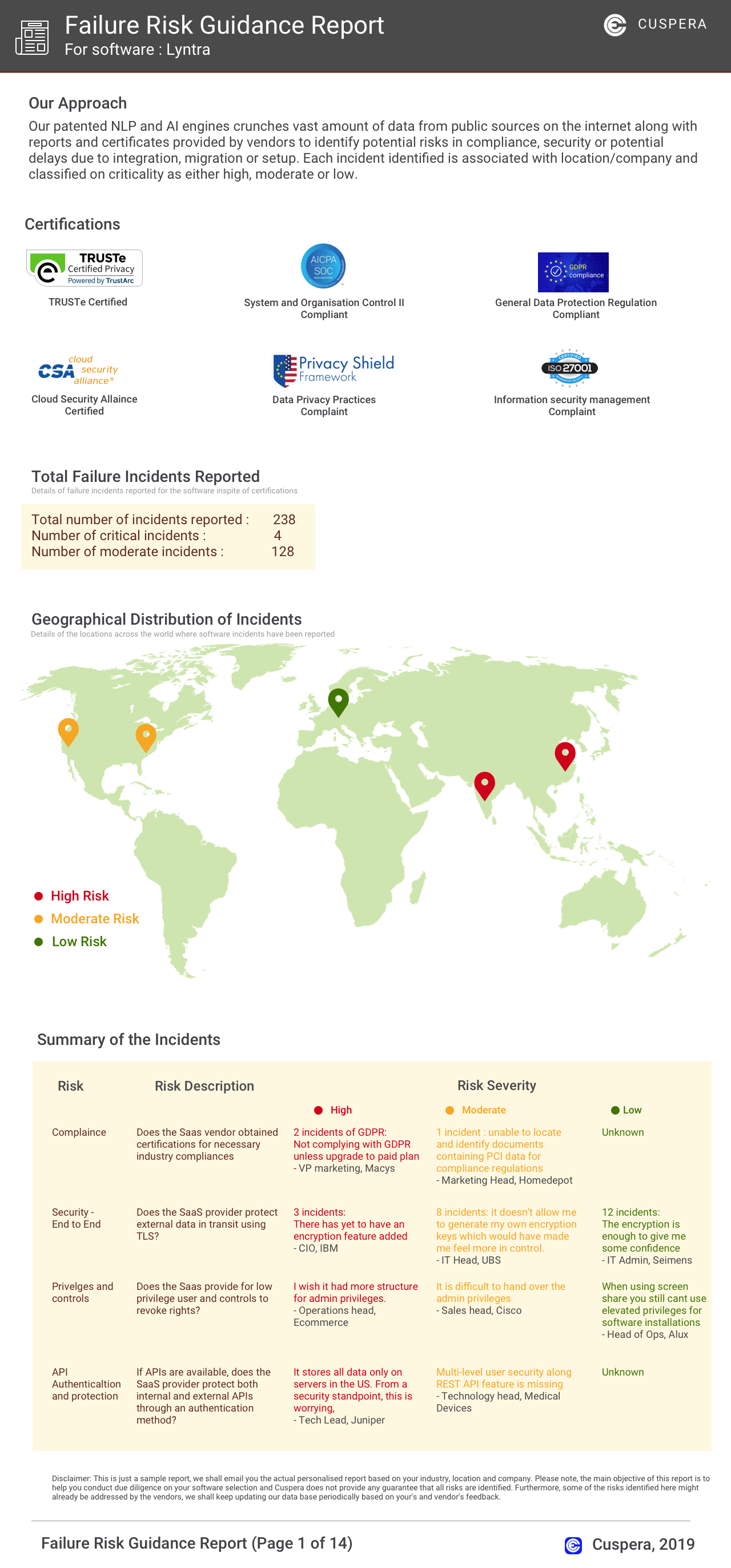
Software Failure Risk Guidance
?for Saleschoice BI
Overall Risk Meter
Top Failure Risks for Saleschoice BI
SalesChoice Inc. News
SalesChoice Announces New Whitepaper on Transforming Retail Performance ...
SalesChoice has released a new whitepaper titled "Driving Retail Performance Through Real-Time Emotional Intelligence and Mood Monitoring." The document emphasizes the importance of employee engagement in retail, highlighting the potential for productivity improvements of up to 40% through emotional intelligence. It introduces MoodInsightsTM, an AI-driven solution for real-time sentiment tracking, aimed at enhancing workforce resilience and operational success in the retail sector.
SalesChoice Whitepaper Reveals The Cognitive Cost of Constant Connection, Citing Declining Attention Spans and Neural Impact
SalesChoice has released a whitepaper titled "The Cognitive Cost of Constant Connection," examining the impact of digital stimuli on attention spans and brain function. It introduces MoodInsightsTM, a tool using GenAI analytics to provide real-time emotional insights for workforce well-being. The report stresses the need for cognitive and emotional stewardship in organizations to enhance productivity and employee engagement.
Dr. Cindy Gordon, CEO SalesChoice, Wins the MindBridge AI AI Leader of the Year Award
Dr. Cindy Gordon, CEO of SalesChoice, received the 2019 MindBridge AI 'AI Leader of the Year' Award at the Impact AI Conference. The award recognizes her contributions to AI technology in Canada, focusing on ethical and socially responsible AI solutions. Her leadership in AI commercialization and community engagement was highlighted by MindBridge AI's CEO, Eli Fathi.
SalesChoice Named Predictive Sales Analytics Advisory Firm of the Year Canada by Corporate INTL Global Awards 2026
SalesChoice Inc. has been awarded the Predictive Sales Analytics Advisory Firm of the Year Canada by Corporate INTL Global Awards 2026. This accolade recognizes SalesChoice's excellence in AI-driven sales forecasting and advisory services, emphasizing its ability to deliver high-impact outcomes through advanced predictive analytics and human-centered insights.
SalesChoice Inc. Profile
HQ Location
2300 Yonge Street, Suite 1600, Toronto, Ontario, Canada – M4P 1E4
Employees
11-50
Social


Financials
PRIVATE