

Virto Commerce Overview
Virto Commerce provides enterprise-grade eCommerce and marketplace solutions designed to drive growth and future-proof businesses. Digital experiences are unlocked with their innovative B2B platform.
Use Cases
Customers recommend Loyalty Management, Products & Pricelist Management, Community Building, as the business use cases that they have been most satisfied with while using Virto Commerce.
Business Priorities
Enhance Customer Relationships and Acquire Customers are the most popular business priorities that customers and associates have achieved using Virto Commerce.
Virto Commerce Use-Cases and Business Priorities: Customer Satisfaction Data
Virto Commerce works with different mediums / channels such as Promotions. and Omnichannel.
Virto Commerce's features include Personalization, Landing Page, Rewards, etc. and Virto Commerce support capabilities include 24/7 Support, AI Powered, Email Support, etc. also Virto Commerce analytics capabilities include Custom Reports, and Analytics.
Reviews
"...Multiple store management, advanced promotion engines, dynamic content, as well as advanced product and price management are just a few of the tools at your fingertips with Virto Commerce...." Peer review
Peer review evidence (same sources as the product rating summary)
"...To gain this important customer access, they decided to create a customer loyalty program that awarded points and ultimately allowed them to interact directly with their customers...." Lavazza e-commerce case study (Coffee & coffee machine distribution)
"...Catalog Management Access sophisticated catalog management capabilities on the Virto Commerce platform, making it simple to manage even the most complex B2B product lists and detailed product information. ..." ASP.NET ecommerce platform
"...SaaS Providers Manufacturing Suite Distribution Suite Retail Omnichannel Suite Gov and Non-profit Business size Ecosystem Partner Community Become a Partner Find a Partner Professional Services Virto Commerce success stories...." Virto Commerce succes stories
Virto Commerce, Shippo, Skubana, ShipStation, RepairShopr, etc., all belong to a category of solutions that help E-Commerce Software. Each of them excels in different abilities. Therefore, determining the best platform for your business will depend on your specific needs and requirements.
Popular Business Setting
for Virto Commerce
Top Industries
- Information Technology and Services
- Computer Software
- Design
Popular in
- Small Business
- Enterprise
- Mid Market
Virto Commerce is popular in Information Technology And Services, Computer Software, and Design and is widely used by Small Business, Enterprise, and Mid Market.
Virto Commerce Customer wins, Customer success stories, Case studies
What benefits does Virto Commerce offer for Loyalty Management?
What benefits does Virto Commerce offer for Products & Pricelist Management?
How can Virto Commerce enhance your Community Building process?
Why is Virto Commerce the best choice for Proposal & Quote Management?
What makes Virto Commerce ideal for Content Management?
Notions Marketing - Arts And Crafts Distribution - Large
Virto Commerce Goes Live with Notions Marketing B2B Portal
Notions Marketing - Arts And Crafts Distribution - Medium
Notions Marketing Goes Live on Virto Commerce, Unlocking 24/7 Self ...
Storyblok Integration with Virto Commerce
Frequently Asked Questions (FAQ)
What buyers ask before choosing Virto Commerce
Integrations What CRM integrations are available for Virto Commerce, specifically with Salesforce and HubSpot?
Virto Commerce offers robust CRM integrations, specifically with Salesforce and HubSpot, enhancing your B2B eCommerce capabilities. The integration with Salesforce allows businesses to synchronize customer data, manage leads, and streamline sales processes directly within the Virto Commerce platform, ensuring a seamless flow of information between sales and eCommerce teams. Similarly, the HubSpot integration enables users to leverage marketing automation tools, track customer interactions, and analyze data to optimize marketing strategies. Both integrations support a more cohesive digital ecosystem, allowing businesses to enhance customer engagement and drive sales effectively. By utilizing these CRM integrations, companies can improve operational efficiency and deliver a more personalized shopping experience to their customers.
Integrations How does Virto Commerce connect to ERP systems like SAP and Microsoft Dynamics?
Virto Commerce connects to ERP systems like SAP and Microsoft Dynamics through its modular architecture and extensive API capabilities, allowing for seamless integration with various software solutions. The platform supports over 300 out-of-the-box ERP integrations, enabling businesses to synchronize data across their eCommerce and ERP systems efficiently. This integration facilitates real-time updates on inventory, orders, and customer information, ensuring that all systems work in harmony. By leveraging Virto Commerce's Logic Apps, businesses can create custom workflows that enhance operational efficiency and streamline processes. This capability not only reduces the complexity of managing multiple systems but also enhances the overall customer experience by providing accurate and timely information across all touchpoints.
Integrations What are the setup steps for integrating Virto Commerce with external PIM systems like Pimberly?
To integrate Virto Commerce with external PIM systems like Pimberly, follow these setup steps: First, ensure you have access to both platforms and their respective API documentation. Begin by configuring your Pimberly account to allow API access, which typically involves generating API keys. Next, in Virto Commerce, navigate to the integration settings and select the option to connect to an external PIM. Enter the API credentials from Pimberly, ensuring that the endpoints for data synchronization are correctly specified. After establishing the connection, map the product data fields between Virto Commerce and Pimberly to ensure consistency. Finally, test the integration by updating product information in Pimberly and verifying that changes are reflected in Virto Commerce in real-time. This streamlined process allows for efficient data management and synchronization across your ecommerce platforms.
Integrations How does data flow between Virto Commerce and Salesforce during integration?
Data flow between Virto Commerce and Salesforce during integration is facilitated through a robust connector that enables seamless communication between the two platforms. This integration allows for real-time synchronization of critical information such as customer data, order details, and product inventory. When a transaction occurs in Virto Commerce, relevant data is automatically sent to Salesforce, ensuring that sales teams have up-to-date information for customer interactions and follow-ups. Conversely, any updates made in Salesforce, such as changes in customer profiles or sales opportunities, are reflected in Virto Commerce, maintaining consistency across systems. This bi-directional data flow enhances operational efficiency, improves customer relationship management, and supports data-driven decision-making, ultimately driving better business outcomes.
Integrations What are the limitations of integrating Virto Commerce with third-party data providers?
Integrating Virto Commerce with third-party data providers can present some limitations, primarily related to compatibility and data synchronization. While Virto Commerce is designed with a modular architecture that facilitates integration, not all third-party systems may support the same APIs or data formats, which can lead to challenges in seamless data exchange. Additionally, the complexity of managing multiple integrations can increase the risk of data discrepancies and latency issues, potentially affecting real-time updates. Furthermore, reliance on external data providers may introduce vulnerabilities, such as service outages or changes in data access policies, which could disrupt your eCommerce operations. It's essential to evaluate the specific capabilities of the third-party providers and ensure they align with your integration needs to mitigate these limitations effectively.
Integrations How can I access the API for configuring integrations with Virto Commerce?
To access the API for configuring integrations with Virto Commerce, you can start by visiting the Virto Commerce website, where you will find comprehensive documentation on their robust API capabilities. The API is designed to facilitate seamless connectivity between Virto Commerce and your existing systems, such as ERP, PIM, CRM, payment gateways, and logistics providers. You can utilize the open APIs to create custom integrations that suit your specific business needs. Additionally, if you require further assistance, consider booking a Discovery Session with Virto's digital experts, who can guide you through the integration process and help you leverage the full potential of the API for your eCommerce strategy.
Features What does the Catalog feature do in Virto Commerce?
The Catalog feature in Virto Commerce serves as a comprehensive tool for managing product information efficiently and effectively. It allows businesses to create, organize, and present their product offerings in a user-friendly manner, enabling easy navigation and searchability for customers. With the ability to manage large and complex catalogs without requiring developer assistance, users can publish accurate and timely product data. The feature supports flexible product presentation, allowing for tailored catalogs that meet the specific needs of different markets and sales channels. Additionally, it streamlines catalog management by synchronizing data in real-time, ensuring that all product information is up-to-date and reducing administrative overhead. This ultimately enhances the buyer experience and operational efficiency, making it an essential component for any business looking to optimize its e-commerce strategy.
Features How do I configure the Checkout & Order Management features in Virto Commerce?
To configure the Checkout & Order Management features in Virto Commerce, start by accessing the admin panel of your Virto Commerce platform. Navigate to the "Checkout & Ordering" section, where you can customize workflows by defining specific business rules that align with your operational needs. Utilize the flexible checkout options to tailor the user experience for B2B, B2C, or D2C transactions. You can set up custom fields, payment methods, and shipping options to streamline the ordering process. Additionally, leverage the order processing capabilities to automate tasks such as order confirmations and fulfillment notifications. For more complex configurations, consider integrating with other tools or platforms that enhance your checkout experience. Always remember to test your configurations to ensure a seamless customer journey before going live.
Features What functionalities does the Localization & Internationalization feature provide?
The Localization & Internationalization feature in Virto Commerce provides comprehensive support for adapting your eCommerce platform to global markets. It enables businesses to fully localize their catalogs, pricing, content, and user interfaces to meet the needs of diverse audiences. Key functionalities include multi-language support, allowing customers to browse and shop in their preferred language, and currency conversion to facilitate transactions in local currencies. Additionally, it ensures compliance with regional regulations and supports various time zones, enhancing the overall shopping experience. This feature not only helps eliminate barriers for international customers but also increases conversion rates by making the shopping process more intuitive and accessible, ultimately driving global sales growth.
Features How can I use the Quote Approval & Convert-to-Order workflow in Virto Commerce?
To use the Quote Approval & Convert-to-Order workflow in Virto Commerce, start by accessing the user-friendly portal where you can manage incoming quote requests of varying complexities. Begin by reviewing submitted quotes, which are displayed in a comprehensive list showing their status, item count, and customer details. You can then approve quotes by utilizing the streamlined workflow, which allows you to attach relevant files for accuracy and manage quote totals by adding or removing items as needed. Once a quote is approved, you can easily convert it into an order, ensuring a seamless transition from quoting to purchasing. Additionally, you can configure custom approval workflows to align with your organization's specific requirements, enhancing control and efficiency in your procurement processes.
Features What does the Currency Engine feature do and how does it work?
The Currency Engine feature in Virto Commerce enables businesses to support international sales by allowing them to set prices in multiple currencies, including custom and token currencies for loyalty and partner programs. This feature streamlines the purchasing process for customers by displaying prices in their preferred currency, which can significantly reduce cart abandonment rates. The Currency Engine works by integrating with currency exchange rate providers, ensuring that pricing is accurate and up-to-date. Additionally, it allows for centralized management of multi-regional stores from a single console, making it easier for platform administrators to manage pricing strategies across different markets. By implementing the Currency Engine, businesses can enhance customer experience, boost sales, and improve operational efficiency.
Features How do I manage vendor onboarding and catalogs in Virto Commerce's Marketplace feature?
To manage vendor onboarding and catalogs in Virto Commerce's Marketplace feature, start by utilizing the streamlined onboarding process that guides vendors through registration, account setup, and catalog publishing step-by-step. This feature allows you to enforce operational consistency by applying configurable rules and approvals from the outset, ensuring compliance with brand and legal standards. Once vendors are onboarded, you can manage their catalogs by controlling product listings, pricing, and workflows through the platform's flexible tools. This enables you to scale your marketplace efficiently, onboarding dozens or even hundreds of vendors without manual burdens. Additionally, you can separate catalogs for different vendors, allowing for tailored pricing and product offerings that enhance the overall marketplace experience.
ROI & pricing What measurable business value can Virto Commerce provide for my B2B operations?
Virto Commerce delivers significant measurable business value for B2B operations by enhancing efficiency, scalability, and customer experience. With its headless and API-based architecture, businesses can quickly deploy tailored B2B portals that support complex pricing, catalogs, and promotions, enabling personalized interactions with clients. The platform's multi-vendor marketplace capabilities streamline vendor management and order processing, while its Atomic Architecture™ allows for rapid solution development and adaptation to changing market needs. Additionally, Virto Commerce reduces time-to-market, enabling businesses to launch new offerings faster, and improves operational efficiency through automation and AI-driven support, ultimately leading to increased conversion rates and customer satisfaction. By leveraging these features, companies can optimize their digital commerce strategies and drive revenue growth effectively.
ROI & pricing How does Virto Commerce improve ROI through cost savings and revenue impact?
Virto Commerce enhances ROI by delivering significant cost savings and driving revenue impact through its modular architecture and operational efficiencies. By reducing support workloads with AI-driven responses, businesses can minimize repetitive manual tasks, leading to lower operational costs. The platform's ability to guide buyers through complex catalogs with real-time answers and personalized recommendations increases conversion rates, directly impacting revenue. Additionally, Virto Commerce accelerates onboarding processes for developers and team members, reducing time to productivity and associated training costs. Its flexible pricing model aligns with usage, ensuring predictable total cost of ownership (TCO) while enabling businesses to scale efficiently across various models, including B2B and B2C. This combination of cost efficiency and revenue enablement positions Virto Commerce as a strategic investment for maximizing ROI in digital commerce.
ROI & pricing What are the different pricing plans and tiers available for Virto Commerce?
Virto Commerce offers flexible pricing plans tailored to meet diverse business needs, utilizing both GMV-based and order volume-based models. The GMV-based pricing starts at 0.5% of Gross Merchandise Value (GMV) for businesses with up to 10,000 SKUs, making it suitable for those with varying sales volumes. Alternatively, the volume-based pricing begins at $2 per order for the same SKU count, which can be advantageous for businesses with a high order frequency. This tiered approach allows companies to choose a plan that aligns with their operational scale and sales strategy, ensuring they only pay for what they use while accommodating growth and changing business dynamics.
ROI & pricing What is the total cost of ownership when using Virto Commerce for my business?
The total cost of ownership (TCO) when using Virto Commerce for your business encompasses all expenses associated with the platform over its lifecycle, including initial setup, ongoing maintenance, and operational costs. Virto Commerce is designed to enhance innovation affordability, which means it actively works to reduce TCO by offering modular pricing that aligns with usage, thus keeping costs stable and predictable. Unlike many low-code platforms that may incur high per-user fees and hidden integration costs, Virto Commerce's approach allows businesses to scale their eCommerce solutions without unexpected financial burdens. This operational cost efficiency, combined with the platform's ability to drive innovation, ensures that your investment in Virto Commerce supports sustainable growth while minimizing long-term expenses.
ROI & pricing How quickly can I expect to see value from implementing Virto Commerce?
When implementing Virto Commerce, businesses can expect to see significant value quickly, often within a few weeks to a few months, depending on the complexity of their requirements and existing infrastructure. The platform is designed for fast deployment, enabling organizations to jump-start their composable commerce projects up to 2X faster than traditional solutions. With its modular architecture, businesses can rapidly integrate various systems and scale across multiple business units and regions, ensuring a smooth transition. Additionally, features like AI-driven operational efficiency and personalized recommendations enhance customer experiences, leading to increased conversion rates almost immediately. Overall, the combination of quick setup and robust capabilities allows companies to realize the benefits of Virto Commerce in a timely manner.
ROI & pricing What are the implementation costs associated with adopting Virto Commerce?
The implementation costs associated with adopting Virto Commerce can vary based on your specific business needs and the chosen pricing model. Virto Commerce offers a GMV-based pricing model starting at 0.5% of Gross Merchandise Value (GMV) with 10,000 SKUs, or a volume-based model starting at $2 per order with the same SKU count. Additionally, while there may be initial setup costs, Virto's modular architecture allows for a smooth migration and integration with existing systems, potentially reducing overall implementation expenses. The platform is designed to minimize total cost of ownership (TCO) by providing predictable pricing aligned with usage, which helps businesses manage their budgets effectively. Overall, the investment in Virto Commerce can lead to enhanced operational efficiency and a quicker time to market, making it a cost-effective solution for eCommerce needs.
Capabilities What capabilities does Virto Commerce offer for managing B2B workflows?
Virto Commerce offers a robust set of capabilities for managing B2B workflows, designed to streamline complex sales processes and enhance operational efficiency. Key features include custom workflows that allow businesses to tailor processes according to their specific needs, role-based permissions to ensure that team members have appropriate access to sensitive information, and contract-based pricing that accommodates diverse pricing strategies for different customers. Additionally, Virto Commerce supports tiered catalogs, enabling businesses to present customized product offerings based on customer segments. This flexibility not only enhances the buyer experience but also facilitates better management of vendor relationships and order routing, ultimately driving increased sales and operational effectiveness in B2B environments.
Capabilities Can Virto Commerce support multiple ecommerce stores on a single platform?
Yes, Virto Commerce can support multiple eCommerce stores on a single platform through its comprehensive multi-store management feature. This functionality allows businesses to create and manage unique storefronts tailored to different customer groups, regions, or business models, all from a centralized interface. Users can independently manage various aspects of each store, including catalogs, pricing, branding, and localization settings, without requiring development intervention thanks to its no-code interface. This capability is particularly beneficial for B2B and B2C companies looking to expand into new markets or regions, as it enables seamless scalability and localized content management, ensuring that each store meets the specific needs of its audience while maintaining operational efficiency.
Capabilities Does Virto Commerce provide enterprise-grade security features for data protection?
Yes, Virto Commerce provides enterprise-grade security features designed to protect your data and ensure compliance. The platform includes robust role-based access control, allowing you to manage user permissions effectively and restrict access to sensitive information. Additionally, detailed audit logs track user activities, providing transparency and accountability in your eCommerce operations. Virto Commerce also supports secure API integrations, which help safeguard data during transactions and interactions with other systems. By implementing these security measures, Virto Commerce not only protects your business from potential threats but also enhances customer trust, making it a reliable choice for organizations looking to secure their eCommerce environments.
Capabilities Can Virto Commerce handle complex pricing models and contracts for B2B transactions?
Yes, Virto Commerce is specifically designed to handle complex pricing models and contracts for B2B transactions. It supports a variety of sophisticated pricing structures, including contract pricing, tiered pricing, volume discounts, and customer-specific rates, allowing businesses to tailor their pricing strategies to meet diverse customer needs. This flexibility enables organizations to manage intricate pricing scenarios efficiently, ensuring that they can adapt to changing market conditions and customer demands. Additionally, Virto Commerce's capabilities in contract management allow for personalized product assortments and pricing, enhancing the overall buying experience for B2B customers. By streamlining these processes, Virto Commerce empowers businesses to foster stronger partnerships and promote larger order sizes, ultimately driving growth and profitability.
Capabilities What types of data can Virto Commerce manage across different teams?
Virto Commerce can manage a diverse range of data types across different teams, including product information, pricing rules, inventory levels, and customer data. This comprehensive data management capability allows teams to handle various product types—such as physical goods, digital products, subscriptions, and services—under a unified catalog. Additionally, Virto Commerce supports real-time synchronization of catalog data, ensuring that all teams have access to up-to-date information, which enhances collaboration and decision-making. The platform also facilitates the export of orders and inventory data into business intelligence (BI) tools, enabling actionable insights and streamlined operations. By centralizing data management, Virto Commerce reduces administrative overhead and improves operational efficiency across teams, ultimately supporting better customer experiences and business growth.
Capabilities Does Virto Commerce support scalable deployment across various cloud infrastructures?
Yes, Virto Commerce supports scalable deployment across various cloud infrastructures, making it a versatile choice for businesses looking to adapt to different operational needs. The platform is cloud-agnostic and fully supports Kubernetes, ensuring that you can deploy and scale individual services like catalog, pricing, and search without vendor lock-in. This flexibility allows businesses to manage their eCommerce solutions efficiently across multiple regions or brands while maintaining zero downtime. Additionally, Virto's architecture is designed to align with global cloud standards, ensuring reliability and interoperability, which is crucial for enterprises facing complex B2B scenarios. By leveraging Virto Commerce, organizations can achieve a seamless and scalable deployment strategy tailored to their specific requirements.
Use cases How can SDRs use Virto Commerce to manage complex B2B relationships with digital contracts?
Sales Development Representatives (SDRs) can leverage Virto Commerce to effectively manage complex B2B relationships by utilizing its digital contract capabilities. The platform allows SDRs to create and manage tailored digital contracts that accommodate custom pricing, selective product access, and specific terms for each client. This flexibility enables SDRs to streamline negotiations and ensure that all contractual obligations are met efficiently. Additionally, Virto Commerce's real-time inventory management and personalized pricing features empower SDRs to provide accurate information and recommendations to clients, enhancing the overall customer experience. By automating these processes, SDRs can focus more on building relationships and less on administrative tasks, ultimately driving higher conversion rates and fostering long-term partnerships.
Use cases What features of Virto Commerce are most beneficial for marketers looking to enhance customer loyalty in a distributor environment?
Virto Commerce offers several features that are particularly beneficial for marketers aiming to enhance customer loyalty in a distributor environment. The platform's dynamic promotions and discounts capabilities allow marketers to create personalized campaigns tailored to specific customer segments, driving engagement and repeat purchases. Additionally, the D2C Loyalty Portal enables brands to manage rewards and loyalty programs effectively, fostering long-term relationships with customers. With flexible digital catalog management, marketers can ensure that product offerings are relevant and accessible, enhancing the overall customer experience. Furthermore, the ability to set up custom workflows for quotes, subscriptions, and reordering helps streamline the purchasing process, making it easier for distributors to meet customer needs and build loyalty. Overall, these features empower marketers to implement targeted strategies that resonate with their audience and encourage ongoing loyalty.
Use cases In what scenarios should RevOps teams implement Virto Commerce to streamline their supply chain processes?
RevOps teams should consider implementing Virto Commerce in scenarios where they need to enhance operational efficiency, improve collaboration among vendors, and streamline supply chain processes. For instance, when managing complex fulfillment across multiple vendors, Virto Commerce's multi-vendor marketplace capabilities allow for coordinated vendor management, commission tracking, and payout processes, ensuring a unified approach to supply chain operations. Additionally, the platform's ability to automate order processing and inventory management can significantly reduce manual workloads, enabling teams to focus on strategic initiatives rather than repetitive tasks. Furthermore, if rapid scalability and adaptability are required to meet changing market demands, Virto Commerce's flexible architecture supports quick deployment across various business models, making it an ideal solution for RevOps teams aiming to optimize their supply chain efficiency.
Use cases How can sales leaders leverage Virto Commerce's impersonation feature during customer calls to improve the sales process?
Sales leaders can leverage Virto Commerce's impersonation feature during customer calls to significantly enhance the sales process by allowing them to take on the identity of the customer in real-time. This capability enables sales representatives to navigate the platform as if they were the customer, providing a personalized and guided experience. By accessing the customer's unique catalog, pricing, and order history, sales leaders can address specific queries and facilitate a smoother checkout process. This not only helps in resolving issues quickly but also builds trust and rapport with the customer, as they feel understood and valued. Ultimately, this feature streamlines the sales process, reduces friction, and can lead to higher conversion rates by making the purchasing experience more efficient and tailored to individual needs.
Use cases What are the best practices for distributors to adopt Virto Commerce for managing dynamic pricing and contract-specific rules?
To effectively adopt Virto Commerce for managing dynamic pricing and contract-specific rules, distributors should start by leveraging the platform's Configure, Price, Quote (CPQ) capabilities, which allow for multi-step product configuration and dynamic pricing adjustments based on various factors like contract terms and volume discounts. It’s essential to establish clear pricing models that align with customer contracts, ensuring that all pricing rules are accurately defined and validated within the system. Distributors should also utilize the digital catalog feature to personalize product assortments and pricing for different customer accounts, enhancing the buying experience. Regularly reviewing and updating pricing strategies based on market trends and customer feedback will further optimize the use of Virto Commerce, ensuring that pricing remains competitive and aligned with business goals.
Use cases When is it most effective for manufacturers to utilize Virto Commerce to transform their digital projects?
Manufacturers can most effectively utilize Virto Commerce to transform their digital projects when they are looking to enhance their eCommerce capabilities, streamline operations, or expand their market reach. This is particularly beneficial during periods of digital transformation, such as launching a direct-to-consumer (D2C) shop or creating a loyalty portal for consumers. Virto Commerce's modular architecture allows manufacturers to integrate seamlessly with existing systems, ensuring a smooth transition and minimizing disruptions. Additionally, leveraging the platform's capabilities for managing complex product catalogs can significantly improve customer experience and operational efficiency. By adopting Virto Commerce at the right time, manufacturers can accelerate their digital initiatives, respond to market demands swiftly, and ultimately drive growth in a competitive landscape.
Alternatives What are the best alternatives to Virto Commerce for B2B eCommerce?
When considering alternatives to Virto Commerce for B2B eCommerce, several notable platforms stand out. Shopify Plus is a robust option that offers extensive customization and scalability, making it suitable for larger enterprises. Magento Commerce provides a highly flexible solution with powerful features for complex B2B transactions, while BigCommerce is known for its user-friendly interface and strong multi-channel capabilities. Additionally, Salesforce Commerce Cloud integrates seamlessly with Salesforce CRM, providing a comprehensive solution for businesses already using Salesforce products. Each of these platforms has unique strengths, such as ease of use, customization options, and integration capabilities, allowing businesses to choose the best fit based on their specific needs and operational requirements.
Alternatives How does Virto Commerce compare to BigCommerce in terms of features and flexibility?
Virto Commerce and BigCommerce both offer robust eCommerce solutions, but they differ significantly in features and flexibility. Virto Commerce is built on an Atomic Architecture™, allowing for extensive customization and modularity, which enables businesses to create tailored solutions by reusing existing modules or integrating new ones. This flexibility is particularly beneficial for complex B2B and B2C environments, as it supports various business models and rapid scaling. In contrast, BigCommerce provides a more out-of-the-box solution with a focus on ease of use and quick setup, making it ideal for businesses seeking a straightforward platform. However, it may lack the same level of customization and adaptability that Virto Commerce offers, particularly for enterprises with unique requirements or those looking to implement a composable commerce strategy. Ultimately, the choice between the two will depend on a business's specific needs for flexibility and complexity in their eCommerce operations.
Alternatives What are the key differentiators between Virto Commerce and Shopify Plus?
Virto Commerce and Shopify Plus serve different market needs, making their key differentiators significant for businesses. Virto Commerce is designed for complex B2B and B2C environments, offering a composable architecture that allows for tailored deployments across various business models, including multi-vendor marketplaces. It excels in integration capabilities, enabling seamless connections with existing systems and providing a fully managed cloud solution. In contrast, Shopify Plus is a robust platform primarily focused on simplifying eCommerce for high-volume B2C businesses, offering a user-friendly interface and extensive app ecosystem. While Shopify Plus is ideal for quick setups and straightforward eCommerce needs, Virto Commerce is better suited for enterprises requiring advanced customization, scalability, and support for diverse business models, making it a strong choice for organizations looking to innovate and expand their digital commerce strategies.
Alternatives Why should I choose Virto Commerce over other platforms like Magento?
Choosing Virto Commerce over platforms like Magento can provide significant advantages, particularly for businesses seeking a highly flexible and modular eCommerce solution. Virto Commerce features a truly headless architecture and Atomic Architecture™, allowing for seamless integration with various systems and rapid customization to meet specific business needs. This modular approach enables businesses to adapt quickly to market changes and scale efficiently, which is essential in today's fast-paced digital landscape. Additionally, Virto Commerce supports diverse business models, including B2B, B2C, and DTC, making it a versatile choice for companies with complex requirements. While Magento is a robust platform, it may require more extensive development resources and time to achieve similar levels of customization and integration, making Virto Commerce a compelling option for those prioritizing speed and adaptability.
Alternatives What makes Virto Commerce a better option than WooCommerce for enterprise solutions?
Virto Commerce offers several advantages over WooCommerce for enterprise solutions, primarily due to its modular architecture and composable commerce capabilities. Unlike WooCommerce, which is primarily designed for small to medium-sized businesses, Virto Commerce is built to handle complex, large-scale eCommerce environments, allowing for seamless integration with various systems and services. This flexibility enables businesses to adapt and scale their eCommerce solutions quickly, ensuring personalized omnichannel experiences for both B2B and B2C markets. Additionally, Virto Commerce's Atomic Architecture™ allows for rapid development and deployment of customized solutions, significantly reducing time-to-market. In contrast, WooCommerce may require more extensive customization and management as businesses grow, making Virto Commerce a more robust choice for enterprises looking for a scalable and efficient eCommerce platform.
Alternatives How does Virto Commerce's composability feature stack up against competitors like Salesforce Commerce Cloud?
Virto Commerce's composability feature offers a modular, API-first architecture that allows businesses to customize and scale their eCommerce solutions according to specific needs, providing significant flexibility and adaptability. Unlike Salesforce Commerce Cloud, which is a more monolithic solution, Virto Commerce enables companies to deploy individual services such as catalog, pricing, and search independently, ensuring zero downtime during updates. This approach allows for faster time-to-market and easier integration with existing systems, making it ideal for businesses looking to implement a composable commerce strategy. While Salesforce Commerce Cloud provides robust features and a comprehensive ecosystem, Virto Commerce's focus on modularity and customization can better suit organizations seeking tailored solutions that evolve with their business requirements.
Virto Commerce Competitors


Virto Commerce Features
- Low
- Medium
- High
| FEATURE | RATINGS AND REVIEWS |
|---|---|
| AI Powered | Read Reviews (20) |
| Custom Reports | Read Reviews (53) |
| Analytics | Read Reviews (43) |
| CAPABILITIES | RATINGS AND REVIEWS |
|---|---|
| AI Powered | Read Reviews (20) |
| Custom Reports | Read Reviews (53) |
| Analytics | Read Reviews (43) |
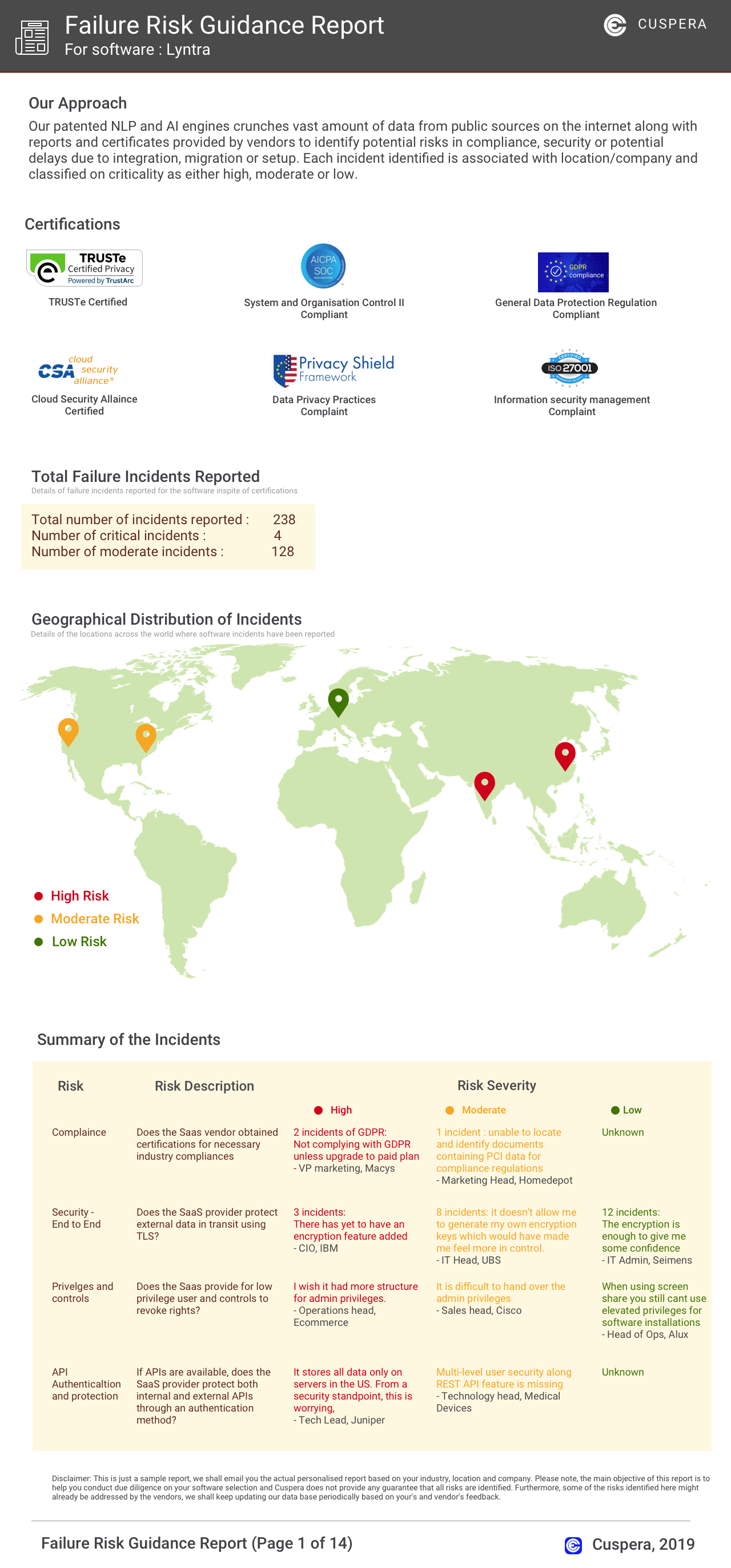
Software Failure Risk Guidance
?for Virto Commerce
Overall Risk Meter
Top Failure Risks for Virto Commerce
Virto Commerce News
Virto Commerce Stable 15: Configuration & Stronger Core
Virto Commerce has released Stable 15, a major platform update featuring 56 validated modules, enhanced configurable commerce capabilities, and improved catalog tooling. The update includes security hardening, data resilience features, and platform modernization to .NET 10, benefiting businesses with modular products and security-sensitive environments.
Virto Commerce in Forrester's Marketplace Platforms Report
Virto Commerce is recognized in Forrester's Marketplace Platforms for Physical Goods Landscape, Q2 2026, highlighting its role in supporting enterprises with modular, API-driven commerce capabilities.
Virto Commerce is recognized as a Niche Player in the 2025 Gartner Magic Quadrant for Digital Commerce - Morningstar
Virto Commerce has been recognized as a Niche Player in the 2025 Gartner Magic Quadrant for Digital Commerce. This recognition highlights Virto's composable architecture, allowing enterprises to customize and scale their digital commerce solutions. The platform's AI capabilities and modular approach have attracted clients like HEINEKEN and Bosch.
Latest Virto Commerce Platform Updates and Release Notes
Latest Virto Commerce Platform Updates and Release Notes
Virto Commerce Profile
Company Name
Virto Commerce
Company Website
https://virtocommerce.com/HQ Location
Los Angeles, California
Employees
11-50
Social


Financials
PRIVATE