
Thoughtspot Analytics Overview
ThoughtSpot Intelligence Platform redefines business intelligence by enabling users to query any data, regardless of location, through its intuitive interface. This platform empowers users across various industries to transform data into actionable insights, simplifying decision-making processes. A standout feature is its agentic analytics, which automates data analysis and provides real-time insights, enhancing user experience and efficiency. ThoughtSpot's commitment to accessible intelligence means teams can seamlessly integrate data-driven insights into their workflows, ensuring informed decisions at every level. Trusted AI elements within the platform ensure data accuracy and reliability, making it a preferred choice for businesses aiming to leverage data strategically.
Use Cases
Customers recommend Social Media Management, Competitive Intelligence, Lead Analytics, as the business use cases that they have been most satisfied with while using Thoughtspot Analytics.
Business Priorities
Enhance Customer Relationships and Increase Sales & Revenue are the most popular business priorities that customers and associates have achieved using Thoughtspot Analytics.
Thoughtspot Analytics Use-Cases and Business Priorities: Customer Satisfaction Data
Thoughtspot Analytics works with different mediums / channels such as Social Media. and Website.
Thoughtspot Analytics's features include Dashboard, Personalization, Calculator, etc. and Thoughtspot Analytics support capabilities include AI Powered, Phone Support, 24/7 Support, etc. also Thoughtspot Analytics analytics capabilities include Analytics, and Custom Reports.
Reviews
"With ThoughtSpot, people can ask questions in real time to get the answers they want, evolve their ideas, and speed the whole decision making process." - Luke Welch
Peer review evidence (same sources as the product rating summary)
"...On Air Code Tdwi Best Practices Report Advanced Analytics Thoughtspot Best Artificial Intelligence Ai Software..." Best Machine Learning Language
"...In the last year, ThoughtSpot has become a leader in Gartner s Magic Quadrant for Analytics & Business Intelligence, and grew 195% in the first half of the fiscal year as the company approaches $100M in run-rate...." The Future of Business Intelligence
"...Next-gen analytics from ThoughtSpot, for instance, give non-technical employees access to data insights two different ways: through search- and through artificial intelligence-driven analytics. ..." Empowering Employees to Make Good Decisions
Thoughtspot Analytics, Hevo, Databox, ZAP Data Hub, Striim, etc., all belong to a category of solutions that help Business Intelligence. Each of them excels in different abilities. Therefore, determining the best platform for your business will depend on your specific needs and requirements.
ThoughtSpot-Analytics is an AI-powered platform enabling anyone to query data in natural language. Accurate answers and actionable insights are provided seamlessly.
Popular Business Setting
for Thoughtspot Analytics
Top Industries
- Design
- Information Technology and Services
- Utilities
Popular in
- Large Enterprise
- Mid Market
- Enterprise
Thoughtspot Analytics is popular in Design, Information Technology And Services, and Utilities and is widely used by Large Enterprise, Mid Market, and Enterprise.
Thoughtspot Analytics Customer wins, Customer success stories, Case studies
How can Thoughtspot Analytics optimize your Competitive Intelligence Workflow?
What solutions does Thoughtspot Analytics provide for Lead Analytics?
Why is Thoughtspot Analytics the best choice for Engagement Management?
Why is Thoughtspot Analytics the best choice for Sending & Publishing Communications?
| CUSTOMERS | TESTIMONIALS |
|---|---|
|
With ThoughtSpot, people can ask questions in real time to get the answers they want, evolve their ideas, and speed the whole decision making process. Testimonial By Luke Welch |
| CUSTOMERS | TESTIMONIALS |
|---|---|
Luke Welch Global Head of BI cmc markets |
With ThoughtSpot, people can ask questions in real time to get the answers they want, evolve their ideas, and speed the whole decision making process. Testimonial By Luke Welch |
ThoughtSpot Analytics Cloud 9.10 - What's New
Frequently Asked Questions(FAQ)
for Thoughtspot Analytics
What integrations are available for ThoughtSpot with CRM systems?
ThoughtSpot offers several integrations with popular CRM systems to enhance data analytics and visualization capabilities. Notably, it integrates seamlessly with Salesforce, allowing users to pull CRM data directly into ThoughtSpot for advanced analysis and reporting. This integration enables businesses to leverage their customer data effectively, providing insights that can drive sales strategies and improve customer engagement. Additionally, ThoughtSpot can connect with other platforms like HubSpot and Marketo, facilitating a comprehensive view of customer interactions across different channels. These integrations empower users to create interactive dashboards and utilize AI-driven insights, ensuring that CRM data is not only accessible but also actionable for informed decision-making.
How does the AI-suggested questions feature work in ThoughtSpot?
The AI-suggested questions feature in ThoughtSpot leverages advanced algorithms and natural language processing to enhance user interaction with data analytics. When users input queries or explore data, the system analyzes their context and intent, generating relevant questions that guide them toward deeper insights. This feature is designed to empower users, allowing them to discover trends and patterns they may not have initially considered, thereby fostering a more intuitive and exploratory data experience. By suggesting questions based on user behavior and data context, ThoughtSpot not only streamlines the analytics process but also encourages a culture of data-driven decision-making within organizations. This capability ultimately enhances the overall user experience, making data exploration more accessible and efficient for all users, regardless of their technical expertise.
What customizable UI elements can I use in ThoughtSpot?
In ThoughtSpot, users can leverage a variety of customizable UI elements to enhance their data visualization and reporting experience. Key features include customizable buttons and UI elements that allow for a tailored user interface, enabling organizations to align the dashboard with their branding and user preferences. Additionally, ThoughtSpot provides options for users to create personalized views, ensuring that different stakeholders can access the data in a way that best suits their needs. However, it's important to note that customization may be complex for new users, and non-admins might face limitations in modifying color palettes, particularly in corporate environments. Overall, these customizable elements empower users to create a more engaging and relevant data interaction experience.
How can I control user actions within ThoughtSpot?
To control user actions within ThoughtSpot, you can leverage its customizable user interface elements and buttons, allowing you to tailor the experience according to your organization's needs. ThoughtSpot enables you to define specific user actions, such as allowing users to self-serve by saving their searches into an Answer, pinning them to a Liveboard, or maintaining the experience as an ad-hoc search within your application. By utilizing these features, you can enhance user engagement and streamline workflows, ensuring that users can interact with data in a way that aligns with their roles and responsibilities. This level of customization not only empowers users but also fosters a more efficient data-driven decision-making process within your organization.
What data providers can be integrated with ThoughtSpot?
ThoughtSpot offers extensive connectivity with various data providers, enabling seamless integration for enhanced analytics. It can connect with cloud platforms like Google BigQuery and Snowflake, allowing users to analyze large datasets efficiently. Additionally, ThoughtSpot supports integration with popular databases such as Amazon Redshift, Microsoft SQL Server, and Oracle, among others. This flexibility ensures that organizations can leverage their existing data infrastructure while utilizing ThoughtSpot's powerful analytics capabilities. By integrating with these data providers, businesses can streamline their data workflows, enhance data governance, and empower users to gain insights quickly and effectively, ultimately driving better decision-making across the organization.
How does the composable data platform in Looker enhance data experiences?
The composable data platform in Looker enhances data experiences by allowing businesses to create tailored data applications that can scale with user demand. This flexibility enables organizations to develop custom analytic data products that align with their brand profiles, leveraging Looker's secure and real-time analytics foundation. With Looker's semantic modeling layer, LookML, users can interact with data using familiar business terminology, simplifying complex queries and ensuring data consistency. Additionally, the platform's API extensibility facilitates programmatic management of content, users, and data, empowering teams to build unique data experiences that meet specific business needs. Overall, Looker's composable architecture fosters innovation and agility, enabling companies to unlock new revenue streams and improve decision-making through enhanced data storytelling and visualization capabilities.
What are the API capabilities of ThoughtSpot for programmatic management?
ThoughtSpot offers a range of API capabilities that facilitate programmatic management of its analytics platform, enabling developers to automate tasks and integrate ThoughtSpot with other applications. These APIs allow for functionalities such as data loading, user management, and the creation of custom visualizations, enhancing the flexibility and scalability of data operations. Users can leverage these APIs to streamline workflows, automate reporting, and customize user experiences within their applications. While some users have expressed a desire for more APIs to access individual features, the existing API framework supports extensive connectivity and integration with cloud platforms like BigQuery and Snowflake, ensuring that organizations can efficiently manage their data analytics processes. This programmatic approach empowers businesses to tailor their analytics solutions to meet specific needs and improve decision-making efficiency.
How do I set up integrations with Salesforce in ThoughtSpot?
To set up integrations with Salesforce in ThoughtSpot, begin by navigating to the Admin section within your ThoughtSpot account. From there, select "Data Connectors" and choose to create a new connection. You will need to enter your Salesforce credentials, including your username, password, and any necessary security tokens. After entering the required information, click 'Continue' to proceed. ThoughtSpot will guide you through the configuration process, allowing you to select the specific Salesforce objects and fields you want to integrate. Once the connection is established, you can leverage ThoughtSpot's powerful analytics capabilities to visualize and analyze your Salesforce data effectively. This integration enables seamless access to your CRM data, empowering your team to make data-driven decisions quickly.
What features does Looker offer for creating custom data applications?
Looker offers a range of features designed to facilitate the creation of custom data applications, making it a powerful tool for businesses looking to tailor their data experiences. One of its key strengths is the composable data platform, which allows users to build custom applications that can scale as their needs grow. Looker’s semantic modeling layer, LookML, ensures data governance and consistency, enabling users to create trusted data models. Additionally, the platform supports real-time analytics and API extensibility, allowing for programmatic management of content, users, and data. Users can also leverage enhanced visualization capabilities, customizable UI elements, and the ability to integrate with tools like Vertex AI for advanced analytics, ensuring that the applications align with their brand profiles and business objectives.
How does the automated data loading feature work in ThoughtSpot?
The automated data loading feature in ThoughtSpot streamlines the process of integrating and updating data from various sources into the platform, ensuring that users have access to the most current insights without manual intervention. This feature utilizes cloud-native capabilities to connect seamlessly with data warehouses like BigQuery and Snowflake, allowing for efficient data ingestion and transformation. Once set up, ThoughtSpot automatically schedules data loads at specified intervals or triggers them based on certain events, reducing the burden on IT teams and enabling business users to focus on analysis rather than data management. This capability not only enhances data governance and security but also supports real-time analytics, empowering organizations to make timely, informed decisions based on the latest data.
What is the process for configuring ThoughtSpot with AWS?
Configuring ThoughtSpot with AWS involves several key steps to ensure seamless integration. First, navigate to the Admin section in ThoughtSpot and select Data Connectors to create a new connection. Choose the AWS service you wish to connect to, such as Amazon Redshift or Amazon S3, and enter the required credentials, including the AWS access key, secret key, and the specific region. After entering the necessary details, hit 'Continue' to select the relevant database or data source. It's essential to configure the connection settings appropriately, including any specific schemas or tables you want to access. Finally, test the connection to confirm that ThoughtSpot can successfully communicate with your AWS resources, allowing you to leverage AWS data for analytics and insights.
How can I use Looker extensions with Vertex AI for advanced analytics?
To use Looker extensions with Vertex AI for advanced analytics, you can integrate these powerful tools to enhance your data analysis capabilities. Start by accessing your Looker instance and navigating to the extensions section, where you can find various options to connect with Vertex AI. Once integrated, you can leverage Looker's semantic modeling layer (LookML) to ensure data consistency and governance, allowing you to query data in natural language. This integration enables you to create custom AI workflows that utilize Vertex AI's machine learning capabilities, providing deeper insights and predictive analytics. Additionally, you can utilize Looker's conversational analytics features to ask complex questions and receive visualized answers, empowering your team to make data-driven decisions efficiently.
What are the benefits of using ThoughtSpot's real-time analytics feature?
ThoughtSpot's real-time analytics feature offers significant benefits for businesses seeking to enhance their decision-making processes. By providing instant access to data insights through an intuitive search interface, users can generate charts and tables without needing technical expertise, enabling faster and more informed decisions. The integration of AI-driven capabilities, such as the SpotIQ feature, automatically identifies trends and anomalies, ensuring that critical insights are not overlooked. This empowers frontline workers and decision-makers alike, fostering a culture of data-driven innovation. Additionally, the ability to create interactive Liveboards allows teams to visualize data dynamically, leading to a 300% increase in queries and improved analytics adoption, as evidenced by companies like Fabuwood. Overall, ThoughtSpot's real-time analytics transforms data into actionable insights, driving efficiency and agility in business operations.
How does the customizable UI in ThoughtSpot improve user experience?
The customizable UI in ThoughtSpot significantly enhances user experience by allowing organizations to tailor the interface to meet their specific needs and preferences. Users can modify UI elements and buttons, creating a more intuitive and engaging environment that aligns with their workflows. This flexibility empowers users to self-serve their data needs, whether by saving searches into Answers, pinning them to Liveboards, or conducting ad-hoc searches within their applications. By providing greater control over user actions, ThoughtSpot ensures that individuals can interact with data in a way that feels natural and efficient, ultimately leading to increased analytics adoption and faster decision-making. This user-centric approach not only fosters a sense of ownership but also reduces the learning curve for new users, making data analytics accessible to a broader audience.
What types of data sources can be integrated into ThoughtSpot?
ThoughtSpot allows integration with a wide variety of data sources, enabling businesses to consolidate their data into a single analytics platform. Users can connect to cloud-native databases such as BigQuery and Snowflake, as well as traditional databases, ensuring extensive connectivity across different environments. This capability is crucial for organizations looking to streamline their data analysis processes, as it allows for automated data loading and real-time insights from multiple sources. Additionally, ThoughtSpot's architecture supports scalability, making it suitable for large datasets and complex data environments. By integrating diverse data sources, businesses can enhance their decision-making capabilities and gain comprehensive insights, ultimately driving better outcomes.
How does the self-service analytics feature in ThoughtSpot function?
The self-service analytics feature in ThoughtSpot empowers users to explore data independently without requiring technical expertise. It operates through a search-first approach, allowing users to type simple queries and receive instant visualizations such as charts and tables. This functionality is enhanced by ThoughtSpot's AI-driven insights engine, SpotIQ, which automatically identifies trends, anomalies, and key drivers in the data. Users can customize their experience with AI-suggested questions and adjustable UI elements, enabling them to save searches, pin insights to Liveboards, or conduct ad-hoc analyses within their applications. This flexibility not only fosters a data-driven culture but also allows frontline workers to make informed decisions quickly, ultimately driving business success.
What is the role of data governance in ThoughtSpot integrations?
Data governance in ThoughtSpot integrations plays a crucial role in ensuring that data is accurate, secure, and compliant with organizational policies. It establishes the framework for managing data access, quality, and usage across various integrations, such as those with cloud platforms like BigQuery and Snowflake. By implementing robust data governance practices, ThoughtSpot helps organizations maintain data integrity and trustworthiness, enabling users to make informed decisions based on reliable insights. This governance framework also facilitates collaboration among teams by ensuring that data sharing adheres to security protocols, thereby reducing risks associated with data breaches or misuse. Ultimately, effective data governance enhances the overall value of ThoughtSpot's analytics capabilities, empowering businesses to leverage their data confidently and responsibly.
How can I schedule reports to Chat & Gmail using Looker?
To schedule reports to Chat and Gmail using Looker, you can utilize the built-in scheduling feature within the Looker platform. First, navigate to the report you wish to schedule and select the "Schedule" option. From there, you can choose the frequency of the report delivery, such as daily, weekly, or monthly. Next, specify the recipients by entering their email addresses or selecting them from your contacts. You can also customize the message that accompanies the report. For Chat, Looker allows you to send reports directly to your preferred chat platform, ensuring that your team receives timely updates. Once you’ve configured these settings, save the schedule, and Looker will automatically deliver the reports to your specified Chat and Gmail addresses as per your defined schedule, streamlining your reporting process and enhancing collaboration.
What are the steps to embed ThoughtSpot analytics into my app?
To embed ThoughtSpot analytics into your app, start by ensuring you are a Vercel user, as the integration is facilitated through the Vercel Marketplace. Once logged in, navigate to the ThoughtSpot listing within the marketplace and follow the in-listing prompt wizard, which will guide you through the embedding process. You can customize UI elements and buttons to align with your app's design and control user actions, such as allowing users to save searches or pin them to a Liveboard. After completing the setup, test the integration to ensure that the AI-powered analytics function seamlessly within your application. This process not only enhances your app's capabilities but also provides your users with valuable insights directly within their workflow.
How does the integration with Google Sheets work in Looker?
The integration between Google Sheets and Looker is designed to enhance productivity by allowing users to seamlessly transition between the two platforms. With Connected Sheets for Looker, users can move data from Google Sheets to Looker Studio with just one click, enabling them to leverage Looker's advanced analytics and visualization capabilities. This integration also supports scheduling reports to be sent directly to Chat and Gmail, making it easier to share insights with team members. Additionally, users can automatically generate slide presentations in Gemini for Looker, further streamlining the reporting process. This integration not only simplifies data management but also empowers users to create compelling narratives and make data-driven decisions efficiently.
What are the advantages of using ThoughtSpot for self-service BI?
ThoughtSpot offers several advantages for self-service business intelligence (BI) that empower users to analyze data without requiring technical expertise. Its intuitive user interface allows non-technical users to type simple search queries and receive instant insights in the form of charts and tables, making data exploration accessible to everyone. The platform's AI-driven features, such as SpotIQ, automatically identify trends and anomalies, enhancing decision-making capabilities. Additionally, ThoughtSpot's cloud-native integration ensures scalability and real-time data updates, which are crucial for organizations handling large datasets. Users can create personalized views and dashboards, fostering a collaborative environment where insights can be shared quickly. Overall, ThoughtSpot streamlines the analytics process, enabling faster, data-driven decisions across the organization.
How can I enhance filtering experiences in ThoughtSpot?
To enhance filtering experiences in ThoughtSpot, you can utilize several strategies to improve data interaction and user satisfaction. First, consider customizing the user interface elements and buttons to make filtering options more intuitive and accessible. This allows users to easily navigate through data sets and apply filters that suit their specific needs. Additionally, leveraging ThoughtSpot's AI-suggested questions can guide users in formulating their queries, leading to more relevant results. You can also implement greater control over user actions, enabling users to save searches or pin them to Liveboards for quick access. Lastly, ensure that your data is well-structured and categorized, as this will facilitate more effective filtering and enhance the overall user experience. By focusing on these enhancements, you can significantly improve how users interact with data in ThoughtSpot.
What types of charts and views are available in ThoughtSpot?
ThoughtSpot offers a variety of charts and views designed to cater to diverse analytics and visualization needs. Users can create interactive dashboards that include bar charts, line graphs, pie charts, and tables, allowing for a comprehensive representation of data. The platform's flexibility enables personalized views, meaning that different users can tailor their visualizations based on their specific requirements. However, some users have noted a desire for more types of charts and enhanced filtering experiences to better analyze complex datasets. Overall, ThoughtSpot's visualization capabilities are well-suited for organizations looking to empower users with the ability to explore data dynamically and derive insights without requiring extensive technical skills.
How does Looker support scalability for data applications?
Looker supports scalability for data applications through its composable data platform, which allows businesses to create custom data applications that can grow as user demand increases. This flexibility is enhanced by Looker's secure and real-time analytics foundation, ensuring that as more users engage with the data, performance remains robust. Additionally, Looker’s API extensibility enables programmatic management of content, users, and data, allowing organizations to tailor their data experiences to meet specific needs. By leveraging LookML, Looker’s semantic modeling layer, businesses can maintain data governance and consistency, which is crucial for scaling applications effectively. This combination of features empowers organizations to develop new revenue streams with analytic data products that align with their brand profiles while ensuring that their data infrastructure can adapt to evolving business requirements.
What is the process for connecting ThoughtSpot to Snowflake?
To connect ThoughtSpot to Snowflake, begin by navigating to the Admin section in ThoughtSpot and selecting Data Connectors. Create a new Snowflake database connection by entering your Snowflake credentials, including the URL, warehouse, and database details. After hitting 'Continue', you will need to select the appropriate schema, dynamic tables, and columns you wish to query. Additionally, you can configure separate Snowflake warehouses for different ThoughtSpot users or groups to optimize workload distribution. It's also possible to set distinct configurations for indexing and querying processes. Once the connection is established, you can leverage ThoughtSpot's AI-powered analytics to perform real-time queries on your Snowflake data, enhancing your data-driven decision-making capabilities.
How can I create personalized views in ThoughtSpot?
To create personalized views in ThoughtSpot, start by leveraging its user-friendly interface that allows for easy customization. First, access the dashboard and select the data sets you want to visualize. You can then utilize the AI-suggested questions feature to generate insights tailored to your specific needs. Next, customize UI elements and buttons to enhance the user experience, ensuring that the layout aligns with your preferences. ThoughtSpot also provides greater control over user actions, enabling you to save searches as Answers or pin them to Liveboards for quick access. By experimenting with different visualizations and filters, you can create a unique dashboard that reflects your individual analytics requirements, making data exploration intuitive and efficient.
What are the key features of ThoughtSpot's analytics integration?
ThoughtSpot's analytics integration offers several key features designed to enhance data accessibility and usability for businesses. One of the standout features is its AI-suggested questions, which help users generate insights without needing technical expertise. The platform also boasts a customizable user interface, allowing organizations to tailor UI elements and buttons to fit their branding and user preferences. Additionally, ThoughtSpot provides greater control over user actions, enabling functionalities like self-service data saving, pinning insights to Liveboards, and conducting ad-hoc searches within applications. The integration with cloud platforms such as BigQuery and Snowflake ensures scalability and performance, making it easier for users to analyze and visualize large datasets in real-time. Overall, these features empower users to make informed, data-driven decisions efficiently.
How does the integration with Oracle enhance data analysis in ThoughtSpot?
The integration of ThoughtSpot with Oracle enhances data analysis by leveraging Oracle's robust database capabilities alongside ThoughtSpot's powerful analytics features. This seamless connection allows users to access and analyze large datasets stored in Oracle databases quickly and efficiently. With ThoughtSpot's search-first approach, users can perform complex queries without needing extensive technical skills, enabling real-time insights and data-driven decision-making. Additionally, the integration supports automated data loading and ensures data governance and security, which are critical for maintaining data integrity. By combining Oracle's data management strengths with ThoughtSpot's AI-driven insights engine, businesses can uncover trends and anomalies more effectively, ultimately fostering innovation and accelerating time-to-market for new ideas.
What are the use cases for AI-powered analytics in ThoughtSpot?
AI-powered analytics in ThoughtSpot offers a variety of use cases that enhance decision-making and operational efficiency. One prominent use case is the generation of insights through SpotIQ, which automatically analyzes data to alert users about significant changes and trends, providing explanations for what is happening and why. Additionally, ThoughtSpot enables users to create interactive, AI-driven data applications that empower frontline decision-makers to leverage machine learning (ML) models tailored to their business needs. The platform also supports customizable user interfaces and AI-suggested questions, allowing users to self-serve and pin important insights to Liveboards. By integrating AI and ML capabilities, ThoughtSpot helps organizations unlock the full potential of their data, driving better business outcomes and fostering a culture of data-driven decision-making.
How can I customize color palettes in Looker as a non-admin?
Customizing color palettes in Looker as a non-admin can be challenging due to the platform's restrictions in corporate environments. However, you can still achieve some level of customization by utilizing the built-in visualization options available in your reports. Start by accessing the Looker report you wish to modify, then navigate to the visualization settings where you can select from predefined color schemes. While non-admin users may not have the ability to create entirely new color palettes, you can adjust existing visualizations to better suit your needs. If you require more extensive customization, consider collaborating with an admin who can implement broader changes to the Looker instance, including the creation of custom themes that align with your brand's identity.
What measurable business value can ThoughtSpot analytics provide?
ThoughtSpot analytics delivers significant measurable business value by empowering organizations to make data-driven decisions quickly and efficiently. For instance, companies like Wellthy have saved over $200,000 by transitioning from manual reporting to self-service analytics, which increased analyst efficiency and boosted monthly active users by 281%. Similarly, Fabuwood experienced a 300% increase in queries and doubled analytics adoption after switching from Power BI, enabling executives to access real-time sales data and make faster decisions. Chick-fil-A reported a dramatic reduction in data request turnaround time, from days to minutes, allowing analysts to focus on higher-value tasks. Overall, ThoughtSpot enhances operational efficiency, reduces decision-making time, and fosters a culture of data ownership, ultimately driving better business outcomes.
How does ThoughtSpot analytics improve ROI for businesses?
ThoughtSpot analytics improves ROI for businesses by empowering frontline workers with real-time, data-driven insights that enhance decision-making efficiency. With features like the AI-driven SpotIQ and change analysis, organizations can quickly identify trends and anomalies, enabling faster responses to market changes. For instance, companies like Wellthy and Chick-fil-A have reported significant cost savings and productivity boosts by replacing manual reporting with ThoughtSpot's self-service analytics, leading to increased analyst efficiency and reduced time spent on data requests. Additionally, the platform's customizable user interface and natural language processing capabilities allow users to easily access and visualize data, fostering a culture of data-driven decision-making across all levels of the organization. This ultimately leads to better resource allocation, improved operational efficiency, and increased profitability, driving a higher return on investment.
What are the cost savings associated with using ThoughtSpot analytics?
Using ThoughtSpot analytics can lead to significant cost savings for organizations by streamlining data processes and enhancing efficiency. For instance, Wellthy saved over $200,000 by transitioning from manual reporting to self-service analytics, which allowed business users to access insights independently. Similarly, Odido reported annual savings of €1 million, as analysts gained 40 extra days per month to focus on complex tasks instead of routine data requests. Fabuwood experienced a 300% increase in queries and doubled analytics adoption, resulting in faster decision-making and reduced reliance on IT resources. By enabling real-time data access and reducing the time spent on reporting, ThoughtSpot empowers organizations to optimize their operations and allocate resources more effectively, ultimately leading to substantial financial benefits.
How can ThoughtSpot analytics impact revenue generation for my company?
ThoughtSpot analytics can significantly impact revenue generation for your company by empowering frontline workers with data-driven insights that enhance decision-making and operational efficiency. With features like SpotIQ and change analysis, ThoughtSpot enables users to quickly identify trends and anomalies, allowing for timely adjustments in strategy. For instance, companies like Chick-fil-A have reported saving 100,000 hours annually on data requests, enabling analysts to focus on higher-value tasks that drive revenue. Additionally, organizations such as Fabuwood have experienced a 300% increase in queries and doubled analytics adoption, leading to faster access to real-time sales data. By facilitating self-service analytics and reducing reliance on manual reporting, ThoughtSpot helps businesses optimize their operations, ultimately leading to increased revenue and growth.
What pricing plans are available for ThoughtSpot analytics?
ThoughtSpot offers a variety of pricing plans tailored to different user needs, including a new freemium offering called the Developer Edition. This plan allows developers to switch from the Free Trial to the Developer Edition after the initial 14-day period, granting them free access to ThoughtSpot Embedded for one year. This extended access enables developers to refine their applications with embedded analytics before launching them. Additionally, ThoughtSpot provides various pricing tiers that cater to different business requirements, which can be explored in detail on their pricing page. Each edition includes features designed to enhance user experience, such as customizable UI elements and AI-suggested questions, ensuring that organizations can find a plan that aligns with their analytics needs and budget.
What is the total cost of ownership for implementing ThoughtSpot analytics?
The total cost of ownership (TCO) for implementing ThoughtSpot analytics includes several factors such as licensing fees, infrastructure costs, training expenses, and ongoing maintenance. ThoughtSpot offers various pricing tiers, which can be explored on their pricing page, allowing businesses to choose a plan that fits their needs. Additionally, organizations should consider costs related to integrating ThoughtSpot with existing systems, such as cloud platforms like BigQuery or Snowflake, which enhance performance and scalability. Training and certification programs for users and developers may also incur costs but are essential for maximizing the platform's capabilities. Ultimately, while the initial investment may vary, the potential for significant cost savings and efficiency gains, as demonstrated by companies like Wellthy and Fabuwood, can lead to a favorable TCO over time.
How quickly can I expect to see value from ThoughtSpot analytics?
You can expect to see significant value from ThoughtSpot analytics almost immediately after implementation. Many organizations report transformative results within weeks, as demonstrated by companies like Frontify, which reduced report generation time from a month to just 30 minutes, and Fabuwood, which experienced a 300% increase in queries and doubled analytics adoption shortly after switching from Power BI. ThoughtSpot's AI-driven insights engine, SpotIQ, empowers frontline workers to access real-time data, enabling faster decision-making and reducing reliance on data teams for reporting. With features like customizable user interfaces and self-service analytics, businesses can quickly harness insights to drive efficiency and innovation, making ThoughtSpot a valuable tool for organizations looking to enhance their data-driven decision-making capabilities.
What are the implementation costs for ThoughtSpot analytics?
The implementation costs for ThoughtSpot analytics can vary significantly based on several factors, including the size of your organization, the complexity of your data environment, and the specific features you choose to utilize. While ThoughtSpot does not publicly disclose a fixed pricing structure, it offers a range of pricing options tailored to different business needs, which can be explored on their pricing page. Additionally, organizations may incur costs related to training, onboarding, and potential customization to ensure the platform aligns with their specific analytics requirements. It's advisable to consult with ThoughtSpot's sales team for a detailed quote that considers your unique circumstances and to understand the total cost of ownership, including any ongoing subscription fees and support services.
How does ThoughtSpot analytics help in reducing manual reporting costs?
ThoughtSpot analytics significantly reduces manual reporting costs by empowering business users with self-service capabilities, allowing them to access and analyze data independently without relying on data teams for every report. For instance, companies like Fabuwood and Chick-fil-A have transitioned from time-consuming manual reporting processes to real-time analytics, resulting in substantial efficiency gains. Fabuwood experienced a 300% increase in queries and reduced the time for data team responses from a month to just one day. Similarly, Chick-fil-A eliminated 100,000 hours of analyst time spent on data requests, enabling analysts to focus on higher-value tasks. By automating data insights and providing interactive dashboards, ThoughtSpot not only streamlines reporting but also fosters a culture of data ownership, ultimately leading to significant cost savings and improved decision-making across organizations.
What are the strategic benefits of using ThoughtSpot analytics in my business?
Using ThoughtSpot analytics in your business offers several strategic benefits that can significantly enhance decision-making and operational efficiency. Its AI-driven insights engine, SpotIQ, empowers users to quickly uncover trends and anomalies in data, enabling real-time, data-driven decisions without requiring extensive technical skills. The platform's cloud-native integration ensures scalability and seamless connectivity to various data sources, facilitating automated data loading and governance. Additionally, ThoughtSpot's user-friendly interface allows for personalized views and easy customization, catering to diverse analytics needs across your organization. By fostering a culture of data empowerment among frontline workers, ThoughtSpot can help reduce decision-making time and improve overall business performance, ultimately driving innovation and competitive advantage.
Can ThoughtSpot analytics help my team make faster decisions?
Yes, ThoughtSpot analytics can significantly help your team make faster decisions by empowering frontline workers with real-time data insights. With its AI-driven insights engine, SpotIQ, ThoughtSpot enables users to quickly analyze data without needing extensive technical skills, allowing them to generate reports and visualizations in minutes instead of days. For instance, companies like Frontify and Chick-fil-A have reported drastic reductions in reporting times, with Frontify speeding up insights by 99.9% and Chick-fil-A saving analysts 100,000 hours annually on data requests. By providing a single source of truth and facilitating self-service analytics, ThoughtSpot fosters a culture of data ownership, enabling teams across sales, marketing, and finance to make informed decisions swiftly and efficiently.
What is the average ROI reported by companies using ThoughtSpot analytics?
While specific average ROI figures for companies using ThoughtSpot analytics are not universally reported, numerous case studies highlight significant financial benefits. For instance, Wellthy saved over $200,000 by transitioning to self-service analytics, while Fabuwood experienced a 300% increase in queries and doubled analytics adoption, leading to faster decision-making. Chick-fil-A reported a reduction of 100,000 hours annually in data requests, allowing analysts to focus on higher-value tasks. These examples suggest that organizations leveraging ThoughtSpot can achieve substantial cost savings and efficiency gains, ultimately enhancing their overall return on investment. The platform's ability to empower business users with real-time insights fosters a culture of data ownership, further driving value across various departments.
How does ThoughtSpot analytics enable self-service for business users?
ThoughtSpot analytics empowers business users with self-service capabilities through its intuitive, search-first approach, allowing users to easily explore and analyze data without needing extensive technical expertise. The platform features AI-suggested questions and customizable UI elements, enabling users to tailor their experience and quickly find relevant insights. With enhanced control over user actions, individuals can self-serve by saving searches, pinning results to Liveboards, or conducting ad-hoc analyses directly within their applications. This democratization of data access not only fosters a culture of data-driven decision-making but also significantly reduces the time required for insights, as evidenced by companies like Fabuwood, which experienced a 300% increase in queries and doubled analytics adoption after implementing ThoughtSpot.
What are the different tiers of pricing for ThoughtSpot analytics?
ThoughtSpot offers a range of pricing tiers designed to accommodate various user needs and organizational sizes. The newly introduced Developer Edition provides developers with free access to ThoughtSpot Embedded for one year after an initial 14-day free trial, allowing ample time to develop and refine applications with embedded analytics. Additionally, ThoughtSpot's pricing structure includes options for commercial use, which can vary based on features and user requirements. For detailed information on the specific features included in each edition and to explore the pricing options, it is recommended to visit the ThoughtSpot pricing page. This tiered approach ensures that businesses can select a plan that aligns with their analytics needs and budget constraints.
How does ThoughtSpot analytics enhance analyst efficiency?
ThoughtSpot analytics enhances analyst efficiency by empowering business users to independently search and analyze data, significantly reducing the burden on analysts. With features like the AI-driven SpotIQ insights engine and customizable user interfaces, ThoughtSpot allows users to generate insights in real-time without needing extensive technical expertise. This self-service capability means that data requests, which previously took days to fulfill, can now be completed in minutes, freeing analysts to focus on higher-value tasks such as strategic analysis and innovation. For instance, companies like Chick-fil-A have reported saving 100,000 hours annually on data requests, enabling their analysts to concentrate on more complex analytical work rather than routine reporting. Overall, ThoughtSpot streamlines data access and fosters a more agile decision-making environment, enhancing overall productivity within organizations.
What kind of measurable outcomes can I expect from using ThoughtSpot analytics?
Using ThoughtSpot analytics can lead to significant measurable outcomes for your organization. For instance, companies like Fabuwood experienced a 300% increase in queries and doubled their analytics adoption after switching from Power BI, enabling executives to access real-time sales data for faster decision-making. Chick-fil-A reported a reduction of 100,000 hours lost annually on data requests, allowing business users to independently analyze supply chain data, which transformed days of data requests into mere minutes. Additionally, Wellthy saved over $200,000 by empowering self-service analytics, resulting in a 281% increase in monthly active users on analytics tools. These examples illustrate how ThoughtSpot can enhance efficiency, speed up decision-making, and ultimately drive better business outcomes through data-driven insights.
How does ThoughtSpot analytics support M&A due diligence processes?
ThoughtSpot analytics supports M&A due diligence processes by providing real-time, AI-driven insights that empower teams to make informed decisions quickly. With its search-first approach, users can easily access and analyze vast amounts of data from various sources, enabling them to identify trends, assess risks, and evaluate potential synergies between merging companies. The platform's SpotIQ feature automates change analysis, highlighting critical insights that may otherwise be overlooked, thus streamlining the due diligence process. Additionally, ThoughtSpot's customizable dashboards allow stakeholders to visualize data in a way that meets their specific needs, facilitating collaboration and communication among teams. By reducing the time spent on manual reporting and enhancing data accessibility, ThoughtSpot ultimately accelerates the M&A process, helping organizations navigate complexities with confidence.
What are the key benefits of switching to ThoughtSpot analytics from other tools?
Switching to ThoughtSpot analytics from other tools offers several key benefits that can significantly enhance your data-driven decision-making process. ThoughtSpot's user-friendly interface allows users to type simple search queries and receive instant visualizations, making it accessible even for non-technical users. The platform's AI-driven insights engine, SpotIQ, automatically identifies trends and anomalies, empowering teams to uncover valuable insights quickly. Additionally, ThoughtSpot supports real-time dashboard updates and customizable views, enabling users to tailor their analytics experience to meet diverse needs. Its cloud-native integration with platforms like BigQuery and Snowflake ensures scalability and performance, allowing organizations to analyze large datasets efficiently. Overall, ThoughtSpot enhances collaboration and speeds up the decision-making process, making it a compelling choice for businesses looking to leverage data effectively.
How does ThoughtSpot analytics reduce IT and analyst costs?
ThoughtSpot analytics significantly reduces IT and analyst costs by enabling self-service analytics, which empowers business users to access and analyze data independently without relying heavily on IT or data teams. This shift allows analysts to focus on more complex tasks rather than spending time on routine reporting. For instance, companies like Odido have reported saving €1 million annually by streamlining their analytics processes, while Chick-fil-A reduced analyst workload by 100,000 hours per year. Additionally, ThoughtSpot's AI-driven insights engine, SpotIQ, automates data analysis and reporting, further decreasing the need for extensive manual intervention. By fostering a culture of data ownership and providing real-time insights, organizations can optimize their resources and reduce operational costs associated with data management and reporting.
What is the expected time-to-value when implementing ThoughtSpot analytics?
The expected time-to-value when implementing ThoughtSpot analytics can be remarkably swift, often measured in days rather than months. Many organizations report significant reductions in reporting times; for instance, Frontify transitioned from a month-long reporting process to obtaining insights in just 30 minutes. Similarly, Chick-fil-A experienced a drastic decrease in data request fulfillment from days to mere minutes, allowing analysts to focus on higher-value tasks. This rapid deployment is facilitated by ThoughtSpot's cloud-native architecture, automated data loading, and user-friendly interface, which empower frontline workers to access and analyze data independently. As a result, businesses can quickly leverage actionable insights to drive decision-making and improve operational efficiency, maximizing their return on investment shortly after implementation.
How can ThoughtSpot analytics help in boosting monthly active users?
ThoughtSpot analytics can significantly boost monthly active users by empowering business users with self-service analytics capabilities. By replacing manual reporting with real-time dashboards, organizations can enhance user engagement and accessibility to insights. For instance, companies like Wellthy have reported a 281% increase in monthly active users after implementing ThoughtSpot, as it allows users to easily access and analyze data without relying on data teams. The platform's AI-driven insights engine, SpotIQ, enables users to generate insights quickly and intuitively, fostering a culture of data-driven decision-making. Additionally, customizable UI elements and AI-suggested questions enhance the user experience, making analytics more approachable and encouraging regular usage. Overall, ThoughtSpot transforms how users interact with data, leading to increased engagement and higher monthly active user counts.
What case studies demonstrate the ROI of ThoughtSpot analytics?
Several case studies highlight the ROI of ThoughtSpot analytics across various industries. For instance, Wellthy saved over $200,000 by transitioning to self-service analytics, which increased monthly active users by 281% and doubled analyst output without additional hires. Fabuwood experienced a 300% increase in queries and doubled analytics adoption after switching from Power BI, enabling executives to access real-time sales data for quicker decision-making. Chick-fil-A significantly reduced data request processing time, saving analysts 100,000 hours annually, while Midas Pharma saw 72% user adoption within four months, allowing teams to create over 10,000 visualizations monthly. Additionally, Odido saved €1 million a year by empowering business users with self-service analytics, freeing up analysts for more complex tasks. These examples illustrate how ThoughtSpot enhances efficiency, reduces costs, and fosters a culture of data-driven decision-making.
How does ThoughtSpot analytics compare to other business intelligence tools?
ThoughtSpot analytics stands out in the business intelligence landscape due to its user-friendly interface and AI-driven features, such as the SpotIQ insights engine, which automatically identifies trends and anomalies in data. Unlike traditional BI tools, ThoughtSpot allows users to type simple search queries to generate visualizations without requiring technical skills, making it accessible for frontline workers. However, it may struggle with complex calculations and joins, which can necessitate backend support. In comparison, tools like Sisense and Domo offer robust data integration and visualization capabilities but may not match ThoughtSpot's ease of use for non-technical users. Additionally, while ThoughtSpot excels in real-time dashboard updates and personalized views, competitors like Tableau and TIBCO Spotfire provide a wider variety of chart types and advanced filtering options, catering to users with more complex analytical needs.
What features of ThoughtSpot analytics contribute to cost savings?
ThoughtSpot analytics offers several features that contribute to significant cost savings for businesses. One of the key features is SpotCache, an integrated caching layer that minimizes repeated query costs, thereby reducing cloud expenses associated with AI workloads. Additionally, ThoughtSpot's self-service analytics capabilities empower business users to access insights without relying heavily on data teams, which can lead to increased efficiency and reduced labor costs. The platform's real-time dashboards replace manual reporting, allowing organizations to make faster decisions and improve productivity. Furthermore, the AI-driven insights engine, SpotIQ, helps users quickly identify trends and anomalies, enabling proactive decision-making that can prevent costly mistakes. Collectively, these features enhance operational efficiency and drive down costs associated with data management and analysis.
How can I measure the impact of ThoughtSpot analytics on my business?
To measure the impact of ThoughtSpot analytics on your business, start by establishing key performance indicators (KPIs) that align with your organizational goals, such as increased efficiency, reduced reporting time, or enhanced decision-making speed. Utilize ThoughtSpot's capabilities to track metrics like the number of queries generated, user engagement rates, and the time saved on data requests. For instance, companies like Fabuwood and Chick-fil-A reported significant improvements, such as a 300% increase in queries and a reduction in data request processing time from days to minutes. Additionally, conduct regular surveys to gather feedback from users on how analytics has influenced their decision-making processes. By analyzing these data points and user insights, you can effectively assess the value that ThoughtSpot analytics brings to your organization.
What are the common concerns businesses have about the pricing of ThoughtSpot analytics?
Common concerns businesses have about the pricing of ThoughtSpot analytics often revolve around the perceived value versus cost, especially for organizations with varying data needs. Some users find the pricing structure complex, which can lead to uncertainty about the total cost of ownership, particularly when scaling usage across departments. Additionally, businesses may worry about hidden costs associated with customization and integration, as well as the potential need for additional training to maximize the platform's capabilities. While ThoughtSpot offers a range of features that enhance data analysis and visualization, such as AI-driven insights and customizable user interfaces, organizations must carefully evaluate whether these benefits justify the investment based on their specific analytics requirements and budget constraints.
How does ThoughtSpot analytics facilitate real-time data insights?
ThoughtSpot analytics facilitates real-time data insights through its AI-driven insights engine, SpotIQ, which empowers users to quickly access and analyze data without requiring technical skills. By utilizing a search-first approach, users can type simple queries to generate instant charts, tables, or insights, enabling them to make informed decisions rapidly. The platform's interactive Liveboards update in real-time, allowing executives and teams to drill down into details effortlessly. This capability significantly reduces the time needed for data analysis, as seen in case studies like Fabuwood, where the data team transitioned from a month-long reporting process to obtaining answers within a day. Overall, ThoughtSpot's focus on ease of use and real-time data access fosters a culture of data-driven decision-making across organizations.
What is the user adoption rate for ThoughtSpot analytics in organizations?
The user adoption rate for ThoughtSpot analytics in organizations has shown significant growth, particularly highlighted by a 133% year-over-year increase in usage driven by the demand for its Agentic Analytics platform. For instance, companies like Fabuwood experienced a remarkable 300% increase in queries and doubled their analytics adoption after transitioning from Power BI to ThoughtSpot. Additionally, Midas Pharma reported that 72% of its users adopted the platform within just four months, demonstrating the effectiveness of ThoughtSpot in fostering a culture of data ownership and self-service analytics. This high adoption rate indicates that organizations are increasingly leveraging ThoughtSpot to empower their teams with real-time insights and analytics capabilities, ultimately enhancing decision-making processes across various departments.
How does ThoughtSpot analytics help in improving reporting speed?
ThoughtSpot analytics significantly improves reporting speed by leveraging its AI-driven insights engine, which allows users to generate reports and access data in real-time. Traditional reporting methods often took days or even months, but with ThoughtSpot, organizations like Frontify and Chick-fil-A have reduced reporting times from weeks to mere minutes. The platform enables business users to perform self-service analytics, eliminating the bottleneck of relying solely on data teams for insights. Features like Liveboards and the SpotIQ functionality automatically highlight trends and anomalies, further accelerating decision-making processes. This shift not only enhances the speed of reporting but also empowers teams across sales, marketing, and finance to make informed decisions quickly, ultimately driving business efficiency and agility.
What are the long-term financial benefits of using ThoughtSpot analytics?
The long-term financial benefits of using ThoughtSpot analytics are significant and multifaceted. By enabling self-service analytics, organizations can reduce reliance on data teams for reporting, leading to substantial cost savings, as seen with Wellthy, which saved over $200,000 by replacing manual reporting with real-time dashboards. Companies like Northmill experienced a 30% boost in customer conversion rates, directly impacting revenue. Additionally, ThoughtSpot's ability to provide real-time insights allows businesses to make faster, data-driven decisions, enhancing operational efficiency and productivity. For instance, Fabuwood doubled its analytics adoption and reduced report generation time from a month to a day, which translates to lower operational costs and improved decision-making speed. Overall, ThoughtSpot fosters a culture of data ownership, empowering employees to generate insights independently, which can lead to sustained financial growth and competitive advantage.
What are the key differences between ThoughtSpot Analytics and Sisense?
ThoughtSpot Analytics and Sisense are both powerful business intelligence tools, but they cater to different user needs and preferences. ThoughtSpot is known for its AI-driven search capabilities, allowing users to type natural language queries to generate insights and visualizations quickly, making it user-friendly for non-technical users. It excels in real-time data analysis and offers features like SpotIQ for automated insights. In contrast, Sisense focuses on providing a robust data integration platform with extensive customization options and advanced analytics capabilities, which may require more technical expertise. While ThoughtSpot is ideal for organizations seeking ease of use and rapid insights, Sisense is better suited for those needing deep data manipulation and complex visualizations. Ultimately, the choice between the two depends on your organization's specific analytics requirements and user skill levels.
How does ThoughtSpot Analytics compare to Domo in terms of features?
ThoughtSpot Analytics and Domo both offer robust data visualization and analytics capabilities, but they cater to different user needs. ThoughtSpot excels with its search-driven interface, allowing users to type simple queries and receive instant insights, making it highly user-friendly for non-technical users. Its SpotIQ feature automatically identifies trends and anomalies, enhancing data exploration. In contrast, Domo provides a more comprehensive suite of business intelligence tools, including extensive data connectors and customizable dashboards, which may appeal to organizations needing deeper integration and collaboration features. However, Domo can be more complex to navigate for new users compared to ThoughtSpot's intuitive design. Ultimately, the choice between the two depends on whether a business prioritizes ease of use and quick insights (ThoughtSpot) or a broader set of collaborative tools and integrations (Domo).
What are the advantages of using ThoughtSpot Analytics over Tibco Spotfire?
ThoughtSpot Analytics and Tibco Spotfire both offer robust data visualization and analytics capabilities, but they cater to different user needs. ThoughtSpot excels with its AI-driven insights engine, SpotIQ, which automatically identifies trends and anomalies, making it easier for non-technical users to generate insights through simple search queries. This user-friendly interface allows for real-time data exploration and customization, empowering frontline workers to make data-driven decisions quickly. In contrast, Tibco Spotfire is known for its advanced analytics and complex data manipulation capabilities, which may require more technical expertise. While Spotfire offers powerful visualizations and analytics for seasoned users, ThoughtSpot's focus on accessibility and speed can lead to faster adoption and decision-making across organizations, as evidenced by companies like Fabuwood, which experienced a significant increase in analytics usage after switching to ThoughtSpot.
Why should I choose ThoughtSpot Analytics instead of Sisense?
Choosing ThoughtSpot Analytics over Sisense can be advantageous for organizations seeking a user-friendly interface and powerful AI-driven insights. ThoughtSpot excels in enabling users to perform natural language searches, allowing even non-technical users to generate charts and insights quickly without extensive training. Its SpotIQ feature automatically identifies trends and anomalies, enhancing data exploration. Additionally, ThoughtSpot offers a high degree of customization for dashboards and visualizations, making it suitable for diverse user needs. In contrast, while Sisense provides robust data integration and analytics capabilities, it may require more technical expertise to fully leverage its features. Ultimately, if ease of use and rapid insights are priorities for your organization, ThoughtSpot Analytics may be the better choice.
What makes ThoughtSpot Analytics a better option than Domo?
ThoughtSpot Analytics offers several advantages over Domo, particularly in its search-first approach, which allows users to type simple queries and receive instant visualizations without needing technical skills. This feature, combined with the AI-driven insights engine, SpotIQ, enables users to uncover trends and anomalies quickly, making data exploration intuitive and efficient. Additionally, ThoughtSpot's customizable user interface and real-time dashboard updates provide flexibility for personalized views, catering to diverse analytics needs within an organization. While Domo excels in collaboration and data integration, ThoughtSpot's strength lies in empowering frontline workers with easy access to actionable insights, fostering a data-driven culture that enhances decision-making speed and accuracy. This focus on user empowerment and ease of use makes ThoughtSpot a compelling choice for businesses looking to leverage data effectively.
How does ThoughtSpot Analytics stack up against Tibco Spotfire?
ThoughtSpot Analytics and Tibco Spotfire both offer robust data analytics solutions, but they cater to different user needs and preferences. ThoughtSpot excels in its AI-driven insights engine, allowing users to type natural language queries to generate visualizations and insights quickly, making it particularly user-friendly for non-technical users. Its SpotIQ feature automatically identifies trends and anomalies, enhancing decision-making speed. In contrast, Tibco Spotfire is known for its advanced data visualization capabilities and extensive customization options, appealing to users who require detailed analytics and complex data manipulation. However, Spotfire may have a steeper learning curve compared to ThoughtSpot's intuitive interface. Ultimately, the choice between the two depends on whether your organization prioritizes ease of use and real-time insights (ThoughtSpot) or advanced visualization and customization (Tibco Spotfire).
What are the best alternatives to ThoughtSpot Analytics?
When considering alternatives to ThoughtSpot Analytics, several notable options stand out. Power BI is a popular choice, offering robust data visualization and reporting capabilities, along with seamless integration with Microsoft products. Tableau is another strong contender, known for its user-friendly interface and powerful analytics features, making it suitable for complex data visualizations. Looker, now part of Google Cloud, provides a unique approach with its modeling layer, allowing for customized data exploration. Additionally, Qlik Sense offers associative data modeling and interactive dashboards, catering to users who need in-depth analytics. Each of these alternatives has its strengths, so the best choice will depend on your specific business needs, existing infrastructure, and user expertise.
ThoughtSpot Analytics vs Sisense: Which one is more user-friendly?
When comparing ThoughtSpot Analytics and Sisense in terms of user-friendliness, ThoughtSpot is often praised for its intuitive interface and ease of use, particularly for non-technical users who can type simple queries to generate insights without needing extensive training. Its real-time dashboards and the AI-driven SpotIQ feature further enhance the user experience by automatically identifying trends and anomalies. In contrast, while Sisense offers powerful data visualization capabilities and flexibility, some users find it more complex, especially when it comes to customizing views and filtering data. Ultimately, ThoughtSpot may be more suitable for organizations prioritizing ease of access for all users, while Sisense might appeal to those needing advanced analytics features despite a steeper learning curve.
What unique strengths does ThoughtSpot Analytics have compared to Domo?
ThoughtSpot Analytics offers several unique strengths compared to Domo, particularly in its search-first approach and user interface designed for ease of use. ThoughtSpot empowers users to interact with data through natural language queries, making it accessible for non-technical users to generate insights without extensive training. Its AI-driven features, such as SpotIQ, provide automated insights and AI-suggested questions, enhancing the decision-making process. Additionally, ThoughtSpot excels in customizable views, allowing different users to create tailored dashboards based on their specific needs. In contrast, while Domo provides robust data visualization and collaboration tools, it may require more pre-configuration and can be complex for new users. Overall, ThoughtSpot's focus on user empowerment and intuitive design sets it apart in the analytics landscape.
Is ThoughtSpot Analytics worth switching to from Tibco Spotfire?
Switching to ThoughtSpot Analytics from Tibco Spotfire can be worth it depending on your organization's specific needs. ThoughtSpot offers an AI-driven insights engine, SpotIQ, which enables users to generate insights through natural language queries, making data exploration more intuitive and accessible for non-technical users. Additionally, ThoughtSpot's Liveboards provide real-time data visualization and allow for easy customization, which can enhance user engagement and analytics adoption. In contrast, Tibco Spotfire is known for its robust data visualization capabilities but may require more technical expertise to fully leverage its features. If your organization values quick, self-service analytics and a user-friendly interface, ThoughtSpot could be a beneficial switch. However, if advanced visualizations and complex analytics are your priority, you might want to evaluate both platforms thoroughly before making a decision.
What are the main reasons to choose ThoughtSpot Analytics over Sisense?
Choosing ThoughtSpot Analytics over Sisense can be advantageous for several reasons. ThoughtSpot offers a user-friendly interface that allows users to type simple search queries and receive instant visualizations, making it accessible even for those without technical skills. Its AI-driven insights engine, SpotIQ, automatically identifies trends and anomalies, enhancing data exploration. Additionally, ThoughtSpot excels in real-time dashboard updates and provides flexibility for personalized views, accommodating diverse analytics needs across an organization. While Sisense also offers robust data visualization and reporting capabilities, ThoughtSpot's emphasis on ease of use and its search-first approach may better empower frontline workers to make data-driven decisions quickly. Ultimately, the choice may depend on specific organizational needs, such as the level of technical expertise among users and the complexity of data analysis required.
How does ThoughtSpot Analytics perform against Domo in data visualization?
ThoughtSpot Analytics and Domo both offer robust data visualization capabilities, but they cater to different user needs and preferences. ThoughtSpot excels in its user-friendly interface that allows users to type simple search queries and instantly generate charts and insights without requiring technical skills. Its AI-driven features, like SpotIQ, automatically identify trends and anomalies, making it easier for users to derive actionable insights. However, it may struggle with complex calculations and requires backend work for advanced analytics. On the other hand, Domo provides extensive customization options and a wide variety of visualization types, which can be beneficial for organizations needing tailored dashboards. While Domo may offer more flexibility in chart types, ThoughtSpot's strength lies in its ease of use and real-time data interaction, making it ideal for businesses looking to empower non-technical users with data-driven decision-making.
What differentiates ThoughtSpot Analytics from Tibco Spotfire?
ThoughtSpot Analytics and Tibco Spotfire both offer robust data visualization and analytics capabilities, but they differ significantly in user experience and functionality. ThoughtSpot is designed for ease of use, allowing non-technical users to generate insights through simple search queries, making it ideal for organizations looking to empower frontline workers with data. Its AI-driven features, like SpotIQ, automatically highlight trends and anomalies, enhancing decision-making speed. In contrast, Tibco Spotfire provides a more complex environment that may require a steeper learning curve, offering advanced analytics and a wider variety of chart types, which can be beneficial for users needing detailed data manipulation. Ultimately, the choice between the two depends on the organization's need for user-friendliness versus advanced analytical capabilities.
Which tool is better for real-time analytics: ThoughtSpot Analytics or Sisense?
When comparing ThoughtSpot Analytics and Sisense for real-time analytics, both tools offer unique strengths. ThoughtSpot excels with its AI-driven insights engine, SpotIQ, which allows users to type simple queries and receive instant visualizations, making it user-friendly for non-technical users. Its dashboards update in real time, enabling quick drill-downs into data. On the other hand, Sisense is known for its robust API capabilities and faster performance, which can be advantageous for organizations needing extensive customization and integration. While ThoughtSpot is ideal for users seeking an intuitive interface and immediate insights, Sisense may be better suited for those requiring complex calculations and deeper backend analytics. Ultimately, the choice depends on your specific needs for user experience versus technical flexibility.
What are the pros and cons of ThoughtSpot Analytics compared to Domo?
ThoughtSpot Analytics and Domo both offer robust business intelligence solutions, but they cater to different user needs. The pros of ThoughtSpot include its user-friendly interface, AI-driven insights through features like SpotIQ, and the ability for users to easily create visualizations and dashboards without extensive technical skills. However, it can be complex for new users, and non-admins may find customization options limited in corporate settings. In contrast, Domo excels in its extensive data connectivity and real-time data visualization capabilities, making it suitable for organizations needing comprehensive data integration. However, some users report that Domo's interface can be less intuitive than ThoughtSpot's, and it may require more training to fully leverage its features. Ultimately, the choice between ThoughtSpot and Domo depends on your organization's specific analytics needs and user expertise.
ThoughtSpot Analytics vs Tibco Spotfire: Which is more scalable?
When comparing ThoughtSpot Analytics and TIBCO Spotfire in terms of scalability, both platforms offer robust solutions but cater to different needs. ThoughtSpot excels in handling large datasets with its cloud-native architecture, allowing for quick analysis and visualization, which is particularly beneficial for organizations looking to empower frontline workers with data insights. Its integration with platforms like Snowflake enhances performance, enabling faster execution and reduced resource usage. On the other hand, TIBCO Spotfire is known for its strong data visualization capabilities and flexibility, making it suitable for complex analytics scenarios. However, users may find that ThoughtSpot's AI-driven features, such as SpotIQ, provide a more user-friendly experience for non-technical users, potentially leading to higher adoption rates in larger organizations. Ultimately, the choice depends on specific business requirements and the existing data infrastructure.
What features make ThoughtSpot Analytics stand out from Sisense?
ThoughtSpot Analytics and Sisense both offer robust data analytics capabilities, but they stand out in different ways. ThoughtSpot is particularly noted for its user-friendly interface and the ability to perform natural language queries, allowing users to generate insights without technical skills. Its SpotIQ feature automatically identifies trends and anomalies, enhancing data exploration. Additionally, ThoughtSpot excels in real-time dashboard updates and easy drill-down capabilities, making it suitable for dynamic data analysis. On the other hand, Sisense is recognized for its strong data integration and visualization capabilities, offering a wide variety of charts and views, though it may require more configuration for personalized experiences. Ultimately, the choice between ThoughtSpot and Sisense depends on whether ease of use and natural language processing or extensive customization and integration are more critical for your business needs.
Are there any significant drawbacks to using ThoughtSpot Analytics over Domo?
While ThoughtSpot Analytics offers powerful features like AI-driven insights and a user-friendly interface, there are notable drawbacks compared to Domo. Users have reported that ThoughtSpot can be complex for new users, making the initial learning curve steep, especially for those unfamiliar with data analytics. Additionally, non-admin users may find it challenging to customize color palettes and other UI elements in corporate environments. In contrast, Domo is often praised for its faster implementation and broader range of visualization options, which can enhance user experience. Furthermore, Domo provides a more robust filtering experience, which some users feel is lacking in ThoughtSpot. Ultimately, the choice between ThoughtSpot and Domo will depend on your organization's specific needs and the technical proficiency of your users.
How does ThoughtSpot Analytics integrate with other tools compared to Tibco Spotfire?
ThoughtSpot Analytics integrates seamlessly with various cloud platforms like BigQuery and Snowflake, allowing for automated data loading and extensive connectivity, which enhances its scalability and performance. Its AI-driven insights engine, SpotIQ, enables users to derive actionable insights quickly, making it user-friendly for non-technical users. In contrast, Tibco Spotfire offers robust data visualization and analytics capabilities but may require more technical expertise for complex data manipulations. While both tools provide powerful analytics, ThoughtSpot excels in real-time data exploration and self-service capabilities, making it easier for business users to generate insights without deep technical knowledge. Ultimately, the choice between ThoughtSpot and Tibco Spotfire will depend on your organization's specific needs for ease of use versus advanced analytical features.
What are the best use cases for ThoughtSpot Analytics versus Sisense?
ThoughtSpot Analytics and Sisense serve distinct use cases based on their unique strengths. ThoughtSpot is particularly effective for organizations that prioritize user-friendly data exploration and visualization, allowing non-technical users to generate insights through simple search queries and real-time dashboards. It excels in scenarios where diverse teams need personalized views of the same data set, making it ideal for businesses like Chick-fil-A, which streamlined data access for thousands of users. In contrast, Sisense is known for its robust data integration capabilities and advanced analytics, making it suitable for complex data environments where deep analytical capabilities are required. Companies that need extensive customization and advanced data modeling may find Sisense more beneficial. Ultimately, the choice between ThoughtSpot and Sisense depends on whether ease of use or advanced analytics is the primary requirement for your organization.
Why might a business prefer ThoughtSpot Analytics over Domo?
A business might prefer ThoughtSpot Analytics over Domo for several reasons, particularly its user-friendly interface and powerful AI-driven insights. ThoughtSpot excels in providing customizable dashboards that allow users to easily visualize and interact with data without extensive pre-configuration, making it accessible for frontline workers who need to make quick, data-driven decisions. Additionally, ThoughtSpot's search-first approach enables users to ask questions in natural language, simplifying the data exploration process. While Domo offers robust data visualization and reporting capabilities, some users find ThoughtSpot's flexibility and ease of use more appealing, especially in environments where diverse analytics needs exist. Ultimately, the choice may depend on specific organizational requirements, such as the need for real-time insights and the ability to empower non-technical users.
What insights can be gained from comparing ThoughtSpot Analytics and Tibco Spotfire?
Comparing ThoughtSpot Analytics and Tibco Spotfire reveals distinct strengths and weaknesses that can inform your decision-making. ThoughtSpot excels in user-friendliness, allowing users to type simple search queries to generate insights without needing technical skills, making it ideal for organizations looking to empower frontline workers with data. Its AI-driven features, like SpotIQ, automatically identify trends and anomalies, enhancing real-time decision-making. In contrast, Tibco Spotfire offers robust data visualization capabilities and is well-suited for complex analytics, but it may require more technical expertise to navigate effectively. While ThoughtSpot focuses on ease of use and quick insights, Spotfire provides deeper analytical capabilities for users who need to perform intricate data manipulations. Ultimately, the choice depends on your organization's specific analytics needs and user proficiency levels.
How does the pricing of ThoughtSpot Analytics compare to Sisense?
The pricing of ThoughtSpot Analytics and Sisense can vary significantly based on the features and deployment options chosen. ThoughtSpot typically offers a tiered pricing model that includes various editions, allowing businesses to select a plan that aligns with their analytics needs and budget. In contrast, Sisense also employs a tiered pricing structure but may focus more on custom pricing based on specific use cases and user requirements. While ThoughtSpot emphasizes its AI-driven insights and user-friendly interface, Sisense is known for its robust data integration capabilities and customizable dashboards. Ultimately, the choice between the two will depend on your organization's specific analytics needs, desired features, and budget constraints, so it's advisable to evaluate both options thoroughly before making a decision.
What are the user experiences like for ThoughtSpot Analytics versus Domo?
User experiences for ThoughtSpot Analytics and Domo differ significantly in terms of interface and functionality. ThoughtSpot is praised for its intuitive user interface and flexibility, allowing users to create personalized views and easily connect to databases. Its search-first approach empowers users to explore data without extensive pre-configuration, making it suitable for diverse analytics needs. However, some users find it complex, particularly new users who may struggle with customization options. In contrast, Domo offers a robust platform with strong data visualization capabilities and a focus on collaboration, but it may not provide the same level of user-friendly exploration as ThoughtSpot. Ultimately, the choice between the two depends on whether a business prioritizes ease of use and customization (ThoughtSpot) or collaborative features and comprehensive visualization (Domo).
Which analytics tool is better for customization: ThoughtSpot Analytics or Tibco Spotfire?
When comparing ThoughtSpot Analytics and Tibco Spotfire for customization, both tools offer unique strengths. ThoughtSpot is known for its user-friendly interface and customizable UI elements, allowing users to create personalized views and dashboards easily. However, it can be complex for new users, and non-admins may find it challenging to customize color palettes in corporate settings. On the other hand, Tibco Spotfire provides robust customization options, particularly for advanced analytics and visualizations, but may require more technical expertise to fully leverage its capabilities. Ultimately, the choice between the two depends on your team's technical proficiency and specific customization needs, with ThoughtSpot being more accessible for general users and Spotfire offering deeper customization for advanced users.
What are the key features of ThoughtSpot Analytics that make it superior to Sisense?
ThoughtSpot Analytics offers several key features that distinguish it from Sisense, enhancing its appeal for data analysis and visualization. One standout feature is its intuitive search-driven interface, allowing users to type simple queries and receive instant visualizations without needing technical skills. This is complemented by the SpotIQ feature, which automatically identifies trends and anomalies in data, streamlining insights generation. Additionally, ThoughtSpot excels in real-time dashboard updates and flexible data exploration, enabling users to drill down into details effortlessly. Its cloud-native integration ensures scalability and extensive connectivity with platforms like BigQuery and Snowflake, enhancing performance for large organizations. While Sisense also provides robust analytics capabilities, ThoughtSpot's focus on user empowerment through natural language processing and ease of use positions it as a superior choice for businesses seeking to democratize data access across their teams.
How does ThoughtSpot Analytics handle data governance compared to Domo?
ThoughtSpot Analytics and Domo both offer data governance features, but they approach it differently. ThoughtSpot emphasizes automated data loading and extensive connectivity, ensuring that data is governed securely while allowing users to access insights quickly. Its cloud-native architecture supports scalability and data governance, which is crucial for large organizations. However, some users have noted limitations in handling complex data and governance, which can affect the accuracy of insights. In contrast, Domo provides a more comprehensive governance framework with robust security measures and customizable permissions, allowing organizations to maintain tighter control over data access and compliance. Ultimately, the choice between ThoughtSpot and Domo for data governance will depend on your organization's specific needs for scalability, security, and user accessibility.
What are the limitations of ThoughtSpot Analytics when compared to Tibco Spotfire?
When comparing ThoughtSpot Analytics to Tibco Spotfire, several limitations of ThoughtSpot become apparent. While ThoughtSpot excels in user-friendly search capabilities and real-time dashboard updates, it can struggle with handling complex calculations and joins, often requiring backend work for advanced analytics. Additionally, ThoughtSpot's customization options may be limited for non-admin users, particularly in corporate environments where color palettes and visual settings are not easily adjustable. In contrast, Tibco Spotfire offers a broader range of chart types and a more robust filtering experience, making it potentially more suitable for users needing intricate data visualizations. Ultimately, while ThoughtSpot is designed for ease of use and quick insights, Tibco Spotfire may provide more depth for complex analytical needs.
What should I consider when choosing between ThoughtSpot Analytics and Sisense?
When choosing between ThoughtSpot Analytics and Sisense, consider several key factors that align with your business needs. ThoughtSpot excels in user-friendly, natural language queries, allowing users to generate insights and visualizations without technical expertise, making it ideal for organizations seeking ease of use and real-time data exploration. In contrast, Sisense offers robust customization options and advanced analytics capabilities, which may appeal to businesses requiring deeper data manipulation and complex calculations. Additionally, evaluate the integration capabilities of each platform; ThoughtSpot integrates seamlessly with cloud platforms like BigQuery and Snowflake, while Sisense is known for its extensive API support. Ultimately, your decision should reflect your team's technical proficiency, the complexity of your data needs, and the desired level of customization in your analytics solutions.
How does ThoughtSpot Analytics' performance compare to Domo's?
ThoughtSpot Analytics and Domo both offer robust analytics solutions, but they cater to different user needs and performance expectations. ThoughtSpot excels in its search-first approach, allowing users to type simple queries and receive instant visualizations without requiring technical skills. Its AI-driven features, like SpotIQ, automatically identify trends and anomalies, enhancing decision-making speed. However, some users find that handling complex calculations may require backend work. In contrast, Domo is known for its faster implementation and extensive API offerings, which can lead to quicker performance in certain scenarios. While ThoughtSpot is ideal for users seeking deep data exploration and personalized views, Domo may be preferable for organizations prioritizing rapid deployment and straightforward data integration. Ultimately, the choice between the two depends on specific business needs and user expertise.
Thoughtspot Analytics Competitors
Thoughtspot Analytics Features
- Low
- Medium
- High
| FEATURE | RATINGS AND REVIEWS |
|---|---|
| AI Powered | Read Reviews (102) |
| Analytics | Read Reviews (545) |
| Custom Reports | Read Reviews (554) |
| CAPABILITIES | RATINGS AND REVIEWS |
|---|---|
| AI Powered | Read Reviews (102) |
| Analytics | Read Reviews (545) |
| Custom Reports | Read Reviews (554) |
Thoughtspot Analytics Integrations
Thoughtspot Analytics integrates with a wide range of software applications through its robust data import and export capabilities.
Software Failure Risk Guidance
?for Thoughtspot Analytics
Overall Risk Meter
Top Failure Risks for Thoughtspot Analytics
ThoughtSpot Inc News
ThoughtSpot Data Mashups: One Governed Dataset, Any Source
ThoughtSpot has introduced Data Mashups in its Analyst Studio, allowing users to blend data from various sources into a single, governed model with a simple SQL join. This feature, now in Early Access, enables seamless integration of datasets from flat files, cloud data warehouses, business applications, and unstructured data, enhancing AI-driven insights and decision-making.
Introducing Native Spreadsheets in ThoughtSpot
ThoughtSpot introduces native spreadsheets in its Analyst Studio, enhancing enterprise analytics by integrating familiar spreadsheet functionalities within the platform. This feature allows analysts to perform tasks with over 70 formulas and advanced filtering without leaving the governed environment, ensuring data remains auditable and AI-ready. The integration supports seamless data import from sources like OneDrive and Google Sheets, promoting efficient, governed data workflows.
ThoughtSpot unveils Spotter AI agents tailored by sector
ThoughtSpot has launched Spotter for Industries, a domain-focused analytics agent designed to address sector-specific needs in AI deployments. The product enhances ThoughtSpot's Spotter agent with industry-specific logic and workflows, aiming to produce consistent results in sectors like healthcare, retail, and financial services. It integrates with platforms such as Zendesk and Google Workspace, offering tailored solutions for various industries.
ThoughtSpot Looks To Eliminate The Vertical Industry 'Context Gap' In AI Analytics With New Offering
ThoughtSpot has launched Spotter for Industries, an extension of its Spotter agentic analytics platform. This new offering provides AI analytic agents tailored to specific vertical industries, addressing the "context gap" in AI analytics. Spotter for Industries includes features like Spotter Semantics for data transformation and Spotter Connectors for system integration, ensuring accurate, industry-specific analytical results. It supports sectors such as healthcare, retail, financial services, and more, enhancing data security and compliance.
ThoughtSpot Inc Profile
HQ Location
910 Hermosa Ct, Sunnyvale, CA 94085
Employees
251-500
Social
Financials
SERIES F
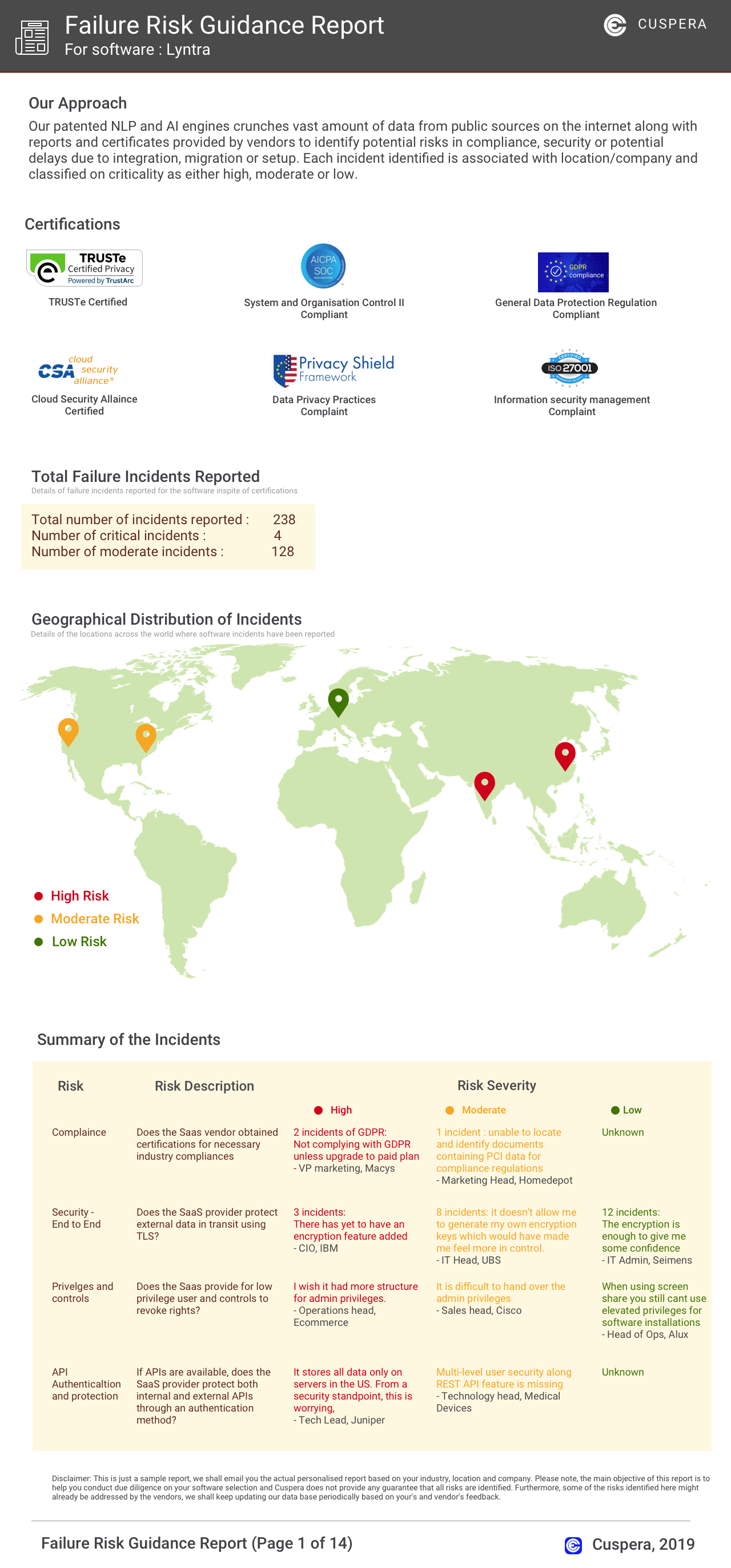
How efficiently Does Thoughtspot Analytics manage your Social Media Management?
