

Threekit Overview
Threekit revolutionizes the e-commerce landscape with its AI-powered visual configuration platform. It accelerates customer decision-making by enabling them to visually configure products and make purchases effortlessly. The platform is tailored for leading global brands, offering a unique visual commerce experience that enhances the buying journey. Threekit's AI Discovery and AI Guided Selling features support a seamless integration into existing tech stacks, ensuring that businesses can offer an engaging and intuitive shopping experience. With its focus on 3D and AI innovation, Threekit provides purpose-built solutions for essential industries, transforming how products are bought and sold online.
Use Cases
Customers recommend Engagement Management, Products & Pricelist Management, Proposal & Quote Management, as the business use cases that they have been most satisfied with while using Threekit.
Business Priorities
Increase Sales & Revenue and Improve ROI are the most popular business priorities that customers and associates have achieved using Threekit.
Threekit Use-Cases and Business Priorities: Customer Satisfaction Data
Threekit works with different mediums / channels such as Website. Offline. and Point Of Sale.
Threekit's features include Personalization, and Dashboard. and Threekit support capabilities include 24/7 Support, Chat Support, Email Support, etc. also Threekit analytics capabilities include Custom Reports, and Analytics.
Reviews
"...Engagement & listening...." Peer review by Jesper A, Software developer/Web consultant
Peer review evidence (same sources as the product rating summary)
"...Threekit Announces Engagement Ring Configurator, a Customization Package Designed to Give Jewelers' a Best-in-Class eCommerce Shopping Experience, Fast. June 17, 2021..." Read The Latest News & Press
"...Add beautiful 3D and augmented reality product experiences to your product information management platform. ..." Add 3D & Augmented Reality For PIM Systems
"...With the ThreeKit configurator, we can provide a drawing with all quotes which increase our hit rate...." Peer review by Rochelle B, Marketing Manager
Threekit, Shippo, Skubana, ShipStation, RepairShopr, etc., all belong to a category of solutions that help CPQ. Each of them excels in different abilities. Therefore, determining the best platform for your business will depend on your specific needs and requirements.
Threekit's 3D product configurator boosts engagement and drives sales. Customers gain creative freedom through an interactive shopping experience.
Popular Business Setting
for Threekit
Top Industries
- Design
- Information Technology and Services
Popular in
- Small Business
- Large Enterprise
- Mid Market
Threekit is popular in Design, and Information Technology And Services, and is widely used by Small Business, Large Enterprise, and Mid Market.
Threekit Customer wins, Customer success stories, Case studies
How can Threekit optimize your Engagement Management Workflow?
How can Threekit enhance your Products & Pricelist Management process?
How does Threekit address your Proposal & Quote Management Challenges?
What makes Threekit ideal for Workflow Management?
Threekit Introduces AI for Building Materials, Helping Buyer, Designers and Pros Identify ... - CBS 42
PRx Performance - Consumer Goods
Therma-Tru - Building Materials - Large
LIGHT Helmets - Manufacturing - Small
Add a 3D configurator to your online store no matter what industry you're in with Threekit!

Frequently Asked Questions (FAQ)
What buyers ask before choosing Threekit
Integrations What eCommerce platforms can the 3D Product Configurator integrate with?
The 3D Product Configurator can seamlessly integrate with several leading eCommerce platforms to enhance your online shopping experience. Notably, it works with Shopify, WooCommerce, and SAP Commerce Cloud, allowing businesses to incorporate interactive 3D visualizations directly into their product pages. This integration enables customers to customize products in real time, view them from multiple angles, and receive instant pricing information, thereby improving engagement and conversion rates. Additionally, the configurator can connect with Product Lifecycle Management (PLM) systems, Product Information Management (PIM) tools, and Enterprise Resource Planning (ERP) systems, ensuring a comprehensive solution that fits into your existing tech stack. By leveraging these integrations, businesses can optimize their sales processes and provide a more immersive shopping experience.
Integrations How does the 3D Product Configurator connect to Salesforce for data synchronization?
The 3D Product Configurator connects to Salesforce through seamless integration, allowing for efficient data synchronization between the two platforms. This integration enables sales teams to access real-time product configurations and customer preferences directly within Salesforce, enhancing the sales process. When a customer customizes a product using the configurator, the details, including specifications and pricing, are automatically updated in Salesforce, ensuring that sales representatives have the most accurate information at their fingertips. This synchronization not only streamlines the sales workflow but also improves customer engagement by providing personalized experiences based on the latest data. By leveraging this integration, businesses can enhance their operational efficiency and drive higher conversion rates.
Integrations What are the setup steps for integrating the 3D Product Configurator with HubSpot?
To integrate the 3D Product Configurator with HubSpot, start by ensuring you have a Threekit account and access to the 3D configurator tool. First, log into your Threekit dashboard and navigate to the integration settings. Here, you will find the option to connect to HubSpot; follow the prompts to authenticate your HubSpot account. Once connected, you can configure the settings to sync product data and 3D visualizations directly to your HubSpot product pages. Next, embed the configurator on your website by copying the provided plugin code and pasting it into the relevant product page in HubSpot. Finally, test the integration to ensure that the 3D configurator functions correctly and that product information is accurately displayed, enhancing the customer experience and driving sales.
Integrations Can the 3D Product Configurator be configured to work with Marketo for marketing automation?
Yes, the 3D Product Configurator can be configured to work with Marketo for marketing automation. By integrating Threekit's 3D product configurator with Marketo, businesses can enhance their marketing efforts by capturing detailed customer interactions with 3D visualizations. This integration allows for the seamless transfer of lead data generated from product configurations directly into Marketo, enabling targeted marketing campaigns based on user behavior and preferences. Additionally, businesses can leverage Marketo's automation capabilities to nurture leads generated through the configurator, ensuring that potential customers receive timely follow-ups and personalized content. This synergy not only streamlines the sales process but also enhances customer engagement and conversion rates, making it a valuable addition to any marketing strategy.
Integrations What limitations should I be aware of when integrating the 3D Product Configurator with ERP systems?
When integrating a 3D Product Configurator with ERP systems, there are several limitations to consider. First, compatibility issues may arise if the ERP system does not support the necessary APIs or data formats required for seamless integration. Additionally, the complexity of the product configurations can lead to challenges in accurately syncing pricing and inventory data, which may result in discrepancies. Furthermore, the performance of the ERP system could be impacted if it is not optimized to handle the increased data load from 3D visualizations and configurations. Lastly, training staff to effectively use the integrated system may require additional time and resources. It's essential to evaluate these factors to ensure a successful integration that enhances your business operations.
Integrations How does data flow between the 3D Product Configurator and other systems like PIMs and PLMs?
Data flow between the 3D Product Configurator and systems like Product Information Management (PIM) and Product Lifecycle Management (PLM) is streamlined through seamless integration. When a customer interacts with the configurator, their selections and customizations are captured in real-time, allowing for dynamic updates to product information stored in the PIM. This ensures that all product details, including specifications and pricing, are accurate and up-to-date. Additionally, the configurator can pull data from the PLM to reflect the latest product designs and attributes, facilitating efficient management of product lifecycles. This interconnectedness enhances the overall customer experience by providing accurate visualizations and pricing, while also optimizing internal processes for businesses, ultimately driving sales and improving operational efficiency.
Features What does the 3D product configurator do?
A 3D product configurator is a powerful tool that allows customers to visualize and customize products in a highly interactive 3D environment. By integrating this configurator into eCommerce websites, businesses enable users to view products from multiple angles with full 360° navigability, enhancing the shopping experience. Customers can select various features and modifications in real time, which not only helps them understand the product better but also provides immediate pricing information. This interactive experience significantly increases customer engagement and confidence, leading to higher conversion rates. Additionally, the configurator collects valuable data on customer preferences and behaviors, which can be leveraged for targeted marketing and improved product offerings. Overall, a 3D product configurator transforms the way customers interact with products online, making it an essential tool for modern eCommerce.
Features How do I configure highly complex products using the 3D product configurator?
To configure highly complex products using a 3D product configurator, start by integrating the configurator into your eCommerce platform as a plugin on your product pages. Ensure that your product data includes parametric attributes that allow for infinite customization options. Users can then interact with the 3D visuals by zooming in, rotating, and selecting various features, which will dynamically update the product display and pricing in real-time. Incorporate a CPQ (Configure, Price, Quote) feature to streamline the pricing process as customers customize their products. Additionally, gather data on customer preferences and behaviors during the configuration process to refine your offerings and enhance the user experience. This approach not only simplifies the configuration of complex products but also boosts customer engagement and conversion rates.
Features What features are available for product visualization in the 3D product configurator?
The 3D product configurator offers a range of advanced features for product visualization that enhance the customer experience. Key features include 4K Zoom, allowing users to inspect intricate details of products, and a 360-Degree Spin, which enables customers to view items from all angles. Additionally, the configurator can provide product transparency and "explosion" views, showcasing internal components and how products function. Animations can illustrate product movement, while tooltips and annotations offer real-time guidance and educational insights about product features. These interactive elements not only engage customers but also help them make informed purchasing decisions, ultimately driving higher conversion rates and customer satisfaction.
Features How do I use dynamic pricing in the 3D product configurator?
To use dynamic pricing in a 3D product configurator, first ensure that your configurator is integrated with your eCommerce platform, such as WooCommerce or Shopify. Begin by associating pricing data with individual catalog items, which allows prices to update automatically as customers customize their products. This involves setting up multiple pricebooks and currencies to cater to different customer segments. As users interact with the 3D visuals and make selections, the configurator will dynamically adjust the pricing in real-time, providing transparency and enhancing the shopping experience. This feature not only helps customers see the cost implications of their choices but also encourages them to finalize their orders, ultimately boosting conversion rates and customer satisfaction.
Features What is the process for creating a wishlist in the 3D product configurator?
Creating a wishlist in a 3D product configurator typically involves a few straightforward steps. First, users interact with the configurator to customize their desired products, utilizing features like 360° views and detailed options to visualize their selections. Once satisfied with their configurations, users can usually find an option to "Add to Wishlist" or a similar button on the product page. This action saves their customized products for future reference, allowing them to revisit or share their selections later. Some configurators may also enable users to manage their wishlists by organizing items or adding notes. This process enhances the shopping experience by allowing customers to keep track of their preferred products, ultimately leading to increased engagement and potential sales.
Features How can I enable product transparency and animations in the 3D product configurator?
To enable product transparency and animations in your 3D product configurator, you will need to utilize specific features within the configurator software you are using, such as Threekit. Start by accessing the configurator's settings or customization options, where you can adjust the transparency levels of your product models to allow customers to view internal components. For animations, you can create and upload animated sequences that demonstrate how the product functions or moves, enhancing the interactive experience. Ensure that you provide tooltips and annotations to guide users on how to engage with these features effectively. By incorporating these elements, you can significantly improve customer engagement and satisfaction, ultimately driving higher conversion rates.
ROI & pricing What measurable business value can a 3D product configurator provide?
A 3D product configurator provides measurable business value by enhancing customer engagement, increasing conversion rates, and reducing return rates. By allowing customers to interact with high-fidelity 3D visualizations, businesses can improve the shopping experience, leading to higher sales. For instance, 95% of consumers prefer interactive 3D views over traditional 2D images, which can significantly boost conversion rates. Additionally, the configurator captures valuable data on customer preferences and behaviors, enabling businesses to refine their marketing strategies and better understand buyer personas. This data can also help identify points of abandonment in the purchasing process, allowing for targeted improvements. Furthermore, by reducing the need for costly photoshoots and improving demand forecasting, a 3D product configurator can enhance sustainability efforts and ultimately increase return on ad spend (ROAS), making it a powerful tool for driving profitability.
ROI & pricing How does a 3D product configurator impact ROI for B2B companies?
A 3D product configurator significantly impacts ROI for B2B companies by enhancing customer engagement and reducing costs associated with returns. By allowing customers to visualize and customize products in a detailed 3D environment, these configurators increase confidence in purchasing decisions, leading to higher conversion rates. Additionally, they streamline the sales process by providing instant pricing and enabling customers to finalize orders directly on product pages, which can shorten the sales cycle. The configurator's ability to educate customers during the customization process also helps in upselling and cross-selling opportunities. Overall, by improving customer satisfaction and reducing the likelihood of returns, a 3D product configurator can lead to a more efficient sales process and ultimately boost ROI for B2B companies.
ROI & pricing What are the potential cost savings associated with using a 3D product configurator?
Using a 3D product configurator can lead to significant cost savings for businesses by streamlining the product visualization and customization process. By enabling customers to interact with high-fidelity 3D models, companies can reduce the need for extensive physical prototypes and minimize returns due to mismatched expectations. Additionally, a configurator can optimize inventory management by allowing businesses to showcase a wider range of customizable options without the overhead of maintaining a large stock. The dynamic pricing feature associated with 3D configurators ensures that pricing updates automatically as customers make selections, reducing manual pricing errors and administrative costs. Overall, implementing a 3D product configurator like Threekit can enhance customer satisfaction while driving down operational expenses, ultimately boosting ROI.
ROI & pricing What pricing plans are available for 3D product configurators?
The pricing plans for 3D product configurators can vary significantly based on the provider and the features included. For instance, Threekit offers a range of pricing options tailored to different business needs, which may include basic plans for startups and more advanced plans for larger enterprises requiring extensive customization and integration capabilities. Typically, these plans may be structured around factors such as the number of products to be configured, the level of customization required, and additional features like dynamic pricing and analytics. It's essential to consult with the specific configurator provider to get a detailed breakdown of their pricing structure and to determine which plan aligns best with your business objectives and budget.
ROI & pricing How quickly can a business expect to see value from implementing a 3D product configurator?
Businesses can expect to see value from implementing a 3D product configurator relatively quickly, often within a few weeks to a few months, depending on the complexity of their product offerings and the integration process. By utilizing a platform like Threekit, companies can digitize their entire inventory and present it in high-fidelity 3D, allowing customers to interactively customize products. This enhanced visualization can lead to increased customer engagement and higher conversion rates, as studies show that 95% of consumers prefer 3D views over traditional video playback. Additionally, the configurator's ability to provide dynamic pricing and detailed product information can streamline the purchasing process, further accelerating ROI. Overall, businesses that adopt 3D product configurators can quickly enhance their online presence and improve customer satisfaction, leading to tangible sales growth.
ROI & pricing What is the total cost of ownership for a 3D product configurator solution?
The total cost of ownership (TCO) for a 3D product configurator solution, such as Threekit, encompasses several factors beyond the initial purchase price. It includes implementation costs, which may involve integration with existing systems like Salesforce or other eCommerce platforms, as well as ongoing maintenance and support fees. Additionally, businesses should consider costs related to content creation, such as producing high-fidelity 3D models and images of their inventory. Training staff to effectively use the configurator and any potential costs associated with scaling the solution as the business grows are also important. Ultimately, while the upfront investment may seem significant, the TCO should be evaluated against the potential for increased sales conversions, enhanced customer engagement, and improved operational efficiencies that a 3D product configurator can deliver.
Capabilities Can the 3D product configurator handle highly complex products with parametric attributes?
Yes, a 3D product configurator can effectively handle highly complex products with parametric attributes. This type of configurator allows users to create made-to-order personalized products at unprecedented speeds by controlling dimensions and incremental values for each parameter. It empowers customers to customize products according to their specific needs while providing a seamless experience. Additionally, the configurator can be integrated with real-time pricing calculations, enabling dynamic pricing updates as customers make selections. This capability not only enhances user engagement but also streamlines production processes, making it easier for businesses to manage complex configurations. Overall, a 3D product configurator is an invaluable tool for companies looking to offer intricate product customization while maintaining efficiency and customer satisfaction.
Capabilities Does the platform support dynamic pricing updates as customers configure products?
Yes, the platform supports dynamic pricing updates as customers configure products. This feature allows businesses to associate pricing data with individual catalog items, ensuring that prices automatically adjust based on the specific configurations chosen by the shopper. As customers customize their products, the platform updates the pricing in real-time, reflecting any changes in options or features selected. This capability not only enhances the shopping experience by providing immediate feedback on pricing but also accommodates multiple pricebooks and currencies, making it suitable for global operations. By implementing dynamic pricing, businesses can better meet customer expectations and potentially increase sales, as shoppers are more likely to purchase when they see transparent and accurate pricing throughout the customization process.
Capabilities Can users visualize products in photorealistic 2D, 3D, and AR using the configurator?
Yes, users can visualize products in photorealistic 2D, 3D, and augmented reality (AR) using the Threekit product configurator. The configurator allows for the creation of high-fidelity 3D product visualizations that provide an interactive experience, enabling customers to view products from multiple angles with full 360° navigability. Additionally, it supports photorealistic 2D renders and integrates AR features, allowing users to place customizable products in their own environments. This multi-dimensional visualization capability enhances the shopping experience, making it more engaging and informative, which can lead to higher conversion rates and increased customer satisfaction. By leveraging these advanced visual tools, businesses can effectively showcase their products and meet the evolving expectations of digital shoppers.
Capabilities Does the 3D product configurator allow for product customization and personalization options?
Yes, the 3D product configurator does allow for extensive product customization and personalization options. This tool enables shoppers to view products in three dimensions, providing a highly interactive experience where they can modify various features in real time. Customers can select different customizations, such as colors, materials, and additional features, while visualizing these changes from multiple angles with full 360° navigability. Additionally, the configurator often includes a Configure Price Quote (CPQ) feature, which allows users to see updated pricing as they make selections. This level of customization not only enhances customer satisfaction by allowing them to tailor products to their specific needs but also helps businesses stand out in a competitive market, ultimately driving sales and engagement.
Capabilities Can the configurator provide real-time tooltips and annotations to assist users during configuration?
Yes, Threekit's product configurator can provide real-time tooltips and annotations to assist users during the configuration process. These features are designed to enhance user engagement by offering best practice tips and labeling parts of the product, which helps educate users as they interact with the configurator. This guidance ensures that even those without in-depth product knowledge can confidently make choices, leading to a more streamlined and informed configuration experience. By integrating these real-time support elements, Threekit not only boosts user confidence but also increases the likelihood of conversion, as shoppers feel more empowered and informed throughout their purchasing journey.
Capabilities Does the platform enable customers to create wishlists and share their product configurations?
Yes, the Threekit platform enables customers to create wishlists and share their product configurations seamlessly. This feature enhances the shopping experience by allowing users to save their customized products for future reference or share them with friends and family, facilitating collaborative decision-making. As customers interact with the visual product customizer, they can easily compile their favorite configurations into a wishlist, which can be shared via social media or direct links. This capability not only promotes engagement but also encourages potential buyers to revisit the site, ultimately driving sales and increasing customer satisfaction. By integrating these functionalities, Threekit empowers businesses to create a more interactive and personalized shopping experience, setting them apart from competitors.
Use cases How can SDRs use a 3D product configurator to enhance their sales presentations?
Sales Development Representatives (SDRs) can significantly enhance their sales presentations by utilizing a 3D product configurator, which allows them to showcase products in an interactive and engaging manner. By leveraging high-fidelity 3D visualizations, SDRs can provide potential clients with a comprehensive view of customized products, enabling them to explore features and options in real time. This immersive experience not only captures the attention of prospects but also facilitates better understanding and retention of product details. Additionally, the configurator can generate instant price quotes based on selected customizations, streamlining the decision-making process. By incorporating a 3D product configurator into their presentations, SDRs can foster more meaningful conversations, address customer needs effectively, and ultimately drive higher conversion rates.
Use cases What are the best practices for marketers to implement a 3D product configurator in their campaigns?
To effectively implement a 3D product configurator in marketing campaigns, marketers should start by identifying specific customer needs, such as the desire for customization or the ability to visualize products in their environment. Next, they should ensure that the configurator is seamlessly integrated into their eCommerce platform, like Threekit, to provide a smooth user experience. High-quality 3D visualizations should be prioritized to engage customers, as studies show that 95% prefer interactive 3D views over traditional media. Additionally, leveraging data collected from the configurator can help refine marketing strategies by identifying popular features and potential drop-off points in the buying process. Finally, promoting the configurator through targeted marketing channels will enhance visibility and drive traffic, ultimately increasing conversions and customer satisfaction.
Use cases In what scenarios should RevOps teams leverage a 3D product configurator to improve customer insights?
RevOps teams should leverage a 3D product configurator in scenarios where enhancing customer insights is crucial for driving sales and improving customer experience. For instance, when launching new products or entering new markets, a 3D configurator can provide customers with an interactive way to visualize and customize products, leading to better engagement and understanding of customer preferences. Additionally, during the sales process, using a 3D configurator can help identify which features are most appealing to customers, allowing teams to gather valuable data on consumer behavior and preferences. This information can then inform marketing strategies and product development. Furthermore, in industries with complex products, such as manufacturing or construction, a 3D configurator can simplify the decision-making process by allowing customers to see detailed product features, ultimately enhancing customer confidence and reducing return rates.
Use cases How can sales leaders utilize a 3D product configurator to streamline the sales process for complex products?
Sales leaders can utilize a 3D product configurator to streamline the sales process for complex products by enhancing customer engagement and simplifying decision-making. With a 3D configurator, customers can interactively visualize and customize products, allowing them to see every detail from multiple angles, which builds confidence in their choices. This tool can also integrate with pricing data, enabling dynamic pricing updates as customers configure their products, ensuring transparency and reducing back-and-forth communication. Additionally, the configurator can generate a PDF of the product configuration for the sales team to follow up with a quote, facilitating a smoother transition from interest to purchase. By leveraging these capabilities, sales leaders can improve conversion rates and reduce the time spent on approvals, ultimately driving sales efficiency and customer satisfaction.
Use cases What workflows can benefit from integrating a 3D product configurator in a B2B eCommerce environment?
Integrating a 3D product configurator in a B2B eCommerce environment can significantly enhance several workflows, particularly in sales, marketing, and customer service. For sales teams, the configurator streamlines the quoting process by allowing customers to visualize and customize products in real-time, generating accurate pricing and specifications that can be directly sent to sales representatives for follow-up. Marketing teams benefit by using the configurator to create engaging content that showcases product features, driving higher engagement and conversion rates. Additionally, customer service workflows improve as customers can independently explore product options, reducing the need for extensive support during the decision-making process. Overall, a 3D product configurator not only enhances customer experience but also optimizes internal processes, leading to increased efficiency and sales growth.
Use cases When is it most effective for a marketing team to use a 3D product configurator to boost customer engagement?
A marketing team can most effectively use a 3D product configurator to boost customer engagement during key phases of the buyer's journey, particularly in the awareness and consideration stages. At this point, potential customers are actively researching products and seeking detailed information. By offering an interactive 3D experience, marketers can capture attention and provide a compelling visual representation of products, allowing customers to explore features and customizations in real-time. This not only enhances user engagement but also builds trust by showcasing product quality and versatility. Additionally, leveraging data from the configurator can help identify popular features and customer preferences, enabling targeted marketing strategies that resonate with the audience. Overall, integrating a 3D product configurator into marketing efforts can significantly enhance customer interaction and drive conversions.
Alternatives What are the best alternatives to Threekit for 3D product configuration?
When considering alternatives to Threekit for 3D product configuration, several notable options exist. One prominent competitor is Sketchfab, which offers a platform for 3D modeling and visualization, allowing users to embed interactive 3D models on their websites. Another alternative is Configura, which specializes in space planning and product configuration, particularly for the furniture and interior design industries. Additionally, SolidWorks provides robust 3D modeling capabilities, often used in engineering and manufacturing contexts. Lastly, 3D Product Configurator by Zakeke is a cloud-based solution that enables real-time customization and visualization for eCommerce platforms. Each of these alternatives has unique features and strengths, making them suitable for different business needs and industries.
Alternatives How does 3D Product Configurator compare to Sketchfab in terms of features?
The 3D Product Configurator and Sketchfab serve different purposes in the realm of 3D visualization. The 3D Product Configurator, such as Threekit, is designed specifically for eCommerce, allowing businesses to showcase their entire inventory with customizable 3D images, enabling customers to interact with products through features like zooming, rotating, and viewing pricing in real-time. This configurator enhances the shopping experience by facilitating product customization and order completion directly on the product page. In contrast, Sketchfab is primarily a platform for sharing and viewing 3D models, focusing on community engagement and showcasing artistic creations rather than direct sales. While both tools offer 3D visualization, the configurator is tailored for B2B and B2C sales optimization, whereas Sketchfab emphasizes model sharing and exploration.
Alternatives What are the key differentiators between Threekit and 3D Product Configurator?
Threekit stands out from other 3D product configurators through its comprehensive platform that not only offers advanced 3D visualization but also integrates seamlessly with eCommerce websites, enhancing the customer experience. Unlike many competitors, Threekit provides photorealistic rendering, allowing users to customize products in real-time with dynamic visual feedback. Additionally, Threekit incorporates an AI agent that guides buyers through the selection process, ensuring they find the right product efficiently. This feature is particularly beneficial for B2B manufacturing, where complex configurations are common. Furthermore, Threekit supports extensive 3D asset management, enabling businesses to repurpose product data easily. In contrast, other configurators may lack such depth in integration and user guidance, making Threekit a more robust solution for businesses looking to enhance their online product offerings.
Alternatives Why should I choose 3D Product Configurator over Configurators like Zakeke?
Choosing a 3D Product Configurator like Threekit over alternatives such as Zakeke can significantly enhance your eCommerce experience. Threekit offers high-fidelity 3D visualizations that allow customers to interact with products in a fully immersive way, providing 360° views and detailed customization options that can lead to higher conversion rates. With Threekit, you benefit from a full-service platform that not only digitizes your inventory but also integrates seamlessly with your website, enabling real-time configuration and pricing visibility. While Zakeke also provides product customization, Threekit's advanced visual rendering and user-friendly interface can create a more engaging shopping experience, ultimately boosting customer confidence and satisfaction. This can translate into increased sales and a competitive edge in the market, making Threekit a compelling choice for businesses looking to elevate their product presentation.
Alternatives What makes Threekit a better option than other 3D configurators like SolidWorks?
Threekit stands out as a superior option compared to other 3D configurators like SolidWorks primarily due to its focus on eCommerce and customer engagement. While SolidWorks is a powerful tool for engineering and product design, Threekit is specifically designed to enhance the online shopping experience by enabling businesses to create interactive 3D product visualizations that customers can customize in real-time. Threekit's platform allows for photorealistic rendering, augmented reality (AR) capabilities, and an intuitive user interface that empowers shoppers to visualize products from all angles, leading to increased sales and reduced returns. Additionally, Threekit integrates seamlessly with popular eCommerce platforms like WooCommerce and Shopify, making it easier for businesses to implement and manage their 3D configurators without extensive technical expertise. This combination of features makes Threekit a more effective solution for businesses looking to boost customer satisfaction and drive sales through product customization.
Alternatives How does 3D Product Configurator stack up against competitors like Cube and Configura?
When comparing 3D product configurators like Threekit, Cube, and Configura, each offers unique features tailored to different business needs. Threekit excels in providing high-fidelity 3D visualizations and a seamless user experience, allowing customers to interact with products in real-time, which can significantly enhance engagement and conversion rates. Cube focuses on simplifying the configuration process for complex products, making it ideal for industries with intricate customization needs. Configura, on the other hand, is known for its strong capabilities in space planning and design, particularly in the furniture and architectural sectors. Ultimately, the choice between these platforms depends on specific business requirements, such as the level of customization needed, the complexity of products, and the desired user experience.
Threekit Competitors


Threekit Features
- Low
- Medium
- High
| FEATURE | RATINGS AND REVIEWS |
|---|---|
| Custom Reports | Read Reviews (182) |
| Analytics | Read Reviews (52) |
| CAPABILITIES | RATINGS AND REVIEWS |
|---|---|
| Custom Reports | Read Reviews (182) |
| Analytics | Read Reviews (52) |
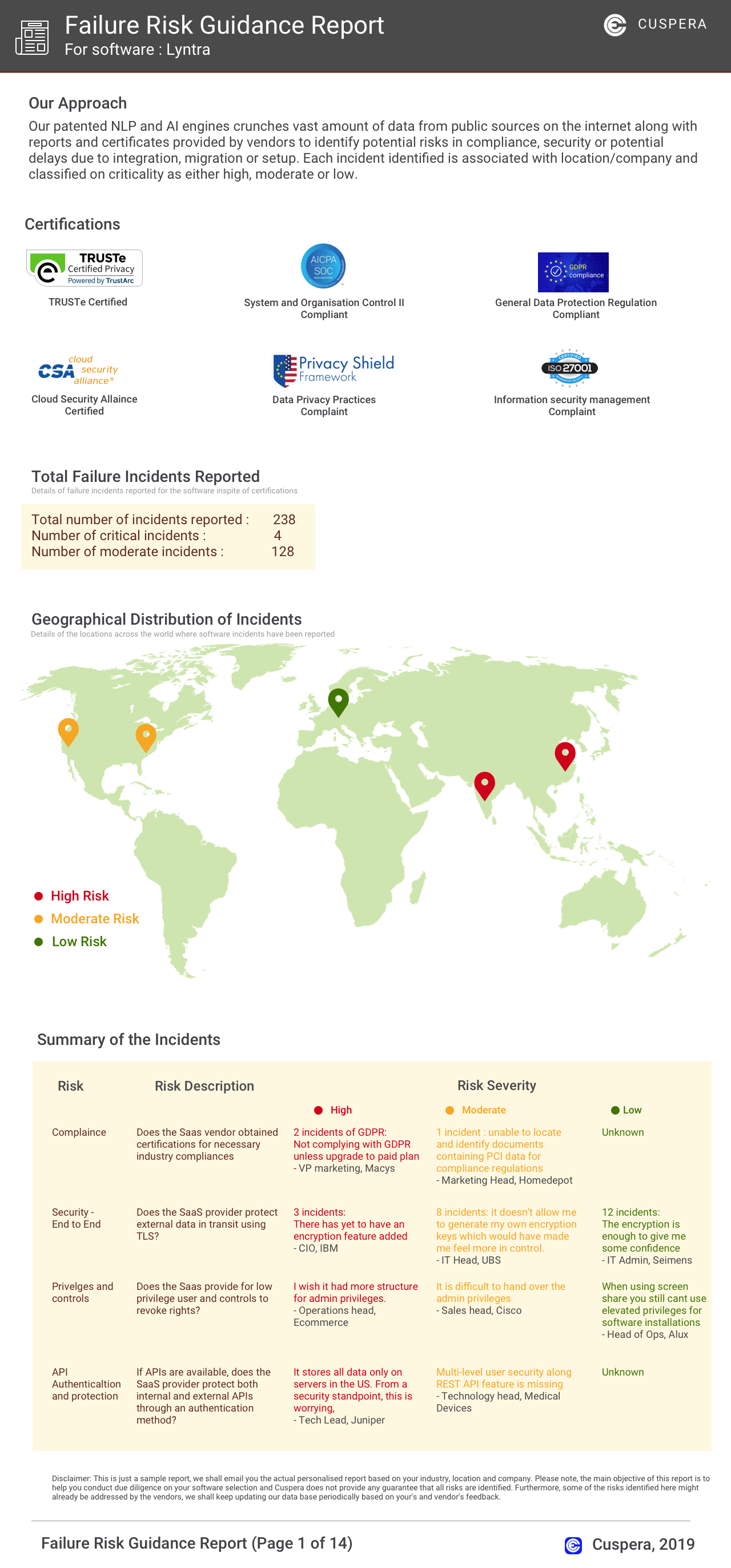
Software Failure Risk Guidance
?for Threekit
Overall Risk Meter
Top Failure Risks for Threekit
Threekit Inc. News
Threekit Announces new 'Dimensions' feature as Part of Its Enriched Furniture Solution - Furniture World Magazine
Threekit has launched an enriched furniture solution featuring a dynamic dimensions capability. This enhancement allows furniture brands to create and manage 3D product visuals with customizable options, including augmented reality. The platform aims to improve digital customer experiences by enabling real-time customization and visualization, addressing the growing demand for interactive and realistic online shopping experiences in the furniture industry.
ThreeKit Launches Virtual Photographer Software for E-Commerce - Furniture World Magazine
Threekit has launched Virtual Photographer, a software that creates realistic, computer-rendered product images for e-commerce. This tool allows brands to produce high-quality images internally, reducing costs and project time significantly. The software integrates with existing photography teams, automating repetitive tasks and enhancing creative work.
Threekit Unveils New 3D and AR Extension Through the Magento Technology Partner Program - Furniture World Magazine
Threekit launched a new 3D configurator and AR extension on the Magento Marketplace, enhancing digital commerce with interactive product visualization. This integration allows Magento merchants to offer engaging visual experiences, boosting online conversions and reducing returns. The extension supports iOS and Android, enabling real-time customization and AR viewing without leaving the website.
Threekit Launches AI Sales Agent for Manufacturers
Threekit launched the AI Sales Agent, an AI-driven tool designed to streamline the sales process for manufacturers. It integrates with existing CPQ, B2B commerce, and ERP systems to provide instant configuration and quoting solutions. The platform supports direct and channel sales, dealer networks, and ecommerce, enhancing guided selling and reducing time to proposal.
Threekit Inc. Profile
Company Name
Threekit Inc.
Company Website
https://www.threekit.com/HQ Location
100 S Wacker Dr. Suite 450 Chicago, IL 60606
Employees
11-50
Social


Financials
SEED