


SentiOne Overview
SentiOne leverages AI to redefine customer service and social media engagement. Its platform integrates conversational AI voicebots and chatbots, offering businesses an advanced solution for automating customer interactions. The tool excels in online listening, enabling companies to monitor brand mentions and customer trends across multiple channels effectively. SentiOne's standout feature is its top-tier intent recognition capability, positioning it as a leader in understanding customer needs. This makes it a valuable asset for businesses aiming to enhance customer service through intelligent, responsive bots. The platform's multichannel approach ensures comprehensive brand monitoring, making it indispensable for staying ahead in social media marketing.
Use Cases
Customers recommend Engagement Management, Social Media Management, Communication Management, as the business use cases that they have been most satisfied with while using SentiOne.
Business Priorities
Build Brand Awareness and Enhance Customer Relationships are the most popular business priorities that customers and associates have achieved using SentiOne.
SentiOne Use-Cases and Business Priorities: Customer Satisfaction Data
SentiOne works with different mediums / channels such as Social Media. and E-Mail.
SentiOne's features include Personalization, Alerts: Popups & Notifications, Bot, etc. and SentiOne support capabilities include AI Powered, Chat Support, 24/7 Support, etc. also SentiOne analytics capabilities include Analytics, and Custom Reports.
Reviews
"...- benchmarking (competition analysis)...." Peer review by Ivana B, Founding Director - Marketing & HR
Peer review evidence (same sources as the product rating summary)
"...Capture customers’ requests from multiple online channels, engage in discussions and ensure greater customer satisfaction...." Customer service tool, customer experience platform
"...It enables creating videos without any skills and sharing them on social media...." Free Social Media Strategy Guide
"...We re fortunate to have great insight on how our audiences use search, social media and publisher sites...." 25 tactics for customer lifecycle marketing guide
SentiOne, Renderforest Video, Walls.io, Missinglettr, Statusbrew, etc., all belong to a category of solutions that help Social Media Marketing. Each of them excels in different abilities. Therefore, determining the best platform for your business will depend on your specific needs and requirements.
Sentione's social media monitoring ensures customer satisfaction through a multi-channel solution. The customer journey is secured from attention to advocacy.
Popular Business Setting
for SentiOne
Top Industries
- Marketing and Advertising
- Information Technology and Services
- Internet
Popular in
- Small Business
- Mid Market
- Large Enterprise
SentiOne is popular in Marketing And Advertising, Information Technology And Services, and Internet and is widely used by Small Business, Mid Market, and Large Enterprise.
SentiOne Customer wins, Customer success stories, Case studies
What benefits does SentiOne offer for Engagement Management?
Why is SentiOne the best choice for Communication Management?
What makes SentiOne ideal for Content Management?
What benefits does SentiOne offer for Competitive Intelligence?
Intro to conversational AI and bot building session - webinar replay from SentiOne

Frequently Asked Questions (FAQ)
What buyers ask before choosing SentiOne
Integrations What CRM integrations are available for SentiOne?
SentiOne offers several CRM integrations to enhance customer engagement and streamline communication processes. Notably, it integrates with Salesforce, allowing businesses to manage customer interactions and data effectively within their existing CRM framework. This integration enables users to leverage SentiOne's AI-driven insights and automation capabilities directly alongside their Salesforce operations, improving response times and customer service efficiency. Additionally, SentiOne can connect with other platforms such as HubSpot and Marketo, providing flexibility for businesses to choose the CRM that best fits their needs. These integrations help organizations automate customer service responses, track engagement metrics, and ultimately improve overall customer satisfaction.
Integrations How does SentiOne connect to Salesforce and HubSpot?
SentiOne connects to Salesforce and HubSpot through its integration capabilities, allowing businesses to streamline their customer engagement and data management processes. By integrating with Salesforce, SentiOne enables users to synchronize customer interactions and support tickets, ensuring that all relevant information is accessible within the Salesforce CRM. This integration helps teams manage leads and customer inquiries more effectively. Similarly, the HubSpot integration allows SentiOne to enhance marketing automation by capturing social media interactions and customer feedback, which can be utilized for targeted campaigns and improved customer relationship management. These integrations facilitate a seamless flow of information between platforms, enhancing overall productivity and customer engagement strategies.
Integrations What are the setup steps for integrating SentiOne with Marketo?
To integrate SentiOne with Marketo, start by ensuring you have administrative access to both platforms. First, log into your SentiOne account and navigate to the integrations section. Here, you will find the option to connect with Marketo; select it and follow the prompts to authorize the connection. You will need to provide your Marketo API credentials, which can be obtained from your Marketo account under the Admin section. Once the integration is authorized, configure the data synchronization settings to determine what information you want to share between SentiOne and Marketo, such as leads or campaign performance data. Finally, test the integration to ensure that data flows correctly between the two platforms, allowing you to leverage SentiOne's insights within your Marketo campaigns effectively.
Integrations Is there API access for SentiOne, and how does it work?
Yes, SentiOne offers API access, specifically through its Enterprise Tier of the Listen API, which is designed for high-volume data extraction. This API allows businesses to integrate SentiOne's capabilities into their existing systems, enabling them to gather insights and analytics from social media and other digital channels efficiently. Users can leverage the API to automate data collection, perform advanced filtering, and conduct time-based queries, enhancing their ability to analyze customer interactions and sentiment. Additionally, the API supports enhanced security features, such as Two-Factor Authentication (2FA), ensuring that data access remains secure. By utilizing SentiOne's API, businesses can streamline their operations and improve their customer engagement strategies through real-time insights.
Integrations Does SentiOne provide API access for data integration?
Yes, SentiOne provides API access for data integration, specifically through its Enterprise Tier of the Listen API, which is designed for high-volume data extraction. This API allows businesses to integrate SentiOne's capabilities into their existing systems, enabling seamless access to social media insights, customer interactions, and analytics. The API enhancements include smarter filtering options, time-based queries, and tag-based organization, which facilitate more precise data analysis. By leveraging SentiOne's API, companies can automate workflows, enhance their data-driven decision-making processes, and improve overall operational efficiency. This integration capability is particularly beneficial for organizations looking to consolidate their data sources and gain deeper insights into customer behavior and market trends.
Integrations What is the data flow between SentiOne and other marketing automation platforms?
The data flow between SentiOne and other marketing automation platforms typically involves the integration of social listening and customer engagement data into the marketing ecosystem. SentiOne collects and analyzes data from various social media channels, providing insights on brand mentions, customer sentiment, and engagement metrics. This data can then be exported to marketing automation platforms like HubSpot or Salesforce, where it can be used to enhance targeted campaigns, improve customer segmentation, and inform content strategies. Additionally, SentiOne's API allows for real-time data synchronization, ensuring that marketing teams have access to the latest insights for decision-making. This seamless integration helps businesses optimize their marketing efforts and improve overall customer engagement.
Integrations Are there any limitations to SentiOne's integrations with data providers?
SentiOne's integrations with data providers are robust, yet they do come with certain limitations. For instance, while SentiOne supports various integrations, including APIs for enhanced data extraction, the discontinuation of the Google Places Q&A API has affected some functionalities. Additionally, the effectiveness of integrations may vary based on the specific data provider and the type of data being accessed. Users may encounter restrictions related to data volume, frequency of updates, or the granularity of insights available through these integrations. It's essential for businesses to assess their specific needs and the capabilities of SentiOne's integrations to ensure they align with their data strategy and operational requirements.
Features What does the SentiOne real-time tracking feature do?
The SentiOne real-time tracking feature enables businesses to monitor online conversations and brand mentions across various digital platforms instantly. This tool aggregates data from social media, forums, and other online sources, providing insights into customer sentiment and engagement. By utilizing advanced algorithms and natural language understanding, SentiOne helps companies identify trends, respond to customer inquiries promptly, and manage their online reputation effectively. The real-time tracking capability allows businesses to react swiftly to emerging issues or opportunities, enhancing their overall customer service and engagement strategies. This feature is particularly valuable for brands looking to maintain a competitive edge in today's fast-paced digital landscape.
Features How do I configure the SentiOne analytics dashboard?
To configure the SentiOne analytics dashboard, start by logging into your SentiOne account and navigating to the dashboard section. From there, you can customize your view by selecting the specific metrics and data sources you want to monitor, such as social media mentions, sentiment analysis, or customer engagement statistics. Utilize the drag-and-drop functionality to arrange widgets according to your preferences, allowing you to prioritize the most relevant information. You can also set up filters to focus on particular time frames or topics. Once your dashboard is tailored to your needs, save your configuration to ensure it displays the desired insights each time you log in. For further assistance, refer to the SentiOne support documentation or contact their customer service team.
Features What is the purpose of the SentiOne sentiment dashboard?
The SentiOne sentiment dashboard is a powerful tool designed to analyze and visualize customer sentiment across various platforms, helping businesses understand public perception of their brand, products, or services. By leveraging advanced AI and natural language processing technologies, the dashboard aggregates data from social media, reviews, and other online sources to provide real-time insights into customer opinions and emotions. This enables companies to identify trends, monitor brand reputation, and respond proactively to customer feedback. The business value lies in its ability to enhance decision-making, improve customer engagement, and ultimately drive brand loyalty by allowing organizations to tailor their strategies based on accurate sentiment analysis.
Features How can I use SentiOne's engagement tracking feature?
To use SentiOne's engagement tracking feature effectively, start by integrating the platform with your social media accounts and customer communication channels. This allows SentiOne to gather data from various sources, including social media interactions and customer inquiries. Once integrated, utilize the real-time dashboards to monitor engagement metrics such as response times, customer sentiment, and interaction volumes. You can set up automated alerts to notify your team of significant changes in engagement levels, enabling timely responses. Additionally, leverage the analytics tools to analyze trends over time, helping you identify what content resonates most with your audience. By continuously monitoring and adjusting your strategies based on these insights, you can enhance customer engagement and improve overall brand performance.
Features What functionalities does the SentiOne reporting tools provide?
SentiOne's reporting tools offer a comprehensive suite of functionalities designed to enhance data analysis and customer insights. These tools include advanced analytics for social media performance, allowing businesses to track engagement metrics and audience demographics effectively. The Ideal Client Profile feature helps brands understand their target audience by analyzing social media followers, while the platform's integration with Twitter enables real-time monitoring of brand mentions and sentiment analysis. Additionally, SentiOne provides customizable dashboards that allow users to visualize data trends and performance metrics, facilitating informed decision-making. With these functionalities, businesses can optimize their marketing strategies, improve customer engagement, and enhance overall brand reputation management.
Features What functionalities does the SentiOne reporting tools offer?
SentiOne's reporting tools offer a comprehensive suite of functionalities designed to enhance data analysis and customer engagement. Key features include advanced Twitter analytics, which allow brands to monitor and analyze their social media presence effectively. The Ideal Client Profile functionality helps businesses understand their audience by analyzing social media followers, enabling targeted marketing strategies. Additionally, SentiOne provides real-time dashboards for tracking performance metrics, facilitating effective ticket assignment and monitoring across multiple channels. The platform also supports natural language queries through its AI Assistant, delivering insights quickly and efficiently. These tools collectively empower organizations to make data-driven decisions, improve customer service, and increase brand engagement.
Features How do I set up automated alerts in SentiOne?
To set up automated alerts in SentiOne, first log into your SentiOne account and navigate to the "Alerts" section within the dashboard. Click on "Create New Alert" and specify the criteria for your alert, such as keywords, brand mentions, or specific topics you want to monitor. You can customize the frequency of alerts, choosing options like real-time notifications or daily summaries. Once you've configured your settings, save the alert, and SentiOne will automatically notify you via your preferred communication channel whenever your specified criteria are met. This feature helps you stay informed about relevant conversations and trends, enhancing your ability to respond promptly to customer feedback or market changes.
ROI & pricing What measurable business value can SentiOne provide for my company?
SentiOne provides measurable business value through its advanced social listening, customer engagement, and AI-driven analytics tools. By leveraging SentiOne, companies can track marketing effectiveness and brand reach, as demonstrated by Mobile Vikings, which achieved a 300% increase in reach and a 70% boost in sales. The platform enables businesses to automate customer service responses, reducing response times significantly, as seen with AirHelp, which cut its Facebook Messenger response time by 65%. Additionally, SentiOne's capabilities in monitoring influencer campaigns and real-time performance tracking help organizations optimize their marketing strategies and improve ROI. Overall, SentiOne transforms digital interactions into actionable insights, enhancing customer engagement and driving growth.
ROI & pricing How does SentiOne impact ROI and cost savings for businesses?
SentiOne significantly impacts ROI and cost savings for businesses by automating customer service and enhancing engagement through its AI-driven chatbots and voicebots. For instance, companies like KRUK SA have reported a 23% reduction in call center volume, allowing them to allocate resources more efficiently and reduce operational costs. Additionally, SentiOne's social listening and analytics tools enable businesses to track marketing effectiveness and brand reach, as demonstrated by Mobile Vikings, which achieved a 300% growth in reach and a 70% increase in sales. By providing real-time insights and automating responses, SentiOne not only improves customer satisfaction but also maximizes marketing ROI, making it a valuable investment for businesses looking to optimize their operations and enhance profitability.
ROI & pricing What are the different pricing plans available for SentiOne, and what do they include?
SentiOne offers a range of pricing plans tailored to meet various business needs, although specific pricing details are not publicly disclosed on their website. Typically, SentiOne's plans include features such as social media monitoring, AI-powered insights, and customer engagement tools. The platform is designed to cater to different scales of operations, from small businesses to large enterprises, with options that may include additional functionalities like advanced analytics and API access. For precise pricing and to understand what each plan includes, potential users are encouraged to contact SentiOne directly or request a demo, allowing them to explore the features that best suit their organizational requirements.
ROI & pricing What is the total cost of ownership for using SentiOne over time?
The total cost of ownership (TCO) for using SentiOne over time includes several factors such as subscription fees, implementation costs, and ongoing maintenance expenses. SentiOne offers various pricing tiers, which can vary based on the features and scale of usage, including social listening, customer engagement tools, and AI-driven insights. Additionally, businesses should consider costs related to training staff to effectively use the platform and any potential integration expenses with existing systems like Salesforce or HubSpot. While SentiOne provides robust tools that can enhance brand engagement and customer service automation, it's essential for organizations to evaluate their specific needs and usage patterns to accurately estimate the TCO. Overall, investing in SentiOne can lead to significant long-term benefits, including improved marketing effectiveness and customer satisfaction.
ROI & pricing How quickly can I expect to see value from implementing SentiOne?
When implementing SentiOne, businesses can expect to see value relatively quickly, often within a few weeks, depending on the specific use case and integration complexity. For instance, companies like AirHelp have reported significant improvements, such as a 65% reduction in response time on Facebook Messenger shortly after deploying SentiOne's solutions. The platform's capabilities in social listening, customer engagement, and automated responses can lead to immediate enhancements in customer service efficiency and brand engagement. Additionally, SentiOne's AI-driven features, such as real-time monitoring and sentiment analysis, provide actionable insights that can help businesses adapt their strategies swiftly. Overall, the speed at which value is realized will vary based on the organization's readiness to leverage the platform's tools effectively.
ROI & pricing What are the potential revenue impacts of using SentiOne for sentiment analysis?
Using SentiOne for sentiment analysis can significantly impact revenue by enhancing customer insights and improving brand reputation. By leveraging SentiOne's AI-driven sentiment analysis tools, businesses can monitor customer feedback across various platforms, allowing them to identify trends and address issues proactively. This capability leads to improved customer satisfaction and loyalty, which can translate into higher sales and repeat business. Additionally, SentiOne's insights can inform marketing strategies, enabling companies to tailor their campaigns more effectively and target their audience with precision. Ultimately, by understanding customer sentiment, businesses can make data-driven decisions that enhance their offerings and drive revenue growth, making SentiOne a valuable asset in a competitive market.
Capabilities Can SentiOne provide real-time tracking of social media engagement?
Yes, SentiOne can provide real-time tracking of social media engagement through its advanced social listening and monitoring tools. The platform allows businesses to gather and analyze data from various social media channels, enabling them to track mentions, engagement metrics, and sentiment in real time. This functionality helps brands understand their audience better and respond promptly to customer interactions, enhancing overall engagement. For instance, companies like AirHelp have successfully utilized SentiOne to streamline customer requests from social media into a single queue, significantly improving their response times and coverage. By leveraging SentiOne's capabilities, businesses can make informed decisions based on real-time insights, ultimately driving better engagement and brand loyalty.
Capabilities Can SentiOne provide real-time tracking of social media mentions?
Yes, SentiOne can provide real-time tracking of social media mentions through its advanced social listening tools. The platform allows businesses to monitor brand mentions across various social media channels, enabling them to capture and analyze conversations as they happen. This functionality is particularly beneficial for companies looking to gauge public sentiment, respond promptly to customer inquiries, and manage their online reputation effectively. For instance, SentiOne has helped clients like Stor9 achieve 100% coverage of social media activity related to their influencer marketing campaigns, allowing for immediate insights into engagement and sentiment. By leveraging SentiOne's real-time tracking capabilities, businesses can enhance their marketing strategies and improve customer engagement.
Capabilities Does SentiOne support sentiment analysis for customer feedback?
Yes, SentiOne supports sentiment analysis for customer feedback, leveraging advanced natural language processing (NLP) techniques to analyze and interpret customer sentiments expressed in reviews, social media comments, and other feedback channels. This capability allows businesses to gain valuable insights into customer opinions and emotions, helping them to understand their brand reputation and improve customer engagement strategies. By utilizing SentiOne's sentiment analysis tools, companies can effectively monitor customer feedback in real-time, identify trends, and respond proactively to customer concerns, ultimately enhancing their overall customer experience and driving brand loyalty. This functionality is particularly beneficial for businesses looking to refine their products and services based on customer sentiment data.
Capabilities Can SentiOne automate alerts for changes in brand reputation?
Yes, SentiOne can automate alerts for changes in brand reputation through its advanced monitoring capabilities. The platform utilizes AI-driven technology to track mentions of your brand across various online channels, including social media and review sites. When significant changes occur, such as a spike in negative sentiment or a sudden increase in mentions, SentiOne can send real-time alerts to your team. This allows businesses to respond promptly to potential reputation issues, ensuring they can manage their online presence effectively. By automating these alerts, SentiOne helps companies stay informed and proactive in their reputation management efforts, ultimately enhancing their brand's image and customer trust.
Capabilities Can SentiOne help with reputation management across multiple platforms?
Yes, SentiOne can effectively assist with reputation management across multiple platforms. The platform specializes in online reputation management by consolidating customer requests from various social media channels into a single queue, allowing businesses to monitor and respond to feedback efficiently. For instance, AirHelp utilized SentiOne to streamline their customer service on Facebook Messenger, significantly reducing response times and increasing engagement. With real-time dashboards, SentiOne enables supervisors to track performance metrics and allocate resources effectively across different markets and languages. This comprehensive approach ensures that businesses can manage their online reputation proactively, addressing customer concerns and enhancing brand perception across all relevant platforms.
Capabilities Does SentiOne offer user behavior analysis tools for website optimization?
SentiOne does not specifically market user behavior analysis tools for website optimization; however, it offers functionalities that can indirectly support this goal through its social listening and sentiment analysis capabilities. By analyzing social media interactions and customer feedback, SentiOne helps businesses understand user preferences and behaviors, which can inform website content and design decisions. Additionally, SentiOne's tools for monitoring brand engagement and campaign effectiveness can provide insights into how users interact with a brand across various platforms, allowing for data-driven adjustments to optimize the website experience. For businesses looking for dedicated website optimization tools, alternatives like Google Analytics or Hotjar may be more suitable, as they focus specifically on user behavior tracking and website performance analysis.
Capabilities Does SentiOne offer engagement tracking for user interactions?
Yes, SentiOne offers comprehensive engagement tracking for user interactions through its advanced analytics tools. The platform enables businesses to monitor and analyze user engagement across various channels, including social media and customer service platforms. With features like real-time dashboards, SentiOne allows companies to track metrics such as mentions, sentiment, and engagement levels, providing valuable insights into customer behavior and preferences. This capability helps organizations optimize their marketing strategies and improve customer interactions by identifying trends and areas for enhancement. By leveraging SentiOne's engagement tracking, businesses can effectively measure the impact of their campaigns and make data-driven decisions to boost user engagement.
Capabilities Can SentiOne aggregate social data from multiple platforms?
Yes, SentiOne can aggregate social data from multiple platforms, providing businesses with a comprehensive view of their online presence. The platform excels in social listening and monitoring, allowing users to gather insights from various social media channels, including Facebook, Twitter, and others. By consolidating data into a single dashboard, SentiOne enables companies to analyze customer interactions, track brand sentiment, and measure marketing effectiveness across different platforms. This capability not only enhances decision-making but also improves response times and customer engagement, as demonstrated by clients like AirHelp, which successfully managed customer requests from social media into one queue. Overall, SentiOne's aggregation of social data supports businesses in optimizing their marketing strategies and improving customer service.
Capabilities Can SentiOne analyze user behavior to improve marketing strategies?
Yes, SentiOne can analyze user behavior to significantly enhance marketing strategies. The platform offers advanced social listening and analytics tools that track user interactions across various channels, providing insights into customer preferences, engagement patterns, and sentiment. By utilizing features like the Ideal Client Profile, businesses can better understand their audience demographics and behaviors, allowing for more targeted marketing efforts. Additionally, SentiOne's real-time monitoring capabilities enable brands to assess the effectiveness of their campaigns and make data-driven adjustments promptly. This comprehensive analysis not only helps in optimizing marketing strategies but also in improving overall customer engagement and satisfaction, ultimately driving better business outcomes.
Capabilities Does SentiOne include a dashboard for monitoring sentiment trends?
Yes, SentiOne includes a comprehensive dashboard designed for monitoring sentiment trends. This dashboard provides users with real-time insights into brand sentiment across various platforms, enabling businesses to track how their audience perceives their brand over time. By utilizing advanced AI and natural language understanding, SentiOne's dashboard aggregates data from social media, customer reviews, and other online sources, presenting it in an easily digestible format. This functionality allows companies to identify shifts in sentiment, assess the impact of marketing campaigns, and make informed decisions based on actionable insights. Overall, the dashboard is a valuable tool for businesses looking to enhance their reputation management and improve customer engagement through data-driven strategies.
Capabilities Does SentiOne provide automated alerts for brand mentions and sentiment changes?
Yes, SentiOne provides automated alerts for brand mentions and sentiment changes through its advanced monitoring capabilities. The platform utilizes AI-driven technology to track brand mentions across various social media platforms and online channels in real-time. Users can set up customized alerts to receive notifications whenever their brand is mentioned or when there are significant changes in sentiment, allowing businesses to respond promptly to both positive and negative feedback. This feature enhances brand reputation management by enabling companies to engage with their audience effectively and address any issues as they arise, ultimately fostering better customer relationships and improving overall brand perception.
Use cases How can SDRs use SentiOne to track and analyze customer engagement in real-time?
Sales Development Representatives (SDRs) can leverage SentiOne to track and analyze customer engagement in real-time by utilizing its comprehensive social listening and analytics tools. By setting up customized dashboards, SDRs can monitor brand mentions, customer interactions, and sentiment across various social media platforms. This allows them to gain insights into customer preferences and behaviors, enabling targeted outreach and personalized communication. Additionally, SentiOne's real-time tracking capabilities help SDRs identify trends and respond promptly to customer inquiries or feedback, enhancing engagement. The platform's reporting tools also facilitate performance analysis, allowing SDRs to measure the effectiveness of their engagement strategies and adjust their approaches accordingly, ultimately driving better results in customer relationships.
Use cases How can SDRs use SentiOne to track engagement and sentiment during outreach campaigns?
Sales Development Representatives (SDRs) can leverage SentiOne to effectively track engagement and sentiment during outreach campaigns by utilizing its advanced social listening and sentiment analysis tools. By monitoring social media platforms and online conversations, SDRs can gain insights into how their target audience perceives their brand and messaging. SentiOne allows SDRs to set up real-time dashboards that display engagement metrics, such as mentions and interactions, enabling them to adjust their outreach strategies based on audience sentiment. Additionally, the platform's AI-driven analytics can help identify trends and potential pain points, allowing SDRs to tailor their communication for better resonance with prospects. This data-driven approach enhances the effectiveness of outreach efforts, ultimately leading to improved engagement and conversion rates.
Use cases What are the best use cases for marketers leveraging SentiOne's sentiment analysis tools?
SentiOne's sentiment analysis tools offer marketers several valuable use cases that enhance their strategies and decision-making. One of the primary applications is monitoring brand reputation by analyzing customer reviews and social media mentions, allowing marketers to gauge public perception and respond proactively to negative sentiment. Additionally, these tools can be used to track the effectiveness of marketing campaigns by measuring audience reactions and engagement levels in real-time, enabling adjustments to optimize performance. Marketers can also leverage sentiment analysis to identify trends and consumer preferences, which can inform product development and targeted messaging. Furthermore, SentiOne's capabilities in social listening allow for competitive analysis, helping marketers understand their position in the market relative to competitors. Overall, these use cases empower marketers to make data-driven decisions that enhance brand engagement and customer satisfaction.
Use cases What are the best use cases for marketers leveraging SentiOne's social listening tools?
SentiOne's social listening tools offer marketers a variety of impactful use cases that enhance their strategies. One of the best applications is monitoring brand sentiment across social media platforms, allowing marketers to gauge public perception and respond proactively to customer feedback. Additionally, SentiOne enables tracking of competitor activities and industry trends, providing valuable insights that can inform marketing campaigns. Marketers can also utilize the platform for influencer marketing analysis, measuring the effectiveness of brand ambassadors and optimizing partnerships. Furthermore, real-time monitoring of social media conversations helps in crisis management by detecting potential issues early. Overall, leveraging SentiOne's social listening tools empowers marketers to make data-driven decisions, improve customer engagement, and enhance brand reputation.
Use cases In what scenarios should RevOps teams implement SentiOne for competitive analysis?
RevOps teams should implement SentiOne for competitive analysis in scenarios where they need to gain insights into market trends, customer sentiment, and competitor performance. SentiOne's social listening tools allow teams to monitor brand mentions and analyze competitors' social media strategies, providing valuable data on audience engagement and content effectiveness. Additionally, SentiOne's capabilities in sentiment analysis help identify how competitors are perceived in the market, enabling teams to adjust their strategies accordingly. For instance, if a competitor launches a new product, SentiOne can track public reactions and engagement levels, allowing RevOps teams to respond proactively. By leveraging these insights, organizations can refine their marketing and sales strategies, ultimately enhancing their competitive edge in the industry.
Use cases In what scenarios should RevOps teams implement SentiOne for real-time tracking and analytics?
RevOps teams should implement SentiOne for real-time tracking and analytics in scenarios where they need to enhance customer engagement, monitor brand sentiment, and measure the effectiveness of marketing campaigns across social media platforms. For instance, if a company is launching a new product or campaign, SentiOne's social listening tools can provide immediate insights into audience reactions and engagement levels, allowing teams to adjust strategies in real time. Additionally, if a business operates in multiple markets or languages, SentiOne's capabilities to gather and analyze customer requests from various social media channels can streamline communication and improve response times. By leveraging SentiOne's advanced analytics, RevOps teams can make data-driven decisions that enhance overall operational efficiency and drive revenue growth.
Use cases How can sales leaders utilize SentiOne to monitor brand reputation and manage crises effectively?
Sales leaders can utilize SentiOne to effectively monitor brand reputation and manage crises by leveraging its advanced social listening and real-time monitoring tools. By setting up customized dashboards, sales teams can track brand mentions, engagement levels, and sentiment analysis across various social media platforms. This allows them to identify potential issues before they escalate into crises, enabling proactive management of brand perception. Additionally, SentiOne's campaign analysis features help sales leaders evaluate the effectiveness of their marketing strategies and adjust them based on real-time feedback. By integrating these insights into their decision-making processes, sales leaders can enhance their brand's reputation, respond swiftly to negative sentiment, and ultimately drive better sales outcomes.
Use cases How can sales leaders utilize SentiOne to monitor brand reputation and customer feedback effectively?
Sales leaders can effectively utilize SentiOne to monitor brand reputation and customer feedback by leveraging its comprehensive social listening and sentiment analysis tools. By setting up real-time dashboards, sales leaders can track mentions of their brand across various social media platforms, allowing them to gauge public perception and identify potential issues before they escalate. SentiOne's automated customer service features enable the collection of customer feedback from multiple channels, ensuring that no valuable insights are missed. Additionally, the platform provides analytics on engagement and sentiment, helping sales leaders understand customer preferences and pain points. This data-driven approach not only enhances brand reputation management but also informs sales strategies, ultimately leading to improved customer relationships and increased sales performance.
Use cases What workflows can benefit from SentiOne's automated alerts and reporting tools?
SentiOne's automated alerts and reporting tools can significantly enhance various workflows, particularly in customer service, marketing, and reputation management. For customer service teams, these tools streamline the monitoring of social media interactions, enabling quick responses to customer inquiries and issues, as demonstrated by AirHelp's 65% reduction in response time. In marketing, SentiOne's reporting capabilities allow businesses to track campaign performance and brand engagement in real-time, helping teams like Mobile Vikings measure effectiveness and optimize strategies. Additionally, reputation management workflows benefit from automated alerts that notify teams of potential crises or negative sentiment, allowing for timely intervention. Overall, SentiOne's tools facilitate proactive decision-making and improve operational efficiency across multiple business functions.
Use cases What workflows can benefit from SentiOne's automated alerts and reporting tools in a marketing team?
SentiOne's automated alerts and reporting tools can significantly enhance various workflows within a marketing team by providing real-time insights and data-driven decision-making capabilities. For instance, teams can benefit from monitoring brand mentions and sentiment analysis, allowing them to respond promptly to customer feedback or potential crises, as demonstrated by Stor9's use of social listening data to track influencer marketing campaigns. Additionally, these tools can streamline campaign performance tracking, enabling marketers to measure the effectiveness of their strategies and optimize them accordingly. By automating the reporting process, SentiOne helps marketing teams save time and focus on strategic initiatives, ultimately increasing ROI and improving overall engagement with their audience.
Use cases How can teams use SentiOne to enhance their social listening strategies during marketing campaigns?
Teams can enhance their social listening strategies during marketing campaigns by leveraging SentiOne's comprehensive tools for real-time monitoring and analysis. By utilizing SentiOne's social listening capabilities, teams can track brand mentions, sentiment, and engagement across various social media platforms, allowing them to gauge public perception and campaign effectiveness. The platform enables the creation of customized dashboards that provide insights into audience interactions and influencer activities, facilitating data-driven decision-making. Additionally, SentiOne's ability to analyze social media trends and consumer feedback helps teams identify potential crises early and adjust their strategies accordingly. This proactive approach not only improves brand engagement but also maximizes the return on investment for marketing campaigns by ensuring that messaging resonates with the target audience.
Use cases When is it most effective for a marketing team to use SentiOne's engagement analytics for campaign optimization?
SentiOne's engagement analytics are most effective for a marketing team during the planning, execution, and post-campaign analysis phases of a marketing campaign. Initially, teams can leverage SentiOne's social listening tools to identify audience preferences and trends, allowing for data-driven campaign strategies. During execution, real-time monitoring enables marketers to track engagement metrics and sentiment, facilitating immediate adjustments to optimize performance. After the campaign, SentiOne's analytics provide insights into overall effectiveness, helping teams measure ROI and understand what resonated with their audience. By utilizing SentiOne throughout these stages, marketing teams can enhance their strategies, improve customer engagement, and ultimately drive better results.
Alternatives What are the key differences between SentiOne and Talkwalker?
SentiOne and Talkwalker are both powerful tools for social media monitoring and analytics, but they have distinct features that cater to different business needs. SentiOne focuses on AI-driven insights and customer engagement, offering capabilities like automated customer service through chatbots and real-time monitoring of brand sentiment. It also emphasizes ease of use with its NLU engine for accurate responses. In contrast, Talkwalker excels in visual analytics and comprehensive social listening, providing advanced image recognition and a broader range of data sources, including traditional media. While SentiOne is ideal for businesses looking to enhance customer interaction and engagement, Talkwalker is better suited for those needing in-depth analysis of visual content and extensive market research. Ultimately, the choice between the two depends on whether a business prioritizes customer engagement or comprehensive analytics.
Alternatives How does SentiOne compare to Brandwatch in terms of features?
SentiOne and Brandwatch are both powerful tools for social media monitoring and analytics, but they offer different features that cater to varying business needs. SentiOne excels in providing AI-powered insights and a user-friendly dashboard, making it easy for businesses to navigate and utilize its tools effectively. It also integrates a natural language understanding (NLU) engine for enhanced customer interaction through chatbots. In contrast, Brandwatch is known for its extensive data visualization capabilities and robust reporting features, which are ideal for in-depth analysis and strategic decision-making. While SentiOne focuses on real-time monitoring and customer engagement, Brandwatch emphasizes comprehensive data analytics and brand health tracking. Ultimately, the choice between SentiOne and Brandwatch will depend on whether a business prioritizes user engagement or detailed analytics.
Alternatives What are the best alternatives to SentiOne for social media analytics?
When considering alternatives to SentiOne for social media analytics, several notable options stand out. Hootsuite offers comprehensive social media management and analytics tools, allowing users to track engagement and performance across multiple platforms. Sprout Social is another strong contender, providing in-depth analytics, reporting features, and social listening capabilities. Additionally, Buffer is known for its user-friendly interface and effective scheduling tools, along with basic analytics. For more advanced insights, tools like Brandwatch and Meltwater offer robust social media monitoring and analytics solutions tailored for larger organizations. Each of these alternatives has unique features that cater to different business needs, making it essential to evaluate them based on specific requirements and goals.
Alternatives SentiOne vs Mention: Which tool offers better sentiment analysis?
When comparing SentiOne and Mention for sentiment analysis, both tools offer unique strengths. SentiOne utilizes advanced natural language understanding (NLU) and generative AI technology to provide in-depth sentiment analysis across various platforms, making it particularly effective for businesses looking to monitor brand reputation and customer feedback in real-time. Its comprehensive knowledge base enhances accuracy in interpreting sentiments. On the other hand, Mention focuses on social media monitoring and allows users to track brand mentions and sentiment across multiple channels, offering a user-friendly interface for quick insights. Ultimately, the choice between SentiOne and Mention depends on specific business needs: SentiOne may be better for detailed sentiment analysis and customer engagement, while Mention excels in social media tracking and brand monitoring.
Alternatives What unique strengths does Sprinklr have compared to SentiOne?
Sprinklr and SentiOne both offer valuable social media management solutions, but they have unique strengths that cater to different business needs. Sprinklr excels with its "unified front office" approach, integrating social communication, care, listening, and measurement into a single platform, which is particularly beneficial for organizations seeking a comprehensive martech ecosystem. Its advanced AI capabilities enhance customer engagement and provide a future-focused social suite. In contrast, SentiOne specializes in social listening and automated customer service, leveraging AI chatbots to improve user engagement and streamline customer interactions. While Sprinklr is ideal for businesses looking for a holistic solution across multiple channels, SentiOne is well-suited for those focused on enhancing customer service and brand engagement through automation and real-time insights.
Alternatives Why should I consider switching from Hootsuite to SentiOne?
Switching from Hootsuite to SentiOne can offer several advantages, particularly if your business requires advanced AI capabilities and comprehensive social media analytics. SentiOne provides a robust platform that integrates conversational AI and natural language understanding, enabling automated customer service responses and real-time monitoring of social media interactions. This can enhance user engagement and streamline customer support processes, as demonstrated by AirHelp's significant reduction in response times. Additionally, SentiOne's Ideal Client Profile feature helps brands better understand their audience, while its advanced Twitter analytics can provide deeper insights into social media performance. If your focus is on leveraging AI for improved customer interaction and gaining actionable insights from social media data, SentiOne may be a more suitable choice than Hootsuite.
SentiOne Competitors


SentiOne Features
- Low
- Medium
- High
| FEATURE | RATINGS AND REVIEWS |
|---|---|
| AI Powered | Read Reviews (117) |
| Analytics | Read Reviews (190) |
| Custom Reports | Read Reviews (196) |
| CAPABILITIES | RATINGS AND REVIEWS |
|---|---|
| AI Powered | Read Reviews (117) |
| Analytics | Read Reviews (190) |
| Custom Reports | Read Reviews (196) |
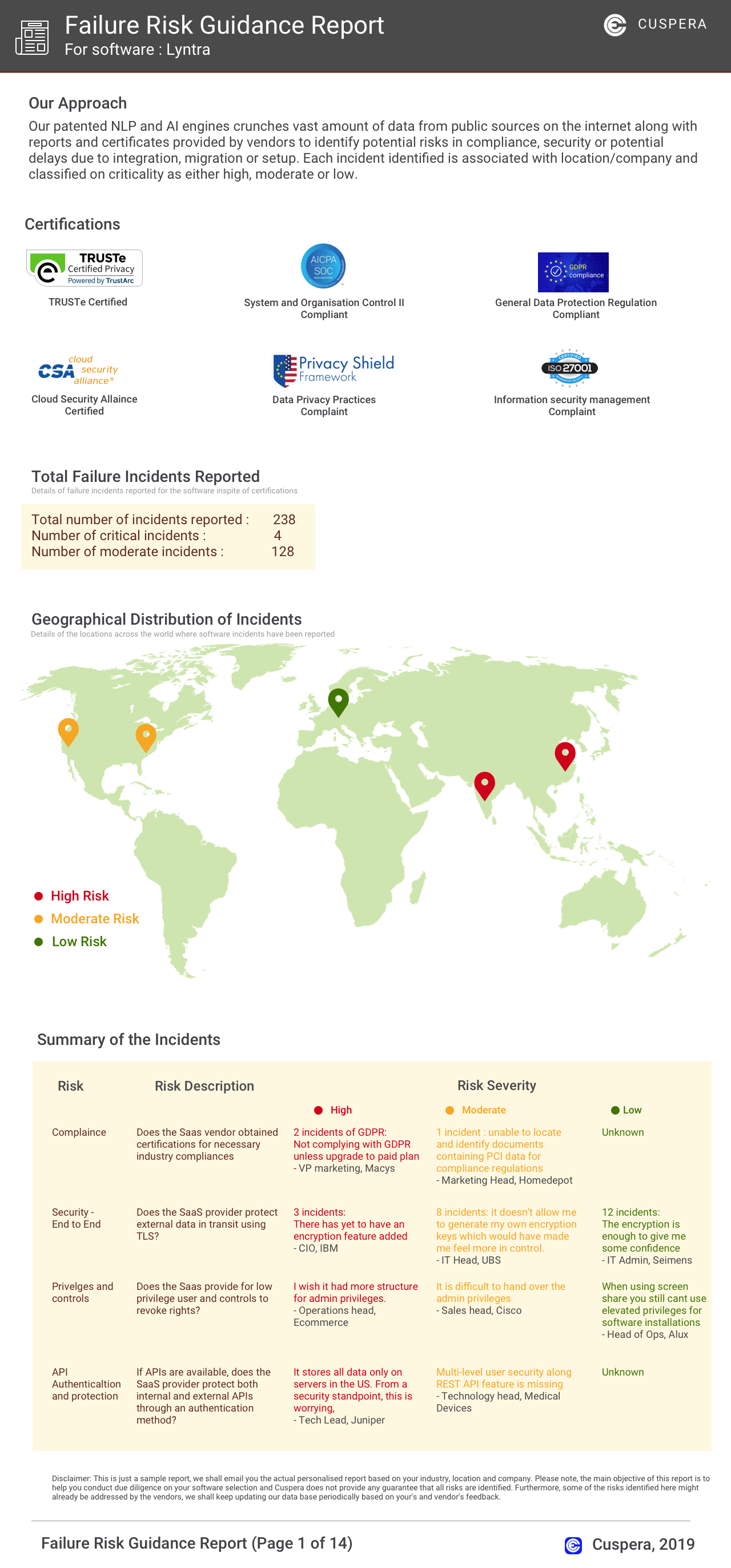
Software Failure Risk Guidance
?for SentiOne
Overall Risk Meter
Top Failure Risks for SentiOne
SentiOne Sp. z o.o News
From Reach to Decision Readiness: SentiOne Report Redefines the Role of Social Media in Business
SentiOne released a report titled "Winning in Social Media: The New Rules of the Game for 2026 and Beyond," marking its 15th anniversary. The report emphasizes the strategic role of social media in business decision-making, highlighting the importance of AI in data analytics while underscoring the need for human interpretation. It aims to guide leaders in leveraging data for competitive advantage.
Automaton Vocis: SentiOne Brings the Voice of the Past to Life Where Technology Meets Old Polish
SentiOne, in collaboration with the National Library of Poland and SEC Newgate CEE, launched the Automaton Vocis helpline. This AI-driven voicebot communicates in Old Polish, using SentiOne's Natural Language Understanding platform. The project promotes the exhibition JAM POSEKINI JEGO..., showcasing medieval Polish texts, and highlights AI's role in cultural heritage preservation.
From Monitoring to AI-Powered Insights: SentiOne Celebrates 15 Years
SentiOne marks its 15th anniversary, highlighting its evolution from social media monitoring to AI-powered insights. Operating in over 30 markets, SentiOne integrates AI solutions into client processes, enhancing data analytics and customer communication. The anniversary introduces a new management structure and expanded offerings, aligning with industry trends in AI and data analytics.
SentiOne at the emarketing.pl conference
SentiOne participated in the Emarketing.pl conference, highlighting AI's role in marketing. The team discussed AI's impact on consumer insights and business decisions. A new partnership with Res Futura was announced, focusing on AI-driven public discourse analysis and internet monitoring.
SentiOne Sp. z o.o Profile
Company Name
SentiOne Sp. z o.o
Company Website
//sentione.comHQ Location
Gdansk, Pomorskie
Employees
51-100
Social


Financials
PRIVATE

How efficiently Does SentiOne manage your Social Media Management?