


Localist Overview
Localist simplifies event management by centralizing all your organization's events into a single, branded calendar on your website. This tool is especially valuable for higher education, healthcare, and government sectors, where keeping communities informed is crucial. The platform's standout feature is its ability to maintain your brand's identity while providing an intuitive user experience. Localist's integration into your existing digital ecosystem ensures that your audience can easily access and engage with event information. This approach not only enhances visibility but also fosters community engagement by making event discovery straightforward.
Use Cases
Customers recommend Event Management, Social Media Management, Sending & Publishing Communications, as the business use cases that they have been most satisfied with while using Localist.
Business Priorities
Acquire Customers and Scale Best Practices are the most popular business priorities that customers and associates have achieved using Localist.
Localist Use-Cases and Business Priorities: Customer Satisfaction Data
Localist works with different mediums / channels such as E-Mail. Social Media. Newsletter etc.
Localist's features include Landing Page, Widgets, SEO, etc. and Localist support capabilities include 24/7 Support, Chat Support, Email Support, etc. also Localist analytics capabilities include Custom Reports, and Analytics.
Reviews
"...Localist is a cloud-based event management solution that helps businesses of all sizes manage, promote and publish events...." Peer review
Peer review evidence (same sources as the product rating summary)
"...The channel builder is designed for marketers who aim to create, optimize and test event marketing campaigns without roadblocks...." The Localist Event CMS
"...With the launch of the Localist calendar, Gwinnett s users could now share events on social media, implement sharing a hashtag with each event, and learn not just about trending events but also about events occurring at their favorite places...." Explore Gwinnett Event Marketing Case Study by Localist
"...As a publisher of all that's happening in the Baltimore area, we needed an easy way to publish events...." Peer review by Michael T., President, Publishing
Localist, Webex Events (formerly Socio), Yapp, Whova, RegFox, etc., all belong to a category of solutions that help Event Management. Each of them excels in different abilities. Therefore, determining the best platform for your business will depend on your specific needs and requirements.
Localist centralizes an organization's events into a branded website calendar. This makes it easier for the community to stay informed.
Popular Business Setting
for Localist
Top Industries
- Education
- Marketing and Advertising
- Non-Profit Organization Management
Popular in
- Enterprise
- Large Enterprise
- Mid Market
Localist is popular in Education, Marketing And Advertising, and Non-Profit Organization Management and is widely used by Enterprise, Large Enterprise, and Mid Market.
Localist Customer wins, Customer success stories, Case studies
Why is Localist the best choice for Event Management?
How efficiently Does Localist manage your Sending & Publishing Communications?
Why is Localist the best choice for Engagement Management?
What solutions does Localist provide for Helpdesk Management?
Frequently Asked Questions (FAQ)
What buyers ask before choosing Localist
Integrations What CRM integrations are available with Localist?
Localist offers seamless integration with several popular Customer Relationship Management (CRM) systems, enhancing the event management experience for organizations. Notable CRM integrations include Salesforce and HubSpot, which allow users to streamline their event marketing efforts and manage attendee data effectively. By connecting Localist with these CRMs, organizations can automate workflows, track engagement, and eliminate data silos, ensuring that all event-related information is centralized and accessible. This integration not only optimizes the event promotion process but also empowers marketing teams to leverage existing customer data for targeted outreach, ultimately driving higher attendance and engagement at events.
Integrations How does Localist connect to Salesforce and HubSpot?
Localist connects to Salesforce and HubSpot through seamless integrations that enhance event management and marketing efforts. By integrating with Salesforce, Localist allows organizations to sync event data directly with their CRM, enabling better tracking of attendee engagement and lead generation. This connection helps teams leverage customer insights to tailor their marketing strategies effectively. Similarly, the HubSpot integration facilitates the automation of marketing campaigns, allowing users to promote events directly to their contacts and track performance metrics. These integrations eliminate data silos, ensuring that marketing teams can access and utilize event information across their existing technology stack, ultimately optimizing event promotion and audience engagement.
Integrations What are the setup steps for integrating Localist with Marketo?
To integrate Localist with Marketo, start by ensuring you have administrative access to both platforms. First, log into your Localist account and navigate to the integrations section. Here, you will find the option to connect with Marketo; select it and follow the prompts to authorize the integration. You will need to provide your Marketo API credentials, which can be found in your Marketo account under the Admin section. Once connected, configure the settings to determine how event data will sync between Localist and Marketo, such as event registrations and attendee information. Finally, test the integration to ensure data flows correctly, and monitor the results to optimize your event marketing efforts. This integration allows you to leverage Marketo's marketing automation capabilities to enhance your event promotion and engagement strategies.
Integrations Can Localist sync data with my existing marketing automation platform?
Yes, Localist can sync data with your existing marketing automation platform, making it a versatile choice for organizations looking to streamline their event management and marketing efforts. Localist integrates seamlessly with various tools in a modern technology stack, including popular marketing automation platforms and CRMs. This integration allows you to eliminate data silos and empower your marketing team by connecting event data directly to your marketing workflows. You can automate email marketing for events using Localist’s native email newsletter tool, Bulletin, and easily add contacts from your CRM or other sources. By leveraging these integrations, you can enhance your event promotion strategies and ensure that your marketing efforts are aligned with your event data, ultimately optimizing the reach and impact of your events.
Integrations What are the limitations of data flow between Localist and other systems?
Localist integrates with a variety of tools in a modern technology stack, including CRMs and marketing automation platforms, to facilitate data flow and eliminate data silos. However, limitations may arise depending on the specific systems involved and the nature of the data being exchanged. For instance, while Localist supports standard methods for data export, the depth and frequency of data synchronization can vary based on the integration capabilities of the other systems. Additionally, certain custom permissions and approval settings within Localist may restrict how data is shared across different departments or affiliates within an organization. Therefore, it's essential to evaluate the specific integration requirements and capabilities of both Localist and the other systems to ensure seamless data flow.
Integrations How does the API access work for Localist integrations?
Localist provides a developer-friendly API that allows seamless access to your events, places, groups, photos, and filters, ensuring that your content is always accessible and manageable. The API follows industry best practices, making it easy to integrate with other platforms and services you may already be using. This means you can automate workflows, enhance your event management capabilities, and create custom applications tailored to your organization's needs. With Localist's API, you can connect with various tools, including popular CRMs and marketing automation platforms, enabling you to optimize your event promotion and management processes. Overall, the API enhances the flexibility and functionality of Localist, allowing you to leverage your event data effectively.
Features What does the event listings feature do in Localist?
The event listings feature in Localist serves as a centralized hub for all your organization's events, allowing users to easily publish, manage, and promote various happenings in one place. This feature provides a beautifully designed interface where events can be categorized and displayed consistently, enhancing visibility and engagement. With customizable options, organizations can tailor event listings to reflect their branding and ensure that all events, whether in-person, virtual, or hybrid, are easily discoverable by the audience. Additionally, the event listings feature integrates seamlessly with other tools in your technology stack, enabling data distribution and eliminating silos, which empowers marketing teams to effectively promote events without needing extensive IT support. Overall, this feature streamlines event management and enhances the overall event experience for both organizers and attendees.
Features How do I configure custom permissions for event creation in Localist?
To configure custom permissions for event creation in Localist, you need to access the admin settings within your Localist dashboard. Start by navigating to the "Permissions" section, where you can define roles for different users or groups within your organization. Here, you can set specific permissions that allow designated individuals, such as chapter leaders or affiliates, to create and manage events while ensuring that admins retain control through approval settings. This flexibility enables you to tailor event management to your organizational structure, empowering your team to publish events efficiently while maintaining oversight. Once you've set the desired permissions, save your changes, and your team will be ready to start creating events according to the guidelines you've established.
Features What metrics can I view in the event performance analytics suite?
In Localist's event performance analytics suite, you can view a comprehensive range of metrics that help measure and enhance your event success. Key metrics include trending events, total registrations, social media activity, and admin engagement, allowing you to gauge interest and participation levels. Additionally, you can analyze attendee geography to understand where your audience is coming from, which can inform future marketing strategies. The suite also integrates with Google Analytics and Google Tag Manager, enabling you to capture user behavior on your event calendar and landing pages. This data empowers your marketing team to eliminate data silos and create predictable user funnels, ultimately driving better engagement and attendance for your events.
Features How do I use the Bulletin tool for automated email marketing in Localist?
To use the Bulletin tool for automated email marketing in Localist, start by accessing the tool within your Localist dashboard. You can create and customize email newsletters using pre-built templates that require no design experience, allowing you to move quickly. Next, import your contact lists from your CRM or marketing automation platform, or upload a simple CSV file. Once your contacts are in place, segment them based on user interests or demographics to ensure targeted messaging. After setting up your segments, you can schedule your emails to be sent automatically for each event, ensuring your entire community is reached, even on mobile. This streamlined process enhances your event promotion efforts and helps maintain engagement with your audience.
Features What functionalities are included in the centralized website event calendar?
The centralized website event calendar offered by Localist includes a comprehensive suite of functionalities designed to streamline event management and enhance user engagement. Key features encompass an all-in-one calendar that allows organizations to centralize their events, ensuring consistent branding and easy discoverability for users. The platform supports ticketing and payment processing, enabling seamless registration for events. Additionally, a robust search function allows users to filter events by type, audience, and topic, making it easier to find relevant happenings. Localist also provides event performance insights, which help organizations analyze engagement and improve future events. With customizable options and integration capabilities with existing tools like CRMs and video conferencing platforms, Localist's event calendar is tailored to meet diverse organizational needs.
Features How do I set up recurring events in Localist?
To set up recurring events in Localist, first log into your Localist Event CMS and navigate to the event creation page. Once there, fill in the necessary details for your event, such as the title, description, and date. Look for the option labeled "Recurring Event" or similar, and select it to enable the recurrence settings. You can then specify the frequency of the event, whether it’s daily, weekly, monthly, or on specific days. After configuring the recurrence pattern, review your event details to ensure everything is accurate, and then save or publish the event. This feature allows you to efficiently manage multiple occurrences of the same event, saving time and ensuring consistency in your event promotion.
ROI & pricing What are the measurable business benefits of using Localist for event management?
Using Localist for event management offers several measurable business benefits that can significantly enhance your organization's event strategy. First, Localist provides comprehensive analytics that allow you to track key metrics such as registrations, attendee engagement, and social media activity, enabling data-driven decision-making. The integration with Google Analytics and Google Tag Manager further enhances your ability to capture user behavior on event-related content, helping to eliminate data silos. Additionally, Localist's beautifully designed Event CMS simplifies the process of publishing and promoting events, which can lead to increased attendance and engagement. By centralizing event management, organizations can optimize their marketing efforts, improve brand consistency, and ultimately drive higher ROI from their events, making Localist a valuable tool for any business looking to maximize its event impact.
ROI & pricing How can Localist help improve ROI for my events?
Localist can significantly improve ROI for your events by providing a comprehensive suite of tools designed to enhance event visibility and engagement. With its beautifully designed Event CMS, organizations can easily publish, manage, and promote events, ensuring they reach a wider audience. Localist's built-in analytics suite allows you to measure event performance through metrics such as registrations, social activity, and attendee geography, enabling data-driven decisions to optimize future events. Additionally, integrations with Google Analytics and Google Tag Manager help capture user behavior, allowing for targeted marketing strategies that drive attendance. By streamlining event management and maximizing outreach, Localist empowers organizations to achieve better attendance rates and ultimately higher returns on their event investments.
ROI & pricing What pricing plans does Localist offer for businesses?
Localist offers a range of pricing plans tailored to meet the needs of various businesses looking to manage and promote their events effectively. While specific pricing details are not publicly listed, Localist provides customized quotes based on the unique requirements of each organization. This flexibility allows businesses to choose a plan that aligns with their event management goals, whether they are hosting in-person, virtual, or hybrid events. Additionally, Localist includes fully-managed cloud hosting and world-class support in all plans, ensuring that users have the resources they need to optimize their event experience. To get started, businesses can contact Localist directly for a personalized quote or to schedule a demo.
ROI & pricing What is the total cost of ownership when using Localist for event planning?
The total cost of ownership when using Localist for event planning includes several factors beyond just the subscription fee. Localist offers fully-managed cloud hosting as part of all its plans, eliminating the need for additional web hosting costs. While specific pricing details are not provided, organizations should consider potential costs for premium support packages, customization, and any additional features they may require. Additionally, businesses may incur costs related to training staff to effectively use the platform and any marketing expenses associated with promoting their events through Localist's tools. Overall, while Localist provides a comprehensive solution for event management, organizations should evaluate their specific needs and budget to determine the total cost of ownership effectively.
ROI & pricing How quickly can I expect to see value from implementing Localist?
When implementing Localist, many organizations begin to see value almost immediately, often within weeks of launching the platform. Users report significant improvements in event visibility and engagement, with some experiencing up to an 800% increase in platform traffic shortly after switching from a static calendar. Localist's user-friendly interface allows teams to easily publish and manage events, enabling quick adoption across departments. Additionally, built-in SEO features enhance discoverability, ensuring that events appear prominently in search results, which can lead to increased registrations and community engagement. Overall, the combination of Localist's powerful tools and immediate usability means that organizations can start reaping the benefits of their investment in event management swiftly.
ROI & pricing What cost savings can I achieve by using Localist for my event management needs?
Using Localist for your event management needs can lead to significant cost savings in several ways. First, the platform's fully-managed cloud hosting eliminates the need for additional web hosting services, reducing overhead costs. Localist's user-friendly Event CMS allows organizations to easily publish, manage, and promote events without requiring extensive technical expertise or hiring additional staff, which can further lower labor costs. Additionally, built-in tools like registration and ticketing streamline the event process, minimizing the need for third-party services that often come with extra fees. By centralizing event management in one platform, organizations can also reduce the time spent on administrative tasks, allowing teams to focus on strategic initiatives that drive attendance and engagement, ultimately maximizing the return on investment for each event.
Capabilities What capabilities does Localist offer for managing event listings?
Localist offers a comprehensive suite of capabilities for managing event listings, making it an ideal solution for organizations looking to streamline their event management processes. With its beautifully designed Event CMS, users can easily publish, manage, and promote both in-person and virtual events. The platform allows for the creation of recurring events, ticketing options, and custom permissions, enabling various team members to contribute while maintaining administrative control. Additionally, Localist provides built-in tools such as widgets and Bulletin for enhanced audience engagement, along with event performance insights to track success. This centralized approach not only simplifies event management but also ensures consistent branding and effective marketing across all events, empowering organizations to connect with their communities more effectively.
Capabilities Can Localist support custom permissions for event creation across different teams?
Yes, Localist supports custom permissions for event creation across different teams, making it an ideal solution for organizations with multiple departments or affiliates. This feature allows various users within your organization, including chapters and affiliates, to create and market events while ensuring that administrators maintain control through approval settings. By implementing these enterprise-ready permissions, Localist empowers your marketing team to manage events effectively without compromising oversight. This capability not only streamlines the event management process but also eliminates data silos, fostering collaboration and enhancing the overall efficiency of your event marketing efforts. With Localist, you can ensure that the right people have the right access to create and promote events tailored to their specific audiences.
Capabilities Does Localist provide features for data distribution to eliminate silos?
Yes, Localist provides robust features for data distribution that effectively eliminate silos within organizations. By connecting with nearly every tool in a modern technology stack, including CRMs and marketing automation platforms, Localist empowers marketing teams to access and utilize event data seamlessly. This integration capability ensures that all event-related information is centralized and easily shareable across departments, enhancing collaboration and communication. With custom permissions, different teams, including chapters and affiliates, can create and market events while maintaining control through admin approval settings. This streamlined approach not only optimizes event management but also enhances the overall efficiency of marketing efforts, allowing organizations to maximize the reach and impact of their events.
Capabilities Can Localist handle scalability for local and state government organizations?
Yes, Localist is designed to handle scalability for local and state government organizations effectively. Its event management platform is user-friendly and allows for the easy publication, management, and promotion of events, making it suitable for cities, counties, and state organizations. Localist has already powered over 6 million events globally, demonstrating its capability to support a wide range of event types, including in-person, virtual, and hybrid formats. The platform's built-in tools, such as widgets and registration features, enable organizations to connect with their communities efficiently. Additionally, Localist's fully-managed cloud hosting ensures that the Event CMS remains available at all times, which is crucial for government entities that require reliable access to their event management tools.
Capabilities Does Localist include analytics and reporting tools for event performance?
Yes, Localist includes comprehensive analytics and reporting tools designed to measure and enhance event performance. With Localist's analytics suite, organizations can track a variety of metrics such as trending events, registrations, social activity, admin activity, and attendee geography. This data helps businesses understand user behavior on their event calendar and landing pages, especially through integrations with Google Analytics and Google Tag Manager. By leveraging these insights, organizations can optimize their marketing strategies, improve user engagement, and ultimately increase the success of their events. Localist's robust reporting capabilities empower teams to eliminate data silos and make informed decisions based on real-time performance metrics, ensuring that every event is a step towards greater success.
Capabilities Can Localist automate workflows related to event management?
Yes, Localist can automate workflows related to event management, significantly enhancing efficiency for organizations. With its built-in tools like the Bulletin for email marketing and the ability to integrate with popular CRM and marketing automation platforms, Localist streamlines the process of promoting events and managing registrations. The platform's API allows for seamless data synchronization, ensuring that the right events are showcased on the appropriate pages without manual intervention. This automation reduces the need for extensive IT support, enabling marketing teams to manage events independently. By automating these workflows, Localist helps organizations save time, minimize errors, and focus on delivering successful events while maintaining consistent branding and messaging across all channels.
Use cases How can SDRs use Localist to enhance their community outreach efforts?
Sales Development Representatives (SDRs) can leverage Localist to enhance their community outreach efforts by utilizing its event management capabilities to create, promote, and manage community events effectively. By using Localist's user-friendly platform, SDRs can easily publish in-person, virtual, or hybrid events, ensuring they reach a wider audience. The built-in tools, such as event registration and ticketing, allow SDRs to track engagement and gather valuable data on attendees, which can inform future outreach strategies. Additionally, Localist's customization options enable SDRs to tailor events to specific community interests, fostering stronger connections and engagement. By streamlining the event promotion process, SDRs can focus more on building relationships and less on administrative tasks, ultimately driving greater community involvement and support for their organization.
Use cases What are the best practices for marketers to implement Localist for event promotion?
To effectively implement Localist for event promotion, marketers should start by leveraging the platform's built-in tools, such as the Bulletin email newsletter feature, to automate outreach and engage their audience. Utilizing pre-built templates can streamline the creation of visually appealing event landing pages, ensuring a professional look without requiring design expertise. Marketers should also segment their contact lists imported from CRMs or CSV files to tailor messaging for specific audience groups, enhancing engagement. Additionally, integrating Localist with social media platforms can amplify event visibility and reach. Regularly analyzing event performance metrics provided by Localist will help refine strategies and improve future promotions. By following these best practices, organizations can maximize their event marketing efforts and drive attendance effectively.
Use cases In what scenarios should RevOps teams utilize Localist's analytics dashboard for event performance measurement?
RevOps teams should utilize Localist's analytics dashboard for event performance measurement in scenarios where they need to assess the effectiveness of their event marketing strategies and optimize user engagement. The dashboard provides comprehensive metrics, including trending events, registrations, social activity, and attendee geography, enabling teams to identify which events resonate most with their audience. By integrating with Google Analytics and Google Tag Manager, Localist allows teams to capture user behavior on event-related content, facilitating data-driven decisions. This is particularly valuable for organizations looking to eliminate data silos and enhance collaboration across departments, ensuring that marketing efforts align with overall business objectives. Ultimately, leveraging Localist's analytics can lead to improved event outcomes and a stronger connection with the community.
Use cases How can sales leaders leverage Localist for effective audience targeting during events?
Sales leaders can leverage Localist to enhance audience targeting during events by utilizing its comprehensive analytics suite and digital promotion tools. With Localist, they can analyze attendee demographics, engagement metrics, and registration trends to identify key audience segments. The platform's integration with Google Analytics and Google Tag Manager allows for deeper insights into user behavior on event pages, enabling sales teams to tailor their marketing strategies effectively. Additionally, Localist's native email newsletter tool, Bulletin, facilitates targeted communication by allowing sales leaders to segment their contact lists based on specific criteria, ensuring that the right messages reach the right audiences. By combining these features, sales leaders can optimize their outreach efforts, improve event attendance, and ultimately drive higher conversion rates.
Use cases What workflows can teams adopt when using Localist for managing virtual events?
When using Localist for managing virtual events, teams can adopt several effective workflows to streamline their processes. First, they can utilize the Event CMS to create and publish events, ensuring all details are easily accessible. Teams can set up automated registration and ticketing through Localist's built-in tools, simplifying attendee management. Collaboration can be enhanced by assigning roles within the platform, allowing team members to manage specific tasks such as marketing, attendee engagement, and post-event analysis. Additionally, integrating Localist with platforms like Zoom for virtual meetings can facilitate seamless event execution. Finally, teams can leverage analytics features to measure engagement and attendance, enabling continuous improvement for future events. This structured approach not only enhances efficiency but also maximizes the impact of virtual events.
Use cases How can organizations implement Localist to streamline their event registration process?
Organizations can implement Localist to streamline their event registration process by utilizing its user-friendly Event CMS, which allows for easy publishing and management of events. To get started, administrators can invite team members to create and manage events, whether in-person, virtual, or hybrid, ensuring that all relevant stakeholders can contribute. Localist's built-in registration tools enable organizations to set up ticketing and recurring events with just a few clicks. Additionally, integrating Localist with platforms like Google Analytics and marketing automation tools can help track user behavior and optimize registration funnels. By leveraging Localist's comprehensive analytics suite, organizations can measure event performance and make data-driven decisions to enhance future registrations, ultimately improving the overall attendee experience.
Alternatives What are the best alternatives to Localist for event management?
When considering alternatives to Localist for event management, several notable options stand out. Cvent is a comprehensive platform that excels in large-scale event planning and offers robust features for registration and attendee management. Eventbrite is another popular choice, particularly for smaller events, providing an easy-to-use interface and strong ticketing capabilities. Hopin specializes in virtual and hybrid events, offering interactive features that enhance attendee engagement. Bizzabo combines event management with marketing tools, making it suitable for organizations looking to integrate their event strategies. Lastly, Aventri focuses on data-driven insights and analytics, which can be beneficial for organizations aiming to measure event success. Each of these platforms has unique strengths, so the best choice will depend on your specific event management needs and goals.
Alternatives How does Localist compare to Cvent in terms of features?
Localist and Cvent both offer robust event management solutions, but they cater to different needs and audiences. Localist focuses on providing a user-friendly Event CMS that simplifies the publishing, management, and promotion of events, making it ideal for organizations looking for an all-in-one solution with features like event listings, registration, and digital promotion tools. In contrast, Cvent is more comprehensive and is often favored by larger enterprises for its extensive features, including advanced reporting, venue sourcing, and complex event logistics management. While Localist excels in ease of use and community engagement, Cvent offers a broader range of functionalities suited for large-scale events and detailed analytics. Ultimately, the choice between Localist and Cvent depends on the specific requirements and scale of your event management needs.
Alternatives What are the key differences between Localist and Eventbrite?
Localist and Eventbrite are both popular event management platforms, but they cater to different needs and audiences. Localist focuses on providing a comprehensive event content management system (CMS) that allows organizations to publish, manage, and promote events while emphasizing community engagement and branding. It offers features like customizable event calendars and built-in marketing tools. In contrast, Eventbrite is primarily known for its ticketing and registration capabilities, making it ideal for events that require ticket sales and attendee management. While Eventbrite excels in handling large-scale ticketed events, Localist is better suited for organizations looking to create a centralized hub for all their events, fostering community interaction. Ultimately, the choice between Localist and Eventbrite depends on whether your priority is community engagement or ticketing efficiency.
Alternatives Is Hopin a better choice than Localist for hybrid events?
When comparing Hopin and Localist for hybrid events, it's essential to consider their unique strengths. Hopin is designed specifically for virtual and hybrid events, offering features like breakout rooms, networking opportunities, and live streaming, making it ideal for engaging remote attendees. On the other hand, Localist excels in managing event calendars and simplifying event registration, providing a seamless user experience that integrates well with existing websites. Localist's focus on community engagement and event promotion can be particularly beneficial for organizations looking to boost attendance and streamline event management. Ultimately, the better choice depends on your specific needs: if your priority is a robust virtual experience, Hopin may be preferable, while Localist is advantageous for comprehensive event management and local community engagement.
Alternatives What unique strengths does Bizzabo have over Localist?
Bizzabo offers several unique strengths compared to Localist, particularly in its comprehensive event management capabilities and advanced analytics features. Bizzabo excels in providing a robust platform for hybrid and virtual events, with tools designed for attendee engagement, networking, and personalized experiences. Its analytics dashboard allows event organizers to track attendee behavior and engagement metrics in real-time, enabling data-driven decisions for future events. Additionally, Bizzabo integrates seamlessly with various marketing tools and CRM systems, enhancing its utility for businesses looking to streamline their event marketing efforts. While Localist focuses on community engagement and event promotion, Bizzabo's emphasis on data insights and user experience makes it a strong choice for organizations prioritizing detailed analytics and sophisticated event management.
Alternatives Why should I consider switching from Localist to Aventri?
When considering a switch from Localist to Aventri, it's essential to evaluate the specific features and benefits each platform offers. Localist excels in providing a user-friendly Event CMS that allows organizations to easily publish, manage, and promote events, with built-in tools for audience engagement. However, Aventri may appeal to businesses seeking a more comprehensive event management solution, particularly for larger-scale events, as it offers robust features for registration, ticketing, and analytics. Aventri also provides extensive integrations with other platforms, which can enhance your event marketing strategy. Ultimately, the decision should be based on your organization's specific needs, such as the scale of events, required features, and budget considerations, ensuring that you choose the platform that best aligns with your goals.
Localist Competitors


Localist Features
- Low
- Medium
- High
| FEATURE | RATINGS AND REVIEWS |
|---|---|
| Custom Reports | Read Reviews (122) |
| Analytics | Read Reviews (11) |
| CAPABILITIES | RATINGS AND REVIEWS |
|---|---|
| Custom Reports | Read Reviews (122) |
| Analytics | Read Reviews (11) |
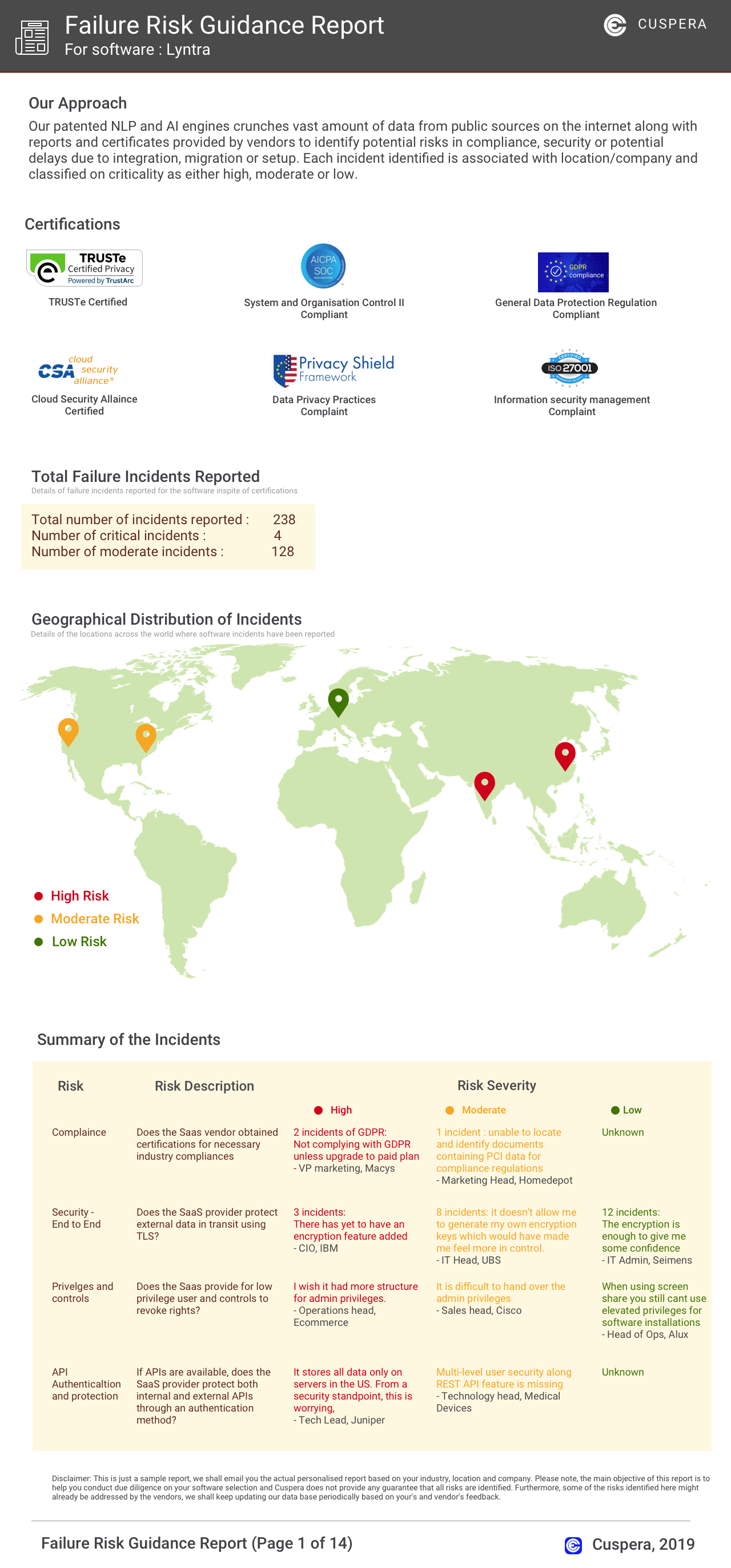
Software Failure Risk Guidance
?for Localist
Overall Risk Meter
Top Failure Risks for Localist
Localist Corporation News
Localist Releases Superpower To Boost Kiwi Businesses & Good Causes
Localist has launched the Localist Free Website initiative, offering free, professionally designed websites to small businesses and charities in New Zealand. This move aims to enhance online presence and support local causes, with hosting organized through partner Hosting Harbour. The initiative seeks to empower Kiwi businesses and encourage charitable donations.
Localist Corporation Profile
Company Name
Localist Corporation
Company Website
https://www.localist.com/HQ Location
8484 Georgia Ave, Ste. 675, Silver Spring, Maryland 20910, US
Employees
1-10
Social


Financials
SEED

What benefits does Localist offer for Social Media Management?