


Ataccama ONE: Data Governance Solutions overview — capabilities, features, use cases and value by role
Ataccama ONE is an agentic data trust platform spanning Data Governance Solutions, Data and Analytics Governance Platforms, and Master Data Management Solutions. It is built to help organizations accelerate business initiatives with trusted, high-quality, governed data.
Top capabilities of Ataccama ONE
Master Data Management (MDM)
Read detailsAtaccama ONE is a multidomain Master Data Management platform with data quality built in, covering use cases from regulatory compliance and M&A to analytical applications and operational efficiency. Raiffeisenbank illustrates what that looks like in practice. On the data quality side, as Raiffeisenbank puts it, "We use MDM to support with data quality reports and issue data quality notifications. This enables us to inform the front office or the customer of problems within specific records." The same deployment handled large-scale portfolio consolidation: as Raiffeisenbank puts it, "MDM played a crucial role in handling client portfolio acquisitions, effectively increasing the number of clients almost threefold." That hub now holds 5.7 million consolidated customer records. At the upper end of scale, Ataccama ONE can support upwards of 600 million records in a single MDM system.
Data catalog
Read detailsAtaccama ONE handles data cataloging, ownership, and consistency in a single platform — covering discovery, lineage, compliance, and governance together. As SSEN Transmission puts it, "We knew we needed a dedicated tool to get rid of manual cataloging and spreadsheets. We wanted to transform ways of working, and for us, having both the data catalog and data quality within the same tool was paramount. The ability to link terms to attributes and data quality scores made an enormous difference." At Teranet, 250 data stewards registered and started using the Ataccama ONE data catalog, representing over 12 percent of the workforce.
Data profiling
Read detailsAtaccama ONE delivers data profiling through measurement of quality dimensions — accuracy, completeness, and consistency — to identify patterns, anomalies, and potential issues that establish a baseline for improvement. One enterprise customer notes it - Offers free data profiling. - Integrates with other tools for complete end-to-end lineage.
Business glossary
Read detailsAtaccama ONE centralizes business terms, hierarchies, and rules through its business glossary capability, enabling teams to collaborate on definitions and automate their use for consistent understanding across the organization.
Policy enforcement
Read detailsAtaccama ONE supports regulatory compliance through its AI Agent, which automates discovery, classification, and policy enforcement across requirements such as GDPR, CCPA, and HIPAA. This automation reduces manual governance effort while helping organizations avoid the costs of PII leakage, with outcomes reaching $350 million in cost-avoidance through eliminated PII risk.
Data Quality Platform: AI-Powered Automation
Read detailsAtaccama ONE handles data quality automatically, using AI rather than manual effort to keep data accurate across an organization's entire data estate. It runs DQ checks and continuous monitoring, and it detects anomalies and drives remediation when problems arise.
Cloud-managed platform operations
Read detailsAtaccama Cloud removes the operational burden of running Ataccama ONE by handling installation, updates, and infrastructure on the customer's behalf. That frees teams to focus on actual data management work rather than platform upkeep. The service keeps Ataccama ONE current through seamless upgrades and gives teams the tools for self-service environment administration. It supports hybrid data processing alongside airtight security and compliance. High availability is built in.
Self-service environment administration
Read detailsAtaccama ONE gives teams direct control over their dedicated cloud environment, with no vendor intervention required to make adjustments as the business changes.
Hybrid data processing
Read detailsAtaccama Cloud brings hybrid data processing to Ataccama ONE, connecting to systems wherever they sit while keeping data processed locally to maximize performance.
AI-driven automation
Read detailsAtaccama ONE automates complex data management operations through AI-driven automation, covering tasks such as identifying relevant data, creating data quality rules, and resolving data quality issues. This automation has already reduced time spent on specific data management tasks by 40%, allowing organizations to establish data trust more automatically.
Automated data discovery
Read detailsAtaccama ONE automates data discovery to identify and catalog data assets across an organization's environment, with that cataloging work directly powering business glossary creation and data marketplace operations — and an autonomous AI agent now delivers AI-ready data 83% faster.
Data enrichment
Read detailsAtaccama ONE handles data enrichment as part of its broader data quality improvement capability, cleansing, standardizing, and enriching fragmented records to produce a trusted source of truth.
Data stewardship
Read detailsAtaccama ONE supports data stewardship by helping organizations define ownership, ensure consistency, and run governance workflows as part of a broader data trust foundation.
Jira connector (for ticketing)
Read detailsAtaccama ONE connects to Jira, letting teams manage workflow and track issues directly through the platform.
Metadata management
Read detailsAtaccama ONE lets teams document datasets with descriptions, assigned owners, and business terms pulled from the business glossary. That combination of structured enrichment supports governed data product creation. It also keeps data use consistent across departments.
Policies & workflows
Read detailsAtaccama ONE covers the policies and workflows layer of governance by enabling organizations to define, enforce, and automate governance policies and data management workflows as part of the data organization and governance foundation.
DQ monitoring and DQ cleansing
Read detailsAtaccama ONE handles data quality as an ongoing process rather than a one-time fix. DQ Monitoring watches critical data sources and triggers timely alerts. DQ Cleansing then corrects errors and standardizes data to improve accuracy across the data estate.
Reference data, master data, and data quality management
Read detailsAtaccama Cloud consolidates reference data management, master data management, and data quality into a single interface — all through three interoperable modules inside Ataccama ONE.
Data integration pipelines for big data platforms
Read detailsAtaccama ONE generates and deploys data integration pipelines by drawing on existing rules, patterns, data, and AI models. Processing runs directly on big data platforms such as data lakes, Hadoop and Spark clusters, and cloud data warehouses. Data never needs to move to be processed.
Top features of Ataccama ONE
Dedicated environment provisioning in minutes
Read detailsAtaccama ONE is a data management platform spanning data governance, analytics governance, and master data management that provisions dedicated cloud environments within minutes so teams can move directly into data management work without time lost to installation or platform setup.
Top use cases for Ataccama ONE
Build a data governance program
Read detailsAtaccama ONE lets a buying team replace manual governance work with an automated program that covers discovery, classification, quality monitoring, lineage tracking, and policy enforcement — all driven by the ONE AI Agent. The practical outcome is regulatory compliance across GDPR, CCPA, and HIPAA. Teams also gain full visibility into their data estate and AI-ready trusted data, without growing headcount to get there.
Unified 360 customer data insights
Read detailsAtaccama ONE gives organizations a single, trusted view of customer data by automating the work of unifying, standardizing, and enriching records pulled from disparate sources. Marketing, operations, and compliance teams all draw on this foundation. The outcomes include personalized customer journeys, regulatory compliance across GDPR, CCPA, and HIPAA, reduced churn, and improved AI/ML model accuracy.
Regulatory compliance
Read detailsAtaccama ONE brings compliance and risk teams to full audit-readiness by automating data quality checks, lineage tracking, and exception handling across data pipelines. The platform supports regulatory frameworks including BCBS, IFRS, CPSA, GDPR, CCPA, and HIPAA. That coverage reduces regulatory risk and gives teams self-service access to curated, governed data without depending on IT.
Data protection
Read detailsAtaccama ONE centralizes PII detection, classification, consent management, and access control in a single platform. It automates the discovery of personal information across all systems and consolidates that data in an MDM hub. The ONE AI Agent runs continuous 24/7 protection, which reduces breach risk and keeps compliance with data regulations on track.
ONE Bridge
Read detailsONE Bridge is Cognizant's proprietary automation accelerator for Ataccama ONE, built specifically for enterprises migrating from legacy data management platforms. It automates up to 40% of migration effort, covering rule extraction, automated conversion and validation, and configuration setup. The outcome is a faster, lower-risk path to a unified agentic data trust platform — with data quality, lineage, and governance maintained throughout the transition.
Data quality for governed AI
Read detailsAtaccama ONE handles the full pipeline from data collection through cleansing to continuous deployment monitoring — so the data feeding AI models stays reliable, governed, and ready to use. That end-to-end coverage translates into faster model development and less repetitive data prep. It also catches data drift early, which prevents ML models from deteriorating over time.
Credit risk scoring
Read detailsAtaccama ONE helps financial institutions produce accurate credit risk assessments by unifying fragmented data sources, automating data quality checks, and applying real-time anomaly detection. The results are concrete: minimized financial losses, stronger regulatory compliance across frameworks such as Basel III, CCAR, and FR Y-14, and risk modeling that is both faster and more reliable.
Data integration for M&A
Read detailsM&A integration teams and data leaders use Ataccama ONE to consolidate data from merging organizations. The process spans profiling and classifying data at deal close, scaling multi-domain MDM during integration execution, and extracting value through trusted operational reporting and AI-ready datasets. The result is smooth business continuity, eliminated duplicate records, and a unified governance framework across the combined entity.
Systems modernization
Read detailsAtaccama ONE supports data engineering and migration teams moving data to modern platforms such as Snowflake or Databricks by ensuring data is validated, cleansed, and trusted before, during, and after migration. The result is a reusable data trust layer covering quality rules, governance policies, and lineage. That layer delivers value from day one in the target environment.
Smart cities
Read detailsCity departments and municipal data teams use Ataccama ONE to consolidate data from all city departments into a shared data hub. The platform eliminates duplicate records and enables centralized data governance. The result is trustworthy analytics for smarter city management, a transparent open data hub for citizens, and a scalable foundation for data-driven applications and innovation.
Data fabric
Read detailsData stewards and data engineers use Ataccama ONE to establish a data fabric architecture that consistently delivers reliable, cleansed, and deduplicated data to users and applications. It does this by activating metadata, automating integration pipelines, and orchestrating transformations across all environments. The result is faster data delivery, reduced manual integration effort, and support for analytics, migration, and operational use cases at scale.
Governed data products
Read detailsData teams and business users use Ataccama ONE to build, govern, and share trusted data products organization-wide — importing datasets from any source, applying real-time quality checks and AI-generated DQ rules, collaborating on corrections, and publishing via API or MCP Server for AI workloads and downstream systems.
Single view of data
Read detailsAtaccama ONE delivers a single source of truth by pulling data from multiple sources, deduplicating it, and making it available across an organization. Automated matching and standardization normalize records across any domain. Once the data is clean, Ataccama ONE serves context-specific views dynamically, adjusting what each consumer sees based on their needs and privileges. The result is accurate master data that people, downstream applications, and operational systems can all draw from.
Value delivered by role with Ataccama ONE
data stewards
Read detailsAtaccama ONE gives data stewards a unified platform to find, understand, track, and improve data across domains. Live quality scores, trend data, and anomaly alerts let stewards act before problems reach downstream systems. Approval workflows and business-rule validation keep referential data integrity intact. The platform has proven it can grow with an organization, scaling stewardship from 1 data steward to 20 in some deployments and to 100+ data stewards across 45 domains in others. That scale supports self-service data product creation and rapid distribution of data assets.
business users
Read detailsAtaccama ONE shifts reference and master data maintenance directly to business users, cutting IT dependency in the process. A single, reliable interface keeps everything in one place. Dashboards surface data contents and issues at a glance, so users can spot and fix problems before they compound. One airline deployment demonstrates this concretely: reduced IT costs by shifting reference data maintenance to business users through a user-friendly GUI. Business teams and executives across insurance, airline, healthcare, and telco have recognized the value of these data quality initiatives.
Data Governance team
Read detailsAtaccama ONE lets lean data governance teams move faster and work at greater scale than their headcount would suggest. For one organization, hands-on assistance proved pivotal, enabling a team of five to move faster through MDM implementation. Ataccama ONE has also empowered a data governance team to build a 'Data Scanning at Scale' initiative covering 5,000 apps and 22,000 databases across 8 petabytes of data. From that foundation, teams can expand into enterprise-wide federated data quality programs.
data quality team
Read detailsData quality teams using Ataccama ONE can clear large backlogs of change requests, establish a single source of truth, and push proactive data quality notifications to front-office and customer-facing teams. Quality firewalls embedded directly in front-end applications allow teams to search for, enrich, and validate customer records at the point of entry. In one documented case, a data quality team used Ataccama ONE to resolve 600 accumulated change management requests while aligning MDM with the organization's broader data management strategy.
IT department
Read detailsAtaccama ONE puts data quality and reference data management in the hands of business users and data stewards, eliminating routine IT involvement. That shift frees IT teams to move from reactive firefighting to proactive work — catching issues like underperforming BI teams before they escalate. One airline's IT department was able to implement their RDM solution largely independent of the Ataccama team, showing how the platform supports self-sufficient adoption across an organization.
Chief Data Analytics Office
Read detailsAtaccama ONE supports the Chief Data Analytics Office in building an enterprise-wide federated data quality program, moving from assumption to assurance around data quality. Engineers are alerted proactively when data falls outside expected standards, preventing impact on customers and clients. That organizational shift makes it faster for engineering teams to know what to do next when a problem arises.
executive management
Read detailsAtaccama ONE supports executive management with trusted data across decisions that range from weekly operational reports to strategic M&A due diligence. Leadership teams rely on its data integration, compliance, and due diligence capabilities to back acquisition decisions with confidence.
sales and marketing teams
Read detailsAtaccama ONE supports sales and marketing teams with a unified customer view, enabling personalized experiences, improved customer service, and faster time-to-market for new products, while its master data management capability extends that view to households and customer groups for more targeted outreach.
Head of Data Governance
Read detailsAtaccama ONE brings business and IT teams onto a single platform for data governance work — covering due diligence, data integration, and compliance support across the full data asset inventory.
AI teams
Read detailsAtaccama ONE is a data quality and governance platform that cuts the time AI teams spend preparing data before model development, generating $25 million in savings for T-Mobile by enabling cleaner, governed data at scale. It covers data governance, analytics governance, and master data management workflows.
analytics teams
Read detailsAtaccama ONE puts data quality work directly in the hands of analytics teams. They can profile data on demand, assessing fitness for their needs without waiting on IT or data engineering. Distributed data quality workloads allow local teams to check and improve data quality for both local and global initiatives. That shorter path from raw data to analytical insight is the practical result.
stakeholders
Read detailsAtaccama ONE makes data quality metrics visible through visual reporting, giving stakeholders the transparency they need to trust organizational data and scale data quality automation across the enterprise.
science teams
Read detailsAtaccama ONE cuts data preparation overhead so data science teams can spend more time on model development and insight generation. Its Data Mesh capabilities help those teams predict customer behavior and intention more accurately. Higher-quality master data supports science work across the sales lifecycle. T-Mobile demonstrated what this looks like in practice, reporting $25 million in savings.
Product Architect – Data Quality Platform
Read detailsAtaccama ONE is built for organizations that want data quality to scale across every team without centralizing all the work in one place. Product architects can use it to construct more mature data models and enable self-service data profiling. Quality workloads are distributed across local teams, so each group can participate independently. The result is an organization-wide framework that grows without becoming a bottleneck.
compliance and risk teams
Read detailsAtaccama ONE puts compliance and risk teams in control of their own data — without routing every regulatory request through IT. The platform covers due diligence, data integration, and compliance workflows across first-line and second-line functions. Self-service access to curated, governed data means teams can respond to regulatory demands faster and with greater confidence at scale.
data engineers
Read detailsAtaccama ONE handles data integration through a data fabric architecture, automating the workflows that would otherwise keep data engineers occupied with repetitive pipeline tasks. That automation frees those engineers to focus on building more mature data models. It also helps keep bad data out of downstream systems.
Master data program manager
Read detailsAtaccama ONE combines reference data management, master data management, and data quality in a single interface. That unified design means master data program managers can align MDM with a broader organizational data strategy without juggling separate tools. The result is reduced overhead and faster delivery of trusted master data across the enterprise.
Chief Data Officers
Read detailsAtaccama ONE supports Chief Data Officers in scaling data management initiatives across the enterprise. The platform's CDO Success Hub brings business and IT teams together around trusted data. That shared foundation expands enterprise-wide data quality programs and builds confidence for strategic decision-making.
What customers say about Ataccama ONE: ratings, outcomes and feedback
Ataccama ONE customers across Data Governance Solutions, Data and Analytics Governance Platforms, and Master Data Management Solutions share concrete experiences with the product in day-to-day use. What follows covers both what those customers value and where they see room for improvement.
What works well
Lloyds Banking Group speaks to how central data has become across the organization. As Lloyds Banking Group puts it, "Data underpins so many of our business processes and how our systems operate. Having that information available to help manage our products and customer journeys really underpins everything we do as an organization." The banking group selected Ataccama as its enterprise-wide DQ solution in 2019, and the relationship has continued to shape how the organization handles customer, client, and regulatory data. Lloyds Banking Group describes the progress this way: "We've made significant strides over the last period and the cultural change has been a big step forward... It has meant that we're continually improving how we manage customer/client/regulatory data." That shift is captured in their own framing: the organization describes itself as becoming more data-first, moving from assumption to assurance around data quality.
Where customers see room for improvement
Ataccama ONE's recurring friction points cluster around usability, licensing, and integration breadth. On the usability side, one enterprise user notes - It would be nice if it came with a user hotkey function out of the box. - Having concurrent user usage licenses would be ideal. Integration coverage is another sticking point: a separate enterprise customer observes - Does not support as wide of a tech stack range as I would like. Loading performance and excess pop-up messages round out the areas where customers see room to improve.
ataccama Customer wins, Case studies
Ataccama reports record Q4 enterprise customer wins as data trust becomes required for AI - Yahoo Finance
Frequently Asked Questions (FAQ)
What buyers ask before choosing ataccama
Integrations What CRM integrations are available for Ataccama?
Ataccama offers seamless integration with various Customer Relationship Management (CRM) systems to enhance data management and analytics capabilities. Notably, it integrates with Salesforce, allowing users to unify and enrich customer data for improved insights and decision-making. Additionally, Ataccama can connect with HubSpot, facilitating the synchronization of marketing and sales data to create a comprehensive view of customer interactions. These integrations enable businesses to leverage Ataccama's automated Master Data Management (MDM) features, ensuring that customer data is accurate, consistent, and readily available across platforms. By utilizing these CRM integrations, organizations can enhance their Customer 360 initiatives, improve operational efficiency, and drive better marketing outcomes.
Integrations How does Ataccama connect to Salesforce and HubSpot?
Ataccama connects to Salesforce and HubSpot through its data integration capabilities, allowing businesses to streamline their data management processes. For Salesforce, Ataccama utilizes JDBC (CData) to facilitate seamless data exchange, enabling users to capture and analyze customer data effectively. Similarly, for HubSpot, Ataccama offers integration options such as syncing data and connecting with tools like Fivetran, which helps in automating data flows between HubSpot and other systems. This integration allows organizations to maintain a single view of their customer interactions and marketing efforts, enhancing data quality and accessibility. By leveraging these connections, businesses can ensure that their data is consistent, accurate, and readily available for analysis, ultimately driving better decision-making and improved customer engagement.
Integrations What are the setup steps for integrating Ataccama with Marketo?
To integrate Ataccama with Marketo, begin by ensuring you have administrative access to both platforms. First, log into your Ataccama account and navigate to the integration settings. Select Marketo from the list of available integrations. You will need to provide your Marketo API credentials, which include the client ID and client secret, obtainable from your Marketo admin panel. Once entered, configure the data synchronization settings to define which data entities, such as leads or campaigns, you want to sync between Ataccama and Marketo. After setting up the mapping of fields and attributes, test the connection to ensure data flows correctly. Finally, save your settings and monitor the integration for any issues, ensuring that data quality is maintained throughout the process.
Integrations Can Ataccama sync data with external data providers, and what are the limitations?
Yes, Ataccama can sync data with external data providers, allowing businesses to integrate and manage data from various sources seamlessly. The platform supports a flexible data model that can accommodate single- and multidomain models without limitations on the number of entities or attributes. However, while Ataccama excels in automating data matching and integration, users may encounter limitations based on the specific external data provider's API capabilities, data formats, or connection protocols. Additionally, the effectiveness of syncing can depend on the quality and structure of the external data being integrated. Overall, Ataccama's robust integration capabilities enhance data accessibility and collaboration across teams, making it easier to leverage trusted data for decision-making.
Integrations Can Ataccama sync data with HubSpot and Salesforce simultaneously?
Yes, Ataccama can sync data with both HubSpot and Salesforce simultaneously, allowing businesses to maintain a cohesive data ecosystem across these platforms. By leveraging Ataccama's flexible data integration capabilities, users can import, manage, and synchronize critical business data from multiple sources, including HubSpot and Salesforce, without the risk of data silos. This integration ensures that teams can collaborate effectively and access consistent, trusted data for their AI workloads and decision-making processes. Additionally, Ataccama's automated matching rules and customizable configurations enhance the accuracy of data synchronization, making it easier to manage customer relationships and sales processes across both platforms.
Integrations How does the data flow between Ataccama and other systems like Salesforce?
Data flow between Ataccama and other systems like Salesforce is facilitated through seamless integration capabilities that allow for efficient data exchange and synchronization. Ataccama enables users to connect their data sources, including Salesforce, to import and manage critical business data in a centralized platform. This integration allows for real-time updates, ensuring that data remains consistent and accurate across both systems. Users can automate data cleansing and validation processes, enhancing data quality before it is pushed to Salesforce for use in customer relationship management. Additionally, Ataccama's flexible data model supports the management of single- and multidomain models, allowing businesses to tailor their data workflows according to specific needs, ultimately improving collaboration and decision-making across teams.
Integrations What are the limitations of data flow between Ataccama and external systems?
Ataccama facilitates data flow between its platform and external systems, but there are some limitations to consider. Primarily, the integration capabilities depend on the specific external systems in use, as not all platforms may support seamless data exchange. Additionally, data formats and structures must be compatible; otherwise, transformation processes may be required, which can introduce complexity and potential delays. Furthermore, while Ataccama offers flexible data models and automated matching rules, the effectiveness of these features can be influenced by the quality and consistency of the data being imported or exported. Organizations should also be aware of any security protocols or compliance requirements that may restrict data sharing with certain external systems. Overall, understanding these limitations is crucial for optimizing data flow and ensuring successful integration with Ataccama.
Integrations Is there API access for Ataccama integrations, and how does it work?
Yes, Ataccama provides API access for its integrations, allowing businesses to seamlessly connect their existing systems and applications with the Ataccama ONE platform. The API facilitates data exchange and enables users to automate workflows, ensuring that data quality and governance processes are integrated into their broader data management strategies. Through the API, organizations can access various functionalities, such as data validation, monitoring, and transformation, which enhances the overall efficiency of data operations. Additionally, Ataccama's integration capabilities extend to platforms like Snowflake, enabling users to leverage data quality validation directly within their Snowflake environments. This flexibility empowers businesses to create a unified data ecosystem that supports their specific needs and enhances data-driven decision-making.
Integrations Is there API access for integrating Ataccama with other data providers?
Yes, Ataccama provides API access that facilitates seamless integration with various data providers and platforms. This capability allows businesses to connect Ataccama with their existing systems, enabling the import and export of data across different applications. By leveraging the API, organizations can automate data workflows, enhance data quality, and ensure that all teams have access to trusted data. This integration is particularly beneficial for companies looking to break free from siloed datasets and improve collaboration across departments. Additionally, Ataccama's flexible data model supports the integration of multiple data sources, making it easier to manage and analyze data from various vendors and locations, ultimately driving better business insights and decision-making.
Features What does Ataccama's automated data lineage feature do?
Ataccama's automated data lineage feature provides organizations with comprehensive visibility into their data flows across various enterprise environments. This functionality enables users to track the movement of data, understand its dependencies, and ensure compliance with governance standards. By utilizing AI-powered capabilities, Ataccama ONE enhances the user experience with intuitive lineage views and secure metadata extraction, allowing business users to audit and trust their data without requiring technical expertise. The automated lineage feature streamlines data discovery and analytics, facilitating faster insights delivery and improving overall data governance. This empowers organizations to make informed decisions based on reliable data, ultimately enhancing their operational efficiency and compliance efforts.
Features How do I configure the data profiling settings in Ataccama?
To configure the data profiling settings in Ataccama, first, log into your Ataccama ONE platform and navigate to the data profiling section. From there, you can connect to your desired data sources using the web interface. Once connected, select the specific datasets you wish to profile. You will have the option to customize various settings, such as defining the attributes to analyze, setting thresholds for data quality metrics, and choosing the types of profiling techniques to apply, including statistical analysis and data type detection. After configuring these settings, initiate the profiling process to generate insights about your data quality and structure. This streamlined approach allows you to assess the basic quality of your source data effectively, ensuring that all stakeholders can access critical information in one place.
Features How do I use the enhanced data lineage visualization in Ataccama ONE?
To use the enhanced data lineage visualization in Ataccama ONE, start by accessing the platform and navigating to the data lineage section. Here, you can utilize the AI-driven features that provide compact lineage views, allowing you to see the flow of data across various sources and transformations in a clear, visual format. You can interact with the lineage maps to drill down into specific data points, enabling you to audit and understand the data without needing technical expertise. Additionally, take advantage of the secure metadata extraction capabilities to gather detailed information about your data sources. This streamlined approach not only enhances your understanding of data lineage but also builds trust in your data, facilitating better decision-making across your organization.
Features What functionalities does the Ataccama Cloud platform offer for data management?
Ataccama Cloud offers a comprehensive suite of functionalities designed to streamline data management across various domains. Key features include a flexible data model that supports both single and multidomain models without limitations on entities or attributes, enabling organizations to manage complex datasets effectively. The platform employs machine learning to automate the generation of matching rules, which can be fine-tuned by users for enhanced accuracy. Additionally, Ataccama Cloud facilitates the import and editing of critical business data, breaking down silos and promoting collaboration across teams. Users can build and publish trusted data products, ensuring data quality and compliance with privacy regulations. With capabilities for in-cell editing, data validation, and task tracking, Ataccama Cloud empowers organizations to manage their data efficiently and securely, driving better decision-making and operational success.
Features What functionalities does Ataccama Cloud provide for data management?
Ataccama Cloud offers a comprehensive suite of functionalities designed to streamline data management for businesses. It features a flexible data model that allows users to manage both single and multidomain models without limitations on the number of entities or attributes. The platform employs machine learning to automate the generation of matching rules, which can be fine-tuned by users for enhanced accuracy. Additionally, Ataccama Cloud facilitates the creation of a single view of data across various domains, including customers, products, and vendors, enabling better analysis and decision-making. It also supports collaboration across departments by making data accessible and compliant with privacy regulations, ultimately driving efficiency and innovation within organizations.
Features How can I use Ataccama to streamline data discovery and governance?
You can use Ataccama to streamline data discovery and governance by leveraging its unified platform, which automates the identification and classification of data across your organization. Start by connecting your data sources to Ataccama ONE, which will automatically crawl and tag your data, providing a comprehensive view of your data landscape. This enables you to manage sensitive information, such as personally identifiable information (PII), and ensure compliance with regulations like GDPR and CCPA. Additionally, Ataccama's machine learning capabilities help generate data quality rules and detect anomalies, allowing you to maintain high data integrity. By consolidating data governance processes into a single platform, Ataccama facilitates collaboration across teams, reduces silos, and enhances the overall trustworthiness of your data assets.
Features How can I configure audit snapshots in Ataccama's data trust platform?
To configure audit snapshots in Ataccama's data trust platform, you will need to access the platform's administrative settings. Begin by navigating to the "Audit" section within the dashboard, where you can set parameters for the snapshots, such as frequency and retention period. You can choose to schedule snapshots at regular intervals to capture data changes and governance metrics. Once configured, the platform will automatically generate snapshots based on your settings, allowing you to monitor data quality and compliance over time. Additionally, ensure that you have the necessary permissions to access and modify these settings, as this will be crucial for effective audit management. For detailed guidance, refer to the Ataccama documentation or support resources.
Features What is the process for creating audit snapshots in Ataccama?
The process for creating audit snapshots in Ataccama involves several key steps to ensure comprehensive data governance and compliance. First, users can initiate the snapshot creation through the Ataccama platform, which captures the current state of data, including configurations, data quality metrics, and governance rules. This process is typically automated, allowing for regular intervals of snapshot generation to maintain an up-to-date record. Once created, these snapshots can be stored securely and accessed for future audits or compliance checks, providing a clear historical view of data changes and governance practices. This capability not only aids in meeting regulatory requirements but also enhances transparency and trust in data management processes, ultimately supporting better decision-making and strategic planning within organizations.
Features What is the process for utilizing cloud-native processing in Ataccama?
Utilizing cloud-native processing in Ataccama involves several key steps to maximize its capabilities for data management and analytics. First, you need to access the Ataccama Cloud platform, which eliminates the need for installation and maintenance, allowing you to focus on data management. Once logged in, you can leverage the platform's automated data lineage features to streamline data discovery and governance. This includes configuring your data models to fit your specific needs, utilizing machine learning for automated matching rules, and setting up audit snapshots for compliance. Additionally, you can take advantage of the platform's scalability to handle hybrid and multi-cloud environments, ensuring that your data processing is efficient and effective. By following these steps, you can enhance your data insights delivery and governance processes significantly.
Features How do I set up automated insights delivery in Ataccama?
To set up automated insights delivery in Ataccama, begin by leveraging the platform's cloud-native processing capabilities, which streamline data discovery and governance. First, ensure that your data sources are integrated into Ataccama, allowing the platform to automatically crawl and tag your data. Next, utilize the automated data lineage feature to track the flow of data and understand its transformations. Configure the insights delivery settings by defining the parameters for the insights you wish to automate, such as frequency and format. Finally, set up notifications or dashboards to receive these insights in real-time, ensuring that your teams have access to the most relevant data for informed decision-making. This process enhances efficiency and accelerates the delivery of actionable insights across your organization.
Features How do I set up workflows for data governance in Ataccama?
To set up workflows for data governance in Ataccama, start by connecting and identifying your data sources. This involves documenting the data sources you need to classify and protect. Next, utilize Ataccama's Rule Library to classify your data effectively; you can choose from curated identifiers or define your own. After classification, establish automated matching rules using machine learning to ensure data consistency and accuracy. Fine-tune these rules as necessary to meet your organization's specific needs. Finally, implement a governance program that includes data discovery and regulatory compliance to ensure your data is trusted and ready for AI workloads. By following these steps, you can create a robust data governance framework that enhances data quality and compliance across your organization.
ROI & pricing What measurable business benefits can Ataccama provide for my organization?
Ataccama provides measurable business benefits by enhancing data quality, improving operational efficiency, and driving better decision-making through its comprehensive data management solutions. By utilizing Ataccama's platform, organizations can achieve a single view of their data, which leads to more accurate insights and reporting. The ROI calculator offered by Ataccama allows businesses to estimate potential savings and efficiency gains, demonstrating how investments in data management can translate into tangible financial returns. For instance, companies have reported significant revenue increases and improved productivity by leveraging Ataccama's automated matching rules and flexible data models. Overall, Ataccama empowers organizations to maximize their data ROI, ensuring that data initiatives contribute directly to business growth and success.
ROI & pricing What is the estimated ROI of using Ataccama for data management?
The estimated ROI of using Ataccama for data management can be calculated using Ataccama's interactive ROI calculator, which leverages industry benchmarks and implementation data to provide tailored insights. The calculator evaluates potential savings, efficiency gains, and improvements in data quality, resulting in a comprehensive report that includes projected benefits, net present value (NPV), and payback periods. Users can expect to see an ROI ratio, such as 3:1, in both conservative and optimistic scenarios, reflecting the value derived from productivity gains and cost reductions. By utilizing this tool, businesses can effectively quantify the financial impact of Ataccama's data management solutions, enabling informed decision-making and demonstrating value to stakeholders.
ROI & pricing How can I calculate the ROI of implementing Ataccama in my business?
To calculate the ROI of implementing Ataccama in your business, you can utilize Ataccama's interactive ROI calculator, which is designed to estimate potential savings, efficiency gains, and improvements in data quality. Start by entering key information about your organization, such as annual revenue, the number of data professionals, and specific initiatives you plan to undertake. The calculator will generate a personalized report that includes conservative and optimistic projections for benefits, an ROI ratio (e.g., a 3:1 ratio indicates three dollars of value for every dollar invested), and a breakdown of benefits across productivity gains and cost reductions. This data-driven approach allows you to quantify the financial impact of Ataccama's data management solutions and communicate the value effectively to stakeholders.
ROI & pricing How can Ataccama help my business achieve measurable cost savings?
Ataccama can help your business achieve measurable cost savings by enhancing data quality and management efficiency through its comprehensive platform. By utilizing Ataccama's interactive ROI calculator, you can estimate potential savings and efficiency gains tailored to your specific data management initiatives. The platform streamlines data processes, reduces errors, and improves decision-making, which can lead to significant financial benefits. For instance, companies that have implemented Ataccama have reported remarkable productivity improvements and smarter tech spending, ultimately translating into increased revenue. Additionally, by addressing issues like customer data segmentation, Ataccama enables businesses to optimize their operations and allocate resources more effectively, ensuring that you see a tangible return on your investment in a shorter timeframe.
ROI & pricing What are the different pricing plans available for Ataccama, and what do they include?
Ataccama offers a range of pricing plans tailored to meet diverse business needs, although specific pricing details are not publicly listed on their website. Typically, these plans may include options for different levels of access to the Ataccama ONE platform, which encompasses features for data management, data quality, and master data management. Businesses can choose from plans that cater to small teams starting from scratch to larger enterprises looking to replace existing solutions. Each plan generally includes access to core functionalities such as automated matching rules, flexible data models, and data profiling tools. For precise pricing and to understand what each plan includes, potential customers are encouraged to contact Ataccama directly for a customized quote based on their specific requirements and use cases.
ROI & pricing What pricing plans does Ataccama offer for its data management solutions?
Ataccama offers a range of pricing plans for its data management solutions, tailored to meet the diverse needs of businesses. While specific pricing details are not publicly listed, potential customers can engage with Ataccama's sales team to receive customized quotes based on their unique requirements, such as the scale of data management needed and the specific features desired. Ataccama's solutions, including the Ataccama Platform and Data Quality Analyzer, are designed to provide significant ROI by enhancing data quality and governance, which can lead to improved decision-making and operational efficiency. Additionally, businesses can explore options for replacing existing Master Data Management (MDM) solutions, whether in-house or off-the-shelf, to better align with their data strategy. For precise pricing information, it is recommended to contact Ataccama directly.
ROI & pricing What is the expected payback period for investing in Ataccama's data management solutions?
The expected payback period for investing in Ataccama's data management solutions can vary based on several factors, including the specific implementation, the scale of data management initiatives, and the unique needs of your organization. Using Ataccama's ROI calculator, businesses can estimate their payback period by inputting key information such as annual revenue and the number of data professionals. The calculator provides projections for both conservative and optimistic scenarios, allowing you to see how quickly you might start realizing value from your investment. Typically, organizations can expect to see a payback period expressed in months, with many reporting significant productivity gains and cost reductions that contribute to a favorable ROI ratio, often around 3:1. This means for every dollar invested, businesses could potentially receive three dollars in value.
ROI & pricing How quickly can I expect to see value from implementing Ataccama?
The timeline for realizing value from implementing Ataccama can vary based on several factors, including the complexity of your data environment and the specific use cases you are addressing. Generally, organizations can start seeing tangible benefits within a few weeks to a few months after deployment. Ataccama's platform is designed to enhance data quality and streamline data management processes, which can lead to immediate improvements in operational efficiency and decision-making capabilities. By utilizing Ataccama's ROI calculator, you can estimate potential savings and efficiency gains tailored to your business needs, helping you understand the financial impact more clearly. Ultimately, the quicker you integrate Ataccama into your data management strategy, the sooner you can leverage its capabilities for enhanced data-driven insights.
ROI & pricing How does Ataccama help businesses achieve cost savings and improve revenue?
Ataccama helps businesses achieve cost savings and improve revenue by enhancing data quality and enabling a single view of critical data across various domains, such as customers, products, and vendors. By utilizing Ataccama's flexible data model and automated matching rules powered by machine learning, organizations can streamline their data management processes, reduce errors, and make more informed decisions. This leads to improved operational efficiency and reduced costs associated with data discrepancies. Additionally, Ataccama's ROI calculator allows businesses to estimate potential savings and efficiency gains, demonstrating the tangible financial benefits of investing in robust data management solutions. As a result, companies can unlock new revenue opportunities by leveraging accurate and reliable data for strategic initiatives, ultimately driving better business outcomes.
ROI & pricing What factors are considered in calculating the ROI for Ataccama's services?
Ataccama's ROI calculation considers three core factors to provide a comprehensive estimate of the value derived from its data management services. These factors include productivity gains, which assess improvements in efficiency and time savings; cost reductions, which evaluate savings from decreased operational expenses; and enhancements in business initiatives, which measure the impact of better data quality on decision-making and strategic outcomes. By utilizing industry benchmarks alongside Ataccama’s implementation data, the ROI calculator generates insights such as total projected benefits, net present value (NPV), and payback period, allowing businesses to understand the financial implications of their data management initiatives effectively. This structured approach helps organizations quantify the potential return on investment and make informed decisions regarding their data strategies.
ROI & pricing What factors influence the total cost of ownership when using Ataccama?
The total cost of ownership (TCO) when using Ataccama is influenced by several key factors, including initial implementation costs, ongoing maintenance expenses, and the scale of data management initiatives. Implementation costs can vary based on the complexity of the data environment and the specific solutions being deployed, such as Master Data Management (MDM) or data quality tools. Additionally, ongoing costs may include subscription fees, training for staff, and potential upgrades to the platform. The efficiency gains and productivity improvements realized through Ataccama's solutions can also impact TCO by reducing operational costs over time. Furthermore, the ability to achieve a single view of data and enhanced data quality can lead to significant long-term savings, making it essential to consider both direct and indirect costs when evaluating the TCO of Ataccama.
ROI & pricing What are the projected benefits and payback period when using Ataccama?
When using Ataccama, the projected benefits typically include significant productivity gains, cost reductions, and improvements in business initiatives, all of which contribute to a favorable return on investment (ROI). The Ataccama ROI calculator provides estimates based on industry benchmarks and implementation data, allowing users to see potential savings and efficiency gains tailored to their specific data management needs. Users can expect an ROI ratio, often around 3:1 in both conservative and optimistic scenarios, along with a detailed breakdown of benefits and a net present value (NPV) calculation. The payback period for Ataccama solutions is generally measured in months, enabling companies to start realizing value relatively quickly after implementation. This structured approach helps businesses understand the financial impact of their data management initiatives effectively.
Capabilities What data management capabilities does Ataccama offer?
Ataccama offers a comprehensive suite of data management capabilities designed to enhance data quality, governance, and accessibility across organizations. Key features include the ability to create a Customer 360 view, which helps businesses understand their customers better and improve marketing and sales efficiency through clean, centralized data. The platform supports master data management (MDM) by allowing users to build and publish trusted data products with collaborative editing and data classification. Ataccama also employs machine learning for automated matching rules, enabling flexible data modeling without limitations on entities or attributes. Additionally, Ataccama ONE facilitates compliance with privacy regulations by providing a centralized hub for managing personally identifiable information (PII) and consent data, ensuring organizations can effectively govern their data landscape.
Capabilities What data quality checks can Ataccama perform?
Ataccama's Data Quality Analyzer performs a comprehensive range of data quality checks designed to ensure the integrity and reliability of your datasets. These checks include data profiling, validation, and continuous monitoring, which help identify inconsistencies, duplicates, and inaccuracies within your data. The platform utilizes the ONE AI Agent to auto-generate data quality rules, allowing for scalable and efficient management of data quality standards. Additionally, Ataccama enables users to assign responsibilities for data quality checks, fostering collaboration between business users and engineering teams. By implementing these checks, organizations can enhance their data governance, improve decision-making, and ultimately drive better business outcomes through trusted data.
Capabilities Can Ataccama support enterprise-level data governance?
Yes, Ataccama can effectively support enterprise-level data governance through its comprehensive agentic data trust platform. This platform simplifies the complexities of data governance by enabling organizations to discover, classify, and manage their data assets efficiently. With features like automated data discovery, tagging, and lineage generation, Ataccama provides a centralized view of data, ensuring compliance with regulatory requirements and enhancing data quality. Additionally, it allows for the creation of governed data products that can be shared organization-wide, facilitating collaboration and trust in data usage. By leveraging Ataccama's capabilities, enterprises can reduce costs, boost data trust, and prepare their data for AI workloads, ultimately driving better business decisions and competitive advantage.
Capabilities Can Ataccama support regulatory change management for my organization?
Yes, Ataccama can effectively support regulatory change management for your organization by providing a modern, automated, and auditable approach to regulatory data management. The Ataccama platform enables data leaders to meet regulatory obligations without compromising growth or innovation, ensuring that you can deliver accurate and timely reports even amidst shifting regulations. With features like proactive data profiling and standardized data controls, Ataccama helps you maintain trusted data pipelines, allowing for on-time, error-free submissions. This capability not only reduces regulatory burdens but also enhances your confidence in decision-making powered by reliable data, making it an essential tool for navigating the complexities of regulatory compliance.
Capabilities Does Ataccama provide features for regulatory compliance management?
Yes, Ataccama provides robust features for regulatory compliance management through its Ataccama ONE platform. This solution empowers organizations to meet regulatory obligations without sacrificing growth or innovation. It offers automated governance tools that help protect sensitive data, manage consent, and implement compliance policies aligned with standards such as GDPR, CCPA, and HIPAA. Ataccama ONE enhances transparency by providing a unified lineage and catalog, allowing businesses to see where their data resides, how it flows, and who accesses it. By leveraging trusted data, organizations can significantly reduce regulatory compliance risks, lower exposure to penalties, and improve productivity across data teams, ultimately supporting better decision-making in a regulated environment.
Capabilities Does Ataccama provide capabilities for data lifecycle management?
Yes, Ataccama provides robust capabilities for data lifecycle management through its Ataccama ONE platform. This solution enables organizations to manage their data from creation to deletion, ensuring compliance with privacy regulations and enhancing data governance. Ataccama ONE allows users to connect and identify data sources, classify data effectively, and automate processes using machine learning for data matching and quality control. Additionally, it supports the creation of governed data products, facilitating collaboration and easy editing while maintaining data integrity. By leveraging these features, businesses can improve their data management practices, enhance operational efficiency, and ensure that their data remains accurate and accessible throughout its lifecycle.
Capabilities Can Ataccama handle hybrid data processing across multiple systems?
Yes, Ataccama can effectively handle hybrid data processing across multiple systems. The Ataccama Cloud platform is designed to seamlessly connect to various data sources, regardless of their location, enabling organizations to maximize data processing performance. This capability allows businesses to manage and integrate data from on-premises systems and cloud environments, ensuring a unified approach to data management. With features like automated data quality rules and anomaly detection, Ataccama enhances the reliability of data across diverse systems. Additionally, its focus on compliance and security ensures that data governance is maintained throughout the hybrid environment, making it an ideal solution for organizations looking to modernize their data infrastructure while maintaining trust and quality.
Capabilities Can Ataccama ensure compliance with ISO 27001 standards?
Yes, Ataccama can ensure compliance with ISO 27001 standards as our Information Security Management System (ISMS) is certified to ISO 27001:2022, which is the internationally recognized standard for managing information security. This certification reflects our commitment to protecting customer data through a comprehensive framework of security controls, policies, and procedures designed to mitigate risks across people, processes, and technology. We conduct annual independent audits, including SOC 2 Type II assessments, to validate our adherence to these standards. Additionally, our proactive approach to security and compliance aligns with industry best practices, ensuring that we continuously evolve our processes to meet both customer and regulatory requirements. This commitment not only safeguards customer data but also enhances trust and confidence in our services.
Capabilities Does Ataccama ensure data security and compliance with industry standards?
Yes, Ataccama ensures data security and compliance with industry standards through a comprehensive approach that includes both technical and organizational measures. The company is certified to ISO 27001:2022, which demonstrates its commitment to managing information security effectively. Additionally, Ataccama undergoes annual independent audits, including SOC 2 Type II and ISO 9001, to validate its security practices. Continuous vulnerability scans, regular penetration tests, and timely security patching further enhance its security posture. Ataccama also complies with the California Consumer Privacy Act (CCPA), ensuring transparency and control over personal information. By aligning its internal processes with industry best practices, Ataccama actively mitigates risks and maintains the confidentiality, integrity, and availability of customer data across its operations.
Capabilities What features does Ataccama offer for master data management?
Ataccama offers a comprehensive suite of features for master data management (MDM) that enables organizations to build, manage, and share trusted data products efficiently. Key features include a flexible data model that supports both single- and multidomain models without limitations on the number of entities or attributes, allowing for extensive customization. Automated matching rules powered by machine learning facilitate the identification and consolidation of duplicate records, while users can fine-tune these rules for greater accuracy. Additionally, Ataccama provides in-cell editing capabilities for intuitive data manipulation, robust data validation through a central rule library, and the ability to publish data products for organization-wide discovery via APIs or scheduled exports. This holistic approach ensures that businesses can break free from siloed datasets, enhance collaboration, and maintain high-quality data across all departments.
Capabilities Can Ataccama facilitate scalable data integration for large organizations?
Yes, Ataccama can facilitate scalable data integration for large organizations through its unified platform, Ataccama ONE. This solution allows businesses to manage and integrate data from multiple sources seamlessly, breaking down silos that often hinder collaboration and efficiency. With its flexible data model, Ataccama supports both single- and multidomain models without limitations on the number of entities or attributes. The platform also employs automated matching rules powered by machine learning, which can be fine-tuned by users, ensuring high-quality data integration. Additionally, Ataccama integrates with tools like Snowflake and Atlan, enhancing its capabilities for scalable data management. This comprehensive approach enables organizations to improve operational efficiency, support strategic growth, and maintain compliance with data governance standards.
Capabilities Does Ataccama support hybrid data processing across multiple systems?
Yes, Ataccama supports hybrid data processing across multiple systems, enabling organizations to integrate and manage data from various sources seamlessly. The Ataccama platform is designed to break down data silos, allowing users to import, edit, and share critical business data across teams and business units. With its flexible data model, Ataccama can handle both single- and multidomain models without limitations on the number of entities or attributes. Additionally, the platform employs automated matching rules powered by machine learning, which can be fine-tuned to meet specific business needs. This capability ensures that data from disparate systems can be harmonized and utilized effectively, enhancing collaboration and improving data accessibility for AI workloads and other applications.
Use cases How can SDRs leverage Ataccama to improve lead data quality?
Sales Development Representatives (SDRs) can leverage Ataccama to significantly enhance lead data quality by utilizing its robust data quality platform, which automates data governance and ensures accuracy. By implementing Ataccama’s flexible data model, SDRs can manage and maintain high-quality lead data across multiple domains without limitations on the number of entities or attributes. The platform’s automated matching rules, powered by machine learning, allow SDRs to quickly identify and merge duplicate leads, ensuring a clean and reliable database. Additionally, Ataccama’s integration capabilities with tools like Atlan enable seamless collaboration and data sharing, further enhancing the quality of lead data. This ultimately leads to more effective outreach, improved conversion rates, and better alignment with marketing efforts, allowing SDRs to focus on engaging with high-quality leads.
Use cases How can SDRs leverage Ataccama for better data management in their outreach efforts?
Sales Development Representatives (SDRs) can leverage Ataccama for better data management in their outreach efforts by utilizing its robust data quality platform to ensure they have access to accurate and up-to-date customer information. Ataccama's automated matching rules, powered by machine learning, help SDRs maintain a clean and unified view of customer data, which is crucial for effective targeting and personalization in outreach campaigns. By employing Ataccama's flexible data model, SDRs can manage various data domains without limitations, allowing them to segment and analyze leads based on specific attributes. Additionally, the platform's data observability features enable SDRs to monitor data integrity continuously, ensuring that their outreach efforts are based on reliable insights, ultimately leading to improved engagement and conversion rates.
Use cases What are the best practices for marketers using Ataccama in their data management workflows?
Best practices for marketers using Ataccama in their data management workflows include establishing a clear data governance framework, ensuring data quality through proactive profiling, and leveraging the Customer 360 feature to gain comprehensive insights into customer behavior. Marketers should focus on integrating Ataccama with existing tools like Salesforce or HubSpot to streamline data flow and enhance collaboration across teams. Regularly updating and maintaining data products is crucial for accuracy, while utilizing automated matching rules can help in efficiently managing customer data. Additionally, fostering a culture of data literacy within the marketing team will empower members to make data-driven decisions, ultimately improving marketing efficiency and campaign effectiveness. By following these practices, marketers can maximize the value of their data and drive better business outcomes.
Use cases What are the best practices for marketers using Ataccama to enhance campaign performance?
To enhance campaign performance using Ataccama, marketers should adopt several best practices centered around effective data management. First, ensure data quality by leveraging Ataccama's automated matching rules and machine learning capabilities to maintain accurate and up-to-date customer information. Second, utilize the flexible data model to create a single view of customers, products, and vendors, which allows for more targeted and personalized marketing efforts. Third, regularly analyze campaign data to identify trends and insights, enabling continuous optimization of marketing strategies. Additionally, foster collaboration between marketing and IT teams to align on data governance and ensure that marketing initiatives are supported by reliable data. By following these practices, marketers can drive better engagement, improve ROI, and ultimately enhance overall campaign performance with Ataccama.
Use cases In what scenarios should RevOps teams implement Ataccama for data governance?
RevOps teams should consider implementing Ataccama for data governance in scenarios where they need to manage increasing data volumes, ensure compliance with regulations like GDPR and CCPA, and improve data quality across the organization. Ataccama ONE provides a centralized platform that enables RevOps teams to discover, classify, and govern data efficiently, ensuring that all customer data is accurate and accessible. This is particularly valuable when dealing with siloed datasets that hinder collaboration and decision-making. By leveraging Ataccama's automated governance tools, RevOps can reduce the risk of fines, enhance data transparency, and align business and data teams, ultimately driving better marketing and sales efficiency. Implementing Ataccama allows RevOps teams to create trusted, AI-ready data products that support strategic initiatives and improve overall operational effectiveness.
Use cases In what scenarios should RevOps teams implement Ataccama to improve data governance?
RevOps teams should consider implementing Ataccama in scenarios where they face challenges related to data governance, such as managing increasing data volumes, ensuring compliance with regulations like GDPR and CCPA, and maintaining data quality across various departments. Ataccama ONE provides a comprehensive solution by offering automated governance tools that simplify compliance, protect sensitive data, and manage consent effectively. Additionally, it enables teams to gain a unified view of their data landscape through features like data lineage and cataloging, which enhance transparency and collaboration between business and data teams. By leveraging Ataccama, RevOps can streamline their data governance processes, reduce the risk of regulatory fines, and ultimately drive better decision-making and operational efficiency.
Use cases How can sales leaders utilize Ataccama to enhance their sales forecasting accuracy?
Sales leaders can utilize Ataccama to enhance their sales forecasting accuracy by leveraging its robust data management capabilities and AI-powered automation. By integrating Ataccama with existing CRM systems like Salesforce or HubSpot, sales teams can consolidate and analyze data from various sources, ensuring a single view of customer interactions and sales trends. The platform's flexible data model allows for the management of both single and multidomain models, enabling sales leaders to tailor their forecasting processes to specific business needs. Additionally, Ataccama's automated matching rules, powered by machine learning, help identify patterns and anomalies in sales data, leading to more precise forecasts. By breaking down data silos and providing real-time insights, Ataccama empowers sales leaders to make informed decisions, ultimately driving revenue growth and improving sales performance.
Use cases How can sales leaders utilize Ataccama to streamline their sales processes and improve forecasting?
Sales leaders can utilize Ataccama to streamline their sales processes and improve forecasting by leveraging its robust data management capabilities. Ataccama's flexible data model allows for the integration of various data sources, enabling sales teams to create a comprehensive view of customer interactions, product performance, and market trends. By employing automated matching rules powered by machine learning, sales leaders can ensure data accuracy and consistency, which is crucial for reliable forecasting. Additionally, the platform's seamless integration with tools like Salesforce and HubSpot facilitates efficient data flow, allowing sales teams to focus on actionable insights rather than data discrepancies. This holistic approach not only enhances decision-making but also drives better alignment between sales strategies and customer needs, ultimately leading to improved sales performance and forecasting accuracy.
Use cases What specific challenges can Ataccama solve for data management in large enterprises?
Ataccama addresses several critical challenges in data management for large enterprises, including data governance, quality assurance, and integration of diverse data sources. By providing a flexible data model, Ataccama allows organizations to manage both single- and multidomain models without limitations on the number of entities or attributes. Its automated matching rules, powered by machine learning, enhance data accuracy and consistency, while enabling fine-tuning by data experts. Additionally, Ataccama ONE facilitates the creation of a unified data catalog, which streamlines access to trusted data across departments, thereby improving operational efficiency and decision-making. This comprehensive approach not only helps in maintaining regulatory compliance but also supports strategic growth initiatives, making it an invaluable tool for enterprises looking to harness their data effectively.
Use cases What workflows can benefit from Ataccama's data observability features in a marketing team?
Ataccama's data observability features can significantly enhance various workflows within a marketing team by ensuring data accuracy, consistency, and accessibility. For instance, campaign performance analysis can benefit from real-time data monitoring, allowing marketers to quickly identify and rectify discrepancies in metrics such as conversion rates or customer engagement. Additionally, customer segmentation efforts can be improved through automated data quality checks, ensuring that the right audience is targeted based on reliable data. Furthermore, integrating Ataccama with tools like Salesforce or HubSpot enables seamless data flow, enhancing lead management and nurturing processes. By leveraging Ataccama's capabilities, marketing teams can break free from siloed datasets, fostering collaboration and informed decision-making across campaigns and initiatives.
Use cases How can teams effectively adopt Ataccama to streamline their data integration processes?
To effectively adopt Ataccama for streamlining data integration processes, teams should begin by establishing a clear strategy that includes defining objectives and aligning them with business goals. Start with a comprehensive assessment of existing data landscapes to identify silos and overlaps, which will inform the design of a unified governance model. Utilize Ataccama's flexible data model to manage both single and multidomain models without limitations on entities or attributes. Leverage automated matching rules powered by machine learning to enhance data accuracy and consistency. Encourage collaboration across departments by utilizing Ataccama's capabilities for importing and editing critical business data, ensuring that all teams have access to trusted data. Finally, continuously monitor platform usage and celebrate successes to promote wider adoption and address any challenges that arise during implementation.
Use cases When is it most effective for organizations to adopt Ataccama for enterprise data management?
Organizations should consider adopting Ataccama for enterprise data management when they face challenges related to data quality, governance, and trust, especially as they prepare for AI initiatives. The platform is particularly effective during periods of rapid growth or transformation, such as mergers and acquisitions, where integrating disparate data sources is crucial. Additionally, businesses aiming to enhance their Customer 360 initiatives can benefit from Ataccama's capabilities to provide a unified view of customer data, improving marketing and sales efficiency. Companies that require automated matching rules and flexible data models to manage complex data environments will find Ataccama's features invaluable. Ultimately, the best time to adopt Ataccama is when organizations recognize the need for reliable, high-quality data to drive strategic decision-making and operational efficiency.
Alternatives What are the best alternatives to Ataccama for data management?
When considering alternatives to Ataccama for data management, two notable competitors are Informatica and Collibra. Informatica offers a comprehensive suite of data integration and management tools, focusing on data quality, governance, and cloud capabilities, making it suitable for large enterprises with complex data needs. On the other hand, Collibra specializes in data governance and compliance, providing a user-friendly interface that helps organizations manage their data assets effectively while ensuring regulatory adherence. Both platforms have their strengths: Informatica excels in data integration and transformation, while Collibra is recognized for its governance features. Ultimately, the choice between these alternatives will depend on your specific business requirements, such as the need for robust data integration versus a strong focus on governance and compliance.
Alternatives What are the key differences between Ataccama and Oracle Data Quality?
Ataccama and Oracle Data Quality are both prominent solutions in the data quality management space, but they differ in several key areas. Ataccama is recognized for its strong product vision and flexibility, allowing users to manage single and multidomain models without limitations on entities or attributes. It leverages machine learning for automated matching rules, which can be fine-tuned by users. In contrast, Oracle Data Quality offers robust integration capabilities with other Oracle products and a comprehensive suite of data management tools, making it ideal for organizations already invested in the Oracle ecosystem. While Ataccama emphasizes user-friendly data governance and collaboration across teams, Oracle focuses on enterprise-level solutions with extensive features for data profiling and cleansing. Ultimately, the choice between the two will depend on specific business needs and existing infrastructure.
Alternatives How does Ataccama compare to SAS Data Management?
Ataccama and SAS Data Management both offer robust solutions for data quality and governance, but they differ in their approach and features. Ataccama emphasizes an AI-driven, flexible data model that allows users to manage single and multidomain models without limitations on entities or attributes. Its automated matching rules, powered by machine learning, enable quick and accurate data integration. In contrast, SAS Data Management focuses on advanced analytics and data preparation capabilities, providing strong support for data integration and transformation tasks. While Ataccama is known for its user-friendly interface and automation features, SAS excels in its analytical depth and enterprise-level scalability. Ultimately, the choice between Ataccama and SAS Data Management will depend on specific business needs, such as the importance of AI-driven automation versus advanced analytics capabilities.
Alternatives What are the key differences between Ataccama and Collibra?
Ataccama and Collibra are both prominent players in the data management space, but they serve slightly different purposes and audiences. Ataccama focuses on master data management (MDM) and data quality, offering features like a flexible data model, automated matching rules, and the ability to create governed data products that enhance collaboration across teams. This makes it particularly valuable for organizations looking to break down data silos and ensure data quality for AI workloads. In contrast, Collibra emphasizes data governance and compliance, providing tools for data cataloging, lineage, and stewardship, which are essential for organizations needing to manage data policies and regulatory requirements. Ultimately, the choice between Ataccama and Collibra depends on whether your primary need is for robust data quality and MDM capabilities or comprehensive data governance solutions.
Alternatives What are the advantages of choosing Ataccama over Informatica?
Choosing Ataccama over Informatica offers several advantages, particularly in flexibility and automation. Ataccama's platform features a flexible data model that allows for the management of both single- and multidomain models without limitations on the number of entities or attributes. This adaptability is crucial for businesses that require a tailored approach to data management. Additionally, Ataccama employs machine learning to automate the generation of matching rules, which can be fine-tuned by users, enhancing data accuracy and reducing manual effort. In contrast, Informatica may have more rigid structures and processes, which can limit customization. Furthermore, Ataccama's focus on breaking down data silos enables better collaboration across teams, making it a compelling choice for organizations looking to improve data governance and operational efficiency.
Alternatives Is SAS Data Management a better choice than Ataccama for enterprise data solutions?
When comparing SAS Data Management and Ataccama for enterprise data solutions, both platforms offer unique strengths tailored to different business needs. SAS Data Management is renowned for its robust analytics capabilities and extensive integration with other SAS products, making it ideal for organizations heavily invested in the SAS ecosystem. It excels in advanced analytics and data preparation. On the other hand, Ataccama focuses on data quality and governance, providing a flexible data model and automated matching rules powered by machine learning, which can enhance data trust and operational efficiency. Ataccama's emphasis on a single view of data and its user-friendly interface may appeal to businesses prioritizing data quality management. Ultimately, the choice depends on specific organizational requirements, existing infrastructure, and the desired focus on analytics versus data governance.
Alternatives What are the best alternatives to Ataccama for data quality management?
When considering alternatives to Ataccama for data quality management, several notable options stand out. Oracle Data Quality offers robust features for data cleansing and profiling, making it a strong contender for enterprises with extensive data needs. Informatica is another leading solution, known for its comprehensive data integration capabilities and strong governance features. SAS Data Management provides advanced analytics and data quality tools, appealing to organizations focused on data-driven decision-making. Additionally, Collibra specializes in data governance and stewardship, which can complement data quality initiatives. Each of these alternatives has unique strengths, so the best choice will depend on your specific business requirements, existing tech stack, and desired functionalities.
Alternatives What makes Ataccama stand out compared to other data governance tools?
Ataccama stands out among data governance tools due to its comprehensive approach to data management, which combines advanced features like automated data classification, machine learning-driven matching rules, and a flexible data model that supports both single and multidomain models. Unlike many competitors, Ataccama ONE provides a centralized platform for building and sharing trusted data products, ensuring that teams can collaborate effectively without the hindrance of siloed datasets. Its capabilities for data protection, including automatic data lineage tracking and compliance with privacy regulations, further enhance its value. Additionally, Ataccama's focus on creating AI-ready data products positions it as a leader in the market, as evidenced by its consistent recognition in the Gartner Magic Quadrant for Augmented Data Quality Solutions. This combination of features and recognition makes Ataccama a compelling choice for organizations seeking robust data governance solutions.
Alternatives How does Ataccama stack up against Collibra in data governance?
Ataccama and Collibra both offer robust data governance solutions, but they cater to slightly different needs. Ataccama ONE provides a comprehensive agentic data trust platform that emphasizes automated data discovery, lineage generation, and centralized management of personally identifiable information (PII) and consent data, making it particularly beneficial for organizations looking to streamline compliance with privacy regulations. In contrast, Collibra focuses on data cataloging and collaboration, enabling organizations to create a shared understanding of their data assets across teams. While Ataccama excels in automating data governance processes and ensuring data readiness for AI workloads, Collibra is often preferred for its user-friendly interface and strong community support. Ultimately, the choice between Ataccama and Collibra will depend on specific organizational needs, such as the level of automation desired and the importance of collaborative features.
Alternatives How does Ataccama stack up against Dundas BI for data visualization needs?
Ataccama and Dundas BI both offer robust solutions for data visualization, but they cater to different needs and audiences. Ataccama excels in data quality and master data management, providing a comprehensive platform that integrates data governance and automated matching rules, which enhances the reliability of visualized data. Its strength lies in creating a single view of data across various domains, making it ideal for organizations focused on data integrity. In contrast, Dundas BI is specifically designed for creating interactive dashboards and reports, emphasizing user-friendly visualizations and real-time data analytics. While Ataccama is better suited for organizations prioritizing data quality and management, Dundas BI is preferable for those seeking advanced visualization capabilities and ease of use in reporting. Ultimately, the choice depends on whether your primary need is data governance or visualization.
Alternatives What makes Ataccama a better choice than SAS Data Management?
Ataccama offers several advantages over SAS Data Management, particularly in its flexibility and automation capabilities. Ataccama's platform features a flexible data model that can manage both single and multidomain models without limitations on the number of entities or attributes, allowing businesses to adapt to their unique data needs. Additionally, Ataccama utilizes machine learning to automate the generation of matching rules, which can be fine-tuned by users, enhancing data quality management efficiency. In contrast, SAS Data Management may not provide the same level of customization and automation, potentially leading to more manual processes. Furthermore, Ataccama's cloud-based solution ensures quick deployment and minimal operational overhead, making it an attractive option for organizations seeking to streamline their data management processes while maximizing ROI.
Who uses Ataccama ONE: customer base, geography, and industries
Among the 30 customers we looked at, adoption of Ataccama ONE is concentrated in the Enterprise segment — where the segment is known, all 21 fall there — with North America and EMEA together accounting for 19 of the 20 customers where region is known. Industries represented most often include Multi-line Insurance and Diversified Banks (five each), followed by Health Care Facilities and Diversified Financial Services. Representative customers include Fifth Third Bank, Industrial Alliance, Avon, DMK Group, and a European railway operator. Ataccama itself markets to Financial services, Insurance, Manufacturing, Government and public sector, Industries | Ataccama. Industry analysts place its strongest presence in financial services, pharma/healthcare, telecom, healthcare, telecommunications.
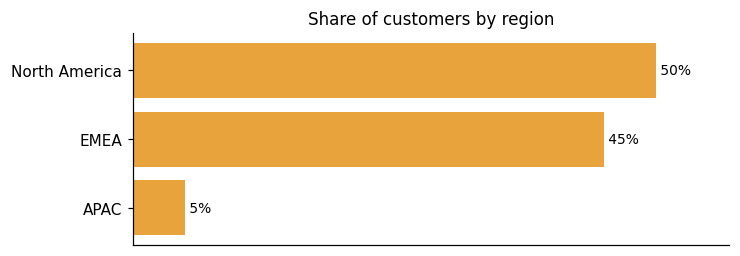
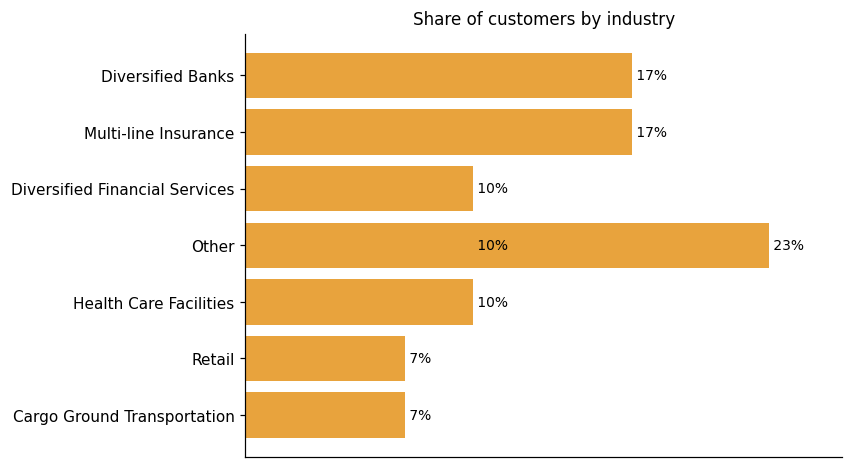
Representative customers: Avon, DMK Group, European railway operator, Fifth Third Bank, French retailer, Industrial Alliance, Insurance provider
How Ataccama ONE uses AI in practice
Ataccama ONE applies AI across discovery, classification, policy enforcement, data quality rule generation, and anomaly detection — while also delivering non-AI value in data cataloging, MDM, and integration pipelines. The vendor describes its AI Agent as autonomous. Ataccama states that it delivers AI-ready data 83% faster through an agentic data trust platform. Separately, AI-driven automation has reduced time spent on specific data management tasks by 40%.
Agentic AI
Read detailsAtaccama ONE's AI Agent acts as an autonomous digital data steward across the entire data estate. It auto-generates data quality rules, enforces policies, classifies data, detects anomalies, and recommends fixes. Ataccama ONE describes this as operating with minimal human intervention.
Anomaly / Pattern Detection
Read detailsAtaccama ONE uses AI to automatically detect anomalies and data drift as new data is processed. When a problem surfaces, the platform can send timely alerts, halt processing, or trigger remediation actions.
Recommendation / Matching
Read detailsAtaccama ONE uses machine learning models to suggest new potential record matches or splits for MDM and customer 360 use cases. The models learn from every user resolution, continuously improving matching accuracy over time.
Predictive ML
Read detailsAtaccama ONE uses AI to automate three connected tasks: data classification, integration pipeline generation, and data quality automation. The system learns from existing rules, patterns, and data. That learning is what drives the automation — and what cuts down the manual effort teams would otherwise spend on routine data management work.
Generative AI
Read detailsAtaccama Cloud delivers Generative AI features through seamless upgrades on its managed cloud platform.
Ataccama ONE pricing and value: what the evidence shows
Ataccama ONE does not publish pricing openly, so budget conversations happen directly with Ataccama. What buyers do have on record are two concrete financial outcomes from one customer: $50 million in savings through data reuse and removing redundant systems and databases, and $25 million in savings by reducing data preparation times for AI teams. That same engagement consolidated 5.7 million customer records into a single MDM hub and unified dealer data across 30 disparate systems. Ataccama ONE is available across three solution categories — Data Governance Solutions, Data and Analytics Governance Platforms, and Master Data Management Solutions — so the licensing conversation will reflect which combination of capabilities a buyer needs.
ROI evidence from 1 customers
Time-to-value: what implementations take
- the problem-finding process for users within 2 weeks of implementation
- Within 12 months, Catherine, team of one, onboarded the following assets into Teranet's data catalog
- Ataccama ONE onboarded 54 mission-critical, intertwined business systems in 12 months
- the problem-finding process for users within 2 weeks of implementation. It enabled people to scrutinize data quality scores at a column level
- The implementation was completed within a strict six-month deadline, despite the complexity of migrating CRM, enterprise data warehouse (Snowflake), and integration layers simultaneously
- Fast implementation of new rules: In the course of one day, several new rules can be implemented and the results seen immediately.
Who it fits: value by company size
Ataccama ONE has been deployed across a range of team sizes. At Teranet, a team of one was able to onboard assets into the data catalog within 12 months. A government healthcare customer ran their program with a small data governance team of 5, relying on hands-on implementation assistance to meet their timeline. A UK banking group selected Ataccama as its enterprise-wide data quality solution in 2019. On the licensing side, at least one customer has said that having concurrent user usage licenses would be ideal, which is worth factoring in when evaluating total cost for teams where multiple users need access at the same time.
No dedicated pricing page detected; pricing is undisclosed on the vendor site.
Ataccama ONE enterprise readiness: security, compliance, migration, and support
Ataccama ONE addresses enterprise readiness across four dimensions: security, compliance, migration, and customer support. These are the areas where buying teams evaluating Ataccama ONE for Data Governance Solutions, Data and Analytics Governance Platforms, or Master Data Management Solutions can expect coverage when assessing the platform for large-scale deployment.
Security controls and assurance
Ataccama ONE takes a risk-based approach to security across its operations, backed by annual independent audits covering SOC 2 Type II, ISO 27001, and ISO 9001. The certifications held include ISO 9001:2015, ISO/IEC 27001:2022, SOC 1 Type II, and SOC 2 Type II. Beyond the audit cycle, the product maintains continuous vulnerability scans and penetration tests as part of its ongoing vulnerability management program. Customer data protection rests on a combination of technical and organizational measures covering confidentiality, integrity, and availability. For its Security and compliance capability, Ataccama Cloud is positioned for secure, compliant use around the globe, kept current with evolving best practices and regulations.
Compliance and data protection
Ataccama ONE holds ISO 9001:2015 and ISO/IEC 27001:2022 certifications, and has completed a SOC 2 Type II audit that includes an independent assessment of controls. That audit is mapped to both GDPR and HIPAA requirements, covering areas such as data minimization, access restrictions, and secure data disposal for GDPR, and administrative, physical, and technical safeguards for PHI under HIPAA. On the regulatory side, Ataccama ONE complies with GDPR for EU personal data protection and with CCPA for California residents, upholding rights to access, delete, and opt out of the sale of personal data. For financial services, the platform aligns with DORA, supporting EU financial institutions in meeting ICT risk management and operational resilience requirements through audit-ready processes and transparent ICT practices.
Migration from competing platforms
Migrating from legacy data management platforms carries real complexity. Those platforms were built by acquisition, not design, leaving behind fragmented systems that slow teams trying to deliver trusted, AI-ready data. Ataccama ONE addresses this through a partnership with Cognizant and a dedicated accelerator called ONE Bridge. ONE Bridge is designed to automate up to 40% of migration effort, with a stated goal of launching MVPs in weeks rather than months. The accelerator is also positioned to ensure business continuity through the transition. The documented migration support covers the move from legacy systems to Ataccama ONE, with Cognizant's certified experts involved in delivery.
Customer support experience
Ataccama ONE's support posture leans toward partnership rather than ticket-and-close service. Customers describe being added to the product vision, with their needs and problems in the data domain actively heard. T-Mobile puts it directly: there's a genuine belief of shared responsibility of success — something they contrast with the transactional behavior they see from other vendors. That orientation shows up at scale too: Ataccama ONE has provided support across 65+ projects. On compliance, certifications such as ISO 27001 and ISO 9001 are backed by publicly shareable documents available directly from the Trust Center. More sensitive reports like SOC 2 Type II are available on request through an Ataccama representative. For teams running on the cloud-managed platform, the environment can be accessed in a couple of minutes, with platform operations handled by Ataccama so teams can focus on data management work.
Ataccama ONE vs. Informatica, Alation and other platforms
Ataccama ONE competes in the Data and Analytics Governance Platforms category, which covers integrated capabilities that help business leaders and users set, monitor, and enforce governance policies across their organization's systems — distinct from data management, which focuses on policy execution rather than policy setting. Within this category, Ataccama ONE covers a range of core governance capabilities. It identifies patterns, anomalies, and issues in data and measures quality dimensions such as accuracy and completeness through dedicated profiling capability. It enables cataloging of data assets, defining ownership, and ensuring consistency with automated data discovery across the environment. Its multidomain MDM solution delivers a holistic view of master data with data quality integration, supporting matching and merging of master data entities. It also centralizes business terms, hierarchies, and rules, and automates their use for consistent understanding across the organization. The comparison that follows shows where Ataccama ONE, Informatica, and Alation differ most — it is a differentiation view, not a complete feature-by-feature breakdown, and should be read with that scope in mind. Where the evidence shows Ataccama ONE trailing the category, those differences are visible in the table ratings rather than restated here as qualitative judgments.
Data and Analytics Governance Platforms
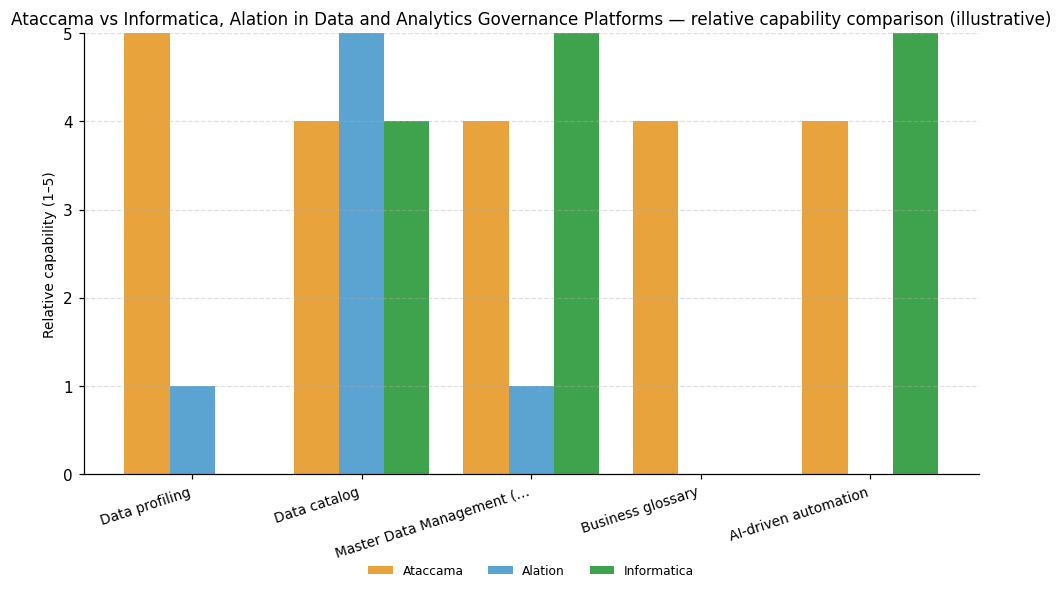
| Capability | Ataccama | Informatica | Alation |
|---|---|---|---|
| Data profiling | 5 | — | 1 |
| Data catalog | 4 | 4 | 5 |
| Master Data Management (MDM) | 4 | 5 | 1 |
| Business glossary | 4 | — | — |
| AI-driven automation | 4 | 5 | — |
Ataccama
Data profiling: Identifies patterns, anomalies, and issues in data and measures quality dimensions such as accuracy and completeness through dedicated profiling capability.; Data catalog: Enables cataloging of data assets, defining ownership, and ensuring consistency with automated data discovery across the environment.; Master Data Management (MDM): Multidomain MDM solution delivers holistic view of master data with data quality integration, supporting matching and merging of master data entities.; Business glossary: Centralizes business terms, hierarchies, and rules, and automates their use for consistent understanding across the organization.; AI-driven automation: AI-driven automation reduces time on data management tasks by automating complex operations such as identifying data, creating DQ rules, and policy enforcement.
Informatica
Data catalog: Comprehensive data cataloging complemented by CLAIRE GPT for natural language interaction with catalog assets.; Master Data Management (MDM): Comprehensive MDM and data integration capabilities including matching, linking, and merging complemented by CLAIRE AI automation.; AI-driven automation: CLAIRE GPT enables natural language data management task execution and CLAIRE AI automates data management tasks and processes across IDMC.
Alation
Data catalog: Over 10 years as a data catalog vendor with strong inventorying of data assets across more than 100 data sources.



Connect Ataccama ONE with your stack: integrations and partner ecosystem
Ataccama ONE supports 12 native integrations and 85 integration partnerships spanning 51 partner categories. Those categories range from cloud data warehouse to project management and issue tracking to Accounting Services.
Ataccama ONE connects to operational systems, AI workloads, and organization-wide catalogs through a range of integration mechanisms. Real-time delivery to operational platforms happens through web services, streaming, and messaging via online APIs. Data products can reach systems and AI workloads through API, MCP Server, or scheduled exports, and those products can also be published to the catalog for broader discovery. The architecture is built for scale: it can handle billions of records and millions of API calls efficiently, maintaining performance during high-demand periods such as post-merger integration. For its hybrid data processing capability, Ataccama ONE is designed to connect to all your systems, no matter the location, maximizing data processing performance wherever those systems sit.
| Partner category | Integration partners | Native count | Flow direction |
|---|---|---|---|
| cloud data warehouse | Snowflake, Google BigQuery, Azure Synapse Analytics | 1 | Bidirectional, Upstream |
| project management and issue tracking | Jira | 1 | Bidirectional |
| Accounting Services | Love Your Accountants | 0 | Unknown |
| Big Data Platform | Cloudera, Hortonworks, MapR Technologies | 0 | Unknown |
| Business Consulting | 1 and One Consulting, Adastra, Adastra Business Consulting, Apgar, Apgar Consulting, Business & Decision Benelux, Emisha, Indegene, Saracus Consulting, Systemation, VIQTOR DAVIS, element61 | 0 | Unknown |
| Business Intelligence | GoodData, ThoughtSpot | 0 | Unknown |
| Cloud Consulting | Servian | 0 | Unknown |
| Data Connectivity Software | CData Software | 0 | Unknown |
| Data Consulting | DATA HORIZON Co.,Ltd., Data Meaning, Global Data Strategy, Incept Data Solutions, ThinkBig Analytics | 0 | Unknown |
| Data Governance | Alation, Collibra | 0 | Unknown |
| Data Integration Software | Adeptia | 0 | Unknown |
| Data Lineage Software | MANTA | 0 | Unknown |
| Data Platform | LumenData | 0 | Unknown |
| Data Quality Software | GBG Loqate | 0 | Unknown |
| Data Science Platform | Dataiku | 0 | Unknown |
| Data Warehouse Platform | Teradata | 0 | Unknown |
| Database Consulting | SQL SERVER MASTERS | 0 | Unknown |
| Database Software | MySQL, PostgreSQL Global Development Group | 0 | Unknown |
| Digital Agency | Eon Collective, Fresh Gravity | 0 | Unknown |
| Enterprise Software | Infor Hospitality, Oracle, SAP | 0 | Unknown |
| IT Services | CGI, DXC Technology, InterWay, NNIT, Princeton IT Services, Inc, Royal Cyber, UST, Wipro | 0 | Unknown |
| IT Staffing | Apex Systems LLC | 0 | Unknown |
| IT consulting | ARHIS | 0 | Unknown |
| IT consulting and professional services | Capgemini, Cognizant, Tata Consultancy Services | 0 | Unknown |
| Identity & Access Management | Okta, SecureAuth | 0 | Unknown |
| Integration & Analytics Software | TIBCO | 0 | Unknown |
| Log Aggregation Software | Fluentd | 0 | Unknown |
| Log Analytics & Monitoring | Splunk | 0 | Unknown |
| Management Consulting | Accenture | 0 | Unknown |
| Marketing Software | Badgeville | 0 | Unknown |
| Monitoring & Visualization | Grafana Labs | 0 | Unknown |
| Monitoring Software | Prometheus | 0 | Unknown |
| NoSQL database | Apache Cassandra | 1 | Upstream |
| Other | Arkho, Ascention Pty Ltd, I&I Software, Teranet, Theta, Viamedici, Viamedici Software | 0 | Unknown |
| Private Equity | Bain Capital | 0 | Unknown |
| SQL query engine | Apache Impala | 1 | Upstream |
| Search & Analytics Platform | Elastic | 0 | Unknown |
| Telecommunications | Intracom Telecom | 0 | Unknown |
| business intelligence | Looker, Power BI, Qlik, Tableau | 0 | Downstream |
| cloud and enterprise software | Microsoft | 0 | Bidirectional |
| cloud platform | Amazon Web Services | 0 | Bidirectional |
| data and AI platform | Databricks | 0 | Bidirectional |
| data catalog | Atlan | 0 | Bidirectional |
| data file format | Apache ORC | 1 | Upstream |
| data serialization format | Apache Avro | 1 | Upstream |
| data transport protocol | Arrow Flight SQL | 0 | Upstream |
| data warehouse | Apache Hive | 1 | Upstream |
| distributed SQL database | CockroachDB | 1 | Upstream |
| distributed data processing | Apache Hadoop, Apache Spark | 2 | Upstream |
| no-code database and collaboration | AirTable | 1 | Bidirectional |
| professional services | Deloitte | 0 | Unknown |
| relational database | Apache Derby | 1 | Upstream |
What's new in Ataccama ONE
Ataccama ONE is an active platform: in the past nine months it has shipped six product updates and announced three partnerships or integrations, while also collecting seven awards over the past two years. Those updates span its Data Governance Solutions, Data and Analytics Governance Platforms, and Master Data Management Solutions categories.
Ataccama Launches Agentic Data Observability to Extend Data Trust Platform
Ataccama has announced an expansion of Ataccama ONE with a new data observability capability. The company calls this addition "Agentic Data Observability," and the vendor's own characterization frames the "agentic" nature of the feature as a core part of its identity — though what that means in practice is described by Ataccama as extending its data trust platform rather than verified behavior observed independently.
Read more →Ataccama and Cognizant accelerate legacy data migrations by up to 40% with ONE Bridge
Ataccama and Cognizant have partnered to accelerate legacy data migrations, combining their capabilities through ONE Bridge to cut migration time by up to 40%.
Read more →Ataccama launches Agentic data trust platform, powered by an autonomous AI agent that delivers AI-ready data 83% faster
Ataccama has launched what it calls an Agentic data trust platform, described by the vendor as powered by an autonomous AI agent. The platform is positioned as delivering AI-ready data 83% faster. This launch sits within Ataccama ONE's coverage of Data Governance Solutions, Data and Analytics Governance Platforms, and Master Data Management Solutions.
Read more →Recent awards for Ataccama ONE
Ataccama ONE has received 7 awards in the last 24 months, spanning analyst recognition and independent research across data quality, data governance, and generative AI categories.
- 2024 Gartner Innovation Guide for Generative AI Technologies (2024-12-31) →
- 2026 Gartner Magic Quadrant for Augmented Data Quality Solutions (2025-12-31) →
- BARC Data Intelligence Platform Report 2025 (2025-12-31) →
- Champion in Data Governance Market Update 2024 (2024-12-31) →
- GartnerⓇ Magic Quadrant for Data and Analytics Governance (2024-12-31) →
- Leader in Data Quality Solutions Report by Independent Research Firm (2025-12-31) →
- Leader in data observability (2024-12-31) →
Ataccama brings data trust to Apache Ossie, enabling AI agents to verify data quality before acting
Ataccama has introduced an open-source converter for Apache Ossie, enhancing data trust by enabling AI agents to verify data quality before acting. This integration allows AI to access data quality signals across platforms, ensuring reliable data usage. The converter supports semantic layers, aiding AI in making informed decisions by understanding data context and quality.
Ataccama brings data trust to Apache Ossie, enabling AI agents to verify data quality before acting - The Manila Times
Ataccama has open-sourced a converter for Apache Ossie, enhancing AI agents' ability to verify data quality. This integration allows AI and analytics tools to understand and assess enterprise data reliability, ensuring consistent data quality signals across platforms. The converter supports AI in making informed decisions by embedding trust signals directly into the semantic layer.
Ataccama names Systemation an authorized distributor across the Benelux - GlobeNewswire
Ataccama has appointed Systemation as its authorized distributor in the Benelux region, expanding their partnership to enhance data management and AI initiatives. Systemation will recruit and train resellers and implementation partners, providing technical support and consulting services to improve data quality and governance for AI projects.
Ataccama Corporation. Profile
Company Name
Ataccama Corporation.
Company Website
https://www.ataccama.com/HQ Location
140 Broadway, 46th Floor New York City, NY 10005
Employees
51-100
Social


Financials
PRIVATE