

Acrolinx Overview
Acrolinx enhances content marketing by aligning writing standards with organizational goals. It leverages generative AI to ensure compliance and reduce risks, making it ideal for businesses aiming to maintain consistent messaging across various platforms. Acrolinx integrates seamlessly into existing workflows, allowing teams to produce high-quality content efficiently. This tool is crucial for industries where precise language and adherence to standards are paramount, such as legal, healthcare, and finance. A notable feature is its ability to scale content creation without compromising quality, which can significantly benefit large enterprises managing extensive content libraries.
Use Cases
Customers recommend Content Management, Sending & Publishing Communications, Engaging And Following Up, as the business use cases that they have been most satisfied with while using Acrolinx.
Business Priorities
Enhance Customer Relationships and Acquire Customers are the most popular business priorities that customers and associates have achieved using Acrolinx.
Acrolinx Use-Cases and Business Priorities: Customer Satisfaction Data
Acrolinx's features include Personalization. and Acrolinx support capabilities include AI Powered, 24/7 Support, Chat Support, etc. also Acrolinx analytics capabilities include Analytics, and Custom Reports.
Reviews
"...Engage them with consistent, clear, and effective content on all interaction channels...." Peer review from Featured Customers
Peer review evidence (same sources as the product rating summary)
"...This article provides advice on how to create content marketing strategies that protect brand values while bringing together disparate parts of an M&A puzzle...." News Archive
"...Before publishing, customers can see how well a piece of content will perform against competitors. ..." Acrolinx and MarketMuse Announce Integrated Functionality to Increase Users ROI on Content
"...Build marketing content that engages your audience and accurately reflects your brand and strategy. ..." Integrations Archive
Acrolinx, Kotobee Author, Orangedox, Mimeo, Octiv, etc., all belong to a category of solutions that help Content Marketing. Each of them excels in different abilities. Therefore, determining the best platform for your business will depend on your specific needs and requirements.
Acrolinx helps analyze content performance by linking quality metrics to business goals. Understanding these metrics can be challenging but is simplified with Acrolinx.
Popular Business Setting
for Acrolinx
Top Industries
- Information Technology and Services
Popular in
- Small Business
- Large Enterprise
Acrolinx is popular in Information Technology And Services, and is widely used by Small Business, and Large Enterprise,
Acrolinx Customer wins, Customer success stories, Case studies
What Are the key features of Acrolinx for Content Management?
How can Acrolinx enhance your Sending & Publishing Communications process?
What benefits does Acrolinx offer for Engaging And Following Up?
Why is Acrolinx the best choice for Digital Marketing?
GROB Group - Manufacturing - Large
Siemens Healthineers - Hospital & Health Care - Very Large
Siemens Power Generation Services - Manufacturing - Very Large
How the Acrolinx AI Assistant and Get Suggestions Capabilities Help Enterprises with Generative AI
Frequently Asked Questions (FAQ)
What buyers ask before choosing Acrolinx
Integrations What CRM integrations are available for Acrolinx?
Acrolinx offers several CRM integrations to enhance content governance and management within your existing workflows. Notably, Acrolinx integrates with platforms like Slack, allowing teams to collaborate effectively while ensuring content quality. Additionally, it supports integration with SharePoint, which facilitates seamless content management and compliance within enterprise environments. While specific CRM integrations are not detailed in the provided context, Acrolinx's capabilities can be extended through its general integration features, which may include connections to popular CRM systems like Salesforce and HubSpot. These integrations enable businesses to maintain consistent messaging and adhere to style guidelines across all customer interactions, ultimately improving communication and brand coherence.
Integrations How does Acrolinx connect with Salesforce and HubSpot?
Acrolinx connects with Salesforce and HubSpot through its integration capabilities, allowing businesses to enhance their content governance processes within these popular CRM and marketing platforms. By integrating with Salesforce, Acrolinx helps ensure that sales and marketing teams maintain consistent messaging and terminology across customer communications, improving overall content quality and customer trust. Similarly, the integration with HubSpot enables users to streamline their content creation and management workflows, ensuring that marketing materials adhere to established style guidelines and terminology standards. This seamless connection allows organizations to leverage Acrolinx's AI-driven insights to optimize their content strategy, ultimately driving better engagement and conversion rates. For more details on these integrations, you can visit Acrolinx's official website.
Integrations What are the setup steps for integrating Acrolinx with Marketo?
To integrate Acrolinx with Marketo, start by ensuring you have administrative access to both platforms. First, log into your Acrolinx account and navigate to the integrations section to find the Marketo integration option. Follow the prompts to authenticate your Marketo account by entering your Marketo credentials. Once authenticated, configure the integration settings, which may include selecting specific content types or workflows you want Acrolinx to analyze within Marketo. After setting your preferences, save the configuration and test the integration to ensure that content is flowing correctly between Acrolinx and Marketo. Finally, monitor the integration for any issues and adjust settings as necessary to optimize performance. This integration allows for enhanced content governance and optimization directly within your marketing workflows.
Integrations Is there an API access for Acrolinx integrations, and how does it work?
Yes, Acrolinx offers API access for integrations, allowing businesses to seamlessly connect the platform with their existing tools and workflows. The API enables users to integrate Acrolinx's content governance capabilities into various applications, enhancing content quality and compliance across different platforms. By utilizing the API, organizations can automate content checks, retrieve insights, and apply Acrolinx's linguistic analysis directly within their content management systems or authoring tools. This integration capability is particularly beneficial for companies looking to maintain consistent terminology and writing standards across multiple content types. For specific integration examples, Acrolinx supports connections with platforms like SharePoint and Slack, making it easier for teams to collaborate and ensure high-quality content production.
Integrations What is the data flow between Acrolinx and other content management systems?
The data flow between Acrolinx and other content management systems (CMS) involves seamless integration that enhances content quality and consistency. Acrolinx connects with various authoring tools and CMS platforms, allowing users to import content for analysis and optimization. Once content is loaded into Acrolinx, its AI-driven algorithms assess terminology, grammar, style, and compliance with brand standards. After the analysis, users receive actionable feedback and suggestions to improve their content. Once revisions are made, the optimized content can be exported back to the original CMS, ensuring that all updates are reflected in the final documents. This integration streamlines the content creation process, reduces manual editing, and ultimately leads to higher-quality outputs, as demonstrated by companies like Siemens and SAP that have successfully utilized Acrolinx to enhance their documentation and product content.
Integrations Are there any limitations to Acrolinx's integrations with third-party tools?
Acrolinx offers a range of integrations with third-party tools, including popular platforms like Slack, SharePoint, and various content management systems. However, limitations may arise depending on the specific tool and the extent of integration capabilities. For instance, while Acrolinx can enhance content quality and consistency across integrated platforms, users might encounter challenges with real-time editing features or automated consistency checks if the third-party tool does not fully support these functionalities. Additionally, the effectiveness of integrations can vary based on the complexity of the content being managed and the specific workflows of the organization. Therefore, it's essential for businesses to evaluate their unique needs and the compatibility of Acrolinx with their existing tools to ensure a seamless integration experience.
Integrations Are there any limitations to the integrations available for Acrolinx?
Acrolinx offers several integrations to enhance its enterprise content governance capabilities, including integrations with platforms like Slack, SharePoint, and various content management systems. However, potential limitations may arise from the specific functionalities available within these integrations, as they may not cover all use cases or workflows that a business might require. Additionally, the effectiveness of these integrations can depend on the existing infrastructure and the level of customization needed for seamless operation. Businesses should evaluate their specific needs against the capabilities of Acrolinx's integrations to ensure they align with their content governance objectives. For detailed information on available integrations and their functionalities, visiting the Acrolinx website or consulting their support resources is recommended.
Features What does Acrolinx's content optimization feature do?
Acrolinx's content optimization feature is designed to enhance the quality and consistency of enterprise content by leveraging advanced AI capabilities. This feature analyzes written content against predefined guidelines, ensuring that it adheres to brand standards, terminology, and compliance requirements. By providing real-time feedback and suggestions, Acrolinx helps content creators improve clarity, engagement, and effectiveness, ultimately leading to better communication with target audiences. The business value lies in its ability to streamline content creation processes, reduce translation costs, and enhance overall content governance across global teams. This results in a more efficient workflow and higher-quality outputs, which can significantly impact brand perception and customer satisfaction.
Features How do I use the linguistic analytics feature in Acrolinx?
To use the linguistic analytics feature in Acrolinx, start by integrating the software with your existing content management systems or writing tools to ensure seamless access to your content. Once integrated, you can upload or connect your documents to Acrolinx, which will analyze the text for linguistic quality, consistency, and compliance with your established style guides. The platform provides real-time feedback and suggestions for improvement, helping you enhance clarity and coherence. You can also customize the analytics settings to focus on specific linguistic aspects relevant to your business needs. Regularly review the analytics reports generated by Acrolinx to track progress and identify areas for further enhancement, ultimately improving the overall quality of your content across departments.
Features What is the purpose of the style guide enforcement feature in Acrolinx?
The style guide enforcement feature in Acrolinx is designed to ensure that all written content adheres to a predefined set of stylistic and linguistic standards, which is crucial for maintaining brand consistency and clarity across various documents. This feature analyzes text against established guidelines, flagging deviations in tone, terminology, and formatting. By automating the enforcement of style rules, Acrolinx helps organizations like Siemens and SAP produce high-quality, uniform content that resonates with their audience and enhances customer trust. The business value lies in reducing manual editing efforts, improving collaboration among teams, and ultimately delivering a more professional and cohesive brand image, which can lead to better customer engagement and satisfaction.
Features What is style guide enforcement in Acrolinx and how does it work?
Style guide enforcement in Acrolinx refers to the process of ensuring that all written content adheres to a predefined set of guidelines and standards, which is crucial for maintaining brand consistency and clarity across various documents. Acrolinx achieves this by utilizing its AI-powered platform to analyze content in real-time, checking for compliance with specific style rules, terminology, and writing conventions. When writers create or edit documents, Acrolinx provides immediate feedback and suggestions, helping them align their work with the established style guide. This not only enhances the quality and coherence of the content but also streamlines the writing process, reducing the time spent on revisions. By implementing style guide enforcement, organizations can improve their content quality, foster better communication, and build trust with their audience.
Features How can I configure automated consistency checks in Acrolinx?
To configure automated consistency checks in Acrolinx, start by accessing the Acrolinx dashboard and navigating to the "Settings" section. Here, you can define the specific terminology and style guidelines that you want the system to enforce across your content. Utilize the "Content Strategy" feature to set up rules for consistency checks, ensuring that the terminology used aligns with your organization's standards. You can also integrate Acrolinx with your authoring tools through the integration API, allowing for real-time editing and feedback. Once configured, Acrolinx will automatically analyze your content against these parameters, flagging inconsistencies and providing suggestions for improvement, which enhances overall content quality and coherence across your teams.
Features How can I configure the writing enhancement tools in Acrolinx?
To configure the writing enhancement tools in Acrolinx, start by accessing the Acrolinx dashboard and navigating to the "Settings" section. Here, you can customize various parameters such as style guides, terminology, and content quality metrics to align with your organization's specific writing standards. You can also integrate Acrolinx with your existing authoring tools, ensuring seamless functionality across platforms. Once your settings are adjusted, utilize the "Content Optimization" feature to analyze your documents in real-time, receiving actionable feedback on writing style, clarity, and consistency. Regularly review and update your configurations based on user feedback and evolving content needs to maximize the effectiveness of Acrolinx's writing enhancement tools.
Features What functionality does the real-time editing feature provide in Acrolinx?
The real-time editing feature in Acrolinx enhances the content creation process by providing immediate feedback and suggestions as users write. This functionality allows writers to see how their text aligns with established style guides, terminology, and compliance standards, ensuring consistency and quality throughout the document. As users type, Acrolinx's AI-driven platform analyzes the content for clarity, tone, and adherence to brand guidelines, enabling quick adjustments and improvements. This not only streamlines the editing process but also reduces the time spent on revisions, allowing teams to produce high-quality content more efficiently. By integrating with various authoring tools, Acrolinx ensures that real-time editing is seamlessly incorporated into existing workflows, ultimately enhancing overall productivity and content effectiveness.
Features What functionality does Acrolinx provide for managing terminology?
Acrolinx provides robust functionality for managing terminology, enabling organizations to unify language and ensure consistency across their content. The platform acts as a centralized terminology database, allowing users to manage and standardize terms effectively. For instance, SICK AG utilizes Acrolinx to oversee over 19,000 terms, which helps eliminate inconsistencies and translation issues across departments. This functionality not only streamlines the content creation process but also enhances the quality of communications, particularly in global marketing efforts. By ensuring that all users adhere to the same terminology, Acrolinx reduces translation costs and minimizes ambiguity, ultimately leading to clearer and more effective documentation and marketing materials.
Features How do I set up the feedback loop feature in Acrolinx?
To set up the feedback loop feature in Acrolinx, first ensure you have administrative access to the Acrolinx platform. Navigate to the settings menu and select the "Feedback Loop" option. Here, you can configure the parameters for collecting feedback from users, such as defining the types of content to monitor and the specific metrics you want to track. Next, integrate the feedback loop with your existing authoring tools to facilitate seamless communication between writers and the Acrolinx system. Once configured, encourage your team to provide feedback on content suggestions and guidelines, which will help improve the AI's performance over time. Regularly review the collected feedback to make necessary adjustments to your content governance strategy, ensuring continuous improvement in content quality and consistency.
Features How do I set up workflows for content compliance in Acrolinx?
To set up workflows for content compliance in Acrolinx, start by defining your content standards and guidelines that align with your organization's compliance requirements. Next, access the Acrolinx dashboard and navigate to the workflow settings. Here, you can create custom workflows by selecting the specific content types and compliance checks you want to enforce, such as terminology consistency or style adherence. Assign roles to team members who will be responsible for reviewing and approving content at various stages. Utilize Acrolinx's integration capabilities with your existing authoring tools to streamline the process, ensuring that content is checked in real-time as it is created. Finally, monitor the workflow performance through Acrolinx's analytics to identify areas for improvement and ensure ongoing compliance with your standards.
ROI & pricing What measurable business outcomes can Acrolinx deliver for my organization?
Acrolinx can deliver significant measurable business outcomes for your organization by enhancing content quality, consistency, and efficiency across teams. For instance, companies like Rockwell Automation have reported reduced translation costs and faster processes, enabling them to analyze 2 million words monthly with improved content quality. Siemens Power Generation Services experienced standardized terminology and writing style, leading to measurable gains in documentation clarity. Additionally, SICK AG centralized its terminology management, resulting in improved content quality for global marketing and reduced translation expenses. By automating checks for terminology, spelling, grammar, and style, Acrolinx helps organizations like SAP create more readable and trustworthy content, ultimately fostering better customer engagement and satisfaction. These outcomes contribute to streamlined operations, reduced costs, and enhanced brand reputation.
ROI & pricing What measurable business value can Acrolinx provide for my organization?
Acrolinx delivers measurable business value by enhancing content quality, consistency, and efficiency across organizations. By utilizing its AI-driven platform, companies can standardize terminology and writing styles, which leads to improved clarity in documentation and marketing materials. For instance, Rockwell Automation experienced faster and more cost-effective translations across 17 languages, while Siemens Power Generation Services saw significant gains in documentation quality. Additionally, SICK AG centralized its terminology management, reducing translation costs and improving content quality for global marketing efforts. With Acrolinx, organizations can analyze millions of words monthly, ensuring that their content meets high standards, ultimately driving better customer engagement and reducing operational costs.
ROI & pricing How does Acrolinx contribute to cost savings and improved ROI for businesses?
Acrolinx contributes to cost savings and improved ROI for businesses by streamlining content creation and management processes, which reduces the time and resources spent on translation and editing. For instance, companies like Rockwell Automation and DAF Trucks have reported significant reductions in translation costs and improved content quality through the platform's ability to manage terminology and optimize source content. By ensuring consistency and clarity across global teams, Acrolinx minimizes the risk of errors and miscommunication, which can lead to costly revisions and customer dissatisfaction. Additionally, the integration of Acrolinx with various authoring tools enhances productivity, allowing teams to focus on strategic initiatives rather than manual content checks. Overall, these efficiencies translate into measurable financial benefits, making Acrolinx a valuable investment for organizations looking to enhance their content governance.
ROI & pricing How does Acrolinx impact ROI and cost savings for businesses?
Acrolinx significantly impacts ROI and cost savings for businesses by optimizing content quality and streamlining translation processes. For instance, Rockwell Automation leveraged Acrolinx to manage terminology and enhance source content, resulting in faster and more cost-effective translations across 17 languages. This efficiency allowed 75 users to analyze 2 million words monthly, improving content consistency and reducing operational costs. Similarly, Siemens Power Generation Services experienced measurable gains in documentation quality, which minimized errors and enhanced customer satisfaction. By standardizing terminology and writing style, Acrolinx not only reduces ambiguity and legal risks but also fosters more efficient workflows, ultimately leading to substantial savings and improved return on investment for organizations.
ROI & pricing What are the different pricing plans available for Acrolinx, and what do they include?
Currently, specific pricing plans for Acrolinx are not publicly detailed on their website or in available resources. Typically, Acrolinx operates on a subscription-based model, which may vary based on factors such as the number of users, features included, and the scale of deployment within an organization. The platform offers various capabilities, including content governance, compliance checks, and AI-driven content enhancement, which are likely bundled differently across plans. For precise pricing and to understand what each plan includes, it is recommended to contact Acrolinx directly or request a demo, as they can provide tailored information based on your organization's needs and usage requirements.
ROI & pricing What is the total cost of ownership for implementing Acrolinx in a business?
The total cost of ownership (TCO) for implementing Acrolinx in a business includes several components such as software licensing fees, implementation costs, training expenses, and ongoing maintenance. While specific pricing details are not publicly disclosed, businesses typically need to consider the initial investment for the software, which may vary based on the number of users and the scale of deployment. Additionally, organizations should account for the costs associated with integrating Acrolinx into existing workflows and systems, as well as any potential costs for updates or additional features. Training staff to effectively use Acrolinx can also contribute to the TCO. Ultimately, the TCO will depend on the unique needs and scale of the business, but investing in Acrolinx can lead to significant savings in translation costs and improved content quality over time.
ROI & pricing What is the total cost of ownership for implementing Acrolinx in a company?
The total cost of ownership (TCO) for implementing Acrolinx in a company includes several components such as software licensing fees, implementation costs, training expenses, and ongoing maintenance and support. While specific pricing details may vary based on the size of the organization and the number of users, companies typically need to consider the initial investment for setup and integration, which may involve customizing the platform to fit their content governance needs. Additionally, ongoing costs may include subscription fees for updates and support services. It's essential for businesses to conduct a thorough analysis of their content management requirements and consult with Acrolinx representatives to obtain a tailored quote that reflects their unique circumstances and expected usage. This comprehensive approach ensures that organizations can effectively budget for the long-term benefits of improved content quality and compliance.
ROI & pricing How quickly can I expect to see value from using Acrolinx after implementation?
After implementing Acrolinx, users can typically expect to see value within a few weeks to a couple of months, depending on the complexity of their content and the specific goals they aim to achieve. For instance, companies like Siemens Power Generation Services and Rockwell Automation reported measurable improvements in content quality and consistency shortly after integrating Acrolinx into their workflows. The platform's AI capabilities help standardize terminology and writing style, which can lead to faster and more efficient content creation processes. Additionally, as users become more familiar with the tool and its features, they often find that the benefits, such as reduced translation costs and improved clarity in documentation, continue to grow over time, enhancing overall content governance and strategy.
ROI & pricing What impact does Acrolinx have on revenue generation and content quality?
Acrolinx significantly impacts revenue generation and content quality by enhancing the consistency and clarity of enterprise content, which fosters greater customer trust and engagement. By automating checks for terminology, spelling, grammar, and style, Acrolinx ensures that all content adheres to brand standards, reducing the risk of miscommunication and legal issues. For instance, companies like SAP and Siemens have reported measurable improvements in content quality, leading to more effective customer interactions and streamlined processes. This not only lowers translation costs and minimizes ambiguity but also allows teams to focus on strategic initiatives rather than manual content checks. Ultimately, improved content quality translates into better customer experiences, which can drive higher sales and revenue growth for businesses leveraging Acrolinx's capabilities.
ROI & pricing What are the potential revenue impacts of using Acrolinx for content optimization?
Using Acrolinx for content optimization can significantly impact revenue by enhancing the quality and consistency of enterprise content, which in turn boosts customer trust and engagement. By automating checks for terminology, spelling, grammar, and style, Acrolinx ensures that content is not only compliant with brand standards but also more readable and appealing to the target audience. This improved content quality can lead to higher conversion rates, as customers are more likely to engage with clear and professional materials. Additionally, Acrolinx's capabilities in managing terminology and optimizing source content can streamline translation processes, reducing costs and time associated with multilingual content creation. Overall, the investment in Acrolinx can yield a strong return by driving better customer experiences and increasing operational efficiency, ultimately contributing to revenue growth.
Capabilities What content optimization features does Acrolinx offer?
Acrolinx offers a robust suite of content optimization features designed to enhance the quality and consistency of enterprise content. Key functionalities include linguistic analysis, which evaluates language use for clarity and effectiveness, and compliance checks that ensure content adheres to brand standards and regulatory requirements. The platform also provides a content inventory feature, allowing businesses to manage and assess their existing content assets effectively. Additionally, Acrolinx's new generative AI capabilities enable users to create optimized content by suggesting improvements and automating revisions, thereby streamlining the content creation process. These features collectively empower organizations to produce high-quality, compliant content that resonates with their target audience, ultimately driving better engagement and business outcomes.
Capabilities Can Acrolinx enforce style guides across multiple teams?
Yes, Acrolinx can effectively enforce style guides across multiple teams by utilizing its AI-based platform to standardize terminology and writing style. This capability is particularly beneficial for organizations with diverse teams, as it ensures that all content adheres to the same guidelines, enhancing clarity and consistency. For instance, companies like Siemens Power Generation Services and SAP have successfully implemented Acrolinx to automate checks for terminology, spelling, grammar, and style, guiding writers to follow detailed style rules. By integrating with various authoring tools, Acrolinx allows teams to maintain a unified voice and tone in their documentation, ultimately improving content quality and fostering trust with customers. This centralized approach not only streamlines the writing process but also reduces ambiguity and enhances overall communication across the organization.
Capabilities Does Acrolinx support real-time editing for collaborative writing?
Acrolinx does not specifically mention real-time editing capabilities for collaborative writing in its features. However, it does integrate with various authoring tools, which may allow teams to work together on content while utilizing Acrolinx's AI-driven content governance features. This integration can help ensure consistency and adherence to style guides during the writing process, even if real-time collaboration is not a core function. For teams looking for real-time editing capabilities, they might consider alternatives like Google Docs or Microsoft Word, which offer robust collaborative features. Ultimately, while Acrolinx enhances content quality and compliance, users may need to rely on other platforms for simultaneous editing.
Capabilities Can Acrolinx perform automated consistency checks on documents?
Yes, Acrolinx can perform automated consistency checks on documents, which is one of its core functionalities. This feature helps organizations maintain uniformity in terminology, style, and grammar across their content. By leveraging AI technology, Acrolinx scans documents to identify inconsistencies and provides real-time feedback to writers, ensuring that all materials adhere to established guidelines. This capability is particularly beneficial for companies like Siemens and SAP, which have utilized Acrolinx to enhance the quality and clarity of their documentation. As a result, businesses can improve customer trust and satisfaction by delivering high-quality, consistent content, ultimately streamlining their content creation processes and reducing manual editing efforts.
Capabilities What enterprise scalability options are available with Acrolinx?
Acrolinx offers robust enterprise scalability options designed to meet the needs of large organizations managing extensive content. The platform supports multiple users, as demonstrated by Rockwell Automation, which utilizes Acrolinx for 75 users analyzing 2 million words monthly, and DAF Trucks, where around 70 users manage 8,000 terms. Acrolinx's architecture allows for seamless integration with existing content management systems and tools, ensuring that enterprises can scale their content governance efforts without disruption. Additionally, the generative AI capabilities recently launched enhance content optimization and consistency across global teams, making it easier for enterprises to maintain high-quality standards as they grow. This scalability is crucial for organizations looking to improve efficiency and reduce costs in their content processes.
Capabilities Does Acrolinx provide linguistic analytics for content evaluation?
Yes, Acrolinx provides robust linguistic analytics specifically designed for content evaluation. This software leverages advanced linguistic analysis to assess the quality, consistency, and compliance of content against predefined style guides and terminology. By utilizing Acrolinx's linguistic analytics, businesses can ensure that their content meets specific standards, enhancing clarity and effectiveness across various communication channels. This capability is particularly valuable for organizations that operate globally, as it helps maintain a consistent brand voice and message while optimizing content for translation and localization. Ultimately, Acrolinx's linguistic analytics empower teams to produce high-quality content that resonates with their target audience, driving better engagement and results.
Use cases How can SDRs use Acrolinx to enhance the clarity and consistency of their sales documentation?
Sales Development Representatives (SDRs) can leverage Acrolinx to enhance the clarity and consistency of their sales documentation by utilizing its AI-driven platform to standardize terminology and writing style across all materials. By integrating Acrolinx with their existing authoring tools, SDRs can ensure that their sales documents, such as proposals, presentations, and email templates, adhere to a unified tone and style, which fosters trust and professionalism with potential clients. Acrolinx automates checks for grammar, spelling, and style, guiding SDRs to produce high-quality content that resonates with their audience. This not only improves the readability of sales documentation but also reduces ambiguity, ultimately leading to more effective communication and increased conversion rates.
Use cases What benefits does Acrolinx provide for marketers looking to unify brand messaging across multiple channels?
Acrolinx offers significant benefits for marketers aiming to unify brand messaging across multiple channels by providing a robust AI-driven content governance platform. It helps ensure consistency in terminology, tone, and style, which is crucial for maintaining a cohesive brand identity. By centralizing terminology management, Acrolinx allows teams to standardize language across various marketing materials, reducing the risk of mixed messages that can confuse customers. Additionally, the platform streamlines the content creation process, enabling faster and more efficient production of high-quality materials. This not only enhances the overall customer experience but also supports compliance with brand standards. Companies like SICK AG and Rockwell Automation have successfully leveraged Acrolinx to improve content quality and consistency, demonstrating its effectiveness in unifying brand messaging across diverse channels.
Use cases What specific workflows can marketers implement with Acrolinx to improve content quality across campaigns?
Marketers can implement several specific workflows with Acrolinx to enhance content quality across campaigns. First, they can establish a standardized terminology and style guide within Acrolinx, ensuring that all content aligns with brand voice and messaging. This can be integrated into the content creation process, allowing writers to receive real-time feedback on terminology, grammar, and style as they draft. Additionally, marketers can set up automated checks for deprecated terms and inconsistencies, streamlining the review process and reducing manual editing time. By utilizing Acrolinx's analytics features, teams can also track content performance and identify areas for improvement, enabling data-driven decisions for future campaigns. Overall, these workflows help create more consistent, high-quality content that resonates better with target audiences.
Use cases In what scenarios should RevOps teams implement Acrolinx to improve content quality and reduce translation costs?
RevOps teams should consider implementing Acrolinx in scenarios where content quality and consistency are critical, especially in organizations that operate globally and require translations into multiple languages. For instance, if a company faces high costs and slow processes in translating technical documentation or marketing materials, Acrolinx can streamline terminology management and optimize source content, leading to faster and less expensive translations. Additionally, if there are challenges with maintaining a consistent tone and style across various departments or teams, Acrolinx's AI-driven platform can standardize writing, ensuring clarity and reducing ambiguity. Companies like Rockwell Automation and DAF Trucks have successfully leveraged Acrolinx to enhance their content strategies, resulting in improved quality and reduced legal risks, making it a valuable tool for RevOps teams aiming to enhance operational efficiency and customer experience.
Use cases In what situations should RevOps teams consider using Acrolinx to standardize terminology in their reporting?
RevOps teams should consider using Acrolinx to standardize terminology in their reporting when they face challenges with inconsistent language across departments, which can lead to miscommunication and inefficiencies. For instance, if a company operates globally and produces reports in multiple languages, Acrolinx can centralize terminology management, ensuring that over 19,000 terms are consistently used across all documents. This is particularly beneficial for organizations like SICK AG and Rockwell Automation, which have successfully reduced translation costs and improved content quality by utilizing Acrolinx. Additionally, if the team is dealing with complex technical documentation or marketing materials, Acrolinx can enhance clarity and coherence, ultimately leading to better decision-making and a more unified brand voice.
Use cases How can sales leaders leverage Acrolinx to ensure their teams produce high-quality proposals and presentations?
Sales leaders can leverage Acrolinx to enhance the quality of proposals and presentations by utilizing its AI-driven content governance capabilities. By integrating Acrolinx with existing authoring tools, sales teams can ensure consistency in terminology, tone, and style across all documents. This platform provides real-time feedback and automated checks for grammar, spelling, and adherence to established style guidelines, which helps maintain a professional standard. Additionally, Acrolinx's terminology management feature allows teams to standardize key terms, reducing ambiguity and improving clarity in communication. By implementing these features, sales leaders can empower their teams to produce high-quality, cohesive proposals and presentations that resonate with clients and enhance overall brand credibility.
Use cases How does Acrolinx support sales leaders in maintaining a unified messaging strategy across global teams?
Acrolinx supports sales leaders in maintaining a unified messaging strategy across global teams by providing a centralized platform for managing terminology and content quality. By utilizing Acrolinx's AI-driven capabilities, organizations can ensure consistent language and messaging across various departments and regions, which is crucial for effective global marketing. For instance, companies like SICK AG and Rockwell Automation have leveraged Acrolinx to standardize their content, reducing translation costs and improving clarity. With over 19,000 terms managed for SICK AG and optimized source content for Rockwell Automation, sales leaders can confidently deliver coherent and aligned messaging that resonates with diverse audiences. This not only enhances brand integrity but also streamlines communication efforts, ultimately driving better sales outcomes.
Use cases What are the best practices for technical writers in manufacturing when using Acrolinx to standardize documentation?
When using Acrolinx to standardize documentation in manufacturing, technical writers should follow several best practices to maximize the platform's effectiveness. First, establish a clear style guide that outlines terminology, tone, and formatting preferences, ensuring all writers adhere to these standards. Utilize Acrolinx's AI capabilities to automate checks for consistency in terminology and writing style, which can significantly reduce manual editing time. Regularly review and update the terminology database to reflect any changes in products or processes, as seen with companies like Siemens and Wilo. Encourage collaboration among teams to share insights and feedback, fostering a unified approach to documentation. Lastly, leverage Acrolinx's integration with authoring tools to streamline the writing process, allowing writers to focus on content quality while maintaining efficiency.
Use cases What are the best practices for technical writers in manufacturing to adopt Acrolinx for improving documentation quality?
To effectively adopt Acrolinx for improving documentation quality in manufacturing, technical writers should start by familiarizing themselves with the platform's features, particularly its AI-driven capabilities for standardizing terminology and writing style. Establish a clear terminology database that reflects the specific language used in your industry, as seen with companies like Siemens and SICK AG, which successfully managed thousands of terms. Encourage collaboration among teams to ensure consistency across all documentation, leveraging Acrolinx's integration with various authoring tools to streamline workflows. Regularly review and update content to flag deprecated terms and enhance accuracy, as demonstrated by Wilo. Finally, provide training sessions for users to maximize the tool's potential, ensuring that all writers are aligned on best practices for clarity and consistency in technical documentation.
Use cases How does Acrolinx support global marketing teams in managing terminology and improving content quality?
Acrolinx supports global marketing teams by providing a centralized platform for managing terminology and enhancing content quality across multiple languages. By acting as a comprehensive terminology database, Acrolinx allows teams to standardize over 19,000 terms, ensuring consistency and clarity in messaging. This is particularly beneficial for companies like SICK AG and Rockwell Automation, which faced challenges with inconsistent content and high translation costs. Acrolinx automates checks for terminology, spelling, grammar, and style, guiding writers to adhere to established guidelines, which improves the overall readability and professionalism of marketing materials. As a result, teams can produce high-quality content more efficiently, reducing manual editing time and costs while enhancing the customer experience across global markets.
Use cases How can companies in industrial automation leverage Acrolinx to streamline their translation processes and reduce costs?
Companies in industrial automation can leverage Acrolinx to streamline their translation processes and reduce costs by utilizing its AI-driven platform to manage terminology and optimize source content. For instance, Rockwell Automation faced high translation costs and slow processes when translating content into 17 languages. By implementing Acrolinx, they improved content quality and consistency, enabling 75 users to analyze 2 million words monthly, which significantly sped up translations and lowered expenses. Similarly, SICK AG centralized their translations and managed over 19,000 terms, resulting in reduced translation costs and improved content quality for global marketing. By ensuring consistent terminology and clear communication, Acrolinx helps industrial automation companies enhance efficiency and minimize ambiguity in their documentation, ultimately leading to cost savings and better operational performance.
Alternatives How does Acrolinx compare to WhiteSmoke in terms of writing enhancement features?
Acrolinx and WhiteSmoke both offer writing enhancement features, but they cater to different needs and audiences. Acrolinx focuses on enterprise content governance, providing AI-driven tools that ensure consistency in terminology, style, and compliance across large organizations. It integrates seamlessly with various authoring tools, making it ideal for teams that require standardized content across multiple departments. In contrast, WhiteSmoke is more geared towards individual users and small businesses, offering grammar and style checking, translation, and plagiarism detection. While Acrolinx excels in managing complex content requirements for large enterprises, WhiteSmoke provides a more straightforward solution for general writing enhancement. Ultimately, the choice between the two depends on whether you need robust enterprise-level content management or a simpler tool for personal writing improvement.
Alternatives What makes LanguageTool a better alternative to Acrolinx for content compliance?
LanguageTool can be considered a better alternative to Acrolinx for content compliance due to its user-friendly interface and flexibility in supporting multiple languages and writing styles. While Acrolinx excels in enterprise-level content governance with its AI-driven analytics and terminology management, LanguageTool offers a more accessible solution for smaller teams or businesses that require straightforward grammar and style checks without the complexity of extensive integrations. LanguageTool also provides real-time suggestions and can be easily integrated into various platforms, making it a practical choice for users who prioritize ease of use and quick implementation. Additionally, its open-source nature allows for customization, appealing to organizations looking for tailored solutions without the commitment of a commercial product like Acrolinx.
Alternatives What are the advantages of using LanguageTool over Acrolinx?
LanguageTool offers several advantages over Acrolinx, particularly for users seeking a more flexible and cost-effective writing enhancement solution. LanguageTool is an open-source tool that supports multiple languages and provides grammar, style, and spell-checking features, making it accessible for a wide range of users without the need for a commercial license. Its user-friendly interface and browser extensions allow for easy integration into various writing platforms, enhancing real-time editing capabilities. Additionally, LanguageTool's community-driven approach means it continually evolves with user feedback, ensuring that it stays relevant and effective. In contrast, Acrolinx is more focused on enterprise-level content compliance and terminology management, which may be more suitable for organizations needing strict adherence to style guides and terminology across large teams. Thus, the choice between the two largely depends on the specific needs of the user or organization.
Alternatives In what ways does Slick Write outperform Acrolinx for style guide enforcement?
Slick Write and Acrolinx both offer tools for style guide enforcement, but they differ in their approach and features. Slick Write is known for its user-friendly interface and real-time feedback, allowing writers to quickly identify and correct stylistic issues as they write. It provides detailed reports on sentence structure, word variety, and potential grammar errors, making it accessible for individual users or small teams. In contrast, Acrolinx focuses on enterprise-level content governance, offering deeper integration with authoring tools and a robust terminology management system, which is ideal for larger organizations needing consistency across extensive documentation. While Slick Write excels in ease of use and immediate feedback, Acrolinx provides a comprehensive solution for maintaining brand voice and compliance across multiple content creators.
Alternatives Is Slick Write a better alternative to Acrolinx for writing enhancement?
Slick Write and Acrolinx both serve as writing enhancement tools, but they cater to different user needs and contexts. Acrolinx is designed primarily for enterprise-level content governance, offering advanced features like linguistic analytics, style guide enforcement, and integration with various authoring tools, making it ideal for organizations that require consistency and compliance across large volumes of content. In contrast, Slick Write is a more straightforward tool that focuses on grammar checking, style suggestions, and readability improvements, which may appeal to individual users or smaller teams looking for a free or low-cost solution. Ultimately, the choice between Slick Write and Acrolinx depends on the scale of your writing needs and whether you require comprehensive content governance or basic writing assistance.
Alternatives What are the best alternatives to Acrolinx for enterprise content management?
When considering alternatives to Acrolinx for enterprise content management, several notable options stand out. Grammarly Business offers advanced writing assistance and style suggestions, making it suitable for teams focused on maintaining high-quality content. Another strong contender is ProWritingAid, which provides in-depth reports on writing style and grammar, catering to businesses looking for comprehensive feedback. Additionally, Contentful serves as a robust content management system that allows for seamless integration with various tools and platforms, enhancing content delivery across channels. For organizations prioritizing compliance and governance, Adobe Experience Manager is a powerful choice, offering extensive features for managing digital assets and content workflows. Each of these alternatives has unique strengths, so the best choice will depend on your specific content management needs and organizational goals.
Alternatives What makes Acrolinx stand out compared to its competitors like Ginger Software?
Acrolinx stands out from competitors like Ginger Software primarily due to its focus on enterprise content governance and linguistic analytics. While Ginger Software offers grammar and spell-checking features suitable for individual users, Acrolinx provides a comprehensive solution tailored for businesses, emphasizing content compliance, style guide enforcement, and consistency across large teams. Acrolinx's advanced AI capabilities enable it to automate checks for terminology, spelling, grammar, and style, ensuring that content aligns with specific brand guidelines. This is particularly beneficial for organizations like SAP, which have complex content needs and require high-quality, consistent output across multiple languages. In contrast, Ginger Software is more geared towards personal writing enhancement, making Acrolinx a better fit for B2B environments where content quality and governance are critical.
Alternatives How does Acrolinx stack up against Ginger Software in terms of linguistic analytics?
Acrolinx and Ginger Software both offer linguistic analytics, but they cater to different needs and audiences. Acrolinx is designed primarily for enterprise-level content governance, providing advanced linguistic analytics that help organizations maintain consistency in terminology and style across large volumes of content. Its AI-driven platform supports complex content environments, making it ideal for businesses that require rigorous content compliance and quality assurance. In contrast, Ginger Software focuses more on individual users, offering grammar and spell-checking tools along with basic writing enhancement features. While Ginger is user-friendly and suitable for personal use, Acrolinx's robust analytics capabilities are better suited for organizations looking to optimize their content strategy and ensure adherence to specific linguistic standards. Thus, the choice between them depends on whether the need is for individual writing assistance or comprehensive enterprise content management.
Alternatives What are the best alternatives to Acrolinx for content compliance?
When considering alternatives to Acrolinx for content compliance, several notable options are available. Ginger Software offers grammar and style checking features that can enhance content quality, while WhiteSmoke provides comprehensive writing tools that focus on grammar, style, and plagiarism detection. LanguageTool is another strong contender, known for its multilingual support and customizable grammar checks. Additionally, Slick Write offers a free tool that analyzes writing for grammar errors and potential stylistic issues. Each of these alternatives has unique strengths, so the best choice will depend on specific business needs, such as the level of integration required with existing systems or the focus on particular compliance standards.
Acrolinx Competitors


Acrolinx Features
- Low
- Medium
- High
| FEATURE | RATINGS AND REVIEWS |
|---|---|
| AI Powered | Read Reviews (41) |
| Analytics | Read Reviews (36) |
| Custom Reports | Read Reviews (25) |
| CAPABILITIES | RATINGS AND REVIEWS |
|---|---|
| AI Powered | Read Reviews (41) |
| Analytics | Read Reviews (36) |
| Custom Reports | Read Reviews (25) |
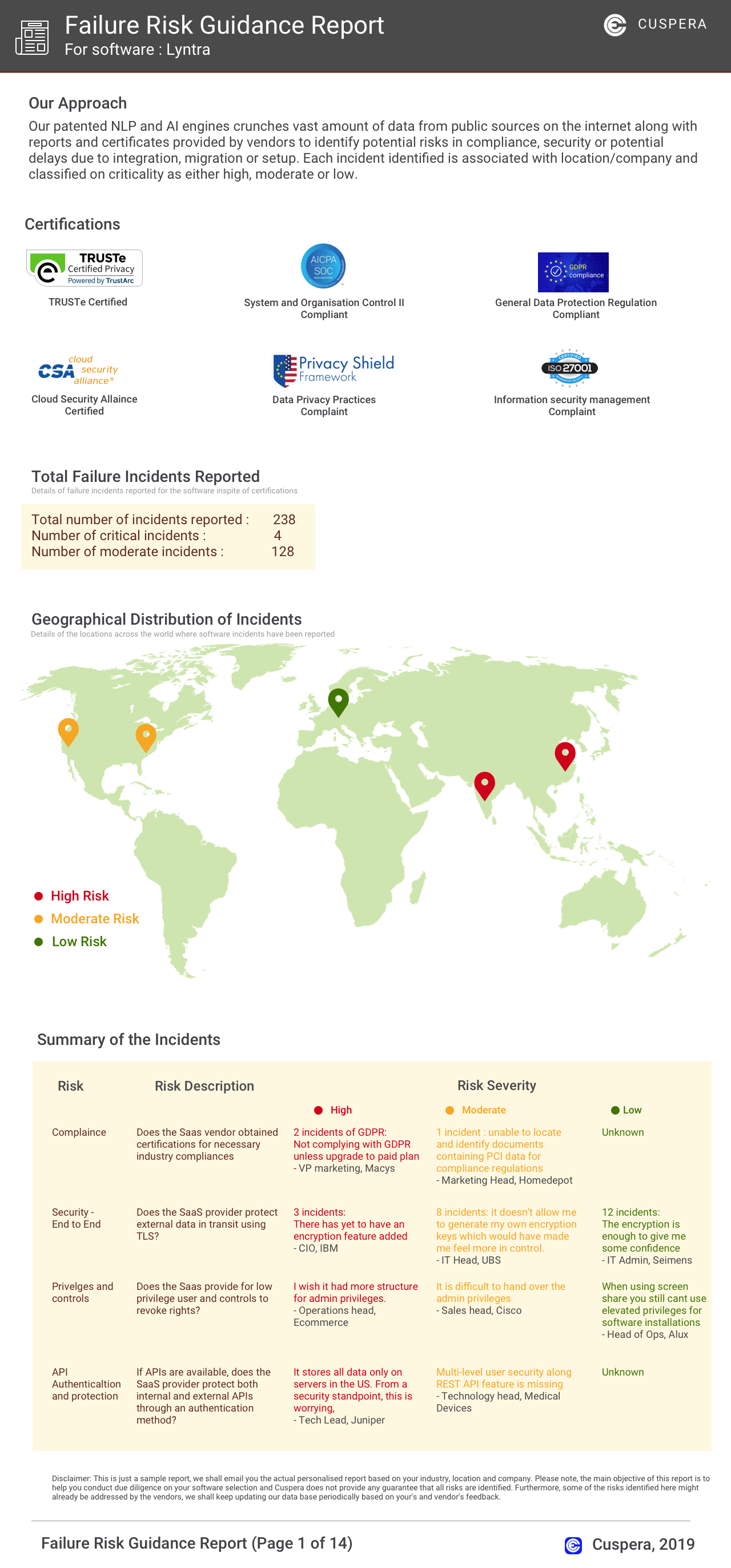
Software Failure Risk Guidance
?for Acrolinx
Overall Risk Meter
Top Failure Risks for Acrolinx
Acrolinx GmbH News
Acrolinx Rebrands as Markup AI, Secures USD 27.5M in Financing
Acrolinx has rebranded as Markup AI and secured USD 27.5 million in Series A financing to launch its new AI-native platform, Content Guardian Agents. This platform enhances content quality by using AI to scan and rewrite content for compliance and brand standards. The funding will accelerate product development and global expansion.
Acrolinx Rebrands as Markup AI, Raises $27.5 Million for Content Compliance - CDP Institute
Acrolinx has rebranded as Markup AI and secured $27.5 million in new financing to enhance its content compliance capabilities. The rebranding aims to address challenges in deploying AI-created content at scale by ensuring it meets brand standards and can be rewritten if necessary.
Acrolinx Announces Appointment of New York-Based CEO to Accelerate Growth, Strengthen US Footprint and Meet Expanding Demand
Acrolinx Announces Appointment of New York-Based CEO to Accelerate Growth, Strengthen US Footprint and Meet Expanding Demand
Acrolinx Secures ISO 27001 and 27701 Certifications , Reinforcing Commitment to Information Security and Privacy
Acrolinx has achieved ISO 27001 and 27701 certifications, demonstrating its commitment to information security and privacy.
Acrolinx GmbH Profile
Company Name
Acrolinx GmbH
Company Website
https://www.acrolinx.com/HQ Location
Acrolinx, 2400 District Avenue Suite 105, Burlington, MA 01803, US
Employees
101-250
Social


Financials
PRIVATE