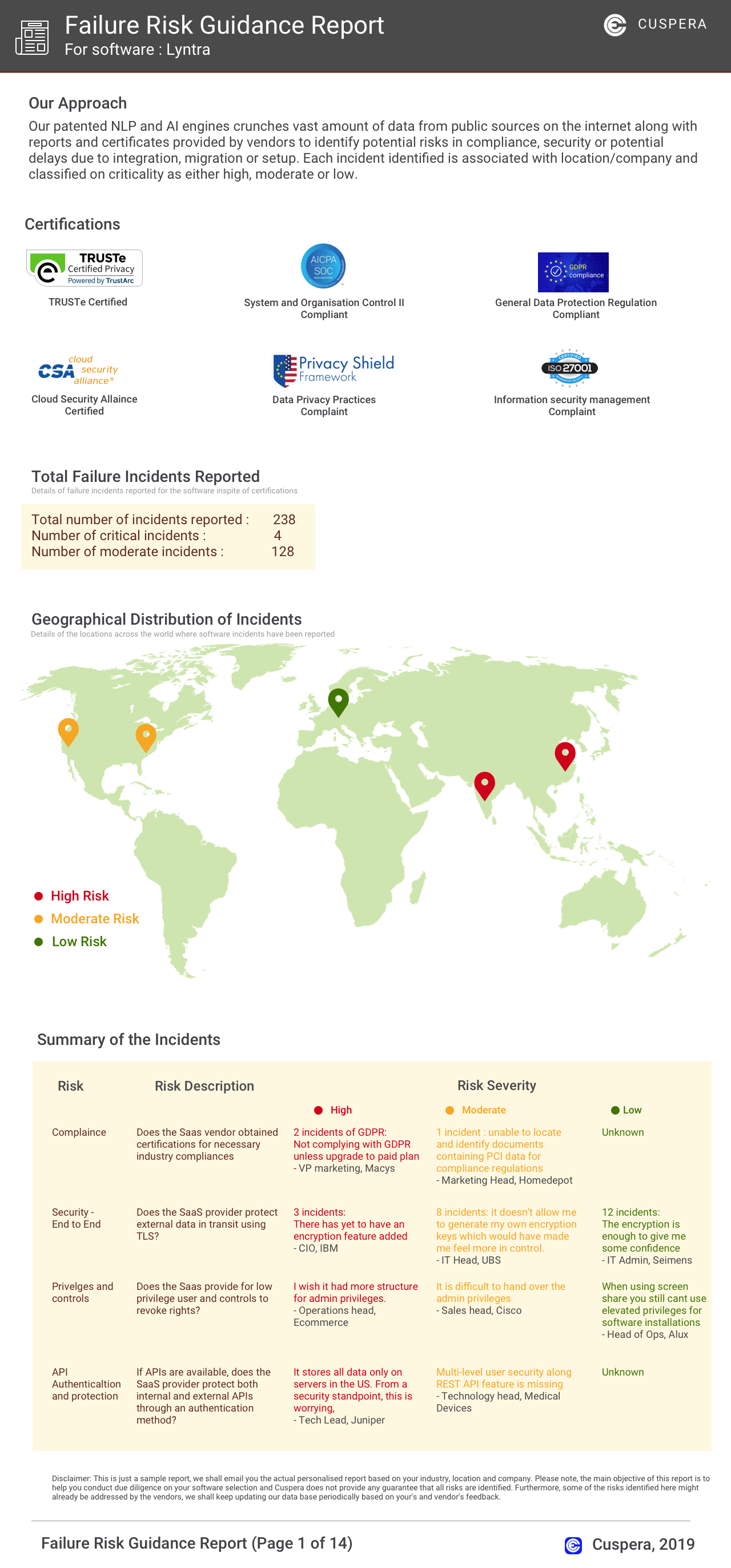


Transifex Overview
Transifex serves as a pivotal localization hub, leveraging AI to streamline translation and localization processes for software and websites. This tool is essential for businesses aiming to expand globally, providing a seamless way to adapt content for diverse markets. By utilizing AI, Transifex enhances the accuracy and speed of translations, which can lead to increased revenue and market reach. The platform's integration capabilities allow for smooth collaboration across teams, ensuring consistency and efficiency in content delivery. Transifex stands out by offering a comprehensive solution that addresses the complexities of global communication, making it a strategic asset for companies looking to optimize their international presence.
Use Cases
Customers recommend Workflow Management, Collaboration, Content Management, as the business use cases that they have been most satisfied with while using Transifex.
Business Priorities
Scale Best Practices and Enter New Markets Internationally Or Locally are the most popular business priorities that customers and associates have achieved using Transifex.
Transifex Use-Cases and Business Priorities: Customer Satisfaction Data
Transifex works with different mediums / channels such as Chat. Mobile. Games etc.
Transifex's features include Alerts: Popups & Notifications, Personalization, Widgets, etc. and Transifex support capabilities include 24/7 Support, AI Powered, Phone Support, etc. also Transifex analytics capabilities include Custom Reports, and Analytics.
Reviews
"...Huge breadth of features Team management Efficient and easy workflow...." Peer review by Asad S, Support Team Manager
Peer review evidence (same sources as the product rating summary)
"...The filtering and features that help improve our workflow...." Peer review by Camilo J, Head of Platform UX/UI
"...AWS Educate, reliable, scalable, and inexpensive cloud computing services, free training, and collaboration resources Axosoft, maker of legendary cross-platform Git client GitKraken and GitKraken Glo task tracking boards that sync in real-time with GitHub Issues Carto, open and powerful platform for spatial data analysis, visualization, and application creation Datadog, cloud-based infrastructure monitoring DigitalOcean, simple cloud hosting built for developers Flatiron School, the premier coding bootcamp for launching developers Heroku, flexible, easy-to-use platform to deploy, run, and manage your apps Jetbrains, provider of professional desktop IDEs: IntelliJ IDEA, PyCharm, and more Namecheap, affordable domain registration, hosting, and management Sendgrid, the world s largest cloud-based email delivery platform Sentry, error reporting that helps developers monitor and fix crashes in realtime Stripe, web and mobile payment APIs, built for developers Thinkful, courseware and mentoring to launch your career as a developer Transifex, a localization platform that easily integrates with your code base Travis CI, continuous integration platform for open source and private projects And, with more partners joining every month, there s always more to come. ..." The GitHub Student Developer Pack is back
"...As we are working on a great variety of projects from product localization to marketing content and learn content, we needed a platform to centralize these resources and unify the processes...." Peer review by Pierre-Marie G, Internationalization and Localization Manager
Transifex, Easygenerator, Articulate Storyline, Buzzsprout, SproutVideo, etc., all belong to a category of solutions that help Authoring and Publishing. Each of them excels in different abilities. Therefore, determining the best platform for your business will depend on your specific needs and requirements.
Transifex offers powerful translation tools and features for complete app and content localization. Users can streamline their workflow from start to finish efficiently.
Popular Business Setting
for Transifex
Top Industries
- Internet
- Computer Software
- Information Technology and Services
Popular in
- Mid Market
- Small Business
- Enterprise
Transifex is popular in Internet, Computer Software, and Information Technology And Services and is widely used by Mid Market, Small Business, and Enterprise.
Transifex Customer wins, Customer success stories, Case studies
What Are the key features of Transifex for Workflow Management?
How can Transifex optimize your Collaboration Workflow?
What Are the key features of Transifex for Content Management?
What solutions does Transifex provide for Helpdesk Management?
What benefits does Transifex offer for Communication Management?
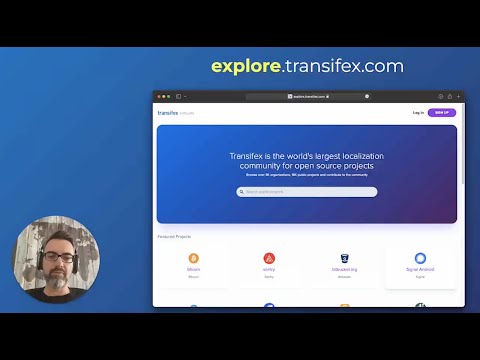
Transifex for Open Source
Frequently Asked Questions (FAQ)
What buyers ask before choosing Transifex
Integrations What CRM integrations are available with Transifex?
Transifex offers several CRM integrations to enhance your localization workflow and streamline project management. Notably, it integrates seamlessly with HubSpot, allowing users to synchronize their marketing efforts with localization processes, ensuring that global content strategies are executed efficiently. This integration helps businesses manage their customer relationships while keeping localized content consistent and up-to-date. Additionally, Transifex can connect with other popular CRM platforms, enabling teams to automate updates and maintain real-time localization across various customer touchpoints. By leveraging these CRM integrations, organizations can improve collaboration, reduce manual tasks, and ultimately enhance their customer engagement in multiple languages, driving better results in global markets.
Integrations How does Transifex connect to HubSpot for localization purposes?
Transifex connects to HubSpot for localization purposes through a custom integration that links Transifex to HubSpot's code repositories, facilitating a seamless workflow for managing localization projects. This integration is established using Transifex’s well-documented API, which allows HubSpot to automate and streamline its localization processes effectively. By leveraging this connection, HubSpot's localization team can manage translations and updates in real-time, ensuring that localization issues are resolved quickly—often in less than half a day—compared to previous timelines. This integration not only enhances communication across HubSpot's global teams but also supports their continuous integration and continuous deployment (CI/CD) workflows, ultimately improving the efficiency and speed of their global content strategy.
Integrations What are the setup steps for integrating Transifex with Salesforce?
To integrate Transifex with Salesforce, start by ensuring you have administrative access to both platforms. First, log into your Transifex account and navigate to the integrations section. Here, you will find the option to connect with Salesforce. Follow the prompts to authenticate your Salesforce account, which may involve granting permissions for Transifex to access your Salesforce data. Once connected, configure the integration settings to specify which Salesforce content you want to localize, such as marketing materials or customer communications. Finally, set up your translation workflows within Transifex to automate the localization process, ensuring that updates in Salesforce are reflected in your translations. This integration streamlines your localization efforts, allowing for efficient management of multilingual content directly from your Salesforce environment.
Integrations Can I access the Transifex API for custom integrations with my data provider?
Yes, you can access the Transifex API for custom integrations with your data provider. The Transifex API allows developers to automate and streamline localization processes by enabling seamless integration with various tools and platforms. This means you can connect your existing systems, such as content management systems or development environments, to Transifex, facilitating real-time updates and synchronization of translations. By leveraging the API, you can customize workflows, manage translation projects, and ensure that your localization efforts align with your specific business needs. Additionally, the API supports various programming languages, making it versatile for different development environments. This capability enhances your team's efficiency and helps maintain consistency across your localized content.
Integrations What is the data flow between Transifex and other marketing automation platforms?
The data flow between Transifex and marketing automation platforms, such as HubSpot, is designed to streamline the localization process for marketing content. When using Transifex, teams can automate the transfer of content from their marketing automation platform to Transifex for translation. This integration allows for real-time updates, ensuring that any changes made in HubSpot are reflected in Transifex without manual intervention. Once translations are completed in Transifex, the localized content can be sent back to HubSpot, ready for deployment in various markets. This seamless data flow not only enhances collaboration between marketing and localization teams but also accelerates time-to-market for campaigns, ultimately improving engagement and conversion rates across different languages and regions.
Integrations Are there any limitations to the integration between Transifex and content management systems?
While Transifex offers robust integration capabilities with various content management systems (CMS), such as WordPress, there are some limitations to consider. For instance, the integration primarily relies on JavaScript, which may not fully support all CMS functionalities, particularly for complex dynamic content or custom-built solutions. Additionally, while Transifex Live can handle both static and dynamic content, certain advanced features may require additional configuration or the use of the JavaScript API for optimal performance. Furthermore, users may encounter challenges with specific plugins or themes that could affect the seamlessness of the integration. It's essential to evaluate your CMS's compatibility and the specific requirements of your localization projects to ensure a smooth workflow with Transifex.
Features What does the Translation Memory feature do in Transifex?
The Translation Memory (TM) feature in Transifex is a powerful tool that stores previously translated phrases and sentences in a centralized database. Each time a translation is saved, it is added to this TM, allowing Transifex to reference it when similar phrases arise in future projects. This not only speeds up the translation process by providing suggestions but also enhances consistency across translations, ensuring that the same terms are used uniformly throughout your content. By leveraging TM, businesses can significantly reduce translation time and costs while maintaining high-quality and coherent messaging across different languages. This feature is particularly valuable for teams looking to streamline their localization efforts and improve overall efficiency in their workflows.
Features How do I set up automated workflows in Transifex?
To set up automated workflows in Transifex, start by logging into your Transifex account and navigating to the project you want to automate. Go to the "Workflows" section, where you can choose between default or advanced workflows based on your project needs. Define the stages of your localization process, such as content submission, translation, and review, and specify the actions that should occur at each stage, like notifications or task assignments. You can also leverage features like Translation Memory (TM) Fill-up and Machine Translation (MT) Fill-up to automatically translate new or updated content. Once your workflow is configured, save your settings, and monitor the progress of your localization projects through the centralized dashboard, ensuring timely delivery and efficient management of tasks.
Features What is the purpose of the Glossary feature in Transifex?
The Glossary feature in Transifex serves to maintain consistency and clarity in translations across various languages and projects. It allows teams to define key terms, phrases, and their preferred translations, ensuring that the brand's voice and terminology are uniformly represented in all localized content. This is particularly valuable for businesses operating in multiple markets, as it helps avoid confusion and misinterpretation of critical terms. By providing a centralized reference point, the Glossary feature enhances collaboration among localization teams, streamlines the translation process, and ultimately contributes to a more cohesive user experience. This consistency not only strengthens brand identity but also improves customer satisfaction by delivering culturally adapted content that resonates with diverse audiences.
Features How can I use the Over-the-Air SDKs for instant updates in Transifex?
To use the Over-the-Air (OTA) SDKs for instant updates in Transifex, start by integrating the appropriate SDK for your development framework, such as Django, JavaScript, Python, iOS, or Android. First, install the SDK in your project and configure it with your Transifex project tokens. Next, ensure that your content is marked for translation using the Transifex Native translate function within your codebase. Once set up, you can push and pull content for localization directly from your command line interface (CLI). This allows you to deploy translation updates seamlessly and in real-time, ensuring that your application always reflects the latest localized content without manual intervention. By leveraging OTA SDKs, you can enhance user experience and maintain consistency across different languages efficiently.
Features What functionalities does the dashboard in Transifex provide for monitoring projects?
The dashboard in Transifex offers a comprehensive overview of your localization projects, enabling teams to monitor progress effectively. Users can track the status of translations in real-time, view completion percentages, and identify any bottlenecks that may hinder project timelines. The dashboard also provides insights into team performance, allowing managers to assess individual contributions and overall productivity. Additionally, it features customizable workflows that help streamline the localization process by automating tasks and ensuring that all content is handled efficiently. With visual indicators and detailed analytics, the Transifex dashboard empowers teams to maintain visibility across projects, prioritize tasks, and make informed decisions to enhance collaboration and optimize localization efforts.
Features How do I create custom workflows in Transifex to match my team's process?
To create custom workflows in Transifex that align with your team's processes, start by accessing the workflow management feature within the Transifex platform. You can define the stages of your localization process, such as translation, review, and approval, by using either default or advanced workflows. Customize each stage by assigning specific tasks, setting deadlines, and determining the roles of team members involved, including translators and project managers. Utilize the automation features to streamline repetitive tasks, ensuring that content moves smoothly through each stage. Additionally, leverage the in-app comments and discussions to facilitate collaboration and maintain alignment among team members. By tailoring workflows to your specific needs, you can enhance efficiency and ensure that localization projects are completed on time and within budget.
ROI & pricing What measurable business value can I expect from using Transifex?
Using Transifex can deliver significant measurable business value, including a 5x return on investment and a 10x faster time-to-market for your localized products. By automating repetitive localization tasks, businesses can expect a 75% reduction in time spent on manual processes, allowing teams to focus on strategic initiatives. Additionally, Transifex enhances lead conversion rates by 30% through improved customer engagement with on-brand translations across multiple languages. The platform's customizable workflows and real-time collaboration tools ensure that localization efforts are streamlined and integrated into your product roadmap, ultimately leading to smoother global launches and increased market reach. By leveraging Transifex, companies can effectively manage localization while maintaining high-quality translations, resulting in a more efficient and profitable operation.
ROI & pricing How does Transifex deliver a 5x return on investment for businesses?
Transifex delivers a 5x return on investment (ROI) for businesses by streamlining the localization process, significantly reducing time and costs associated with manual translation tasks. With its AI-driven automation, Transifex enables companies to localize content 10 times faster, allowing for quicker time-to-market and the ability to reach global audiences efficiently. The platform's customizable workflows and real-time collaboration tools enhance team productivity, leading to a 30% increase in lead conversion rates. By integrating localization into the product development cycle, businesses can ensure consistent branding and messaging across markets, ultimately driving higher customer engagement and satisfaction. This combination of speed, efficiency, and improved market reach translates into substantial financial benefits, making Transifex a valuable investment for organizations looking to expand their global footprint.
ROI & pricing What are the pricing plans available for Transifex and what do they include?
Transifex offers several pricing plans tailored to different needs, starting with a basic plan ideal for individuals and small teams, which includes essential features for localization. The plans range from $135 to $510 per month when billed monthly, or $160 to $510 per month when billed annually, with the latter option providing two months free. Each plan includes unlimited projects and files, translation memory, and access to advanced capabilities as you scale. Additionally, there are options for AI Words add-ons, which are priced separately. For those with specific requirements, the Transifex sales team is available to help customize a plan that fits your localization needs.
ROI & pricing How can Transifex help reduce costs and improve revenue for my company?
Transifex can significantly reduce costs and improve revenue for your company by streamlining the localization process through AI automation and centralized project management. By automating repetitive tasks, Transifex allows your team to localize content into multiple languages without increasing operational costs, resulting in a 75% reduction in time spent on manual tasks. This efficiency translates to a 5x return on investment and a 30% increase in lead conversion rates, as your products can reach global markets faster and more effectively. Additionally, with real-time collaboration tools and customizable workflows, your teams can maintain brand consistency and ensure timely releases, ultimately enhancing customer satisfaction and driving revenue growth.
ROI & pricing What is the typical time-to-value when implementing Transifex for localization?
The typical time-to-value when implementing Transifex for localization can be significantly accelerated due to its robust automation and integration capabilities. Many users report achieving a 10x faster time-to-market by incorporating Transifex AI, which streamlines the localization process and reduces manual tasks by up to 75%. With features like Translation Memory that auto-fills 40% of new content and seamless integration with development tools such as Project: Native, teams can synchronize updates automatically with every release. This efficiency allows businesses to launch localized products quickly, ensuring they meet global market demands without delays. Overall, organizations can expect to see substantial returns on their investment and improved operational efficiency shortly after adopting Transifex.
ROI & pricing How does Transifex contribute to faster time-to-market for my products?
Transifex contributes to faster time-to-market for your products by streamlining the localization process through automation and real-time collaboration tools. By integrating localization into your product development cycle, Transifex allows teams to manage translations concurrently with development, ensuring that updates are automatically reflected across all languages without manual intervention. This reduces the time spent on repetitive tasks by up to 75%, enabling your team to focus on strategic initiatives. Additionally, Transifex's AI-driven features enhance translation efficiency and accuracy, allowing you to launch products in multiple languages simultaneously. With customizable workflows and centralized project management, Transifex ensures that your localization efforts are aligned with your product roadmap, ultimately accelerating your global launch timelines and improving overall return on investment.
Capabilities What localization features does Transifex offer for agile engineering?
Transifex offers a range of localization features specifically designed to support agile engineering practices, enabling teams to integrate localization seamlessly into their development workflows. Key features include the ability to add localization directly into the CI/CD pipeline, allowing for continuous deployment of new translations without manual intervention. Transifex's Project: Native provides SDKs for various frameworks like React, Angular, and iOS, facilitating fileless localization and real-time updates with every release. Additionally, the platform automates repetitive tasks, significantly speeding up the localization process by up to 80%, while ensuring high-quality, context-aware translations through AI. This integration not only enhances collaboration among developers and localization teams but also helps maintain consistency and branding across multiple languages, ultimately supporting faster time-to-market for global product launches.
Capabilities Can Transifex automate translation workflows for large teams?
Yes, Transifex can automate translation workflows for large teams, significantly enhancing efficiency and collaboration. By utilizing advanced translation tools and AI-powered automation, Transifex streamlines repetitive tasks, allowing teams to focus on higher-value activities. The platform centralizes localization management, enabling visibility across multiple projects and teams, which is crucial for large organizations. With features like Translation Memory, glossaries, and style guides, Transifex ensures consistent quality and faster turnaround times, making it easier for large teams to manage extensive localization efforts. Additionally, Transifex integrates seamlessly into existing workflows, allowing teams to incorporate localization into their product roadmaps without disrupting their processes. This automation not only saves time but also helps maintain alignment and communication among team members, ensuring that all localized content is delivered on schedule.
Capabilities Does Transifex support real-time localization updates with CI/CD pipelines?
Yes, Transifex supports real-time localization updates with CI/CD pipelines, allowing teams to integrate localization seamlessly into their development workflows. By utilizing SDKs for frameworks like React, Angular, and iOS, Transifex enables automatic updates of translations with every release, eliminating manual steps and delays. This integration ensures that localization is synchronized with the development cycle, which enhances efficiency and accelerates time-to-market for global launches. Additionally, Transifex's automation capabilities help manage localization tasks without requiring extensive language expertise, making it easier for teams to maintain consistent branding and messaging across different markets. Overall, this functionality allows businesses to streamline their localization processes while ensuring high-quality translations are delivered in real-time.
Capabilities Can I customize localization workflows in Transifex to fit my team's processes?
Yes, you can customize localization workflows in Transifex to align with your team's specific processes. Transifex offers customizable workflows that allow you to tailor the localization process according to your project needs and team dynamics. You can define roles and permissions for different team members, such as developers, translators, and project managers, ensuring that everyone has the appropriate access and responsibilities. Additionally, the platform supports advanced translation tools and task automation, enabling you to streamline collaboration and reduce manual tasks. By centralizing content management and communication, Transifex helps maintain consistency and efficiency throughout the localization process, making it easier for your team to manage projects effectively and meet deadlines.
Capabilities What security measures does Transifex have in place for enterprise readiness?
Transifex prioritizes security to ensure enterprise readiness by implementing a range of robust measures. Their infrastructure is hosted on Amazon Web Services, which complies with various security standards such as PCI-DSS Level 1, SOC1, SOC2, SOC3, and ISO 27001, ensuring a reliable and secure environment. Access to virtual machines and cloud files is strictly limited to authorized personnel, and administrative tasks are encouraged to be performed in a controlled manner. Additionally, Transifex practices responsible full disclosure for any reported vulnerabilities, emphasizing transparency and accountability. They also utilize encryption for sensitive information and follow generally accepted standards to protect data during transmission and storage. Overall, these measures collectively enhance the security posture of Transifex, making it a trusted choice for enterprises concerned about data protection.
Capabilities Does Transifex provide advanced reporting tools for localization performance?
Yes, Transifex provides advanced reporting tools that enable teams to monitor and analyze localization performance effectively. These tools allow users to track progress across various projects and languages, ensuring that localization efforts align with overall business goals. With features that facilitate real-time alignment and centralized management, localization managers can easily generate reports that highlight key metrics, such as translation quality, turnaround times, and budget adherence. This data-driven approach not only helps in identifying areas for improvement but also supports strategic decision-making, ultimately enhancing the efficiency of the localization workflow. By leveraging these reporting capabilities, teams can optimize their processes and ensure that their localization efforts contribute positively to their global reach and ROI.
Use cases How can SDRs use Transifex to improve their outreach to international markets?
Sales Development Representatives (SDRs) can leverage Transifex to enhance their outreach to international markets by utilizing its robust localization capabilities to create tailored messaging for diverse audiences. By integrating Transifex into their workflow, SDRs can automate the translation of outreach materials, such as emails and promotional content, ensuring that communications resonate culturally and linguistically with potential clients. This not only helps in maintaining brand consistency across different languages but also accelerates the time-to-market for campaigns aimed at global audiences. Additionally, the centralized management of localization projects allows SDRs to collaborate effectively with marketing and localization teams, ensuring that all outreach efforts are aligned and up-to-date. Ultimately, using Transifex empowers SDRs to engage more effectively with international prospects, driving higher conversion rates and expanding market reach.
Use cases What are the best practices for marketing teams to implement Transifex in their multilingual website launches?
To effectively implement Transifex for multilingual website launches, marketing teams should start by integrating Transifex into their content management system (CMS) to streamline the localization process. Begin by identifying key content that needs translation and prioritize it based on market demand. Utilize Transifex's AI-driven tools for context-aware translations, ensuring that messaging resonates with local audiences. Establish a collaborative workflow by involving translators early in the process to maintain brand consistency and quality. Automate repetitive tasks to save time and reduce manual errors, allowing for real-time updates as new content is created. Finally, monitor performance metrics post-launch to assess engagement and conversion rates, making adjustments as necessary to optimize the localized experience. By following these best practices, marketing teams can enhance their global reach and drive conversions effectively.
Use cases In what ways can localization teams streamline their workflows using Transifex for faster project completion?
Localization teams can streamline their workflows using Transifex by leveraging its centralized platform that automates repetitive tasks, significantly reducing turnaround times for translations. With features like task automation, teams can manage every project, language, and team in one place, ensuring visibility and organization. Transifex also supports real-time collaboration, allowing team members to communicate seamlessly through in-app comments and discussions, which helps keep everyone aligned. Additionally, the integration of AI-powered workflows enhances efficiency by eliminating manual tasks such as file uploads and updates. By incorporating glossaries and style guides, localization teams can maintain consistent quality across all translations, ultimately accelerating project completion and enabling faster global launches.
Use cases How do developers integrate Transifex into their CI/CD pipeline for continuous localization?
Developers can integrate Transifex into their CI/CD pipeline for continuous localization by utilizing its APIs, CLIs, and SDKs designed for various frameworks like React, Angular, and iOS. To start, developers should set up the Transifex API to automate the translation process directly from their codebase, ensuring that any updates to the application trigger automatic translation updates. This can be achieved by incorporating Transifex commands into the CI/CD scripts, allowing for seamless synchronization of translations with each release. Additionally, developers can leverage Git workflows to manage localization files efficiently, ensuring that all language updates are in sync with the latest code changes. By automating these processes, teams can eliminate manual steps, reduce delays, and maintain high-quality translations throughout the development cycle, ultimately enhancing productivity and accelerating time-to-market.
Use cases What specific challenges can product teams address by adopting Transifex for their localization efforts?
Product teams can address several specific challenges by adopting Transifex for their localization efforts. One major challenge is managing the complexity of translating products into multiple languages while ensuring brand consistency across markets; Transifex provides centralized management tools that streamline this process. Additionally, product teams often struggle with tight deadlines for global launches; Transifex automates repetitive localization tasks, allowing teams to accelerate time-to-market by translating and deploying updates up to 80% faster. The platform also enhances collaboration among team members by providing visibility into project progress and priorities, which helps in aligning localization with product roadmaps. Furthermore, Transifex's integration capabilities with development tools ensure that localization is seamlessly incorporated into the development cycle, reducing delays and manual errors. Overall, Transifex empowers product teams to launch products globally with confidence and efficiency.
Use cases How can RevOps teams leverage Transifex to enhance collaboration across different departments during the localization process?
RevOps teams can leverage Transifex to enhance collaboration across different departments during the localization process by utilizing its centralized platform that streamlines communication and project management. With Transifex, teams can assign roles and permissions to various stakeholders, including developers, translators, and marketing personnel, ensuring everyone has access to the necessary resources and information. The platform's in-app comments and discussions facilitate real-time alignment, allowing teams to address issues and share feedback instantly. Additionally, by integrating localization into the product roadmap, RevOps teams can ensure that all departments are synchronized, reducing delays and improving overall efficiency. This collaborative approach not only enhances the quality of translations but also accelerates time-to-market, ultimately driving better results for global launches.
Alternatives What are the best alternatives to Transifex for localization management?
When considering alternatives to Transifex for localization management, several notable options stand out. One prominent competitor is Lokalise, which offers a user-friendly interface and robust collaboration features tailored for software and app localization. Another strong alternative is Crowdin, known for its extensive integration capabilities and support for various file formats, making it suitable for diverse localization projects. Phrase is also worth mentioning, as it provides a comprehensive translation management system with a focus on automation and API integrations. Additionally, Smartling offers advanced translation workflows and analytics, catering to enterprises with complex localization needs. Each of these tools has unique features that may align better with specific project requirements, so evaluating them based on your team's needs is essential.
Alternatives How does Lokalise compare to Transifex in terms of automation features?
Lokalise and Transifex both offer robust automation features tailored for software localization, but they differ in their approaches and capabilities. Transifex excels in automating repetitive tasks through its translation management system (TMS), which can accelerate localization workflows by up to 80%. It integrates seamlessly with development cycles using SDKs for frameworks like React and Angular, allowing for real-time updates and automatic translation syncing with every release. On the other hand, Lokalise also provides automation through its API and CLI commands, enabling users to customize workflows and manage translations efficiently. While both platforms support extensive language options and aim to streamline the localization process, Transifex may be more suited for teams looking for deep integration with development tools, whereas Lokalise offers flexibility in workflow customization. Ultimately, the choice depends on specific team needs and existing workflows.
Alternatives What are the key differentiators between Transifex and Crowdin?
Transifex and Crowdin are both robust localization platforms, but they have key differentiators that cater to different business needs. Transifex excels in automating the localization process with AI-driven context-aware translations, enabling real-time collaboration and seamless integration into development workflows, particularly for tech teams using SDKs for frameworks like React and Angular. It also offers a no-code translation solution that allows users to manage website localization directly on their site without developer resources. In contrast, Crowdin focuses on providing a user-friendly interface with extensive support for various file formats and a strong emphasis on community-driven translations. While both platforms enhance translation efficiency, Transifex is particularly favored for its automation capabilities and integration with tools like HubSpot, making it ideal for businesses looking to streamline their localization efforts across multiple languages and platforms.
Alternatives Is Phrase better than Transifex for managing translation workflows?
When comparing Phrase and Transifex for managing translation workflows, both platforms offer unique strengths tailored to different needs. Phrase excels in its user-friendly interface and strong focus on continuous localization, making it ideal for teams that prioritize ease of use and integration with development processes. On the other hand, Transifex is renowned for its advanced automation capabilities and AI-driven translations, which can significantly streamline the localization process for larger projects. Transifex also provides robust integrations with development tools like React and Angular, ensuring seamless updates during the development cycle. Ultimately, the choice between Phrase and Transifex depends on your specific requirements, such as team size, project complexity, and the need for automation versus user experience.
Alternatives What makes Smartling a strong competitor to Transifex?
Smartling is a strong competitor to Transifex due to its robust features that cater to the needs of businesses seeking effective localization solutions. Smartling offers a comprehensive translation management system that emphasizes automation and collaboration, similar to Transifex. It provides real-time translation capabilities and integrates seamlessly with various platforms, enhancing workflow efficiency. Additionally, Smartling's focus on visual context allows teams to see translations in context, which can improve accuracy and quality. While Transifex excels in integrating localization directly into development cycles with tools like Project: Native and SDKs for frameworks such as React and Angular, Smartling's emphasis on user-friendly interfaces and extensive reporting tools makes it appealing for teams prioritizing visibility and control over their localization processes. Both platforms aim to streamline the localization journey, but their unique strengths cater to different organizational needs.
Alternatives Why should I consider switching from Transifex to Memsource?
When considering a switch from Transifex to Memsource, it's essential to evaluate the specific features and benefits each platform offers. Memsource is known for its robust machine translation capabilities and advanced AI-driven translation memory, which can enhance translation efficiency and consistency. Additionally, Memsource provides a user-friendly interface and extensive integration options with various content management systems, making it appealing for teams looking for seamless workflows. On the other hand, Transifex excels in real-time collaboration and no-code website localization, allowing teams to automate the translation process without developer resources. Ultimately, the decision should be based on your team's specific localization needs, such as the importance of automation versus advanced machine translation features, and how each platform aligns with your workflow and project requirements.
Transifex Competitors


Transifex Features
- Low
- Medium
- High
| FEATURE | RATINGS AND REVIEWS |
|---|---|
| AI Powered | Read Reviews (3) |
| Custom Reports | Read Reviews (81) |
| Analytics | Read Reviews (11) |
| CAPABILITIES | RATINGS AND REVIEWS |
|---|---|
| AI Powered | Read Reviews (3) |
| Custom Reports | Read Reviews (81) |
| Analytics | Read Reviews (11) |
Software Failure Risk Guidance
?for Transifex
Overall Risk Meter
Top Failure Risks for Transifex
Transifex US Inc News
How Localization Lab and Transifex ensured web access for all
Transifex and Localization Lab have collaborated for over 13 years to enhance web accessibility through localization. This partnership has enabled the translation of digital security tools into underrepresented languages, addressing challenges like right-to-left text rendering and script support. Their joint efforts have made tools like Signal and Tor accessible globally, impacting communities in conflict zones and low-bandwidth regions.
Transifex Awarded as a Best Workplace for Third Consecutive Year!
Transifex has been recognized as one of the Best Workplaces Hellas 2025 by Great Place to Work Hellas for the third consecutive year. This accolade highlights Transifex's commitment to fostering an inclusive and supportive work environment, reflecting positive employee feedback. The company continues to focus on its core values and aims to further enhance its workplace culture.
Transifex Boosts AI Translation Quality, Governance & Control
Transifex has launched a major platform update to enhance AI translation quality and governance. The update introduces TQI Tasks for active quality management and Structured AI Style Guides for predictable AI output. It also includes Add Strings Online for streamlined content workflows. These enhancements aim to improve localization efficiency and maintain high-quality standards.
Transifex US Inc Profile
Company Name
Transifex US Inc
Company Website
https://www.transifex.com/HQ Location
1050 Chestnut Street, Suite 203, Menlo Park, California 94025, US
Employees
11-50
Social


Financials
SEED