


Localize Overview
Localize delivers a no-code translation solution that leverages AI to localize web apps, websites, and documents efficiently. Its unique selling point lies in its ability to transform digital platforms into multilingual experiences without requiring coding expertise. This AI-driven tool is pivotal for businesses aiming to reach a global audience, ensuring seamless and culturally relevant user interactions. Localize supports over 1,000 companies in expanding their international reach, providing a competitive advantage by simplifying the translation process. Its efficient workflows enable rapid deployment of translated content, positioning Localize as a critical asset for enterprises seeking to enhance global user engagement.
Use Cases
Customers recommend Content Management, Social Media Management, Workflow Management, as the business use cases that they have been most satisfied with while using Localize.
Business Priorities
Acquire Customers and Enter New Markets Internationally Or Locally are the most popular business priorities that customers and associates have achieved using Localize.
Localize Use-Cases and Business Priorities: Customer Satisfaction Data
Localize works with different mediums / channels such as Website. Social Media. User Generated Content etc.
Localize's features include SEO, Dashboard, Widgets, etc. and Localize support capabilities include 24/7 Support, Chat Support, Email Support, etc. also Localize analytics capabilities include Custom Reports, and Analytics.
Reviews
"...Take advantage of the resources made available to Localize clients in the form of their support center and your personal contacts...." Peer review by Britt F, Director of Product
Peer review evidence (same sources as the product rating summary)
"...Localize automatically detects new or edited content on your website or application, and pulls it directly into your translation workflow. ..." Website and App Translation
"...Super charge your global expansion efforts with effortless international SEO along with reports and analytics that take your marketing strategies to the next level...." Localization Tools for Marketers
"...Streamline your workflow by blocking or ignoring entire pages that don..." Translate your complex apllications with ease!
Localize, Stencil, Easygenerator, Articulate Storyline, Buzzsprout, etc., all belong to a category of solutions that help Authoring and Publishing. Each of them excels in different abilities. Therefore, determining the best platform for your business will depend on your specific needs and requirements.
Localize is a no-code software translation tool for web apps and websites. Users are engaged in their native language with Localize's easy-to-use JavaScript tag.
Popular Business Setting
for Localize
Top Industries
- Marketing and Advertising
- Internet
- Non-Profit Organization Management
Popular in
- Small Business
- Mid Market
- Large Enterprise
Localize is popular in Marketing And Advertising, Internet, and Non-Profit Organization Management and is widely used by Small Business, Mid Market, and Large Enterprise.
Localize Customer wins, Customer success stories, Case studies
What solutions does Localize provide for Content Management?
How does Localize facilitate Workflow Management?
How does Localize facilitate Helpdesk Management?
Why is Localize the best choice for Collaboration?
Frequently Asked Questions (FAQ)
What buyers ask before choosing Localize
Integrations What CRM integrations are available with Localize?
Localize offers seamless integrations with several popular CRM platforms, enhancing your ability to manage multilingual content effectively. Notably, Localize integrates with Salesforce, allowing you to detect and translate customer-facing content such as knowledge base articles and email templates directly within your Salesforce instance. Additionally, Localize connects with HubSpot, translating website pages, landing pages, and forms without requiring technical setup. For those using Zoho Commerce, Localize provides an easy integration that allows you to choose which pages or products to translate while supporting SEO-friendly translations. These integrations enable businesses to streamline their translation workflows and improve customer engagement across various touchpoints, ensuring a consistent multilingual experience.
Integrations How does Localize connect to Salesforce for content translation?
Localize connects to your Salesforce instance through a straightforward integration process that involves detecting and translating customer-facing content such as knowledge base articles, email templates, and community pages. By utilizing a lightweight JavaScript snippet, Localize automatically identifies the content that requires translation, allowing businesses to reach a multilingual audience efficiently. This integration not only streamlines the translation process but also enhances customer engagement by providing support in their preferred language. Additionally, Localize offers options for managing translation quality, enabling users to choose between AI-powered translations for speed or routing content through internal reviewers and language service providers (LSPs) for professional-quality results, all managed from a single dashboard. This capability ultimately boosts customer satisfaction and retention by ensuring clear communication across diverse language groups.
Integrations What are the setup steps for integrating Localize with HubSpot?
To integrate Localize with HubSpot, start by installing Localize's lightweight JavaScript snippet on your HubSpot-hosted pages. This snippet is straightforward to implement and requires no coding skills. Once installed, Localize will automatically detect all visible text on your site, including website pages, landing pages, blog posts, forms, and email templates. After detection, you can review the content in Localize's intuitive dashboard, where AI-powered translation engines will assist in translating your content. Finally, you can instantly publish the translations, ensuring your HubSpot content is multilingual and accessible to a broader audience. This seamless integration allows you to enhance customer engagement and conversions without the need for extensive technical setup.
Integrations Can Localize sync data with Marketo, and what is the sync behavior?
Localize does not specifically mention integration with Marketo in the provided context, so it is unclear whether Localize can sync data with Marketo or what the sync behavior would be. However, Localize does offer integrations with various platforms such as Salesforce, HubSpot, UserVoice, and Help Scout, allowing for seamless translation of customer-facing content. If you are looking for a solution that integrates with Marketo, you may want to explore other translation management systems that explicitly support Marketo integration. For businesses using Marketo, it is essential to ensure that any translation tool you consider can effectively sync data and maintain the integrity of your marketing campaigns across different languages.
Integrations What limitations should I be aware of when integrating Localize with Dynamics 365?
When integrating Localize with Dynamics 365, it's important to be aware of a few limitations. While Localize is designed to streamline the translation process and requires no coding skills for setup, the integration may not support all Dynamics 365 features or customizations, which could limit the extent of localization. Additionally, certain dynamic content types or custom entities within Dynamics 365 might not be automatically detected by Localize, necessitating manual input for translation. Furthermore, while Localize supports numerous language pairs, the effectiveness of multilingual SEO may vary depending on how content is structured within Dynamics 365. It's advisable to consult Localize's support team for specific guidance tailored to your Dynamics 365 setup to ensure a smooth integration experience.
Integrations How does the data flow between Localize and other systems like GitHub or Zendesk?
The data flow between Localize and systems like GitHub or Zendesk is designed to be seamless and efficient. For GitHub, Localize utilizes a GitHub App that securely stores a GitHub-generated authentication token, allowing it to access specified repositories without compromising personal credentials. Changes made in the GitHub repository trigger Localize to detect updates to source phrases, ensuring that translations are always current. In the case of Zendesk, Localize automatically detects customer-facing content, such as support articles and feedback, translating them in real-time to enhance user experience. This integration allows for a smooth exchange of data, enabling businesses to maintain up-to-date multilingual content across their platforms without extensive manual intervention.
Features What does the on-page widget in Localize do?
The on-page widget in Localize serves as a user-friendly tool that allows visitors to view translated versions of your website's content seamlessly. When integrated into your site, this lightweight JavaScript snippet automatically detects on-page text and pulls it into Localize's central translation environment. Users can easily switch between languages, enhancing their experience without altering the design or layout of the original page. This functionality not only improves accessibility for multilingual audiences but also enables businesses to manage translation workflows, glossaries, and quality assurance efficiently within Localize. By providing a click-to-translate experience, the widget helps organizations cater to diverse customer bases, ultimately driving engagement and satisfaction.
Features How do I use the visual translation editor in Localize?
To use the visual translation editor in Localize, start by logging into your Localize dashboard and selecting the project you want to work on. Once in the dashboard, navigate to the "Translations" section where you can access the visual editor. This tool allows you to see your website as it appears to users, making it easy to click on any text element you wish to translate. Simply click on the text, enter your translation in the provided field, and save your changes. The visual editor also enables you to preview how the translations will look in real-time, ensuring that the layout remains intact. This intuitive approach streamlines the translation process, allowing for quick adjustments and ensuring that your localized content is accurate and visually appealing.
Features What features does the collaborative translation platform in Localize offer?
The collaborative translation platform in Localize offers a range of features designed to streamline the translation process for teams. It includes a full-featured Translation Management System (TMS) that allows users to invite their own translators directly into the Localize project, facilitating real-time collaboration without the hassle of emailing files. The platform supports AI-generated translations, which can serve as a foundation for human translators to edit, ensuring high-quality output. Additionally, Localize provides tools for managing translation workflows, glossaries, and quality assurance directly within the dashboard, making it easy to maintain consistency and accuracy across projects. This collaborative environment enhances efficiency and reduces the time required to launch multilingual content, ultimately improving the overall translation experience for teams.
Features How can I automate localization workflows with Localize's Command-Line Interface?
To automate localization workflows with Localize's Command-Line Interface (CLI), start by installing the Localize CLI tool, which allows you to manage translation files directly from your development environment. Once installed, you can push and pull translations seamlessly, ensuring that your localization efforts remain synchronized across different environments without the need to switch tools. This automation streamlines the process, enabling your development team to focus on delivering content rather than managing files. Additionally, you can set up scripts to automate repetitive tasks, such as updating translations or syncing new content, which enhances efficiency and reduces the risk of errors. By leveraging Localize's CLI, you can maintain a single source of truth for your translations, making it easier to manage multilingual content effectively.
Features What is the purpose of the glossary support feature in Localize?
The glossary support feature in Localize serves to enhance the consistency and accuracy of translations across your multilingual content. By allowing users to create and manage a centralized glossary of key terms, phrases, and their corresponding translations, Localize ensures that specific terminology is uniformly applied throughout all translated materials. This is particularly valuable for businesses operating in specialized industries where precise language is crucial, as it helps maintain brand voice and clarity. Additionally, the glossary can be updated as needed, enabling teams to adapt to evolving language preferences or new product terminology. Overall, this feature streamlines the translation process, reduces the risk of miscommunication, and ultimately improves the quality of customer interactions in different languages.
Features How do I manage translation projects using Localize's centralized dashboard?
Managing translation projects using Localize's centralized dashboard is a streamlined process designed to enhance team collaboration and efficiency. Start by inviting your translators directly to your Localize project, allowing them to translate content within the dashboard without the hassle of emailing files. You can utilize AI-powered translations for quick drafts, which your internal team or professional translators can then review and approve for quality assurance. The dashboard provides an intuitive interface where you can manage tasks, assign permissions, and monitor activity logs, ensuring everyone stays aligned. Additionally, Localize automatically detects new content for translation, making it easy to keep your projects up to date. By centralizing all translation activities, you can maintain control over quality and workflow, ultimately leading to faster and more accurate translations.
ROI & pricing What measurable business outcomes can I expect from using Localize for translation?
Using Localize for translation can lead to several measurable business outcomes that significantly enhance your operations. By delivering multilingual websites and web apps without the need for extensive translation infrastructure, you can reduce delivery risks and streamline workflows, resulting in faster project completion times. This efficiency can translate into increased revenue opportunities, as you can monetize translation services as referrals, add-ons, or bundled offerings. Additionally, Localize's ability to optimize your content for local search engines can improve your website's SEO, driving more organic traffic and enhancing visibility across different regions. Furthermore, with real-time translation capabilities for customer feedback, you can boost support efficiency and engagement rates, ultimately leading to higher conversion rates and customer satisfaction. Overall, Localize empowers businesses to expand their reach and improve their bottom line through effective translation management.
ROI & pricing How does Localize help businesses achieve a positive ROI on their translation efforts?
Localize helps businesses achieve a positive ROI on their translation efforts by streamlining the localization process, reducing the need for extensive developer resources and long implementation cycles. By enabling real-time translation of customer feedback and content, Localize allows companies to respond quickly to market demands and enhance customer engagement, which can lead to increased conversions and sales. Additionally, the platform supports the monetization of translation services as referral, add-on, or bundled offerings, creating new revenue opportunities. Localize also ensures that translated content is optimized for SEO, driving organic traffic from diverse linguistic markets, which further enhances visibility and potential revenue. Overall, by simplifying workflows and improving customer interactions, Localize maximizes the return on investment for businesses investing in translation.
ROI & pricing What are the different pricing plans offered by Localize, and how do they fit various business budgets?
Localize offers a range of pricing plans designed to accommodate various business budgets and needs, ensuring that companies of all sizes can effectively manage their translation projects. Their plans include a Basic Translation Management System, ideal for solo creators and small businesses translating simple, static websites, and an Advanced Platform tailored for growing companies and enterprises that require more robust features, such as support for dynamic content and advanced automation. Localize's subscription-based pricing is transparent, with clear tiers based on usage metrics like pageviews and team members, allowing businesses to predict costs accurately. Additionally, customized pricing options are available for unique requirements, making Localize a flexible choice for organizations looking to expand their localization efforts without compromising their budget.
ROI & pricing What is the total cost of ownership when using Localize for translation management?
The total cost of ownership when using Localize for translation management encompasses several factors, primarily its transparent subscription-based pricing model. Localize offers various tiers, starting from $50 per month for individuals to $625 per month for core plans, which include AI translations and unlimited host words. This clear pricing structure allows businesses to predict their costs effectively without the hidden fees often associated with other platforms like Smartling, which charges per word. Additionally, Localize reduces the need for extensive developer resources and infrastructure, further lowering operational costs. By streamlining translation workflows and eliminating complex integrations, Localize not only saves money but also enhances efficiency, making it a cost-effective solution for ongoing translation needs.
ROI & pricing How quickly can I see value from implementing Localize in my translation workflow?
You can see value from implementing Localize in your translation workflow almost immediately, as the platform is designed for rapid deployment. By using a single, lightweight JavaScript snippet, Localize automates the translation process, allowing you to launch fully translated websites and web apps within days. The automatic content detection feature eliminates manual workflows, enabling you to translate content faster and at scale. Additionally, with real-time translation capabilities, you can instantly visualize and edit translations on-page, ensuring that your team can respond to customer feedback and suggestions without delay. This efficiency not only accelerates your translation efforts but also enhances user experience, ultimately driving engagement and conversions from the moment you implement Localize.
ROI & pricing What cost savings can businesses realize by choosing Localize over traditional translation services?
Businesses can realize significant cost savings by choosing Localize over traditional translation services due to its streamlined, automated approach to translation management. Unlike traditional methods that often require extensive developer resources and complex workflows, Localize simplifies the process with an intuitive platform that minimizes the need for ongoing maintenance and reduces delivery risks. This efficiency translates into lower operational costs, as businesses can avoid the high expenses associated with maintaining a translation infrastructure. Additionally, Localize's transparent pricing model eliminates unpredictable per-word fees commonly found in traditional services, allowing companies to better manage their budgets and forecast expenses. By leveraging Localize, businesses can focus their resources on growth and innovation rather than on cumbersome translation logistics.
Capabilities What security measures does Localize implement to protect my data?
Localize implements a comprehensive suite of security measures to protect your data throughout the translation process. Our platform utilizes advanced encryption methods to safeguard sensitive information, ensuring that all translated content is handled securely. We adhere to industry-standard compliance frameworks, which helps maintain data integrity and protects against unauthorized access. Additionally, Localize prioritizes privacy by implementing strict security protocols and conducting regular security assessments, including a continuous bug bounty program through HackerOne for vulnerability reporting. We also offer features like Fine-Grain Team Permissions and SAML SSO to enhance access control and authentication. With these robust security practices, you can confidently use Localize's services while focusing on your business growth without worrying about data breaches or compliance issues.
Capabilities Can Localize support compliance with industry-standard frameworks?
Yes, Localize can support compliance with industry-standard frameworks by ensuring that your multilingual websites and applications adhere to best practices in localization and accessibility. The platform is designed to integrate seamlessly with various technologies, allowing you to maintain compliance with standards such as WCAG (Web Content Accessibility Guidelines) and GDPR (General Data Protection Regulation). By providing features like customizable language selection and real-time translation, Localize helps you create accessible content for diverse audiences while ensuring that your translations are accurate and contextually relevant. This capability not only enhances user experience but also mitigates risks associated with non-compliance, making it a valuable tool for businesses operating in regulated industries.
Capabilities Does Localize provide fine-grain team permissions for task assignments?
Yes, Localize provides fine-grain team permissions that streamline access and allow for precise task assignments based on each team member's authorization and requirements. This feature enables project managers to define user roles and responsibilities clearly, ensuring that team members have the appropriate access to perform their tasks without unnecessary delays. By implementing built-in access controls, Localize empowers contributors where it counts, facilitating collaboration while maintaining security and organization. This structured approach not only enhances productivity but also helps in managing workflows effectively, allowing teams to focus on delivering high-quality translations and localized experiences without the risk of unauthorized access or confusion over responsibilities.
Capabilities Can I use Localize for AI-powered translation workflows?
Yes, you can absolutely use Localize for AI-powered translation workflows. Localize offers a robust AI translation tool that leverages artificial intelligence and machine learning algorithms to automatically translate content quickly and efficiently. To get started, simply contact Localize for a personalized walkthrough from a Product Expert who will guide you through the activation of your Localize account and the installation of the necessary JavaScript snippet. Once set up, you can utilize AI translations to generate foundational content, which can then be reviewed and approved by your internal team or professional translators directly within the Localize dashboard. This hybrid approach not only speeds up the translation process but also ensures high-quality results, making it an ideal solution for businesses looking to streamline their multilingual content creation.
Capabilities Does Localize offer staging environments for my development process?
Yes, Localize offers staging environments that seamlessly integrate with your development process, ensuring that your translations are always up-to-date and ready for launch. This feature is particularly beneficial for teams working across multiple deployment stages, such as development, staging, and production. By utilizing Localize, you can manage translations efficiently without disrupting your workflow, allowing for a smoother transition from staging to live environments. This capability not only enhances your translation management but also reduces the risk of errors and inconsistencies in your multilingual content. Overall, Localize's staging environments support a scalable localization strategy that aligns with your development needs.
Capabilities Can Localize handle sensitive data while ensuring compliance with regulations?
Yes, Localize is equipped to handle sensitive data while ensuring compliance with various regulations. The platform prioritizes security and employs advanced encryption methods to protect your data throughout the translation process. Localize adheres to industry-standard compliance frameworks, which safeguards sensitive information and maintains data integrity. This commitment to security allows businesses to confidently utilize Localize for their translation needs without compromising on privacy or compliance. By focusing on robust security measures, Localize enables companies to expand their global reach while minimizing the risks associated with data breaches and regulatory non-compliance, ensuring that your sensitive data remains secure at all times.
Use cases How can SDRs use Localize to improve communication with diverse customer segments?
Sales Development Representatives (SDRs) can leverage Localize to enhance communication with diverse customer segments by utilizing its real-time translation capabilities. Localize enables SDRs to translate customer feedback, suggestions, and inquiries instantly, ensuring that language barriers do not hinder engagement. By integrating Localize with platforms like Salesforce or UserVoice, SDRs can automatically detect and translate customer-facing content, allowing them to respond promptly and effectively to inquiries in the customer's preferred language. This not only improves the overall customer experience but also fosters stronger relationships with clients from various linguistic backgrounds. Additionally, by delivering multilingual communications, SDRs can better understand and address the unique needs of different customer segments, ultimately driving higher conversion rates and customer satisfaction.
Use cases What are the best practices for marketers to implement Localize in their email campaigns for international audiences?
To effectively implement Localize in email campaigns for international audiences, marketers should start by defining their target markets and the languages spoken by those audiences. Next, utilize Localize’s drag-and-drop feature to easily upload email HTML, ensuring that the layout and design remain intact during translation. Collaborate with your team within Localize’s platform to customize and manage email content, focusing on cultural relevance and context to enhance engagement. Leverage the translation memory feature to maintain consistency across campaigns and reduce translation time. Additionally, consider using Localize’s network of expert translators for critical emails to ensure accuracy. Finally, monitor engagement metrics such as open and click-through rates to refine your strategy and optimize future campaigns, ensuring that your messaging resonates effectively with diverse recipients.
Use cases In what scenarios should RevOps teams consider using Localize to streamline their translation management process?
RevOps teams should consider using Localize to streamline their translation management process in scenarios where they need to deliver multilingual websites and web applications efficiently without the burden of building and maintaining complex translation infrastructure. Localize is particularly beneficial for teams looking to reduce delivery risks associated with client projects, as it allows for the launch of translations without developer-heavy workflows or lengthy implementation cycles. Additionally, if RevOps teams aim to create new revenue opportunities by monetizing translation services or differentiating their offerings, Localize provides a seamless solution. The platform's real-time translation capabilities and integration with existing tech stacks, such as UserVoice, further enhance support efficiency and ensure that customer feedback is addressed promptly, making it an ideal choice for teams focused on optimizing their translation processes.
Use cases How can sales leaders leverage Localize to enhance their product presentations in different languages?
Sales leaders can leverage Localize to enhance their product presentations in different languages by utilizing its seamless translation capabilities to create multilingual content that resonates with diverse audiences. By integrating Localize with their existing tech stack, such as Salesforce, they can automatically detect and translate customer-facing materials, including presentations and marketing collateral, without requiring extensive developer resources. This allows sales teams to deliver consistent and on-brand messaging across various languages, improving engagement and conversion rates. Additionally, Localize's real-time translation feature ensures that any updates or customer feedback are promptly reflected in presentations, enabling sales leaders to respond effectively to client needs and preferences. Ultimately, this enhances the overall customer experience and opens up new revenue opportunities in global markets.
Use cases What steps should a product manager take to integrate Localize into their existing web applications for effective localization?
To effectively integrate Localize into existing web applications for localization, a product manager should follow a structured approach. First, begin by integrating Localize on each web application to extract content for immediate translation. Next, build a customized translation terminology guide to ensure consistency across all translated materials, particularly for industry-specific terms. After setting up the terminology guide, utilize Localize’s centralized dashboard to manage translations efficiently, leveraging both machine and human translation as needed. Additionally, ensure that your tech stack supports JavaScript installation, as this is crucial for seamless integration. By following these steps, product managers can streamline their localization workflows, enhance user experience, and expand their reach in global markets.
Use cases How does Localize help teams manage operational control and QA during the translation process?
Localize enhances operational control and quality assurance (QA) during the translation process by centralizing all translation tasks, permissions, and activity logs within a single intuitive environment. This centralized hub allows teams to manage tasks efficiently, assign specific review responsibilities, and monitor activities in real-time, reducing confusion and improving communication. Localize also incorporates built-in QA processes that enable users to define who reviews what content, ensuring that translations meet quality standards without slowing down workflows. By leveraging AI-powered translations for speed and allowing internal teams or professional translators to review and approve content, Localize ensures that teams can maintain high-quality translations while streamlining their operational processes. This combination of features empowers teams to work collaboratively and effectively, ultimately enhancing productivity and translation quality.
Alternatives What are the key differences between Localize and Weglot?
Localize and Weglot both offer translation solutions, but they cater to different audiences and operational needs. Weglot is designed primarily for small to medium-sized businesses, providing a straightforward setup that allows users to quickly implement translations. In contrast, Localize is tailored for enterprise-level scalability, offering advanced features such as a powerful API that enables deeper customization and control over translation workflows. Additionally, Localize ensures that your content remains under your control without relying on a proxy server, which can affect load times and SEO. This approach allows for better management of dynamic content and more predictable workflows, making Localize a preferred choice for teams that require robust localization capabilities.
Alternatives How does Localize compare to Smartling in terms of website localization?
Localize and Smartling both provide website localization solutions, but they differ significantly in approach and usability. Localize utilizes a lightweight JavaScript snippet that allows for seamless integration and automatic content detection, enabling teams to launch fully translated websites quickly and without extensive technical involvement. This makes it particularly user-friendly for non-developers. In contrast, Smartling often requires a more complex setup and greater technical expertise, which can lead to longer implementation times. Additionally, Localize's streamlined process helps maintain design integrity while translating, whereas Smartling's proxy-based solution may introduce additional layers of complexity. Ultimately, businesses seeking a straightforward and efficient localization process may find Localize to be the more suitable option, while those with more intricate needs might lean towards Smartling's enterprise-level capabilities.
Alternatives What makes Localize a better choice than Phrase for translation management?
Localize is often considered a better choice than Phrase for translation management due to its user-friendly interface and streamlined automation features, which cater to businesses of all sizes. Unlike Phrase, which can be complex and demanding, Localize simplifies the localization process by using a JavaScript snippet to detect on-page content continuously, ensuring translations are always up-to-date. This approach not only reduces manual tasks but also enhances multilingual SEO capabilities with tools like hreflang and language subdirectories. Additionally, Localize offers transparent pricing and budget management tools, allowing businesses to make informed financial decisions. Overall, Localize's focus on ease of use, efficiency, and cost-effectiveness makes it a compelling option for companies looking to manage translations effectively.
Alternatives Why should I choose Localize over Transifex for my localization needs?
Choosing Localize over Transifex for your localization needs offers several advantages tailored for businesses seeking efficiency and ease of use. Localize is designed specifically for websites, utilizing a lightweight JavaScript snippet that automates content detection and translation workflows, allowing for seamless delivery of localized experiences directly to users. This streamlined approach reduces the complexity often associated with Transifex, which is more focused on detailed control over localization workflows and may require a steeper learning curve. Additionally, Localize's user-friendly interface and transparent pricing make it accessible for teams of all technical abilities, enabling faster translations with less effort and lower costs. By opting for Localize, you can enhance your website's multilingual capabilities without the burden of extensive developer involvement or complicated processes.
Alternatives What are the best alternatives to Localize for website translation?
When considering alternatives to Localize for website translation, two notable options are Transifex and Weglot. Transifex is tailored for teams needing detailed control over localization workflows, offering features like exclusive tasks and event-driven webhooks, making it suitable for complex review processes. However, it is more focused on localization workflows rather than direct website integration. On the other hand, Weglot provides a user-friendly interface that allows for quick translations and is designed for seamless integration with various platforms, making it a strong contender for businesses looking for ease of use. While Localize excels in automating website translation with a lightweight JavaScript snippet and real-time content detection, both Transifex and Weglot offer unique features that may better suit specific business needs depending on the complexity and scale of the translation project.
Alternatives How does Lokalise stack up against Localize in terms of features and usability?
When comparing Lokalise and Localize in terms of features and usability, both platforms offer robust translation management solutions, but they cater to different user needs. Localize excels with its no-code solution, allowing businesses to implement website translations quickly and efficiently without requiring developer involvement. Its lightweight JavaScript snippet automates content detection and delivery, making it user-friendly for non-technical users. In contrast, Lokalise provides a more comprehensive range of integrations and customization options, which may require additional setup and technical expertise to utilize effectively. While Lokalise is ideal for teams needing detailed control over localization workflows, Localize stands out for its simplicity and speed, making it a better choice for businesses looking for a straightforward, efficient translation process.
Localize Competitors


Localize Features
- Low
- Medium
- High
| FEATURE | RATINGS AND REVIEWS |
|---|---|
| Custom Reports | Read Reviews (83) |
| Analytics | Read Reviews (14) |
| CAPABILITIES | RATINGS AND REVIEWS |
|---|---|
| Custom Reports | Read Reviews (83) |
| Analytics | Read Reviews (14) |
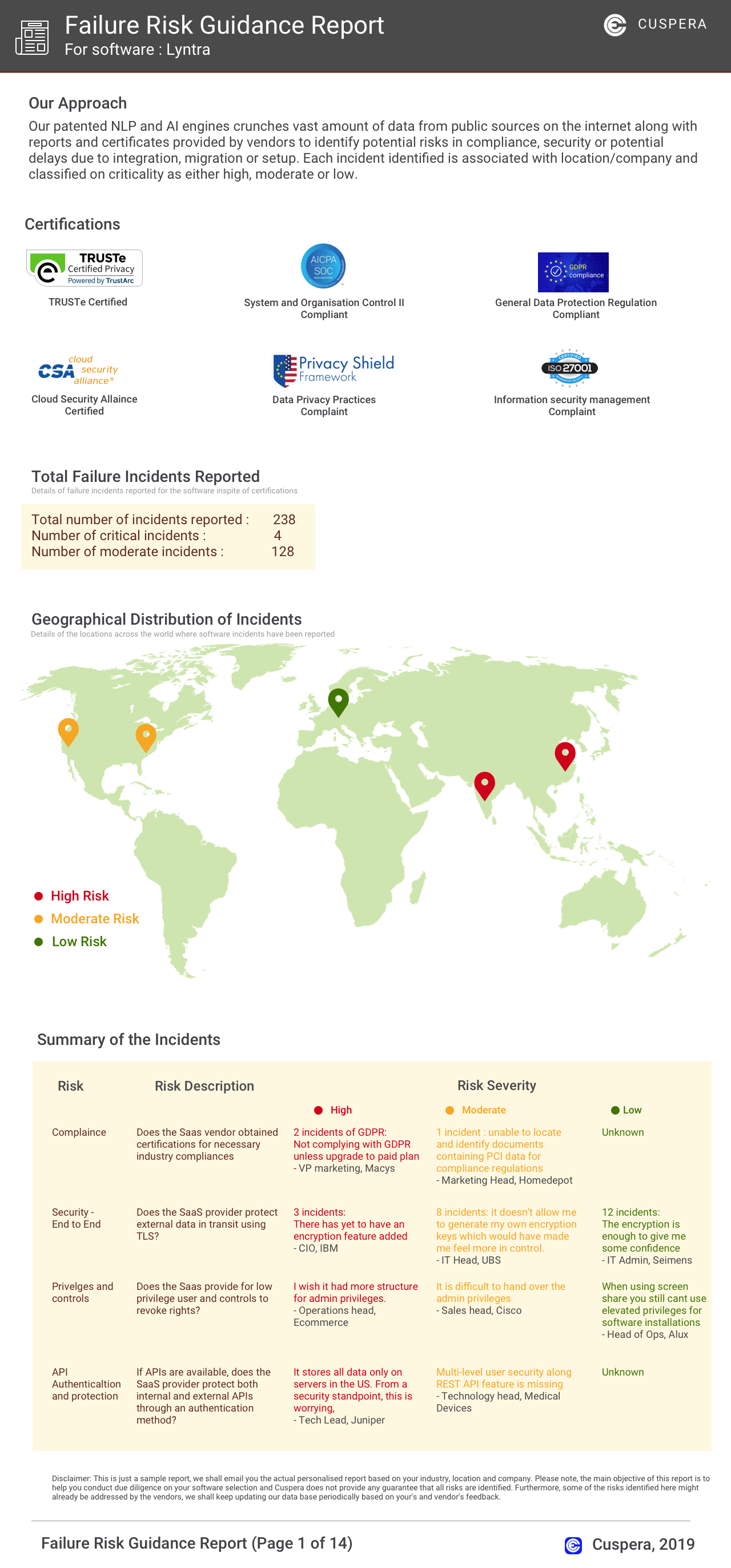
Software Failure Risk Guidance
?for Localize
Overall Risk Meter
Top Failure Risks for Localize
Localize Corporation Profile
HQ Location
60 Rausch Street, #204 San Francisco CA, 94103, USA
Employees
11-50
Social


Financials
SEED

What Are the key features of Localize for Social Media Management?