

Kepion Overview
Kepion empowers finance teams to streamline financial planning and analysis (FP&A) with its flexible, scalable, and secure platform. Users can efficiently manage planning, reporting, and analytics, tailoring processes to fit specific business needs. Kepion supports revenue and expense planning across departments, enhancing collaboration and ensuring data-driven decision-making. Its enterprise planning solution is designed to adapt to both large and small organizations, offering a unified approach to financial and operational planning. This capability allows businesses to forecast with precision, aligning financial strategies with operational goals for improved outcomes.
Use Cases
Customers recommend Forecasting, Revenue Cycle Management, Competitive Intelligence, as the business use cases that they have been most satisfied with while using Kepion.
Business Priorities
Increase Sales & Revenue and Grow Market Share are the most popular business priorities that customers and associates have achieved using Kepion.
Kepion Use-Cases and Business Priorities: Customer Satisfaction Data
Kepion's features include Dashboard, Personalization, SEM, etc. and Kepion support capabilities include 24/7 Support, AI Powered, Email Support, etc. also Kepion analytics capabilities include Analytics, and Custom Reports.
Reviews
"...Forecasting is all now standardised across all entities improving the reliability of the outputs...." Peer review by Mark W., General Manager Finance and Business Improvement, Real Estate
Peer review evidence (same sources as the product rating summary)
"...Able to help customers to migrate to rolling forecasts and plan on a more driver based levels instead of the classic Account structure...." Peer review by Sindri S
"...9 Rev Revenue Planning Revenue Planning...." CPM Solutions for Budgeting & Forecasting by Department
"...Since Kepion is built on the Microsoft Business Intelligence platform, users can take advantage of SharePoint drill down features for deep analysis of their business...." Business Intelligence Dashboards & Scorecards Software
Kepion, Chargebee Subscription Management, Workiva, Podia, OneStream, etc., all belong to a category of solutions that help Business Intelligence. Each of them excels in different abilities. Therefore, determining the best platform for your business will depend on your specific needs and requirements.
Kepion simplifies budgeting, planning, reporting, and analytics with its flexible and scalable CPM software. Corporate Performance Management is enhanced through Kepion's comprehensive approach.
Popular Business Setting
for Kepion
Top Industries
- Information Technology and Services
- Real Estate
- Pharmaceuticals
Popular in
- Small Business
- Mid Market
- Enterprise
Kepion is popular in Information Technology And Services, Real Estate, and Pharmaceuticals and is widely used by Small Business, Mid Market, and Enterprise.
Kepion Customer wins, Customer success stories, Case studies
Why is Kepion the best choice for Forecasting?
How can Kepion optimize your Revenue Cycle Management Workflow?
What makes Kepion ideal for Competitive Intelligence?
Why is Kepion the best choice for Performance Management?
How can Kepion enhance your Collaboration process?
Frequently Asked Questions (FAQ)
What buyers ask before choosing Kepion
Integrations What CRM integrations are available with Kepion?
Kepion offers robust integrations with several leading Customer Relationship Management (CRM) systems, enabling businesses to streamline their planning processes. Specifically, Kepion integrates with Microsoft Dynamics 365, Salesforce, and other prominent CRM platforms, allowing users to consolidate customer data and enhance forecasting accuracy. This integration facilitates a unified view of customer interactions and sales performance, which is essential for effective financial and operational planning. By leveraging these CRM integrations, organizations can ensure that their planning processes are informed by real-time customer insights, ultimately driving better decision-making and improving overall business performance.
Integrations How does Kepion connect to Salesforce and other CRM tools?
Kepion connects to Salesforce and other CRM tools through its flexible data integration capabilities, allowing businesses to unify their planning processes across various platforms. By leveraging APIs and data connectors, Kepion can pull in customer relationship data from Salesforce, enabling users to align their financial and operational planning with sales forecasts and customer insights. This integration facilitates real-time data synchronization, reducing manual data entry and improving accuracy in reporting. Additionally, Kepion's architecture supports integration with other CRM systems, ensuring that organizations can tailor their planning solutions to fit their specific needs. This seamless connectivity enhances decision-making and strategic planning by providing a comprehensive view of business performance across all departments.
Integrations What are the setup steps for integrating Kepion with Marketo?
To integrate Kepion with Marketo, you should follow these setup steps: first, ensure you have the necessary access and permissions for both Kepion and Marketo. Next, log into your Kepion account and navigate to the integration settings, where you can find the option to connect with Marketo. You will need to provide your Marketo API credentials, which can be obtained from your Marketo account under the Admin section. Once the connection is established, configure the data mappings between Kepion and Marketo to ensure that the relevant data flows correctly. Finally, test the integration to confirm that data is syncing as expected. This integration allows for streamlined marketing efforts by aligning financial and operational data with your marketing campaigns in Marketo.
Integrations How does data flow between Kepion and Microsoft Dynamics 365?
Data flows between Kepion and Microsoft Dynamics 365 through seamless integration that leverages Microsoft Azure Data Factory to orchestrate pipelines, enabling the automatic transfer of data such as actuals from Dynamics 365 into Kepion. This integration reduces the need for manual reconciliation, streamlining the financial planning and analysis process. Kepion is designed to work within the Microsoft ecosystem, allowing for the synchronization of financial, operational, and HR data, which supports unified planning across various business functions. By utilizing Kepion's predefined planning models and real-time write-back capabilities, users can maintain familiar workflows in Excel while benefiting from enhanced data accuracy and security, all within a governed architecture that adheres to SOC 2 and ISO security standards.
Integrations Can Kepion integrate with data providers like Snowflake and BigQuery?
Kepion is designed to support flexible data integrations, allowing it to connect with various data providers, including Snowflake and BigQuery. While specific integrations with these platforms may not be explicitly listed, Kepion's architecture enables users to leverage its capabilities to pull in data from a wide range of sources. This flexibility is crucial for organizations looking to unify their financial, operational, and HR data for comprehensive planning. By integrating with data providers like Snowflake and BigQuery, businesses can enhance their data analytics and reporting processes, ensuring that they have access to accurate and timely information for decision-making. If your specific data provider is not listed, Kepion's team can assist in setting up the necessary connections to meet your unique requirements.
Integrations Are there any limitations when integrating Kepion with third-party data providers?
Kepion offers flexible integration capabilities, allowing users to connect with various third-party data providers without strict limitations. While Kepion is designed to seamlessly integrate with Microsoft technologies such as Dynamics 365, Azure, and SQL Server, it also supports connections to other financial, operational, and HR systems, enabling a unified planning experience. If a specific third-party system is not listed on the integrations page, Kepion's adaptable architecture allows for custom integrations, ensuring that businesses can incorporate the necessary data sources into their planning processes. This flexibility empowers organizations to leverage their existing data ecosystems effectively, enhancing decision-making and operational efficiency.
Integrations What is the data flow between Kepion and Microsoft Dynamics 365?
The data flow between Kepion and Microsoft Dynamics 365 involves a seamless integration that facilitates the exchange of financial, operational, and HR data. By utilizing Azure Data Factory, organizations can orchestrate pipelines that automatically pull actuals from Dynamics 365 into Kepion, thereby aligning forecasts with real-time data and minimizing manual reconciliation efforts. This integration allows for a well-defined planning model, where Kepion provides structured frameworks across key financial dimensions, such as the chart of accounts and cost centers. As a result, businesses can enhance their financial planning and analysis (FP&A) processes, ensuring that data is synchronized and accessible for informed decision-making. This streamlined data flow ultimately supports better resource allocation and forecasting accuracy, making it easier for teams to collaborate effectively.
Integrations What is the API access process for connecting Kepion to external systems?
The API access process for connecting Kepion to external systems involves several key steps to ensure seamless integration. First, you will need to obtain API credentials from the Kepion Partner Portal, which provides the necessary authentication details. Once you have your credentials, you can utilize Kepion's RESTful API to establish connections with various external systems, such as ERP, CRM, or other data sources. The API documentation available in the Partner Portal offers detailed guidance on endpoints, data formats, and example requests to facilitate the integration process. Additionally, Kepion supports flexible data integration, allowing you to synchronize financial, operational, and HR data effectively. If you encounter any challenges, Kepion's support team is available to assist you throughout the integration process, ensuring that your systems work together efficiently.
Integrations Are there any limitations to the integrations available with Kepion?
Kepion offers extensive integration capabilities, particularly within the Microsoft ecosystem, including Microsoft Fabric, Power BI, Excel, Azure, SQL Server, and Dynamics 365. Additionally, it can integrate financial, operational, and HR data, facilitating unified planning across various business functions. While Kepion supports a wide range of integrations, if your specific system is not listed on the integrations page, the platform is designed to accommodate flexible data integration options. This means that even if a particular integration is not readily available, Kepion can still work with your existing systems through custom solutions, ensuring that businesses can effectively leverage their data regardless of the tools they currently use. Therefore, while there may be some limitations based on specific systems, Kepion's adaptability helps mitigate these challenges.
Features What does the Kepion dashboard do?
The Kepion dashboard serves as a powerful tool for visualizing and tracking key performance indicators (KPIs) within your organization. It provides a centralized platform where users can access real-time updates on performance metrics, enabling informed decision-making. The dashboard features customizable scorecards and visual indicators, such as graphs and traffic light systems, to highlight performance trends and areas needing attention. Users can drill down into detailed data, navigate through hierarchies, and filter reports to tailor their analysis according to specific needs. This functionality not only enhances financial transparency but also streamlines reporting processes, making it easier for teams to monitor progress and align their strategies with organizational goals. Overall, the Kepion dashboard is integral for effective planning and performance management.
Features What does the KPI dashboard in Kepion do?
The KPI dashboard in Kepion serves as a powerful tool for organizations to visualize and track their key performance indicators (KPIs) in real-time. It acts as a centralized hub where users can access critical data necessary for effective planning and reporting. The dashboard allows for the inclusion of various visual indicators, such as graphs and traffic light colors (red/yellow/green), to quickly convey performance status at a glance. This functionality not only enhances decision-making by providing up-to-date insights but also fosters accountability across teams by making performance metrics transparent. By utilizing the KPI dashboard, organizations can ensure they are aligned with their strategic goals and can respond swiftly to any performance issues that arise.
Features How do I create a KPI dashboard in Kepion?
To create a KPI dashboard in Kepion, start by logging into your Kepion account and navigating to the dashboard creation section. From there, you can select the type of dashboard you want to create, whether it's a scorecard or a visual representation of your KPIs. Utilize the drag-and-drop interface to add various components such as charts, graphs, and tables that reflect your key performance indicators. You can customize these elements by linking them to the relevant data sources within Kepion, ensuring real-time updates. Additionally, apply filters to allow users to drill down into specific data points for more detailed analysis. Once your dashboard is set up, save it and share it with your team to facilitate data-driven decision-making across your organization.
Features How do I create a scorecard in Kepion?
To create a scorecard in Kepion, start by logging into your Kepion account and navigating to the application where you want to add the scorecard. Click on the "Scorecard" option in the menu, then select "Create New Scorecard." You will be prompted to define the scorecard's name and description. Next, you can add key performance indicators (KPIs) by selecting them from your existing data or creating new ones. Customize the layout by dragging and dropping visual elements, such as graphs or traffic light indicators, to represent the KPIs effectively. Once you have configured the scorecard to your liking, save your changes. Finally, you can share the scorecard with your team to provide real-time visibility into performance metrics, enabling data-driven decision-making across your organization.
Features What features are available for drilling down into data in Kepion?
Kepion offers robust features for drilling down into data, allowing users to navigate from aggregated data to more detailed insights seamlessly. Within its dashboards and scorecards, users can drill down through rows and columns to access lower-level data, enhancing their analysis capabilities. The platform supports filtering in reports, enabling users to explore data hierarchies and view information at varying levels of detail, depending on their specific analysis needs. Additionally, users can drill through to the source data associated with Kepion report values, ensuring a comprehensive understanding of the underlying metrics. This functionality empowers organizations to make informed decisions based on real-time data insights, ultimately enhancing their planning and reporting processes.
Features What features allow me to drill down into data within Kepion dashboards?
Kepion offers several features that enable users to drill down into data within its dashboards and scorecards effectively. Users can navigate through rows and columns to access more detailed data, transitioning from aggregated views to lower-level insights. The platform supports the use of filters in reports, allowing users to move up and down hierarchies and adjust the level of detail displayed based on their analysis needs. Additionally, Kepion facilitates drilling through to the source data associated with report values, providing a comprehensive understanding of the underlying metrics. This functionality empowers users to perform in-depth analysis and make informed decisions based on real-time data insights, enhancing overall business intelligence capabilities.
Features How do I use the workflow automation feature in Kepion?
To use the workflow automation feature in Kepion, start by accessing the platform and navigating to the workflow management section. Here, you can create and customize workflows tailored to your business processes, such as planning, budgeting, and forecasting. Utilize the guided planning tools to set up multi-level approval chains, ensuring that all necessary stakeholders are involved in the decision-making process. You can also attach relevant documents and track changes through the full audit trail feature. Once your workflows are established, monitor their progress and make adjustments as needed to optimize efficiency. For further assistance, consider reaching out to Kepion's support team or utilizing their onboarding resources to ensure a smooth implementation.
Features How do I use filters in Kepion reports to navigate data hierarchies?
To use filters in Kepion reports for navigating data hierarchies, start by accessing the report you wish to analyze. Within the report interface, locate the filter options typically found at the top or side of the dashboard. You can apply filters to focus on specific data sets, such as time periods, departments, or other relevant categories. Once filters are applied, you can drill down into the data by selecting specific rows or columns, allowing you to view more detailed or consolidated information based on your analysis needs. This functionality enables you to easily navigate up and down the hierarchy of data, ensuring you can access the insights necessary for effective decision-making. Remember to clear or adjust filters as needed to explore different perspectives within your data.
Features What visual indicators are available in Kepion scorecards?
Kepion scorecards offer a variety of visual indicators designed to enhance the monitoring of key performance indicators (KPIs) and overall organizational performance. Users can incorporate graphics such as charts and graphs to visually represent data trends and comparisons. Additionally, Kepion provides color-coded traffic lights—red, yellow, and green—to quickly convey the status of performance against targets, allowing for immediate identification of areas needing attention. These visual elements not only facilitate real-time updates but also help stakeholders make informed, data-driven decisions by presenting complex information in an easily digestible format. By utilizing these visual indicators, organizations can effectively track their progress and align their strategies with business objectives.
Features What does the financial reporting functionality in Kepion include?
The financial reporting functionality in Kepion includes a comprehensive suite of tools designed to enhance visibility and analysis of financial performance. Users can create, bundle, and share reports using an intuitive, no-code reporting experience, ensuring easy access to insights. All reports, dashboards, and scorecards are integrated within the same interface as the input forms, eliminating the need to switch between different products for analysis. This unified platform supports real-time reporting across finance, sales, and operational data, allowing organizations to track performance effectively. Additionally, Kepion's reporting capabilities are tailored to meet the specific needs of finance leaders and FP&A teams, enabling them to model scenarios and make data-driven decisions efficiently.
Features How can I configure scorecards to monitor performance in Kepion?
To configure scorecards for monitoring performance in Kepion, start by accessing the Kepion platform and navigating to the scorecard setup section. Here, you can define the key performance indicators (KPIs) that are crucial for your organization’s objectives. Utilize the drag-and-drop interface to arrange the KPIs into a visually appealing layout, incorporating visual indicators like traffic lights or graphs for real-time updates. You can also set thresholds for each KPI to highlight performance levels effectively. Additionally, leverage the filtering options to drill down into specific data sets or hierarchies, allowing for a more detailed analysis. Once configured, your scorecards will provide a centralized view of performance metrics, enabling data-driven decision-making across your organization.
Features How can I bundle and share reports in Kepion's reporting feature?
In Kepion, bundling and sharing reports can be accomplished through its integrated reporting feature, which allows users to create customized dashboards and scorecards that compile multiple reports into a single view. To bundle reports, start by selecting the reports you wish to include and then utilize the dashboard creation tools to arrange them in a cohesive layout. Once your dashboard is set up, you can easily share it with team members or stakeholders by using the sharing options available within the interface, which may include email distribution or direct access links. This streamlined approach ensures that all relevant data is accessible in one place, enhancing collaboration and decision-making across your organization.
ROI & pricing What measurable business outcomes can I expect from using Kepion?
Using Kepion can lead to several measurable business outcomes that enhance decision-making and operational efficiency. By centralizing data for financial reporting and analysis, organizations can expect improved accuracy in budgeting and forecasting, which ultimately leads to better resource allocation. The platform's KPI dashboards and scorecards provide real-time insights, enabling teams to track performance against goals and make informed adjustments swiftly. Additionally, Kepion's capabilities in supply chain planning can streamline operations, reduce costs, and enhance responsiveness to market changes. Nonprofits, in particular, benefit from enhanced financial transparency and reporting, allowing for clearer visibility into program performance and fund management. Overall, implementing Kepion can result in smarter, more confident decisions that drive organizational success.
ROI & pricing How does Kepion improve ROI for financial planning and analysis?
Kepion improves ROI for financial planning and analysis by providing a unified platform that integrates planning, reporting, and analysis across various functions such as finance, sales, and operations. This integration eliminates the inefficiencies of traditional spreadsheet-based tools and siloed systems, allowing organizations to make data-driven decisions more quickly and accurately. With features like real-time what-if scenario modeling and KPI tracking, Kepion enables teams to assess performance against targets and adjust strategies proactively. Additionally, its ability to support planning by branch, product, or geography ensures that financial institutions can tailor their analyses to reflect operational realities, ultimately leading to better resource allocation and enhanced profitability. By streamlining processes and improving collaboration, Kepion helps organizations maximize their financial performance and achieve a higher return on investment.
ROI & pricing How does Kepion improve ROI for financial reporting and analysis?
Kepion improves ROI for financial reporting and analysis by providing a unified platform that integrates planning, reporting, and analysis, eliminating the inefficiencies associated with traditional spreadsheet-based or siloed tools. With its intuitive dashboards, scorecards, and real-time reporting capabilities, organizations can gain immediate insights into financial performance across various programs and funds. This streamlined access to critical data enables faster decision-making and enhances collaboration among teams, ultimately leading to more informed financial strategies. Additionally, Kepion's customizable reporting options allow users to focus on the metrics that matter most to their specific business needs, further optimizing resource allocation and improving overall financial performance. By reducing the time spent on manual reporting processes, Kepion helps organizations maximize their return on investment in financial management.
ROI & pricing What are the different pricing plans available for Kepion?
Kepion offers a variety of pricing plans tailored to meet the needs of different organizations, though specific pricing details are not publicly disclosed. The plans typically vary based on factors such as the size of the organization, the number of users, and the specific features required for financial planning and analysis (FP&A). Kepion's pricing structure is designed to be flexible, accommodating both small businesses and large enterprises. To get a precise quote and understand the best plan for your needs, it is recommended to contact the Kepion sales team directly or explore their website for more information. Additionally, Kepion may provide options for free trials, allowing potential users to evaluate the software before committing to a plan.
ROI & pricing What are the different pricing plans available for Kepion, and what do they include?
Kepion offers a variety of pricing plans tailored to meet the needs of different organizations, though specific pricing details are not publicly disclosed. Typically, these plans include features such as integrated financial planning, reporting, and analysis capabilities across finance, sales, operations, and workforce functions. Each plan is designed to provide a unified platform that enhances collaboration and data-driven decision-making. Additionally, Kepion's pricing may vary based on factors like the number of users, the level of support required, and any customizations needed for your specific business processes. For precise pricing information and to understand what each plan includes, it is recommended to contact the Kepion sales team directly or explore their official website for more details.
ROI & pricing How can Kepion help my business achieve cost savings in budgeting and forecasting?
Kepion can significantly help your business achieve cost savings in budgeting and forecasting by providing a centralized platform that streamlines the planning process. With its intuitive interface, users can easily create, modify, and analyze budgets in real-time, reducing the time and resources typically spent on manual data entry and reconciliation. The integration of dashboards, scorecards, and reporting tools within the same interface allows for immediate insights into financial performance, enabling quicker decision-making and adjustments to forecasts. Additionally, Kepion's ability to facilitate collaboration among team members ensures that all stakeholders are aligned, minimizing errors and enhancing efficiency. By leveraging these features, businesses can optimize their budgeting processes, ultimately leading to reduced costs and improved financial outcomes.
ROI & pricing What is the total cost of ownership for implementing Kepion in my organization?
The total cost of ownership (TCO) for implementing Kepion in your organization can vary based on several factors, including the size of your organization, the complexity of your planning needs, and the delivery options you choose. Kepion offers flexible implementation methods such as self-service, remote, or onsite support, which can influence costs. Additionally, you may incur expenses related to training, ongoing support, and potential integration with other systems like Power BI. It's essential to consider both initial setup costs and long-term operational expenses, including any partner services if you choose to work with one of Kepion's over 50 global partners. For a precise estimate tailored to your specific requirements, it's advisable to consult directly with the Kepion team or a certified partner.
ROI & pricing What is the typical time-to-value when implementing Kepion for financial planning?
The typical time-to-value when implementing Kepion for financial planning can vary based on several factors, including the complexity of your organization's needs, the resources available, and the chosen delivery method (self-service, remote, or onsite). Generally, organizations can expect to see initial value within a few weeks to a couple of months after implementation begins, as Kepion's unified platform allows for rapid integration of planning, reporting, and analysis across finance, sales, and operations. The focus on customer success and the availability of over 50 global partners also facilitate a smoother implementation process, enabling teams to quickly adapt and leverage Kepion's capabilities for accurate forecasting and agile decision-making. Ultimately, the faster you engage with the platform, the sooner you can realize its benefits in your financial planning processes.
ROI & pricing How quickly can I see value from Kepion after implementation?
The time it takes to see value from Kepion after implementation can vary based on several factors, including the complexity of your planning processes and the resources allocated to the implementation. However, Kepion is designed to facilitate a quick onboarding experience, which includes a kickoff session and access to the Kepion Partner Portal for resources and training. Many users report that they start experiencing benefits, such as improved financial transparency and streamlined reporting, shortly after going live. By leveraging Kepion’s dashboards, scorecards, and integrated reporting capabilities, organizations can gain real-time insights into their financial performance, enabling them to make informed decisions swiftly. Overall, with effective implementation and user engagement, you can expect to see tangible value from Kepion within weeks of deployment.
ROI & pricing What is the total cost of ownership for using Kepion over a year?
The total cost of ownership (TCO) for using Kepion over a year can vary based on several factors, including the specific features you choose, the number of users, and the level of support required. Kepion offers flexible pricing models that can accommodate different organizational needs, whether you opt for self-service, remote, or onsite implementation. Additionally, costs may include subscription fees, training, and potential integration with other systems. To get a precise estimate tailored to your organization, it is advisable to contact the Kepion team directly, who can provide a detailed breakdown based on your unique requirements and help you understand the long-term value of the investment in terms of improved financial reporting and planning capabilities.
Capabilities What capabilities does Kepion offer for financial planning and analysis?
Kepion offers a comprehensive suite of capabilities for financial planning and analysis (FP&A) that enables organizations to streamline their planning processes across various functions. The platform integrates finance, sales, operations, and workforce planning into a unified solution, allowing teams to collaborate effectively and make data-driven decisions. Users can model scenarios, analyze performance by branch, product group, or geography, and generate reports and dashboards all within the same interface, eliminating the need for separate tools. Additionally, Kepion supports self-service modeling, enabling users to build and deploy planning applications quickly. This flexibility and integration enhance the accuracy and efficiency of financial planning, ultimately driving better business outcomes.
Capabilities Can Kepion support enterprise-level security and compliance requirements?
Yes, Kepion can support enterprise-level security and compliance requirements by leveraging Microsoft’s enterprise security framework. This integration ensures that organizations benefit from robust governance, auditability, and controlled access, which are essential for regulated industries. Kepion's architecture is built on Microsoft Azure and Fabric, adhering to SOC 2 and ISO security standards, providing a governed environment that meets the stringent security needs of enterprise organizations. This capability is particularly valuable for finance teams, FP&A leaders, and IT departments that require secure, governed planning across multiple departments. By implementing Kepion, businesses can ensure that their planning processes are not only efficient but also compliant with necessary regulations, thereby enhancing overall operational integrity.
Capabilities Does Kepion provide tools for sales and operations planning (S&OP)?
Yes, Kepion provides robust tools for Sales and Operations Planning (S&OP), designed to enhance collaboration and streamline the planning process across various business functions. With Kepion's S&OP solution, organizations can align supply and demand planning in real-time, enabling cross-functional collaboration and facilitating what-if analysis to quickly assess the impact of changes on financial outcomes. The platform integrates operational and financial data, allowing teams to track performance and create scenarios that inform decision-making. By incorporating S&OP processes within Kepion, businesses can improve accountability, enhance performance, and achieve both short- and long-term growth objectives, making it a powerful tool for effective planning and execution.
Capabilities Does Kepion provide tools for aligning forecasts with actuals from ERP systems?
Yes, Kepion provides robust tools for aligning forecasts with actuals from ERP systems. By integrating Kepion with Dynamics 365, organizations can orchestrate data pipelines using Azure Data Factory to seamlessly bring in actuals from their ERP systems. This integration significantly reduces the need for manual reconciliation, allowing for more accurate and timely financial planning and analysis. With this capability, businesses can ensure that their forecasts are continuously aligned with actual performance data, enabling better decision-making and strategic planning. This streamlined process enhances the overall efficiency of financial operations and supports a more agile response to changing business conditions.
Capabilities How does Kepion ensure data security and governance for enterprise users?
Kepion ensures data security and governance for enterprise users by leveraging Microsoft’s enterprise security framework, which includes robust measures for governance, auditability, and controlled access. Built on Microsoft Azure and Fabric, Kepion adheres to stringent security standards such as SOC 2 and ISO, providing a governed architecture that protects sensitive data. The platform replaces traditional spreadsheet-based planning with a centralized, secure environment, ensuring that only authorized users have access to the right data. This approach not only enhances data integrity but also streamlines compliance with regulatory requirements, making it an ideal solution for finance teams, FP&A leaders, and IT departments in enterprise organizations that prioritize secure and governed planning across multiple departments.
Capabilities What types of data can Kepion handle across different departments?
Kepion is designed to handle a wide variety of data across different departments, facilitating integrated planning and analysis. It can manage data from finance, sales, supply chain, HR, and IT, allowing organizations to create a unified view of their operations. Specifically, Kepion can centralize data from sources such as general ledgers (GL), enterprise resource planning (ERP) systems, customer relationship management (CRM) platforms, and data warehouses. This capability enables users to perform complex analyses, model scenarios, and make data-driven decisions based on a single version of the truth. By supporting diverse data types and sources, Kepion enhances collaboration and efficiency across departments, ultimately driving better business outcomes.
Capabilities Can small businesses use Kepion for their planning and budgeting needs?
Yes, small businesses can effectively use Kepion for their planning and budgeting needs. Kepion is designed to cater to organizations of all sizes, including small enterprises, by offering pre-built solutions that allow for quick implementation and ease of use. These solutions enable small businesses to streamline their planning processes, budgeting, and reporting without the complexity often associated with larger systems. Additionally, Kepion's flexible modeler tool allows mid-size to large enterprises to customize their planning solutions, but small businesses can benefit from the simplicity and efficiency of the pre-built applications. This makes Kepion an ideal choice for small businesses looking to enhance their financial planning capabilities while ensuring they have the tools necessary to make informed decisions.
Capabilities Can Kepion be scaled for both small businesses and large enterprises?
Yes, Kepion is designed to be scalable for both small businesses and large enterprises. Small businesses can take advantage of Kepion's pre-built applications, allowing them to quickly implement solutions tailored to their needs without extensive customization. On the other hand, mid-size to large enterprises can utilize the Kepion Modeler to create complex, customized solutions that align with their specific business processes, such as planning, budgeting, and analytics. This flexibility ensures that organizations of all sizes can effectively leverage Kepion's capabilities to enhance their business intelligence and corporate performance management (CPM) efforts, making it a versatile choice for a wide range of users.
Capabilities Does Kepion allow for integration of actuals from ERP systems like Dynamics 365?
Yes, Kepion allows for the integration of actuals from ERP systems like Microsoft Dynamics 365. By leveraging Azure Data Factory, businesses can orchestrate data pipelines that seamlessly bring actuals into Kepion, thereby reducing the need for manual reconciliation. This integration not only streamlines the financial planning and analysis (FP&A) process but also enhances the accuracy of forecasts by aligning them with real-time data from Dynamics 365. Additionally, Kepion's built-in data integration capabilities support various other ERP systems, ensuring that organizations can unify their financial, operational, and HR data for comprehensive planning across all functions. This capability is essential for businesses looking to improve their decision-making processes and operational efficiency.
Capabilities Does Kepion support governed planning across multiple teams and workflows?
Yes, Kepion supports governed planning across multiple teams and workflows, making it an ideal solution for organizations that require collaboration across various departments. With its ability to facilitate cross-department planning, Kepion allows finance, sales, supply chain, HR, and IT teams to work together using shared processes and a single version of the truth. This unified approach not only enhances transparency but also ensures that all teams are aligned in their planning efforts. Additionally, Kepion's workflow capabilities include multi-level approval chains and full audit trails, which further reinforce governance by tracking changes and maintaining accountability throughout the planning process. This comprehensive functionality empowers organizations to make informed, data-driven decisions while effectively managing their workflows across different teams.
Use cases How can SDRs use Kepion for effective revenue planning and forecasting?
Sales Development Representatives (SDRs) can leverage Kepion for effective revenue planning and forecasting by utilizing its integrated reporting and analysis features tailored to their specific needs. By accessing real-time dashboards and scorecards within the same interface as their input forms, SDRs can track key performance metrics such as lead conversion rates and customer acquisition costs. This allows them to adjust their strategies based on accurate data, ensuring they remain agile in a fast-paced market. Additionally, Kepion's flexibility enables SDRs to collaborate with finance and operations teams, aligning their revenue forecasts with broader business objectives. By using Kepion, SDRs can make informed decisions that drive revenue growth and enhance overall sales performance.
Use cases What are the best practices for marketers to implement Kepion in their budgeting and forecasting workflows?
To implement Kepion effectively in budgeting and forecasting workflows, marketers should start by clearly defining their objectives and aligning them with the overall business strategy. Engaging stakeholders early in the process is crucial to ensure that the solution meets diverse needs across finance, sales, and operations. Utilizing Kepion’s modularity, teams can customize workflows to fit specific requirements, enhancing collaboration and data accuracy. Regular training sessions should be conducted to familiarize users with the platform's features, including its reporting capabilities, which allow for real-time analysis and adjustments. Additionally, integrating Kepion with existing tools like Power BI can enhance data visualization and insights. Finally, establishing a feedback loop will help refine processes and ensure continuous improvement in budgeting and forecasting practices.
Use cases What are the best practices for marketers to implement Kepion in their budgeting processes?
To effectively implement Kepion in budgeting processes, marketers should start by clearly defining their budgeting goals and aligning them with overall business objectives. It's essential to involve key stakeholders from finance, operations, and marketing to ensure comprehensive input and buy-in. Utilizing Kepion's real-time insights, marketers can track expenses and performance metrics, allowing for agile adjustments throughout the budgeting cycle. Regular training sessions on Kepion's features will enhance user proficiency and adoption. Additionally, leveraging the platform's collaborative tools can facilitate communication among team members, ensuring everyone is on the same page. Finally, reviewing and analyzing past budgeting cycles using Kepion's analytics can provide valuable lessons for future planning, ultimately leading to more accurate and effective budgeting outcomes.
Use cases In what scenarios should RevOps teams utilize Kepion for financial reporting and analysis?
RevOps teams should utilize Kepion for financial reporting and analysis in scenarios where integrated planning across finance, sales, and operations is essential. Kepion's platform enables these teams to collaborate effectively, model various business scenarios, and make data-driven decisions based on real-time insights. This is particularly valuable when organizations need to align their revenue strategies with operational capabilities, ensuring that all departments are working towards common financial goals. Additionally, Kepion's robust reporting features, including dashboards and scorecards, allow RevOps teams to visualize performance metrics and trends, facilitating better communication and strategic planning. By leveraging Kepion, RevOps can enhance financial transparency and streamline their reporting processes, ultimately driving improved business outcomes.
Use cases How can sales leaders leverage Kepion to improve sales performance management and decision-making?
Sales leaders can leverage Kepion to enhance sales performance management and decision-making by utilizing its integrated platform for sales planning, forecasting, and analytics. With Kepion, leaders can track and manage key metrics such as sales representatives' performance, territories, quotas, and revenue, all in real-time. This visibility allows for data-driven decisions that align with business objectives. Additionally, Kepion's capability to integrate with various data sources and CRMs ensures that sales leaders have access to accurate and comprehensive data for analysis. By employing KPI dashboards and scorecards, sales leaders can monitor performance indicators effectively, enabling them to adjust strategies promptly and optimize sales outcomes. Overall, Kepion empowers sales leaders to make informed decisions that drive growth and improve sales productivity.
Use cases How can sales leaders leverage Kepion to improve collaboration across finance and operations?
Sales leaders can leverage Kepion to enhance collaboration across finance and operations by utilizing its integrated planning capabilities, which unify sales forecasting, revenue planning, and operational metrics on a single platform. By aligning sales data with financial and operational insights, sales leaders can create a more cohesive strategy that reflects real-time performance and market conditions. Kepion's scenario modeling allows teams to simulate various business outcomes, facilitating informed decision-making and proactive adjustments. Additionally, the platform's self-service reporting features empower sales leaders to share insights and collaborate effectively with finance and operations teams, ensuring that all departments are aligned towards common goals. This holistic approach not only improves communication but also drives better business outcomes through data-driven strategies.
Use cases What role does Kepion play in streamlining supply chain planning for organizations?
Kepion plays a crucial role in streamlining supply chain planning for organizations by providing an integrated platform that connects supply, demand, and operations planning with financial and sales data. This holistic approach enhances visibility and decision-making across the entire supply chain, allowing teams to collaborate effectively and model various scenarios in real time. With features such as demand forecasting, supply planning, and sales and operations planning (S&OP), Kepion enables organizations to balance supply and demand while optimizing financial performance. Additionally, its comprehensive reporting solution offers insights through reports, charts, and dashboards, empowering users to make data-driven decisions and adjust their supply chain strategies proactively. By unifying operational, sales, and financial planning, Kepion ensures that organizations can respond swiftly to changes and improve overall efficiency in their supply chain processes.
Use cases What workflows can benefit from Kepion's what-if scenario modeling tool in supply chain planning?
Kepion's what-if scenario modeling tool can significantly enhance various workflows in supply chain planning by enabling organizations to simulate different operational scenarios and assess their potential impacts. This tool is particularly beneficial for demand forecasting, inventory management, and capacity planning, as it allows teams to create multiple plans and forecasts based on varying assumptions and driver-based calculations. By leveraging separate dimensions and members to track these scenarios, users can analyze outcomes through comprehensive reports, charts, and dashboards directly within their supply plans. Additionally, the integration of cross-departmental workflows—spanning finance, sales, and HR—ensures that all stakeholders can collaborate effectively, making informed decisions based on a unified view of the supply chain. This capability ultimately leads to more agile and responsive supply chain management.
Use cases How can teams collaborate effectively using Kepion during the budgeting process?
Teams can collaborate effectively using Kepion during the budgeting process by leveraging its unified platform that integrates finance, sales, operations, and supply chain planning. This centralized approach allows all stakeholders to access real-time data and insights, ensuring everyone is on the same page. With features like dashboards, scorecards, and what-if scenario modeling, teams can visualize performance against budgets and make informed decisions collaboratively. Additionally, Kepion's ability to connect planning targets with key performance indicators (KPIs) enhances transparency and accountability, enabling teams to track progress and adjust plans as needed. By fostering communication and providing a shared data environment, Kepion streamlines the budgeting process and reduces the inefficiencies often associated with traditional, siloed planning methods.
Use cases How do organizations typically adopt Kepion for streamlined budgeting and forecasting?
Organizations typically adopt Kepion for streamlined budgeting and forecasting by first engaging with the Kepion team to discuss their specific needs and implementation preferences. The process begins with a consultation to determine whether self-service, remote, or onsite delivery options are most suitable based on the organization's resources and skillsets. Once the implementation plan is established, organizations can leverage Kepion's capabilities for integrated planning across finance, sales, operations, and workforce functions. This allows teams to collaborate effectively, model various scenarios, and make data-driven decisions on a unified platform. Additionally, Kepion offers access to over 50 global partners who can assist with local implementation, ensuring a smooth transition and maximizing the platform's potential for enhancing budgeting and forecasting processes.
Alternatives What are the key differences between Kepion and SAP BPC?
Kepion and SAP BPC are both robust financial planning and analysis tools, but they differ significantly in their approach and functionality. Kepion offers a unified platform that integrates planning, reporting, and analysis across finance, sales, supply chain, and workforce functions, making it highly adaptable for various business needs. It emphasizes self-service modeling and workflow management, allowing users to customize solutions easily. In contrast, SAP BPC is known for its strong integration with SAP ERP systems and is often favored by organizations already entrenched in the SAP ecosystem. While SAP BPC provides comprehensive financial consolidation and reporting capabilities, Kepion's flexibility and user-friendly interface make it suitable for small to large enterprises looking for a more streamlined and collaborative planning process. Ultimately, the choice between the two will depend on specific organizational needs and existing technology infrastructure.
Alternatives Kepion vs SAP BPC: Which is better for enterprise planning?
When comparing Kepion and SAP BPC for enterprise planning, both platforms offer unique strengths tailored to different organizational needs. Kepion is known for its user-friendly interface and flexibility, allowing businesses to quickly build and deploy planning applications that integrate finance, sales, and operations on a single platform. It supports self-service modeling, making it accessible for teams of all sizes. In contrast, SAP BPC is a robust solution favored by larger enterprises with complex planning requirements, offering deep integration with SAP's ecosystem and advanced analytics capabilities. Ultimately, the choice between Kepion and SAP BPC depends on your organization's size, existing infrastructure, and specific planning needs, with Kepion being ideal for those seeking agility and ease of use, while SAP BPC suits those needing comprehensive enterprise resource planning integration.
Alternatives How does Workday Adaptive Planning compare to Kepion?
Workday Adaptive Planning and Kepion both offer robust solutions for financial planning and analysis, but they differ in their approach and features. Workday Adaptive Planning is known for its strong integration with HR and payroll systems, making it particularly beneficial for organizations focused on workforce management. It provides a user-friendly interface and extensive reporting capabilities. In contrast, Kepion emphasizes a unified platform that integrates workforce, finance, and operational planning, allowing for more flexible and customizable workflows tailored to specific business needs. Kepion's modularity and seamless integration with Microsoft technology stack enhance its adaptability across various industries. Ultimately, the choice between the two will depend on an organization's specific requirements, such as the need for HR integration versus a more comprehensive enterprise-wide planning solution.
Alternatives What are the key differences between Kepion and Workday Adaptive Planning?
Kepion and Workday Adaptive Planning are both powerful financial planning and analysis (FP&A) tools, but they differ in their approach and features. Kepion offers a unified platform that integrates planning, reporting, and analysis across finance, workforce, and revenue planning, allowing for a more cohesive experience. It supports detailed planning by branch, product, or geography, which is particularly beneficial for financial institutions. In contrast, Workday Adaptive Planning is known for its strong focus on workforce planning and its integration with other Workday applications, making it ideal for organizations already using the Workday ecosystem. While both tools facilitate collaboration and data-driven decision-making, Kepion's flexibility in modeling and scenario planning may appeal more to businesses seeking a customizable solution tailored to their specific needs.
Alternatives What makes Anaplan a better choice than Kepion for enterprise planning?
Anaplan may be considered a better choice than Kepion for enterprise planning due to its robust modeling capabilities and extensive integration options. Anaplan offers a highly flexible platform that allows organizations to create complex models and scenarios, which can be particularly beneficial for large enterprises with diverse planning needs. Additionally, Anaplan's strength lies in its ability to handle vast amounts of data and provide real-time insights, making it suitable for organizations that require immediate access to analytics for decision-making. Furthermore, Anaplan's collaborative features enable cross-departmental planning, fostering alignment across finance, sales, and operations. While Kepion also supports integrated planning and offers a user-friendly interface, Anaplan's advanced functionalities and scalability may appeal more to larger organizations seeking comprehensive enterprise planning solutions.
Alternatives How does Anaplan compare to Kepion in terms of budgeting and forecasting?
Anaplan and Kepion both offer robust budgeting and forecasting solutions, but they differ in their approach and user experience. Anaplan is known for its extensive modeling capabilities and scalability, making it suitable for large enterprises with complex planning needs. It provides a cloud-based platform that supports real-time collaboration across various departments. In contrast, Kepion focuses on a unified platform that integrates planning, reporting, and analysis specifically tailored for finance, workforce, and revenue planning. Kepion's user-friendly interface allows for seamless access to reports and dashboards within the same environment as input forms, enhancing efficiency. While Anaplan excels in handling large-scale operations, Kepion is designed for organizations seeking a more streamlined and integrated approach to planning. Ultimately, the choice between the two will depend on the specific needs and scale of the organization.
Alternatives What are the best alternatives to Kepion for financial planning and analysis?
When considering alternatives to Kepion for financial planning and analysis (FP&A), several notable options exist. Adaptive Insights, a Workday company, offers robust cloud-based FP&A solutions with strong reporting and forecasting capabilities. Anaplan is another competitor, known for its flexible modeling and collaborative planning features, making it suitable for complex organizational needs. Oracle's NetSuite provides integrated financial management and planning tools, ideal for businesses seeking a comprehensive ERP solution. Additionally, IBM Planning Analytics, powered by TM1, offers advanced analytics and scenario modeling, catering to organizations that require deep data insights. Each of these alternatives has unique strengths, so the best choice will depend on your specific business requirements and planning processes.
Alternatives What are the best alternatives to Kepion for financial planning?
When considering alternatives to Kepion for financial planning, several notable options exist that cater to various business needs. Adaptive Insights is a strong competitor, offering robust budgeting, forecasting, and reporting capabilities, particularly favored by mid-sized companies. Anaplan is another alternative, known for its powerful modeling and scenario planning features, making it suitable for larger enterprises with complex planning requirements. Oracle NetSuite provides an integrated suite that combines financial management with ERP capabilities, ideal for organizations seeking a comprehensive solution. Additionally, IBM Planning Analytics leverages AI for advanced analytics and forecasting, appealing to businesses focused on data-driven decision-making. Each of these alternatives has unique strengths, so the best choice will depend on your specific financial planning needs and organizational context.
Alternatives Kepion vs Oracle Hyperion: which tool is more effective for budgeting?
Kepion and Oracle Hyperion are both powerful tools for budgeting, but they cater to different needs and user experiences. Kepion offers a unified platform that integrates planning, reporting, and analysis across finance, workforce, and revenue planning, making it particularly effective for organizations seeking agility and collaboration in their budgeting processes. Its user-friendly interface allows teams to work together seamlessly, which can enhance productivity. In contrast, Oracle Hyperion is known for its robust capabilities in handling complex financial scenarios and large datasets, making it suitable for larger enterprises with intricate budgeting needs. Ultimately, the choice between Kepion and Oracle Hyperion depends on your organization's size, complexity, and specific budgeting requirements, with Kepion being more accessible for smaller teams and Oracle Hyperion excelling in comprehensive, enterprise-level solutions.
Alternatives Kepion vs Oracle Hyperion: Which tool offers more robust features?
When comparing Kepion and Oracle Hyperion, both tools offer distinct features tailored to different business needs. Kepion provides a unified platform that integrates planning, reporting, and analysis across finance, workforce, and revenue planning, making it particularly suitable for organizations seeking a collaborative and user-friendly experience. Its integration with Microsoft technologies like Power BI and Dynamics 365 enhances its functionality for users already within that ecosystem. On the other hand, Oracle Hyperion is known for its comprehensive enterprise performance management capabilities, particularly in large organizations with complex financial structures. While Hyperion may offer deeper financial modeling and reporting features, Kepion's ease of use and flexibility can be more appealing for teams looking for a streamlined approach to financial planning and analysis. Ultimately, the choice depends on your organization's specific requirements and existing technology stack.
Alternatives How does Kepion stack up against Jedox in terms of performance management?
Kepion and Jedox are both robust performance management solutions, but they cater to different organizational needs and preferences. Kepion excels in providing a cloud-based platform built on the Microsoft Technology Stack, which allows for seamless integration with tools like Dynamics 365 and Azure Data Factory, making it ideal for organizations already invested in Microsoft ecosystems. It offers strong capabilities in unified planning across finance, sales, and operations, along with real-time KPI tracking through dashboards. On the other hand, Jedox is known for its flexibility and user-friendly interface, allowing for extensive customization and modeling capabilities. While both platforms support enterprise-wide planning, the choice between them often depends on existing infrastructure and specific business requirements, such as the need for advanced analytics or ease of use.
Alternatives Is Jedox a better choice than Kepion for integrated planning solutions?
When comparing Jedox and Kepion for integrated planning solutions, both platforms offer unique strengths. Jedox is known for its robust modeling capabilities and user-friendly interface, making it suitable for organizations that prioritize ease of use and rapid deployment. It also provides strong Excel integration, appealing to users familiar with spreadsheet-based planning. On the other hand, Kepion, built on the Microsoft Technology Stack, excels in modularity and flexibility, allowing for extensive customization of workflows across finance, sales, operations, and workforce functions. Additionally, Kepion integrates seamlessly with Microsoft tools like Power BI and Dynamics 365, which can be advantageous for businesses already embedded in the Microsoft ecosystem. Ultimately, the choice between Jedox and Kepion will depend on specific organizational needs, existing technology stacks, and user preferences.
Kepion Competitors


Kepion Features
- Low
- Medium
- High
| FEATURE | RATINGS AND REVIEWS |
|---|---|
| AI Powered | Read Reviews (3) |
| Analytics | Read Reviews (137) |
| Custom Reports | Read Reviews (247) |
| CAPABILITIES | RATINGS AND REVIEWS |
|---|---|
| AI Powered | Read Reviews (3) |
| Analytics | Read Reviews (137) |
| Custom Reports | Read Reviews (247) |
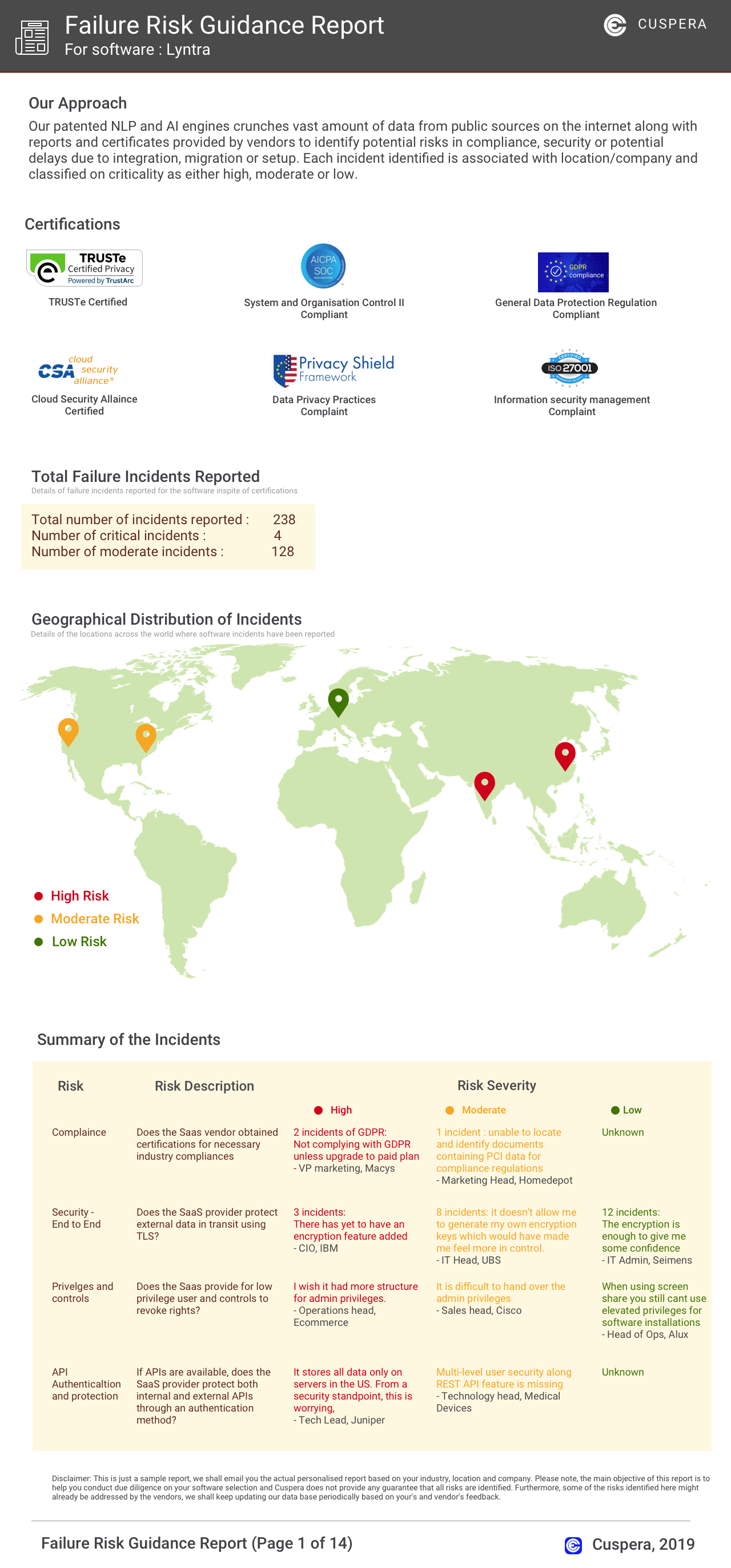
Software Failure Risk Guidance
?for Kepion
Overall Risk Meter
Top Failure Risks for Kepion
Kepion, Inc. News
Gartner Names Kepion in 2024 Financial Planning Software Magic Quadrant
Gartner recognizes Kepion for excellence in financial planning, highlighting its capabilities in planning, budgeting, forecasting, and integration with Microsoft products like Power BI.
Kepion, Inc. Profile
Company Name
Kepion, Inc.
Company Website
https://www.kepion.com/HQ Location
80 Vine St., Suite #304, Seattle, WA 98121, US
Employees
11-50
Social


Financials
PRIVATE