


Holistics Overview
Holistics revolutionizes self-service analytics by integrating DevOps best practices into its platform. This approach allows businesses to leverage a streamlined analytics process, fostering a collaborative environment between data teams and end-users. By offering diverse features tailored to different user profiles, Holistics enhances data accessibility and democratizes insights across organizations. This unique blend of business intelligence and DevOps principles positions Holistics as a forward-thinking solution for companies seeking to empower their teams with direct access to data insights without heavy reliance on IT.
Use Cases
Customers recommend Competitive Intelligence, Social Media Analytics, Lead Analytics, as the business use cases that they have been most satisfied with while using Holistics.
Business Priorities
Enhance Customer Relationships and Acquire Customers are the most popular business priorities that customers and associates have achieved using Holistics.
Holistics Use-Cases and Business Priorities: Customer Satisfaction Data
Holistics works with different mediums / channels such as E-Mail.
Holistics's features include Dashboard, Alerts: Popups & Notifications, Templates, etc. and Holistics support capabilities include Email Support, Chat Support, Phone Support, etc. also Holistics analytics capabilities include Analytics, and Custom Reports.
Reviews
"...The email scheduler feature sends reports and dashboard snapshots to users on a periodic basis...." Peer review
Peer review evidence (same sources as the product rating summary)
"...Holistics A Cloud-based Business Intelligence & Data Analytics Platform we connect to your databases and help you get the data-driven insights you need.5...." 10 Best Startups of the Year 2019 Asia
"...Create reports containing data from different sources , for more complete reports and analytics with a single view of the data that matters, using data from different places...." Cross Database Joins
"...Jacob Eyo, Data Analytics Lead, ShopBack. ..." ShopBack Case Study: Building a data-first organization for non-technical users
Holistics, Hevo, Phocas, ZAP Data Hub, Striim, etc., all belong to a category of solutions that help Business Intelligence. Each of them excels in different abilities. Therefore, determining the best platform for your business will depend on your specific needs and requirements.
Holistics offers data integration, visualization, and automation features. Analysts can build end-to-end business intelligence capabilities using this self-service BI platform.
Popular Business Setting
for Holistics
Top Industries
- Information Technology and Services
- Consumer Services
- Real Estate
Popular in
- Small Business
- Mid Market
- Enterprise
Holistics is popular in Information Technology And Services, Consumer Services, and Real Estate and is widely used by Small Business, Mid Market, and Enterprise.
Holistics Customer wins, Customer success stories, Case studies
What makes Holistics ideal for Competitive Intelligence?
How can Holistics optimize your Lead Analytics Workflow?
How can Holistics enhance your Sending & Publishing Communications process?
What Are the key features of Holistics for Collaboration?
Holistics Product Overview - Analytics As Code
Frequently Asked Questions (FAQ)
What buyers ask before choosing Holistics
Integrations What CRM integrations are available with Holistics?
Holistics supports integration with various CRM systems, allowing businesses to streamline their data reporting and analytics processes. While the specific CRM integrations available are not detailed in the provided context, Holistics is designed to work with multiple data sources, including transactional databases and applications. This flexibility means that popular CRM platforms like Salesforce and HubSpot can typically be integrated, enabling users to pull relevant customer data directly into their Holistics dashboards for analysis. If your specific CRM is not listed among the supported applications, Holistics encourages users to reach out and suggest their data sources, which can be added to a waiting list for future integration. This approach ensures that businesses can leverage their existing CRM data effectively within Holistics for enhanced decision-making.
Integrations How does Holistics connect to Salesforce and HubSpot?
Holistics connects to Salesforce and HubSpot through its robust integration capabilities, allowing businesses to seamlessly pull data from these platforms for comprehensive analytics. To connect Holistics to Salesforce, users can utilize the built-in Salesforce connector, which enables the extraction of data directly from Salesforce objects and reports. Similarly, for HubSpot, Holistics offers a dedicated integration that allows users to access marketing, sales, and customer data from HubSpot. This integration facilitates the creation of insightful dashboards and reports, empowering teams to make data-driven decisions. By leveraging these integrations, businesses can enhance their analytics processes, streamline data workflows, and gain a holistic view of their operations across both platforms.
Integrations What are the setup steps for integrating Holistics with Marketo?
To integrate Holistics with Marketo, start by ensuring you have access to both platforms and the necessary permissions to create API keys. First, log into your Marketo account and navigate to the Admin section to generate a new API client ID and secret. Next, in Holistics, go to the Integrations tab and select Marketo from the list of available integrations. Enter the API client ID and secret you obtained from Marketo, along with any other required configuration settings, such as the Marketo endpoint URL. Once the integration is established, you can begin importing data from Marketo into Holistics for analysis. Finally, test the connection to ensure data flows correctly, and consult Holistics' documentation for any specific configurations or troubleshooting tips.
Integrations Can I access the Holistics API for custom integrations?
Yes, you can access the Holistics API for custom integrations, allowing you to tailor the platform to meet your specific business needs. Holistics provides a developer-friendly API that facilitates seamless integration with various data sources, applications, and workflows. This capability enables you to automate data extraction, reporting, and analytics processes, enhancing your overall data management strategy. Additionally, the API supports multiple programming languages, including Ruby, Python, NodeJS, and PHP, making it accessible for developers with different skill sets. By leveraging the Holistics API, you can create custom solutions that align with your organization's unique requirements, ensuring that your analytics processes are both efficient and effective.
Integrations What is the data sync behavior between Holistics and other data providers?
Holistics offers a seamless data sync behavior with various data providers, ensuring that your analytics are always up-to-date. The platform supports most popular SQL data sources, allowing for real-time data retrieval and reporting. This means that as data is updated in your source systems, Holistics can reflect those changes almost instantaneously, significantly reducing the data request queue from weeks to mere moments. This capability empowers both technical and non-technical users to access the latest data without needing to write SQL queries, facilitating quicker and more informed decision-making. Additionally, Holistics provides features that allow users to automate data sync processes, ensuring that your dashboards and reports are consistently aligned with the most current data available from your integrated sources.
Integrations Are there any limitations on data flow when integrating Holistics with external applications?
When integrating Holistics with external applications, there are some considerations to keep in mind regarding data flow. Holistics supports integration with various data sources, including SQL databases and multiple data warehouses, allowing for a seamless connection to your existing systems. However, limitations may arise based on the specific data source capabilities and the complexity of the data transformations required. For instance, while Holistics can handle a wide range of data types, the performance may vary depending on the volume of data and the frequency of updates from the external applications. Additionally, if your desired data source is not currently supported, you can request its addition to Holistics' waiting list. Overall, while Holistics offers robust integration options, it's essential to evaluate your specific use case to ensure optimal data flow.
Features What does the drag-and-drop report builder do in Holistics?
The drag-and-drop report builder in Holistics allows users to create customized reports and dashboards effortlessly, without requiring any coding skills. This intuitive interface enables business users to add and arrange visualizations, filters, and text on a blank canvas, facilitating the creation of context-rich dashboards tailored to specific needs. Users can slice, dice, and pivot their data, performing free-style exploration to uncover insights quickly. By simplifying the reporting process, Holistics empowers users to generate meaningful analytics independently, reducing reliance on data teams and accelerating decision-making. This self-service capability enhances productivity and ensures that stakeholders can access the metrics they need in real-time, ultimately driving more informed business decisions.
Features How do I use filters to analyze data in Holistics?
To analyze data using filters in Holistics, start by accessing your dashboard where your data visualizations are displayed. Click on the filter option, which allows you to specify criteria that narrow down the data you want to analyze. You can apply filters based on various dimensions such as date ranges, categories, or specific metrics relevant to your analysis. Once you set your filters, the visualizations will automatically update to reflect only the data that meets your criteria, enabling you to focus on specific segments or trends. This interactive filtering capability allows for deeper insights without the need to export data to Excel, making your analysis more efficient and streamlined. By leveraging filters, you can quickly identify patterns and make data-driven decisions tailored to your business needs.
Features What features does the semantic modeling layer provide in Holistics?
The semantic modeling layer in Holistics provides several key features that enhance data consistency and usability across the organization. It allows analysts to define business metrics and data relationships centrally, ensuring that all reports and dashboards utilize the same definitions, which eliminates metric sprawl and fosters a metric-centric mindset. This layer supports code-based governance, enabling version control through Git, which allows for best practices in software engineering to be applied to BI workflows. Additionally, the semantic layer facilitates the creation of reusable and parameterized BI components, such as dashboards and calculations, which can be easily propagated across teams. Overall, these features empower users to engage in self-service analytics confidently, ensuring that they can derive insights from consistent and reliable data.
Features How can I create a dashboard without coding in Holistics?
Creating a dashboard without coding in Holistics is straightforward thanks to its user-friendly drag-and-drop interface. To get started, simply log into your Holistics account and navigate to the dashboard creation section. From there, you can select a blank canvas or use one of the pre-built templates. Use the intuitive GUI to add visualizations, filters, and text elements to your dashboard by dragging them onto the canvas. You can customize the layout and design to match your branding by setting color palettes and typography styles. Once you’ve arranged your elements, Holistics allows you to save and share your dashboard easily, ensuring that stakeholders can access insights without needing to create accounts. This approach empowers non-technical users to build and manage their own dashboards effectively.
Features What is the process for defining reusable SQL queries in Holistics?
Defining reusable SQL queries in Holistics involves a straightforward process that enhances efficiency and consistency in your analytics. First, users can create custom measures and formulas directly within the Holistics platform, leveraging SQL as the underlying modeling engine. This allows you to define business metrics centrally, ensuring that all users access the same logic and definitions. Once you have created your SQL queries, you can save them as query templates, which can be easily inserted into reports by selecting them from the Query Template dropdown menu during report editing. This not only streamlines the reporting process but also reduces maintenance efforts, as any updates to the SQL logic can be made in one place and automatically reflected across all reports utilizing those templates. By utilizing Holistics' capabilities, teams can achieve faster insights while maintaining accuracy and reusability in their data analysis.
Features How do I set up scheduled email reports in Holistics?
To set up scheduled email reports in Holistics, first, navigate to the report you wish to automate. Once you have your report ready, look for the scheduling options within the report settings. Here, you can specify the frequency of the email delivery, such as daily, weekly, or monthly, and select the recipients who should receive the report. Holistics allows you to dynamically update the date range values, ensuring that the reports reflect the most recent data, like the last week or month. After configuring these settings, save your changes, and the reports will be automatically sent to the designated users' email addresses without any further manual intervention. This feature enhances efficiency by keeping your team informed with the latest insights directly in their inboxes.
ROI & pricing What are the measurable business benefits of using Holistics for data analytics?
Using Holistics for data analytics offers several measurable business benefits that can significantly enhance operational efficiency and decision-making. Firstly, Holistics streamlines the analytics process, reducing maintenance efforts by allowing users to create reusable analytics components, which minimizes the need for repetitive tasks. This leads to time savings and allows teams to focus on strategic initiatives rather than technical upkeep. Additionally, the platform's self-service reporting empowers non-technical users to generate insights independently, fostering a data-driven culture across the organization. Holistics also provides white-glove support, ensuring that businesses receive personalized assistance to maximize their analytics capabilities. Furthermore, features like automated report scheduling eliminate manual processes, ensuring timely access to critical data. Overall, these benefits contribute to improved productivity, better resource allocation, and enhanced decision-making, ultimately driving business growth.
ROI & pricing How can Holistics improve ROI for my business intelligence initiatives?
Holistics can significantly improve ROI for your business intelligence initiatives by streamlining the analytics process and reducing maintenance efforts. By centralizing your data and providing a self-service BI platform, Holistics enables teams to access and analyze information quickly, leading to faster decision-making and improved productivity. The user-friendly interface allows users to create reports and dashboards with ease, minimizing the time spent on training and maximizing the value derived from data insights. Additionally, with white-glove support from the Holistics team, businesses can ensure they are leveraging the platform effectively, further enhancing the return on investment. By integrating Holistics into your BI strategy, you can expect not only cost savings but also a more agile and responsive organization.
ROI & pricing What pricing plans does Holistics offer, and how do they scale with business growth?
Holistics offers flexible, usage-based pricing plans designed to scale with your business growth. This model allows you to start small and expand as your needs increase, avoiding the high upfront commitments and opaque pricing structures often found with other vendors. Holistics provides both monthly and annual payment options, enabling you to choose what best fits your budget and growth trajectory. The pricing structure is particularly advantageous for businesses that require embedded analytics, as it includes unlimited dashboard viewers without additional costs for each user. This transparent approach minimizes barriers to adoption and ensures that you only pay for what you use, making it easier to manage costs while scaling your analytics capabilities effectively.
ROI & pricing What is the total cost of ownership when using Holistics for business intelligence?
The total cost of ownership (TCO) when using Holistics for business intelligence includes several factors that contribute to its overall value. Holistics offers transparent pricing with both monthly and annual payment options, allowing businesses to start small and scale as their usage grows, which minimizes upfront commitments. This flexibility helps teams manage their budgets effectively, as they can adjust their plans based on user needs and data consumption. Additionally, Holistics provides white-glove support, extensive documentation, and personalized onboarding, which can reduce the time and resources spent on training and maintenance. Compared to other BI tools like Tableau or Power BI, Holistics' pricing structure is designed to lower the barrier to adoption, making it a cost-effective choice for businesses looking to implement robust analytics solutions without incurring hidden costs.
ROI & pricing How quickly can I expect to see value from implementing Holistics in my organization?
When implementing Holistics in your organization, you can expect to see value relatively quickly, often within a few weeks. The platform is designed for streamlined analytics processes, allowing teams to model and transform data efficiently. With comprehensive onboarding sessions, including 60-minute calls and access to a Documentation Hub, users can swiftly grasp the necessary technical setup and best practices. Additionally, Holistics fosters a self-service culture, empowering users to explore data independently, which can lead to rapid adoption and utilization across the organization. Many clients, like Optimal Workshop, have reported significant improvements in data-driven decision-making and company-wide adoption shortly after implementation, highlighting Holistics' effectiveness in enhancing business intelligence capabilities.
ROI & pricing What cost savings can businesses achieve by switching to Holistics for their analytics needs?
Switching to Holistics for analytics can lead to significant cost savings for businesses by streamlining the analytics process and reducing maintenance efforts. Holistics automates reporting and data analysis, which minimizes the time spent on manual data handling and reduces the likelihood of errors that can arise from such processes. This efficiency allows teams to focus on strategic decision-making rather than getting bogged down in data management tasks. Additionally, with Holistics' white-glove support, businesses can leverage expert assistance without the need for a large in-house data team, further cutting down on operational costs. By consolidating analytics into a single platform, companies can also avoid the expenses associated with multiple tools, making Holistics a cost-effective solution for data-driven decision-making.
Capabilities What data visualization capabilities does Holistics offer?
Holistics offers robust data visualization capabilities designed for both technical and non-technical users, enabling them to create insightful dashboards and reports with ease. Users can leverage a familiar drag-and-drop interface to slice, dice, and pivot their data, facilitating self-service exploration without the need for advanced technical skills. The platform supports a wide range of custom visualizations, allowing users to go beyond basic charts to meet diverse analytical needs. Additionally, Holistics enables users to maintain brand consistency by setting custom color palettes and typography across dashboards. This flexibility ensures that business teams can consume predefined reports or build their own ad-hoc analyses efficiently, making data exploration intuitive and accessible.
Capabilities Can Holistics support self-service data exploration for non-technical users?
Yes, Holistics is designed to support self-service data exploration for non-technical users effectively. With its intuitive drag-and-drop interface, users can create their own charts and dashboards without needing to write SQL, making it accessible for those without a technical background. This empowers business users to analyze data independently, allowing them to slice, dice, and pivot their data to gain insights without relying on data teams for every request. The platform also includes features like interactive exploration, enabling users to drill down into metrics and view underlying data, further enhancing their ability to explore and understand their data. Overall, Holistics fosters a self-service culture that encourages all users to engage with data confidently and efficiently.
Capabilities Does Holistics provide role-based access control for data security?
Yes, Holistics provides robust role-based access control (RBAC) to enhance data security within your organization. This feature allows administrators to control which actions users can perform, restrict access to specific reports and data sources, and limit the display of sensitive data columns to designated user groups. By implementing RBAC, you can ensure that each user only sees the data they are authorized to access, thereby safeguarding sensitive information. Additionally, Holistics allows users to log in using their Google Account, providing an extra layer of security for your analytics account. This comprehensive approach to data security not only protects your organization's data but also fosters a secure environment for client reporting and analytics.
Capabilities Can I create operational dashboards using Holistics?
Yes, you can create operational dashboards using Holistics. The platform is designed to empower both technical and non-technical users to build their own dashboards quickly and efficiently through a simple drag-and-drop interface. This allows users to add and arrange visualizations, filters, and text on a blank canvas, creating context-rich dashboards tailored to specific operational needs. Additionally, Holistics supports the creation of reusable dashboard templates that can be linked to your database, enabling automatic dashboard generation for new customers or projects. With features like interactive data exploration and the ability to define custom measures, Holistics provides the flexibility and functionality necessary for effective operational dashboard creation.
Capabilities Does Holistics allow for real-time analytics and reporting?
Yes, Holistics does allow for real-time analytics and reporting, enabling businesses to access and analyze their data as it is generated. This capability is particularly beneficial for teams that require up-to-date insights to make informed decisions quickly. For instance, companies like 99.co have transitioned from manual reporting processes to automated email reports, ensuring that key metrics are consistently monitored without delays. Holistics facilitates this by integrating directly with your existing database, eliminating the need for data uploads and allowing for immediate access to live data. Additionally, features like interactive data exploration empower users to drill down into metrics and uncover insights without exporting data to external tools, enhancing the overall efficiency of data-driven decision-making.
Capabilities Can Holistics handle large-scale data integration for enterprise needs?
Yes, Holistics is designed to handle large-scale data integration for enterprise needs effectively. It supports integration with multiple data warehouses, transactional databases, and various applications, making it suitable for complex data environments. Holistics allows users to streamline their analytics processes, reducing maintenance efforts while ensuring that both technical and non-technical users can access and analyze data efficiently. The platform's ability to model and transform data means that enterprises can prepare their data for visualization in tools like Tableau, enhancing their overall data strategy. Additionally, Holistics is built with scalability in mind, allowing businesses to adapt their data integration processes as their needs grow, ensuring that they can manage large volumes of data without compromising performance.
Use cases How can SDRs use Holistics to improve their lead scoring and customer segmentation processes?
Sales Development Representatives (SDRs) can leverage Holistics to enhance their lead scoring and customer segmentation processes by utilizing its self-service analytics capabilities. By integrating data from various sources, such as CRM systems and marketing platforms, SDRs can create customized dashboards that visualize key metrics related to lead behavior and customer demographics. This allows them to identify high-potential leads based on engagement levels and other relevant criteria. Holistics' analytics-as-code feature enables SDRs to automate the scoring process, ensuring that they focus on the most promising leads. Additionally, the intuitive interface allows SDRs to explore data without needing advanced technical skills, fostering a data-driven approach to segmentation and lead prioritization, ultimately improving conversion rates and sales efficiency.
Use cases What are the best practices for marketers to implement Holistics for tracking multi-channel ad campaign performance?
To effectively implement Holistics for tracking multi-channel ad campaign performance, marketers should start by clearly defining their key performance indicators (KPIs) relevant to each channel, such as user sign-ups and conversion rates. Next, they should integrate Holistics with their existing data sources, including third-party tracking tools, to consolidate all relevant data into a single dashboard. This allows for real-time visibility and easier analysis. Marketers should also leverage Holistics' ability to create customized reports and visualizations, ensuring that insights are easily accessible to stakeholders. Regularly reviewing and adjusting the reporting criteria based on campaign performance will help optimize future strategies. Lastly, training team members on how to utilize Holistics effectively will enhance collaboration and decision-making across the marketing team.
Use cases In what ways can RevOps teams leverage Holistics to create operational dashboards for better data visibility?
RevOps teams can leverage Holistics to create operational dashboards that enhance data visibility by utilizing its self-service BI capabilities, which empower users to explore data independently without relying on the data team for every report. With Holistics, teams can build interactive dashboards using a familiar drag-and-drop interface, allowing them to slice, dice, and pivot data to uncover insights tailored to their specific operational needs. The platform's Git integration enables version control and collaborative development, ensuring that dashboards are built with software engineering best practices, which enhances reliability and reduces maintenance efforts. Additionally, Holistics allows for the creation of reusable business logic across reports, ensuring consistency in metrics and facilitating a single source of truth for all operational data, ultimately leading to more informed decision-making and improved performance tracking.
Use cases How can sales leaders utilize Holistics to enhance their reporting and analytics for enterprise clients?
Sales leaders can utilize Holistics to enhance their reporting and analytics for enterprise clients by leveraging its self-service BI capabilities, which empower teams to create customized dashboards and reports without heavy reliance on IT. With Holistics, sales leaders can easily integrate data from various sources, allowing for real-time insights into sales performance, customer behavior, and market trends. The platform's intuitive drag-and-drop interface enables users to slice and dice data, facilitating deeper analysis and exploration of key metrics. Additionally, automated reporting features can streamline the distribution of critical sales reports, ensuring that stakeholders receive timely updates. By utilizing Holistics, sales leaders can make data-driven decisions, improve client engagement, and ultimately drive revenue growth for their enterprise clients.
Use cases What specific workflows should marketing teams follow when adopting Holistics for self-service analytics?
When adopting Holistics for self-service analytics, marketing teams should follow a structured workflow to ensure successful implementation and usage. First, begin with a kickoff meeting to identify specific data needs and objectives, fostering a collaborative environment. Next, provide comprehensive training sessions to empower team members with the skills to navigate Holistics effectively, focusing on real-world applications relevant to marketing. Encourage the creation of detailed documentation that outlines processes and best practices for data access and reporting. Additionally, establish a feedback loop where users can share their experiences and request support, ensuring continuous improvement. Finally, promote a culture of data exploration by allowing team members to create their own dashboards and reports, which enhances engagement and drives data-driven decision-making across marketing initiatives.
Use cases How did GroupM Indonesia transition from manual reporting to using Holistics for real-time analytics in their advertising campaigns?
GroupM Indonesia transitioned from manual reporting to using Holistics for real-time analytics by implementing a white-label solution that streamlined their data processes. Previously reliant on slow and error-prone manual spreadsheets, they adopted Holistics to create live dashboards that consolidated data from multiple sources, including Google Analytics and various social media platforms like Facebook and Instagram. This shift allowed them to deliver up-to-date analytics and reports to their clients without the need for constant requests. The integration of application programming interfaces (APIs) further enhanced their ability to connect different data sources seamlessly, improving data visibility and client engagement. As a result, GroupM was able to increase the quality and speed of their reporting, ultimately enhancing their overall client services and satisfaction.
Alternatives What are the best alternatives to Holistics for business intelligence?
When considering alternatives to Holistics for business intelligence, several notable options stand out. Tableau is renowned for its powerful data visualization capabilities, making it a popular choice for users who prioritize interactive dashboards. Power BI, developed by Microsoft, offers seamless integration with other Microsoft products and is favored for its user-friendly interface and affordability. Looker, now part of Google Cloud, excels in data exploration and analytics, particularly for organizations already invested in the Google ecosystem. Domo provides a comprehensive platform that combines data visualization with business management tools, while Sisense is known for its robust analytics capabilities and ability to handle large datasets efficiently. Each of these tools has unique strengths, so the best choice will depend on your specific business needs and existing technology stack.
Alternatives How does Holistics compare to Tableau in terms of features and usability?
Holistics and Tableau are both powerful business intelligence (BI) tools, but they cater to different user needs and preferences. Holistics is designed for data teams looking for a code-based approach to data modeling and reporting, offering features like automated data pipelines and SQL-based reporting, which can be advantageous for users comfortable with coding. In contrast, Tableau excels in its user-friendly, drag-and-drop interface, making it accessible for non-technical users who want to create visualizations quickly. While Tableau provides extensive visualization options and interactivity, Holistics focuses on data transformation and automation, making it ideal for organizations that prioritize data governance and consistency. Ultimately, the choice between Holistics and Tableau depends on your team's technical expertise and specific BI requirements.
Alternatives What are the key differences between Holistics and Power BI?
Holistics and Power BI are both powerful business intelligence tools, but they cater to different user needs and preferences. Holistics is designed with a code-first approach, making it ideal for data teams that prefer treating analytics as part of the software development process, allowing for greater customization and flexibility in data modeling. In contrast, Power BI offers a more user-friendly, drag-and-drop interface, making it accessible for business users who may not have a technical background. Additionally, Power BI integrates seamlessly with other Microsoft tools, enhancing its appeal for organizations already using Microsoft products. While Power BI excels in enterprise features and ease of use, Holistics stands out for its robust data transformation capabilities, making the choice between them largely dependent on the specific requirements and technical expertise of the user or organization.
Alternatives Is Holistics a better choice than Looker for data visualization?
Holistics and Looker both offer robust data visualization capabilities, but they cater to different user needs and preferences. Holistics is particularly advantageous for organizations without a dedicated data team, as it allows business users to create reports and conduct ad-hoc analysis through a user-friendly drag-and-drop interface. This empowers non-technical users to explore data easily while relying on predefined metrics and datasets maintained by the data team. In contrast, Looker excels in its analytics-as-code approach, which is ideal for teams with technical expertise looking for customizable and complex data modeling. Ultimately, the choice between Holistics and Looker depends on your organization's technical capabilities and the level of self-service analytics required by your business users.
Alternatives How does Holistics stack up against Domo in terms of performance?
When comparing Holistics and Domo in terms of performance, both tools offer distinct advantages tailored to different business needs. Domo is known for its all-in-one cloud platform that integrates ETL, dashboards, and app-building capabilities, making it ideal for teams seeking a comprehensive solution with minimal setup. Its performance shines in environments without a modern data stack, providing quick access to insights. On the other hand, Holistics excels in data modeling and reporting, allowing for more customized analytics and deeper data exploration, which can be beneficial for data teams that require flexibility and control over their data processes. Ultimately, the choice between Holistics and Domo will depend on whether a business prioritizes an integrated platform or a more tailored analytics approach.
Alternatives What unique strengths does Holistics have compared to Thoughtspot?
Holistics offers several unique strengths compared to Thoughtspot, making it a compelling choice for businesses focused on analytics. One of its standout features is the "Analytics-as-Code" approach, which allows for Git-based version control of all analytics assets, providing a robust framework for data analysts and engineers. Additionally, Holistics employs a SQL-first approach, granting direct SQL access that appeals to technical users while still offering a user-friendly drag-and-drop interface for non-technical business users. This balance of power and simplicity is complemented by its modern data stack integration, supporting platforms like dbt, Snowflake, and BigQuery. Furthermore, Holistics is generally more affordable than Thoughtspot, making it an attractive option for smaller companies or those with many casual users, while still maintaining strong data governance and self-service capabilities.
Holistics Competitors


Holistics Features
- Low
- Medium
- High
| FEATURE | RATINGS AND REVIEWS |
|---|---|
| AI Powered | Read Reviews (11) |
| Analytics | Read Reviews (271) |
| Custom Reports | Read Reviews (653) |
| CAPABILITIES | RATINGS AND REVIEWS |
|---|---|
| AI Powered | Read Reviews (11) |
| Analytics | Read Reviews (271) |
| Custom Reports | Read Reviews (653) |
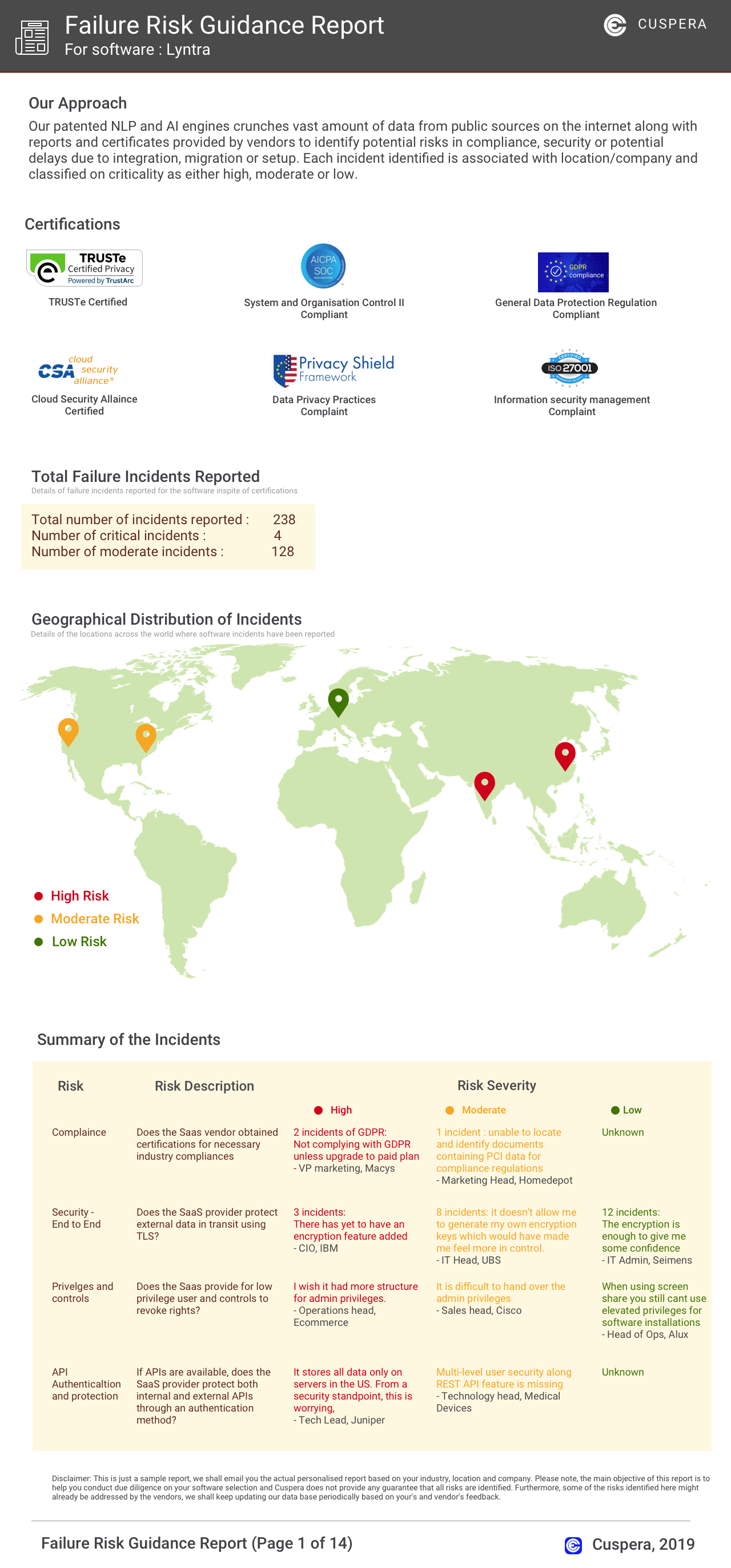
Software Failure Risk Guidance
?for Holistics
Overall Risk Meter
Top Failure Risks for Holistics
Holistics Software Pte. Ltd. News
Holistics Joins House Mates, ClickHouse’s New Partner Ecosystem
Holistics joins ClickHouse's House Mates partner ecosystem, enhancing integration between Holistics' AI analytics platform and ClickHouse's columnar database. This partnership aims to improve customer experiences by offering seamless BI and reporting capabilities, leveraging Holistics' native ClickHouse connectivity and advanced semantic layer.
Holistics Software Pte. Ltd. Profile
Company Name
Holistics Software Pte. Ltd.
Company Website
https://www.holistics.io/HQ Location
Jalan H. R. Rasuna Said Kav. X-2, Ariobimo Sentral, Kuningan, South Jakarta 12950, ID
Employees
11-50
Social


Financials
PRIVATE

How can Holistics optimize your Social Media Analytics Workflow?