

AKEYLESS Overview
Akeyless secures credentials, certificates, and keys across multi-cloud environments. It is promoted as the top alternative to traditional vault solutions.
Use Cases
Customers recommend Trust Management, Onboarding, Pipeline Management, as the business use cases that they have been most satisfied with while using AKEYLESS.
AKEYLESS Use-Cases and Business Priorities: Customer Satisfaction Data
Peer review evidence (same sources as the product rating summary)
"..."Akeyless is uniquely positioned to address digital transformation and cloud migration needs zero-trust, secret management as-a-service, generating increased security, seamless usability and better TCO...." Secrets Management and Secure Remote Access
"...With Akeyless Vault, enterprises enjoy faster time-to-production, seamless onboarding, greater functionality, and stronger security Start instantly. ..." Secrets Management and Secure Remote Access
"...Use various plugins to push secrets into your CI/CD pipelines, Configuration Management, and Container Orchestration tools...." Akeyless Vault for Secrets Management
AKEYLESS, Nakivo, Veeam Backup & Replication, Netwrix Auditor, PageFreezer, etc., all belong to a category of solutions that help Security. Each of them excels in different abilities. Therefore, determining the best platform for your business will depend on your specific needs and requirements.
AKEYLESS Customer wins, Customer success stories, Case studies
How can AKEYLESS enhance your Onboarding process?
Wix - Internet - Large
Cimpress - Information Technology And Services - Very Large
Progress Software Corporation - Computer Software - Large
Constant Contact - Marketing And Advertising - Large
Migrating AWS and HashiCorp Vault Secrets into Akeyless
Frequently Asked Questions (FAQ)
What buyers ask before choosing AKEYLESS
Integrations What CRM integrations are available for Akeyless?
Akeyless offers several CRM integrations to enhance its secrets management capabilities, allowing businesses to securely manage sensitive data across various platforms. Notable integrations include Salesforce, HubSpot, Dynamics 365, Marketo, Pardot, Salesloft, and Outreach. These integrations enable organizations to streamline their workflows by securely managing access to secrets and credentials needed for CRM operations. By leveraging Akeyless's Zero-Knowledge security architecture, businesses can ensure that sensitive information remains protected while still being accessible to authorized users within their CRM systems. This not only improves security but also enhances operational efficiency, making Akeyless a valuable addition to any CRM strategy.
Integrations How does Akeyless connect to Salesforce and HubSpot?
Akeyless connects to Salesforce and HubSpot through dedicated integrations that facilitate secure secrets management and access governance. For Salesforce, Akeyless provides a seamless integration that allows organizations to manage sensitive data and credentials securely within their Salesforce environment, ensuring compliance and enhancing security protocols. Similarly, the HubSpot integration enables users to centralize their secrets management, allowing teams to control access to sensitive marketing data efficiently. Both integrations support automated secret rotations and provide audit trails, which help maintain security and compliance across platforms. By leveraging these integrations, businesses can enhance their operational efficiency while safeguarding critical information in their Salesforce and HubSpot applications.
Integrations How does Akeyless connect to Salesforce and what are the setup steps?
Akeyless connects to Salesforce by utilizing its API to securely manage and store sensitive credentials and secrets required for Salesforce integrations. To set up this connection, first, ensure you have an Akeyless account and access to your Salesforce instance. Next, create a new secret in Akeyless for your Salesforce credentials, including the username and password. Then, configure the Akeyless API to authenticate requests from Salesforce by generating an API token. In Salesforce, use the Akeyless API to retrieve the stored credentials securely whenever needed. Finally, test the integration to ensure that Salesforce can access the secrets without any issues, allowing for seamless operations while maintaining security. This setup enhances security by keeping sensitive information out of the Salesforce environment.
Integrations What are the setup steps for integrating Akeyless with Marketo?
To integrate Akeyless with Marketo, start by ensuring you have administrative access to both platforms. First, log into your Akeyless account and navigate to the integrations section to find the Marketo integration option. Follow the prompts to generate an API key, which will be required for the connection. Next, log into your Marketo account and access the Admin panel, where you can input the Akeyless API key in the designated integration settings. After entering the key, configure the necessary permissions and access controls to ensure secure data flow between Akeyless and Marketo. Finally, test the integration by performing a sample data retrieval to confirm that the connection is functioning correctly. This setup will enhance your marketing operations by securely managing sensitive data within Marketo.
Integrations Can Akeyless integrate with HubSpot and what is the sync behavior?
Yes, Akeyless can integrate with HubSpot, allowing businesses to streamline their secrets management processes within their marketing and sales platforms. The integration facilitates the secure storage and management of sensitive information, such as API keys and access tokens, which are essential for connecting HubSpot with other applications. The sync behavior typically involves automatic updates of secrets, ensuring that any changes made in Akeyless are reflected in HubSpot in real-time, thereby minimizing the risk of using outdated or compromised credentials. This seamless integration not only enhances security but also improves operational efficiency by automating the management of secrets across platforms, allowing teams to focus on their core activities without worrying about credential sprawl.
Integrations How does Akeyless handle data synchronization with Dynamics 365?
Akeyless handles data synchronization with Dynamics 365 through its integration capabilities, allowing for seamless management of secrets and sensitive data across platforms. This integration enables real-time synchronization of secrets without the need for data migration, ensuring that existing workflows and security policies within Dynamics 365 remain intact. Akeyless provides a Universal Secrets Connector that facilitates bi-directional synchronization, which helps maintain consistent access controls and audit trails across multi-cloud environments. By leveraging Akeyless for data synchronization, businesses can enhance their security posture while ensuring that sensitive information is managed efficiently and securely within Dynamics 365, ultimately supporting compliance and operational integrity.
Integrations What are the configuration requirements for Akeyless integration with Marketo?
To integrate Akeyless with Marketo, you need to ensure that your Akeyless account is set up with the necessary permissions to manage secrets and access tokens. First, you should have an active Akeyless account and a Marketo instance. Next, configure the Akeyless Gateway if you require local encryption, ensuring it is properly connected to your network. In Marketo, you will need to create a custom API integration that allows Akeyless to securely manage credentials and secrets used within your marketing campaigns. Additionally, ensure that you have the appropriate API keys and access tokens from Marketo to facilitate communication between the two platforms. Following these steps will enable a seamless integration, enhancing your security and efficiency in managing sensitive data across your marketing operations.
Integrations What are the limitations of Akeyless integrations with data providers?
Akeyless offers robust integrations with various data providers, including Salesforce, HubSpot, Dynamics 365, and AWS Secrets Manager, enhancing its capabilities in secrets management and privileged access. However, limitations may arise in terms of compatibility with certain legacy systems or specific configurations that could hinder seamless integration. Additionally, while Akeyless supports real-time synchronization and automatic secret rotation, the complexity of multi-cloud environments can introduce challenges in maintaining consistent security policies across different platforms. Users may also encounter restrictions related to the depth of integration features available for each data provider, which could affect the overall functionality. Therefore, it's essential for businesses to assess their specific needs and the compatibility of Akeyless with their existing infrastructure before implementation.
Integrations How does data flow between Akeyless and Dynamics 365?
Data flow between Akeyless and Dynamics 365 is facilitated through Akeyless' secure secrets management capabilities, which ensure that sensitive information is handled safely. Akeyless integrates with Dynamics 365 by providing secure access to secrets, keys, and certificates needed for application authentication and authorization. This integration allows organizations to manage credentials dynamically, ensuring that sensitive data is not hard-coded within the Dynamics 365 environment. Akeyless employs its patented Distributed Fragments Cryptography (DFC™) to encrypt secrets, ensuring that they remain confidential and are only accessible to authorized users and applications. Additionally, Akeyless supports fine-grained access controls and automated credential rotation, enhancing security and compliance within Dynamics 365 deployments. This seamless integration helps businesses maintain control over their sensitive data while leveraging the capabilities of both platforms effectively.
Integrations Can I access the Akeyless API for custom integrations?
Yes, you can access the Akeyless API for custom integrations, allowing you to tailor the platform to meet your specific business needs. The Akeyless API provides a comprehensive set of endpoints that enable you to manage secrets, access policies, and perform various operations programmatically. This flexibility is particularly beneficial for organizations looking to integrate Akeyless with existing systems or workflows, enhancing security and efficiency. Additionally, Akeyless supports integrations with popular platforms such as Salesforce, HubSpot, and AWS Secrets Manager, which can further streamline your operations. By leveraging the Akeyless API, you can create a seamless experience that aligns with your organization's security and compliance requirements.
Integrations Are there any limitations when integrating Akeyless with Pardot?
When integrating Akeyless with Pardot, users should be aware of a few potential limitations. While Akeyless provides robust secrets management and can enhance security for Pardot users, the integration may require careful configuration to ensure seamless communication between the two platforms. Users must ensure that the necessary API keys and access permissions are correctly set up in both Akeyless and Pardot to facilitate data flow. Additionally, since Akeyless operates on a Zero-Knowledge architecture, users must manage their encryption keys effectively to avoid any disruptions in accessing sensitive data. It's advisable to consult Akeyless documentation or support for specific integration guidelines and best practices to mitigate any challenges during the setup process.
Features What does AKEYLESS dynamic secrets do?
Akeyless dynamic secrets are a feature of the Akeyless Secrets Management platform that provides temporary, time-limited credentials for accessing sensitive resources. Unlike static secrets, which remain unchanged until manually updated, dynamic secrets are generated on-the-fly and are unique to each request, significantly enhancing security. This approach minimizes the risk of credential exposure, as these secrets automatically expire after a defined period, reducing the window of opportunity for unauthorized access. Businesses benefit from Akeyless dynamic secrets by improving their security posture, simplifying credential management, and ensuring compliance with security policies. This feature is particularly valuable in environments where applications require frequent access to databases or cloud services, allowing organizations to maintain strict control over access while minimizing the administrative burden associated with managing static credentials.
Features What does Akeyless Secrets Management do?
Akeyless Secrets Management is a cloud-native, Zero-Knowledge security platform designed to securely manage sensitive information such as credentials, certificates, and encryption keys. It employs a unique vaultless architecture that distributes secrets across multiple locations, enhancing security by making unauthorized access significantly more difficult. Akeyless enables organizations to manage static, dynamic, and short-lived secrets from a single interface, streamlining operations and reducing the risk of credential exposure. Additionally, it offers features like automated secrets rotation, centralized identity management, and compliance reporting, all while maintaining high performance and scalability. By eliminating standing privileges and providing auto-expiring credentials, Akeyless helps businesses minimize risk and maintain control over their sensitive data, ultimately saving time and resources in the management of secrets.
Features How do I use AKEYLESS secure workflows?
To use Akeyless secure workflows, start by logging into your Akeyless account and navigating to the secure workflows section within the platform. Here, you can create a new workflow by defining the specific tasks and actions that need to be automated, such as secret management or access control processes. Utilize the built-in templates or customize your workflow to suit your organization's needs, ensuring to incorporate role-based access controls for enhanced security. Once your workflow is set up, you can test it to ensure it functions as intended, and then deploy it across your teams. Regularly monitor and audit the workflow's performance to maintain compliance and security standards. This streamlined approach helps improve efficiency while safeguarding sensitive data within your organization.
Features How do I configure Akeyless Secure Remote Access for my cloud environment?
To configure Akeyless Secure Remote Access for your cloud environment, start by integrating Akeyless with your existing cloud infrastructure, such as AWS, Azure, or GCP. First, ensure that your Akeyless account is set up and that you have the necessary permissions. Next, define your access policies using role-based authentication and Just-in-Time permissions to enhance security. You can then connect your on-prem servers via SSH and RDP, as well as databases and Kubernetes clusters, to the Akeyless platform. Utilize the Akeyless Gateway for local encryption, ensuring that sensitive data remains under your control. Finally, monitor and audit all access sessions through Akeyless's detailed logging features to maintain compliance and visibility. This setup will streamline secure access while adhering to a Zero Trust security model.
Features What are AKEYLESS access policies and how do they work?
AKEYLESS access policies are rules that govern who can access specific resources within an organization, ensuring that only authorized users can interact with sensitive data and systems. These policies are integral to AKEYLESS's Identity Security Platform, enabling organizations to enforce security measures based on user roles, attributes, and contextual factors. By implementing AKEYLESS access policies, businesses can achieve a zero-trust security model, where access is granted based on continuous verification rather than implicit trust. This approach enhances security by minimizing the risk of unauthorized access and data breaches. Additionally, AKEYLESS allows for the automation of access policy enforcement, simplifying management and ensuring compliance with regulatory standards. Overall, AKEYLESS access policies provide a robust framework for protecting critical assets in a dynamic digital environment.
Features What features are included in Akeyless privileged access management?
Akeyless Privileged Access Management (PAM) includes a range of robust features designed to enhance security and streamline access control. Key functionalities include granular, identity-driven controls that grant access based on verified user identity and role, ensuring that users and applications receive only the permissions they need. This minimizes the risk of misuse or lateral movement within the network. Akeyless also supports seamless single sign-on (SSO) integration with identity providers such as Okta, Azure AD, and Ping, utilizing protocols like SAML, LDAP, or OIDC for platform-agnostic access. Additionally, the solution features auto-expiring credentials to eliminate standing privileges, centralized management of secrets, and compliance maintenance, all of which contribute to a secure and efficient privileged access environment.
Features How can I configure AKEYLESS secret automation?
To configure Akeyless secret automation, start by accessing the Akeyless Vault interface and navigating to the "Secrets Automation" section. Here, you can define the types of secrets you want to automate, such as API keys or database credentials. Next, set up the automation rules by specifying the conditions under which secrets should be created, updated, or revoked. You can utilize Akeyless's dynamic secrets feature to generate secrets on-the-fly based on your defined policies. Additionally, integrate Akeyless with your CI/CD pipeline or other tools like Terraform for seamless secret management. Finally, ensure that you test the automation setup to verify that secrets are being managed as intended, enhancing security and operational efficiency across your organization.
Features How do I use Akeyless dynamic secrets in my application?
To use Akeyless dynamic secrets in your application, start by integrating the Akeyless Secrets Manager with your application environment. First, ensure that your application can communicate with Akeyless by configuring the necessary API endpoints and authentication methods. Next, define the dynamic secrets you need, such as database credentials or API keys, within the Akeyless platform. You can then use the Akeyless API to request these secrets at runtime, which will be generated on-the-fly based on your specified parameters. This approach not only enhances security by minimizing the risk of credential exposure but also automates credential rotation, ensuring that your application always uses up-to-date secrets. Finally, monitor and audit access to these secrets through Akeyless's built-in logging features to maintain compliance and security best practices.
Features What functionality does the AKEYLESS vault platform provide?
The Akeyless vault platform provides comprehensive functionality for managing secrets and machine identities, ensuring secure access to sensitive data across various environments. Key features include dynamic secrets management, which generates temporary credentials for applications, and privileged access management, allowing organizations to control and monitor access to critical resources. Akeyless also supports encryption key management, enabling users to securely store and manage encryption keys. Additionally, the platform offers automated secret management, which streamlines the process of handling secrets across multiple teams and products. With its zero-trust approach, Akeyless enhances security by enforcing strict access policies and providing audit and monitoring capabilities, ensuring compliance with industry standards like ISO and GDPR. This robust functionality helps businesses protect their data and maintain operational integrity in a secure manner.
Features What is the purpose of Akeyless policy enforcement?
The purpose of Akeyless policy enforcement is to ensure the security and compliance of its secrets management platform by regulating access to sensitive data and resources. Akeyless implements stringent security measures, including multi-factor authentication (MFA) and clear desk policies, to minimize risks associated with unauthorized access. By enforcing these policies, Akeyless not only protects customer data but also promotes a culture of security awareness among employees, ensuring they understand their responsibilities regarding information security. Additionally, Akeyless has established repercussions for non-compliance, reinforcing the importance of adhering to these policies. This comprehensive approach helps organizations maintain compliance with regulations such as GDPR and CCPA, ultimately safeguarding their data assets while enhancing operational efficiency.
Features How do I set up AKEYLESS privileged access management?
To set up AKEYLESS privileged access management (PAM), start by creating an account on the AKEYLESS platform and logging in. Next, configure your environment by integrating AKEYLESS with your existing identity management systems, such as Active Directory or AWS IAM, to streamline user authentication. After integration, define your access policies by specifying user roles and permissions to ensure that only authorized personnel can access sensitive resources. Utilize the AKEYLESS digital vault to securely store and manage secrets, such as passwords and API keys. Finally, implement monitoring and auditing features to track access and ensure compliance with security policies. For detailed guidance, refer to the AKEYLESS documentation and user manuals available on their website.
Features How can I set up Akeyless secure workflows for my team?
To set up Akeyless secure workflows for your team, start by integrating the Akeyless platform with your existing systems, ensuring that all team members have the necessary access permissions. Utilize the Akeyless Gateway for local encryption, which allows you to maintain control over your secrets while leveraging the cloud's scalability. Next, configure role-based access control to define who can access specific secrets, keys, and certificates, enhancing security and compliance. Implement auto-expiring credentials to eliminate standing privileges, which reduces the risk of unauthorized access. Finally, educate your team on best practices for using Akeyless, including how to manage static, dynamic, and rotated secrets effectively. By following these steps, you can create a secure and efficient workflow that aligns with Zero Trust principles while empowering your team to work confidently.
ROI & pricing What measurable business value can AKEYLESS provide for my organization?
Akeyless provides significant measurable business value by simplifying secrets management, enhancing security, and reducing operational complexity. With its Zero-Knowledge SaaS architecture and patented Distributed Fragments Cryptography™ (DFC™), Akeyless ensures that sensitive data remains under your control while minimizing the risk of unauthorized access. Organizations can expect improved compliance with security regulations, as Akeyless is NIST FIPS 140-2 compliant, which is crucial for industries like finance and healthcare. Additionally, the platform's ability to manage static, dynamic, and short-lived secrets across multi-cloud and legacy systems streamlines workflows, saving time and reducing costs associated with managing multiple security solutions. By adopting Akeyless, businesses can achieve a more secure, efficient, and scalable environment, ultimately leading to enhanced operational performance and reduced risk exposure.
ROI & pricing How does AKEYLESS improve ROI through cost savings and revenue impact?
Akeyless improves ROI for businesses by significantly reducing costs associated with security management and compliance. By providing enterprise-class secrets management and privileged access management, Akeyless minimizes the risk of data breaches, which can lead to costly fines and reputational damage. The platform's automation capabilities streamline operations, allowing teams to manage sensitive data efficiently without the need for extensive manual oversight, thus lowering labor costs. Additionally, Akeyless supports compliance with global standards like ISO, GDPR, and PCI, which can prevent financial penalties and enhance customer trust, ultimately driving revenue growth. By ensuring secure and compliant operations, Akeyless enables companies to focus on their core business activities, leading to improved productivity and profitability.
ROI & pricing How does AKEYLESS impact ROI and cost savings for enterprises?
Akeyless significantly impacts ROI and cost savings for enterprises by streamlining secrets management and reducing operational complexities. Its SaaS-native platform eliminates the need for extensive on-premises infrastructure, which lowers maintenance costs and minimizes the risk of data breaches. By utilizing Akeyless's patented Distributed Fragments Cryptography™ (DFC™), organizations can ensure that sensitive data remains secure while maintaining full control, thus avoiding potential financial losses from security incidents. Additionally, Akeyless automates key management processes, such as secrets rotation, which saves time and resources that can be redirected towards strategic initiatives. Overall, the combination of enhanced security, reduced complexity, and operational efficiency leads to a compelling ROI for enterprises adopting Akeyless.
ROI & pricing What are the different pricing plans available for AKEYLESS and what do they include?
Akeyless offers a range of pricing plans designed to accommodate various business needs, ensuring a cost-effective solution for secrets management. While specific pricing details are not publicly disclosed, Akeyless typically provides tiered plans that include features such as unified secrets management, privileged access management, and enterprise data protection. Each plan is structured to include essential functionalities without hidden costs, allowing organizations to scale as their secret management requirements grow. Additionally, Akeyless emphasizes clear and predictable pricing models, which help businesses budget effectively. For precise pricing information tailored to your organization's needs, it's recommended to contact Akeyless directly or request a demo to explore the available options.
ROI & pricing What is the total cost of ownership for implementing AKEYLESS in my business?
The total cost of ownership (TCO) for implementing Akeyless in your business includes several factors such as licensing fees, infrastructure costs, and ongoing maintenance expenses. Akeyless offers a subscription-based pricing model, which can vary based on the number of users and the specific features you require, such as secrets management and privileged access management. Additionally, consider potential costs for training staff and integrating Akeyless with existing systems like Salesforce, HubSpot, or Marketo. It's essential to evaluate the long-term benefits, including improved security, compliance with standards like SOC 2, and enhanced operational efficiency, which can offset initial costs. For a precise estimate tailored to your business needs, contacting Akeyless directly for a quote is recommended.
ROI & pricing What is the total cost of ownership when using AKEYLESS for key management?
The total cost of ownership (TCO) when using Akeyless for key management includes several factors that contribute to its overall value. Akeyless offers clear and predictable pricing models, which encompass all essential features without hidden costs, making budgeting straightforward. The platform's SaaS-native architecture reduces the need for extensive on-premises infrastructure, leading to lower maintenance and operational expenses. Additionally, Akeyless minimizes risks associated with secrets management, potentially saving costs related to security breaches and compliance failures. By streamlining the management of static, dynamic, and short-lived secrets, Akeyless enhances operational efficiency, further contributing to cost savings over time. Overall, the TCO reflects not just the subscription fees but also the long-term savings and risk mitigation benefits that Akeyless provides.
ROI & pricing How quickly can I expect to see value from AKEYLESS after implementation?
After implementing Akeyless, businesses can expect to see value relatively quickly, often within a few weeks. The platform is designed for rapid deployment, allowing organizations to start managing secrets and privileged access efficiently almost immediately. Users typically report improvements in security posture and compliance with standards like ISO, GDPR, and PCI shortly after integration. Akeyless provides robust features such as privileged access management and encryption key management, which help streamline operations and enhance data protection. Additionally, the platform's user-friendly interface and comprehensive support resources facilitate a smooth transition, enabling teams to adopt best practices in secrets management without significant downtime. Overall, the swift realization of benefits makes Akeyless a compelling choice for organizations looking to enhance their security infrastructure.
ROI & pricing How quickly can I expect to see value from implementing AKEYLESS in my business?
When implementing Akeyless in your business, you can expect to see value relatively quickly, often within a few weeks. Akeyless is designed to simplify secrets management, reduce sprawl, and minimize risk, which can lead to immediate improvements in security posture and operational efficiency. The platform's Zero-Knowledge architecture ensures that you maintain control over your data while benefiting from a unified approach to managing secrets, keys, and certificates. Additionally, the Akeyless Gateway allows for seamless integration with existing systems, enabling you to enhance your security framework without significant disruption. As you adopt Akeyless, you will likely notice reduced complexity and improved compliance, allowing your team to focus on core business activities rather than managing secrets.
ROI & pricing What are the potential cost savings associated with using AKEYLESS for data protection?
Using AKEYLESS for data protection can lead to significant cost savings for businesses by streamlining secret management and reducing the risk of data breaches. AKEYLESS automates secret management processes, which minimizes the need for extensive manual oversight and reduces labor costs associated with managing sensitive data. Additionally, by enforcing access policies and providing robust audit and monitoring capabilities, AKEYLESS helps prevent unauthorized access, thereby mitigating potential financial losses from security incidents. The platform's ability to integrate with existing systems, such as cloud services and identity management tools, further enhances operational efficiency, allowing organizations to allocate resources more effectively. Overall, the combination of improved security, reduced labor costs, and enhanced operational efficiency can lead to substantial long-term savings for businesses utilizing AKEYLESS for their data protection needs.
ROI & pricing What are the potential revenue impacts of using AKEYLESS for data protection?
Using Akeyless for data protection can significantly impact revenue by enhancing security, reducing operational risks, and improving compliance with regulations. By implementing Akeyless's Zero-Knowledge security architecture and patented Distributed Fragments Cryptography™ (DFC™), businesses can safeguard sensitive data, minimizing the risk of costly breaches that could lead to financial losses and reputational damage. Additionally, Akeyless's efficient secrets management streamlines operations, saving time and resources that can be redirected towards revenue-generating activities. The platform's high availability features, such as multi-region read replicas and versioning, ensure business continuity, further protecting against potential revenue loss during downtime. Ultimately, investing in Akeyless not only secures data but also fosters trust with customers and partners, which can lead to increased sales and long-term growth.
Capabilities Can AKEYLESS manage cloud secrets effectively?
Yes, Akeyless can manage cloud secrets effectively by providing a centralized platform for secrets management across multi-cloud environments. Its Universal Secrets Connector integrates seamlessly with AWS Secrets Manager, enabling real-time, bi-directional synchronization without the need for data migration. This allows organizations to maintain existing workflows and security policies while enhancing their security posture. Akeyless supports features such as automatic secret rotation, unified access controls, and comprehensive audit trails, which are essential for maintaining compliance and protecting sensitive data. Companies like Constant Contact and Wix have successfully utilized Akeyless to improve their security measures and manage secrets efficiently across various teams and products, demonstrating its effectiveness in cloud secret management.
Capabilities What capabilities does Akeyless offer for secrets management?
Akeyless offers a comprehensive suite of capabilities for secrets management designed to enhance security and streamline operations. Its Zero-Knowledge architecture ensures that encryption keys are mathematically split across regions and providers, allowing organizations to maintain full control over their sensitive data. Akeyless unifies the management of static, dynamic, and short-lived secrets, enabling automated secrets rotation and eliminating standing privileges to enhance security. The platform also features centralized identity management, secure remote access, and the ability to connect with external secrets managers, allowing users to manage all secrets from a single location. Additionally, Akeyless supports hybrid deployments through its Gateway, ensuring local encryption while maintaining the scalability and performance needed for enterprise environments. This combination of features makes Akeyless a robust solution for modern secrets management needs.
Capabilities Does AKEYLESS support zero trust access management?
Yes, AKEYLESS supports zero trust access management, which is a security model that requires strict identity verification for every person and device attempting to access resources on a network, regardless of whether they are inside or outside the network perimeter. By implementing zero trust principles, AKEYLESS ensures that access is granted based on user identity and context rather than location, significantly reducing the risk of unauthorized access. This approach enhances security by continuously validating user permissions and employing robust identity and access management (IAM) practices. AKEYLESS integrates seamlessly with various platforms and tools, allowing businesses to enforce granular access controls and policies effectively, thereby aligning with modern security requirements and best practices in cloud environments.
Capabilities Can Akeyless support hybrid cloud environments for secure access?
Yes, Akeyless is designed to support hybrid cloud environments for secure access. It offers a unified platform that integrates seamlessly across public, private, and hybrid clouds, ensuring that organizations can manage their secrets and access securely regardless of their infrastructure. Akeyless utilizes its Secure Remote Access feature, which supports all major cloud providers, including AWS, Azure, and GCP, as well as on-premises environments through SSH and RDP. This capability allows businesses to maintain control over their secrets while reducing complexity and risk. Additionally, Akeyless employs Distributed Fragments Cryptography™ (DFC™) and zero-knowledge architecture, ensuring that sensitive data remains protected and accessible only to authorized users, making it an ideal solution for organizations operating in hybrid cloud settings.
Capabilities Can AKEYLESS provide privileged access management solutions?
Yes, AKEYLESS offers robust privileged access management (PAM) solutions designed to secure and manage access to sensitive systems and data. Their platform enables organizations to enforce strict access controls, automate the management of privileged accounts, and ensure compliance with security policies. AKEYLESS's PAM solutions are built on a zero trust framework, which enhances security by verifying every access request regardless of its origin. This approach not only mitigates risks associated with insider threats but also simplifies the management of privileged identities across various environments. By leveraging AKEYLESS, businesses can effectively safeguard their critical assets while streamlining access management processes, making it a valuable tool for organizations looking to enhance their security posture.
Capabilities Does Akeyless provide detailed audit logs for compliance purposes?
Yes, Akeyless provides detailed audit logs that are essential for compliance purposes. These logs include comprehensive data such as access logs, click stream data, and error reports, which are crucial for tracking user activities and system interactions. Akeyless ensures that its operations, policies, and procedures are regularly audited to meet compliance standards, including ISO 27001 and ISO 27701 certifications. Additionally, Akeyless is committed to transparency and can provide written responses to reasonable requests for information, including compliance questionnaires, to help customers confirm adherence to security and audit requirements. This level of detail in audit logging not only supports compliance initiatives but also enhances overall security management within your organization.
Capabilities Does AKEYLESS offer capabilities for identity and access governance?
Yes, AKEYLESS offers robust capabilities for identity and access governance through its comprehensive identity management solutions. The platform provides features such as user privilege management, identity governance as a service, and secure data transfer, which are essential for maintaining control over user access and ensuring compliance with security policies. AKEYLESS's identity governance capabilities enable organizations to dynamically manage credentials and enforce access policies, thereby supporting a zero trust security model. This functionality is particularly valuable for businesses looking to enhance their security posture while simplifying the management of user identities across various applications and services. By leveraging AKEYLESS, organizations can effectively mitigate risks associated with unauthorized access and streamline their identity governance processes.
Capabilities Can Akeyless scale with the growth of an enterprise business?
Yes, Akeyless is designed to scale seamlessly with the growth of an enterprise business. As a cloud-delivered SaaS platform, it offers a scalable secrets management solution that can adapt to increasing demands without compromising security or performance. Akeyless employs a Zero-Knowledge security architecture, ensuring that sensitive data remains under the customer's control while supporting a wide range of deployment options, including hybrid gateways for local encryption. This flexibility allows enterprises to manage static, dynamic, and short-lived secrets efficiently as they expand. Companies like Wix have successfully leveraged Akeyless to enhance their security posture while maintaining compliance with global standards, demonstrating its capability to support large-scale operations effectively.
Capabilities Can AKEYLESS scale to meet enterprise security needs?
Yes, Akeyless is designed to scale effectively to meet enterprise security needs. Its robust architecture supports multi-cloud environments, allowing organizations to manage secrets and sensitive data across various platforms seamlessly. Akeyless offers features such as role-based access control, zero-knowledge cryptography, and automated secret management, which are essential for large enterprises that require stringent security measures. Additionally, Akeyless has been successfully implemented by major companies like Constant Contact and Wix, demonstrating its capability to handle complex security requirements while ensuring compliance with global standards such as ISO, GDPR, and PCI. This scalability, combined with its comprehensive security features, makes Akeyless a suitable choice for enterprises looking to enhance their security posture.
Capabilities Does Akeyless ensure data security and encryption for sensitive information?
Yes, Akeyless ensures data security and encryption for sensitive information through its robust security framework and patented encryption technology, Distributed Fragments Cryptography™ (DFC™). This Zero-Knowledge architecture guarantees that encryption keys are mathematically split across regions and providers, ensuring that even Akeyless cannot access them, thus maintaining full control for the customer. Akeyless employs multiple layers of encryption for data at rest and in transit, utilizing HTTPS with TLS 1.2 for secure communication. Additionally, the platform implements stringent physical, technical, and administrative security measures to protect customer data from unauthorized access and breaches. Regular security audits and a comprehensive compliance program further reinforce Akeyless's commitment to safeguarding sensitive information, making it a reliable choice for organizations prioritizing data security.
Capabilities Does AKEYLESS comply with SOC II Type 2 standards?
Yes, Akeyless complies with SOC II Type 2 standards, which is crucial for businesses that prioritize data security and privacy. SOC II Type 2 compliance involves a thorough evaluation of an organization's controls over a specified period, ensuring that they effectively manage customer data based on five trust service criteria: security, availability, processing integrity, confidentiality, and privacy. By achieving this certification, Akeyless demonstrates its commitment to maintaining robust security practices and protecting sensitive information, which is particularly valuable for companies operating in regulated industries or those that handle sensitive customer data. This compliance not only enhances Akeyless's credibility but also provides clients with assurance that their data is managed securely and responsibly.
Capabilities What types of environments does Akeyless Secure Remote Access support?
Akeyless Secure Remote Access supports a wide range of environments, ensuring comprehensive security across various infrastructures. It is compatible with all major cloud providers, including AWS, Azure, and Google Cloud Platform (GCP), as well as on-premises environments, allowing secure access to servers via SSH and RDP. Additionally, Akeyless integrates seamlessly with databases and Kubernetes, enabling organizations to unify access across hybrid infrastructures. This versatility not only simplifies management but also enhances security by implementing a Zero Trust approach, which includes role-based authentication and Just-in-Time permissions. By supporting diverse environments, Akeyless Secure Remote Access helps businesses maintain robust security while facilitating efficient workflows for developers and third-party users.
Use cases How can SDRs use AKEYLESS to manage access to sensitive customer data?
Sales Development Representatives (SDRs) can utilize Akeyless to effectively manage access to sensitive customer data by leveraging its robust secrets management and access control features. By implementing Akeyless, SDRs can securely store and retrieve sensitive information such as customer credentials and API keys without exposing them to unauthorized users. The platform supports a zero-trust security model, ensuring that only authenticated and authorized personnel can access critical data. Additionally, Akeyless integrates seamlessly with popular CRM tools like Salesforce and HubSpot, allowing SDRs to streamline their workflows while maintaining compliance with data protection regulations. This not only enhances security but also boosts efficiency, enabling SDRs to focus on building customer relationships without compromising sensitive information.
Use cases How can SDRs use Akeyless to manage access to sensitive customer data during outreach?
Sales Development Representatives (SDRs) can leverage Akeyless to securely manage access to sensitive customer data during outreach by utilizing its Zero-Knowledge security architecture and Vaultless® Platform. Akeyless enables SDRs to access necessary credentials and sensitive information without exposing secrets, thereby maintaining a Zero Trust security model. By implementing Akeyless, SDRs can eliminate the need for hard-coded credentials, reducing the risk of data breaches while streamlining their workflow. The platform allows for dynamic secrets management, ensuring that access to customer data is granted only when needed and revoked immediately after use. This not only enhances security but also empowers SDRs to engage with prospects confidently, knowing that sensitive information is protected and compliant with security best practices.
Use cases What are the best practices for marketers to implement AKEYLESS in their campaign workflows?
To effectively implement Akeyless in marketing campaign workflows, marketers should follow several best practices. First, establish a centralized secrets management system using Akeyless to securely store and manage sensitive data, such as API keys and passwords, which enhances security and compliance. Next, integrate Akeyless with existing tools like Salesforce, HubSpot, or Marketo to streamline access management and ensure that teams can efficiently retrieve necessary credentials without compromising security. Additionally, adopt a zero-trust approach by enforcing strict access policies and regularly auditing permissions to minimize risks. Finally, leverage Akeyless's dynamic secrets feature to automate secret rotations, reducing the burden on teams and improving operational efficiency. By following these practices, marketers can enhance their campaign workflows while maintaining robust security measures.
Use cases What are the best practices for marketers to implement Akeyless for secure campaign management?
To implement Akeyless for secure campaign management, marketers should follow several best practices. First, ensure that all sensitive data, such as customer information and campaign secrets, is stored using Akeyless's Zero-Knowledge architecture, which keeps encryption keys split across regions for enhanced security. Next, utilize Akeyless's unified secrets management to control access to various marketing tools and platforms, ensuring that only authorized team members can access critical data. Regularly audit access logs and usage reports to monitor who is accessing what information, which helps in identifying any unauthorized attempts. Additionally, leverage Akeyless's capabilities for managing dynamic and short-lived secrets to minimize risk during campaign execution. Finally, provide training for your marketing team on best practices for using Akeyless, ensuring they understand how to securely manage and protect sensitive campaign data.
Use cases In what scenarios should RevOps teams consider using AKEYLESS for identity and access governance?
RevOps teams should consider using Akeyless for identity and access governance in scenarios where secure and dynamic management of credentials is critical, such as in multi-cloud environments or when handling sensitive data. Akeyless excels in automating secret management, enforcing access policies, and providing comprehensive audit and monitoring capabilities, which are essential for maintaining compliance and security. Additionally, if your organization is implementing a zero trust framework, Akeyless can effectively support this model by ensuring that only authorized users have access to specific resources. Its integrations with platforms like Salesforce, HubSpot, and Dynamics 365 further enhance its utility, allowing for seamless management of identities across various applications. Overall, Akeyless is a robust solution for organizations looking to strengthen their identity governance while optimizing operational efficiency.
Use cases In what scenarios should RevOps teams leverage Akeyless for third-party risk management?
RevOps teams should leverage Akeyless for third-party risk management in scenarios where secure access to sensitive data and credentials is critical. Akeyless provides a unified secrets management solution that ensures compliance and minimizes the risk of credential exposure when integrating with third-party applications or services. By utilizing Akeyless's Zero-Knowledge SaaS architecture and patented Distributed Fragments Cryptography™ (DFC™), RevOps teams can maintain control over their encryption keys while automating access to dynamic secrets. This is particularly valuable in multi-cloud environments where managing numerous third-party integrations can lead to increased vulnerabilities. Additionally, Akeyless's capabilities in automating secrets rotation and eliminating standing privileges help mitigate risks associated with third-party access, ensuring that RevOps teams can operate efficiently without compromising security.
Use cases How can sales leaders leverage AKEYLESS to enhance security in their sales processes?
Sales leaders can leverage Akeyless to enhance security in their sales processes by implementing its robust secrets management and privileged access management features. By securely managing sensitive data such as customer information and sales strategies, Akeyless ensures that only authorized personnel have access to critical resources, thereby reducing the risk of data breaches. Additionally, Akeyless supports compliance with industry standards like GDPR and PCI, which is essential for maintaining customer trust. Integrating Akeyless with platforms like Salesforce and HubSpot allows sales teams to automate access controls and monitor user activity, further strengthening security. This proactive approach not only protects sensitive information but also streamlines sales operations, enabling teams to focus on driving revenue while maintaining a secure environment.
Use cases How can sales leaders utilize Akeyless to enforce access policies across their sales platforms?
Sales leaders can utilize Akeyless to enforce access policies across their sales platforms by leveraging its robust secrets management capabilities and Zero-Knowledge security architecture. Akeyless allows sales teams to securely manage sensitive data, such as customer information and sales strategies, by controlling access through multi-factor authentication (MFA) and role-based permissions. This ensures that only authorized personnel can access critical secrets, reducing the risk of data breaches. Additionally, Akeyless's centralized platform enables sales leaders to monitor and audit access to sensitive information, ensuring compliance with internal policies and regulatory requirements. By implementing Akeyless, sales leaders can enhance security, streamline operations, and maintain control over their sales data, ultimately empowering their teams to work more efficiently and confidently.
Use cases What workflows benefit the most from AKEYLESS's secret automation features in a marketing team?
Akeyless's secret automation features significantly benefit marketing teams by streamlining workflows that involve sensitive data management, such as campaign management, customer relationship management (CRM), and digital asset management. By automating secret rotations and access controls, marketing teams can securely manage API keys, passwords, and other credentials needed for tools like HubSpot, Salesforce, and Marketo without manual intervention. This not only enhances security by reducing the risk of human error but also improves operational efficiency, allowing teams to focus on creative strategies rather than administrative tasks. Additionally, Akeyless's centralized secrets management provides better visibility and compliance with data protection regulations, ensuring that marketing initiatives are both effective and secure.
Use cases What workflows can marketing teams adopt with Akeyless to ensure secure collaboration on projects?
Marketing teams can adopt several workflows with Akeyless to ensure secure collaboration on projects by leveraging its unified secrets management capabilities. By utilizing Akeyless, teams can securely manage access to sensitive data, such as API keys and credentials, across various marketing tools and platforms. This enables seamless collaboration while maintaining strict control over who can access what information. For instance, teams can implement role-based access controls to ensure that only authorized personnel can view or modify sensitive data. Additionally, Akeyless supports dynamic secrets, which can be automatically generated and revoked, minimizing the risk of credential sprawl. By integrating Akeyless with existing marketing platforms, such as CRM systems or email marketing tools, teams can streamline their workflows while enhancing security and compliance, ultimately improving project efficiency and safeguarding sensitive information.
Use cases When is it most effective for DevOps teams to adopt AKEYLESS for managing dynamic secrets?
Akeyless is most effective for DevOps teams managing dynamic secrets when they require enhanced security and streamlined operations across multi-cloud environments. Adopting Akeyless is particularly beneficial during the development and deployment phases of applications, where secrets such as API keys and database credentials need to be frequently updated and rotated to minimize the risk of exposure. The platform's capabilities, including real-time synchronization and integration with existing tools like AWS Secrets Manager, allow teams to automate secret management processes, ensuring that sensitive information is securely handled without disrupting workflows. Additionally, implementing Akeyless supports a zero-trust security model, which is crucial for organizations aiming to protect their infrastructure against unauthorized access while maintaining compliance with industry standards.
Use cases When is it most beneficial for IT teams to implement Akeyless for incident response and security orchestration?
Implementing Akeyless for incident response and security orchestration is most beneficial for IT teams during critical phases such as the deployment of new applications, integration of cloud services, or when scaling existing infrastructure. Akeyless provides a Zero-Knowledge security architecture, ensuring that sensitive data remains protected while enabling teams to respond swiftly to incidents. Its features, including automated incident response plans and comprehensive audit logs, empower IT teams to manage security incidents effectively and maintain compliance. Additionally, the platform's ability to unify secrets management with privileged access management allows for streamlined operations, reducing the complexity often associated with security orchestration. By adopting Akeyless, organizations can enhance their security posture and ensure rapid, coordinated responses to potential threats, ultimately minimizing risk and downtime.
Alternatives What are the best alternatives to AKEYLESS for managing API security?
When considering alternatives to AKEYLESS for managing API security, two notable competitors are CyberArk and HashiCorp Vault. CyberArk offers robust privileged access management and security features tailored for enterprise environments, focusing on protecting sensitive information and ensuring compliance. On the other hand, HashiCorp Vault specializes in secret management and dynamic secrets, providing a flexible solution for securing access to APIs and other sensitive data. Both platforms have their strengths: CyberArk is well-suited for organizations needing comprehensive identity and access management, while HashiCorp Vault excels in environments that require dynamic secret generation and fine-grained access control. Evaluating your specific needs, such as compliance requirements and integration capabilities, will help determine the best fit for your API security management.
Alternatives What are the best Akeyless alternatives for secrets management in 2026?
In 2026, several strong alternatives to Akeyless for secrets management are available, each catering to different needs and preferences. HashiCorp Vault is a popular choice, known for its robust security features and flexibility, allowing for both on-premise and cloud deployments. CyberArk offers a comprehensive solution focused on privileged access management, making it ideal for enterprises with stringent security requirements. For teams seeking open-source options, tools like Doppler and Sops provide customizable secrets management capabilities, though they may require more hands-on management. Additionally, AWS Secrets Manager integrates seamlessly with AWS services, making it a convenient choice for organizations heavily invested in the AWS ecosystem. Evaluating these alternatives based on features, scalability, and compliance will help you choose the right solution for your organization's secrets management needs.
Alternatives How does AKEYLESS compare to CyberArk in terms of data protection?
Akeyless and CyberArk both offer robust solutions for data protection, but they cater to different needs and approaches. Akeyless focuses on automating secret management and enforcing access policies in multi-cloud environments, providing a zero-trust framework that enhances security across various platforms. Its strengths lie in its ease of integration and management of secrets across diverse teams, making it suitable for organizations looking for a streamlined approach. In contrast, CyberArk is known for its privileged access management capabilities, emphasizing the protection of sensitive accounts and credentials. While CyberArk excels in environments where privileged account security is paramount, Akeyless may be more appealing for businesses seeking a comprehensive, cloud-native solution that simplifies secret management and enhances compliance with standards like ISO and GDPR. Ultimately, the choice between Akeyless and CyberArk will depend on specific organizational needs and security strategies.
Alternatives How does Akeyless compare to AWS Secrets Manager?
Akeyless and AWS Secrets Manager both serve as secrets management solutions, but they differ significantly in architecture and capabilities. Akeyless is a cloud-native, Zero-Knowledge SaaS platform that offers unified management of secrets, keys, and certificates, ensuring that encryption keys are mathematically split across regions, providing enhanced security and control. In contrast, AWS Secrets Manager is tightly integrated with the AWS ecosystem, making it ideal for users heavily invested in AWS services but may lack the same level of cross-cloud flexibility. Akeyless supports multi-cloud environments with an agentless architecture, eliminating the need for infrastructure management, while AWS requires more configuration for hybrid setups. Ultimately, Akeyless is designed for enterprises seeking a scalable, automated solution with robust security features, whereas AWS Secrets Manager is best suited for those already utilizing AWS services extensively.
Alternatives What are the key differences between AKEYLESS and Thycotic for secret management?
AKEYLESS and Thycotic both offer robust solutions for secret management, but they differ in several key areas. AKEYLESS is designed for multi-cloud environments, providing a unified platform for managing secrets across various cloud services, which enhances flexibility and scalability. It emphasizes a zero-trust security model, automating secret management and enforcing access policies to ensure data protection. In contrast, Thycotic focuses on privileged access management (PAM) and offers strong features for managing user credentials and access controls, making it particularly suitable for organizations prioritizing PAM. While AKEYLESS excels in cloud-native integrations and automation, Thycotic is often favored for its user-friendly interface and comprehensive PAM capabilities. Ultimately, the choice between AKEYLESS and Thycotic will depend on your organization's specific security needs and infrastructure.
Alternatives What are the key differences between Akeyless and Azure Key Vault?
Akeyless and Azure Key Vault are both robust secrets management solutions, but they differ significantly in architecture and functionality. Akeyless operates on a zero-knowledge SaaS model, utilizing its patented Distributed Fragments Cryptography (DFC™) to ensure that encryption keys are split across multiple locations, providing enhanced security and control, as even Akeyless cannot access the complete keys. In contrast, Azure Key Vault centralizes key management and supports various types of secrets, including API keys and certificates, but does not offer the same level of zero-knowledge security. Additionally, Akeyless simplifies deployment and management with features like automated secrets rotation and multi-vault governance, while Azure Key Vault may require more manual setup and maintenance. Ultimately, the choice between the two will depend on specific business needs regarding security, compliance, and operational complexity.
Alternatives Is AWS Secrets Manager a better choice than AKEYLESS for multi-cloud environments?
When comparing AWS Secrets Manager and Akeyless for multi-cloud environments, both have distinct advantages. AWS Secrets Manager excels in its seamless integration with AWS services, making it a strong choice for organizations heavily invested in the AWS ecosystem. It offers features like automatic secret rotation and fine-grained access control. However, Akeyless provides a more unified approach to secrets management across multiple cloud platforms, thanks to its Universal Secrets Connector, which enables real-time, bi-directional synchronization without data migration. This allows businesses to maintain existing workflows and security policies while managing secrets centrally. Ultimately, the choice depends on your specific needs: if you require a multi-cloud solution with centralized management, Akeyless may be the better option, while AWS Secrets Manager is ideal for AWS-centric environments.
Alternatives Why should I choose Akeyless over Delinea for secrets management?
Choosing Akeyless over Delinea for secrets management offers several compelling advantages. Akeyless provides a unified, Zero-Knowledge SaaS platform that simplifies the management of secrets, access, and encryption, ensuring that sensitive data remains under your control. Its patented Distributed Fragments Cryptography™ (DFC™) enhances security by mathematically splitting encryption keys across regions, making unauthorized access virtually impossible. Additionally, Akeyless excels in automation with features like Automated Secrets Rotation and Multi-Vault Governance, which streamline operations and reduce manual overhead. In contrast, while Delinea offers robust solutions, Akeyless is specifically designed for scalability and modern PAM use cases, making it a more suitable choice for enterprises looking to future-proof their secrets management strategy. Overall, Akeyless combines security, ease of use, and advanced features that align with the needs of today’s dynamic business environments.
Alternatives How does HashiCorp Vault stack up against AKEYLESS for automating secret management?
When comparing HashiCorp Vault and Akeyless for automating secret management, both platforms offer robust features but cater to different needs. HashiCorp Vault is known for its flexibility and extensive API support, making it suitable for organizations that require customizable solutions and have the technical expertise to implement them. It excels in dynamic secrets management and supports various authentication methods. On the other hand, Akeyless provides a more user-friendly interface with a focus on enterprise-class security and compliance, integrating seamlessly with existing identity security platforms. Akeyless also offers unique features like zero-knowledge cryptography and centralized multi-cloud secrets management, which can simplify operations for businesses looking for a comprehensive solution. Ultimately, the choice between the two will depend on your organization's specific requirements, technical capabilities, and security priorities.
Alternatives What makes Akeyless a better option than Google Cloud Secret Manager?
Akeyless offers several advantages over Google Cloud Secret Manager, particularly in its zero-knowledge architecture and multi-cloud capabilities. Unlike Google Cloud Secret Manager, which is primarily designed for use within the Google Cloud ecosystem, Akeyless is a true cloud-native SaaS solution that operates seamlessly across public, private, and hybrid clouds. This flexibility allows organizations to manage secrets, keys, and certificates in a unified manner without being locked into a single provider. Additionally, Akeyless employs patented Distributed Fragments Cryptography™ (DFC™), ensuring that encryption keys are split across regions and providers, enhancing security and control. Akeyless also simplifies secrets management with features like automated secrets rotation and compliance support, making it a robust choice for enterprises seeking a comprehensive and scalable secrets management solution.
Alternatives What are the top competitors to AKEYLESS in the identity and access management space?
In the identity and access management (IAM) space, AKEYLESS faces competition from several notable providers. Key competitors include CyberArk, which offers robust privileged access management solutions, and Thycotic, known for its user-friendly interface and strong security features. Additionally, HashiCorp Vault is a significant player, particularly recognized for its secret management capabilities. AWS Secrets Manager also competes in this space, providing seamless integration with Amazon Web Services for managing sensitive information. Each of these alternatives has unique strengths, such as CyberArk's focus on enterprise security, Thycotic's ease of use, and HashiCorp's open-source flexibility, making them viable options for businesses evaluating IAM solutions alongside AKEYLESS.
Alternatives How does Akeyless stack up against 1Password for Business?
Akeyless and 1Password for Business serve different purposes in the realm of password and secrets management. Akeyless is a comprehensive secrets management solution designed for enterprise environments, offering features like Zero-Knowledge security, automated secrets rotation, and the ability to manage static, dynamic, and short-lived secrets. Its patented encryption technology ensures that sensitive data remains secure and under user control. In contrast, 1Password for Business focuses primarily on password management, providing a user-friendly interface for storing and sharing passwords among teams. While 1Password excels in ease of use and team collaboration, Akeyless is tailored for organizations needing robust security and scalability in managing a wide range of secrets. Ultimately, the choice between the two depends on whether your primary need is for password management or a more extensive secrets management framework.
AKEYLESS Competitors


AKEYLESS Features
- Low
- Medium
- High
| FEATURE | RATINGS AND REVIEWS |
|---|---|
| Analytics | Read Reviews (5) |
| Custom Reports | Read Reviews (4) |
| CAPABILITIES | RATINGS AND REVIEWS |
|---|---|
| Analytics | Read Reviews (5) |
| Custom Reports | Read Reviews (4) |
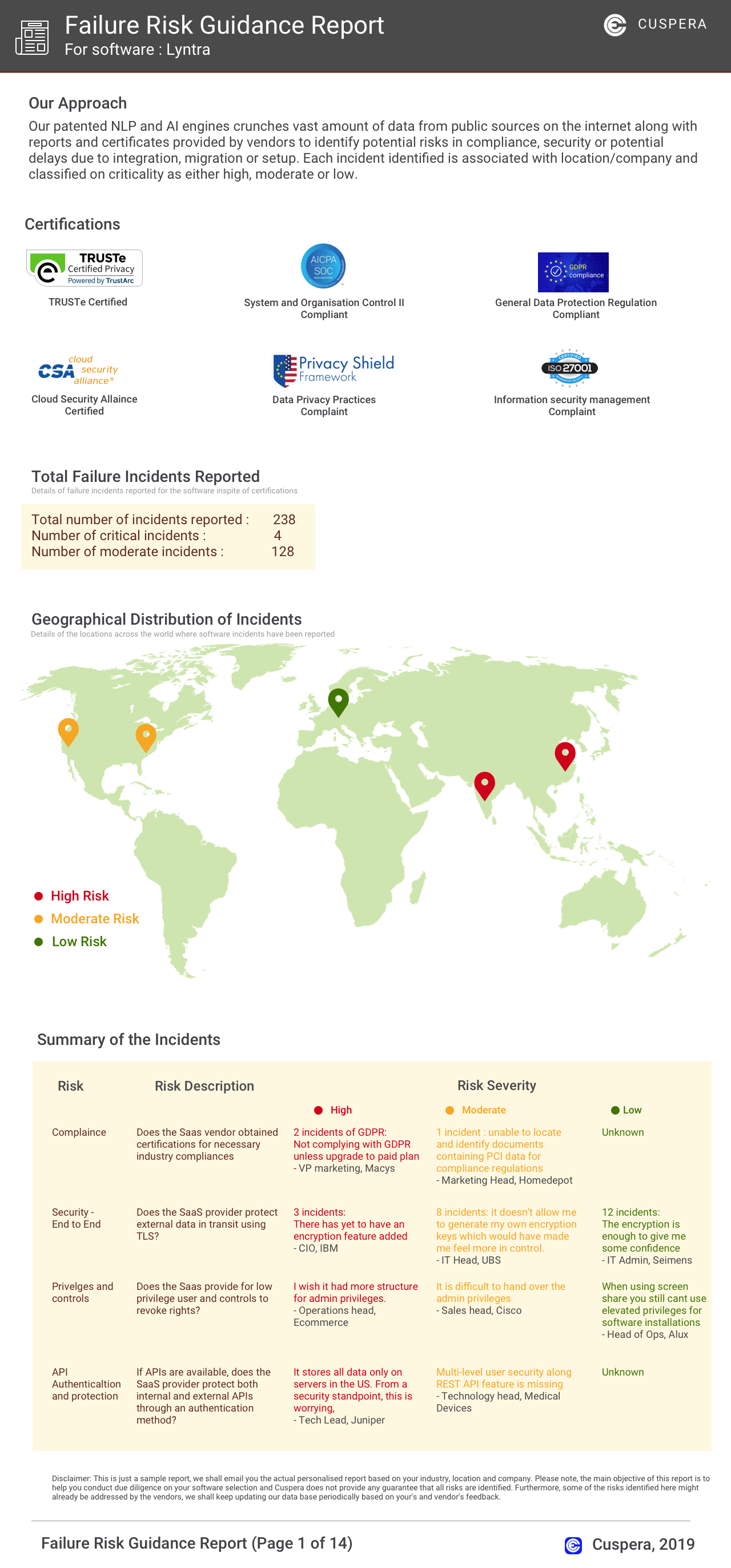
Software Failure Risk Guidance
?for AKEYLESS
Top Failure Risks for AKEYLESS
Akeyless Security Ltd. News
Cursor Secrets Management: How Akeyless Is Revolutionizing Developer Security
Akeyless has launched the Akeyless Secrets Manager extension for Cursor, integrating enterprise-grade secrets management directly into the Cursor IDE. This extension helps developers manage API keys and credentials without leaving their coding environment, providing real-time security feedback and eliminating the need for context switching. It also supports VS Code, enhancing security and productivity for developers.
Akeyless Announces General Availability of Agentic Runtime Authority for Real-Time Intent-Based Access Control of AI Agents - Yahoo Finance
Akeyless has launched the Agentic Runtime Authority, enhancing real-time intent-based access control for AI agents. This new feature integrates with Akeyless SecretlessAI to secure credentials and control AI agent actions, preventing unauthorized activities. It supports various AI platforms, including OpenAI Codex and Amazon Bedrock AgentCore, providing comprehensive security for enterprise systems.
Akeyless Announces General Availability of Agentic Runtime Authority for Real-Time Intent-Based Access Control of AI Agents
Akeyless announced the general availability of its Agentic Runtime Authority, enhancing real-time intent-based access control for AI agents. This new feature integrates with Akeyless SecretlessAI to prevent unauthorized actions by AI agents, providing a dynamic policy enforcement layer. It supports integrations with Claude Enterprise, OpenAI Codex, and Amazon Bedrock AgentCore, expanding Akeyless's AI agent ecosystem.
Akeyless Integrates With Claude’s Compliance API
Akeyless has integrated with Claude's Compliance API to enhance AI agent access governance. The integration, featuring Akeyless Agentic Runtime Authority, provides just-in-time, least-privilege access through a customer-deployed Akeyless Gateway. It ensures credentials remain secure, enforces intent-aware policies, and offers full forensic traceability for AI agent activities in Claude Enterprise.
Akeyless Security Ltd. Profile
Company Name
Akeyless Security Ltd.
Company Website
https://www.akeyless.io/HQ Location
122 Grand St, New York, 10013, US
Employees
11-50
Social


Financials
SERIES B